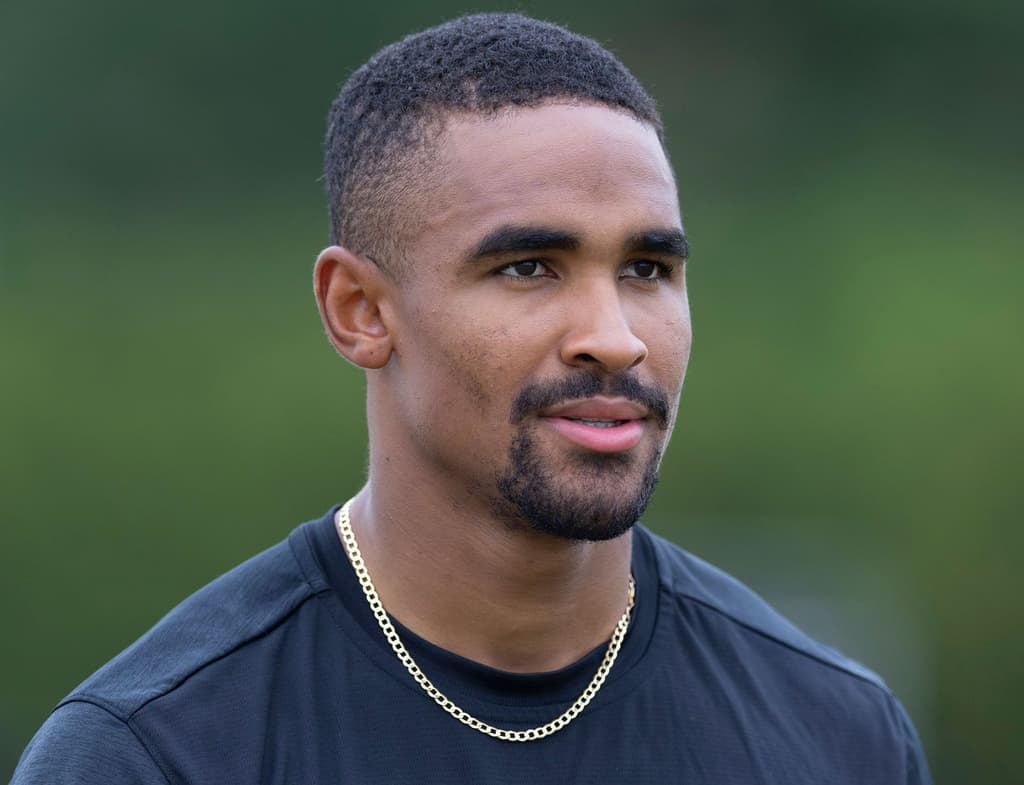
No team submitted a proposal to ban the tush push ahead of the 2026 season, and NFL competition committee co-chair Rich McKay confirmed owners would not consider the play at their annual meetings. The Packers-led effort from 2025 fell two votes short of the required threshold, after which league-wide attempts declined, success rates dipped below traditional quarterback sneaks, and officials received guidance only on stricter false-start enforcement. This combination of failed prior votes, reduced usage, and absence of new health or competitive data has produced near-unanimous trader consensus that the play remains legal. A last-minute safety report or unexpected owners vote could theoretically alter the outcome, though both appear highly improbable at this stage of the offseason.
Résumé expérimental généré par IA à partir des données Polymarket. Ceci n'est pas un conseil de trading et ne joue aucun rôle dans la résolution de ce marché. · Mis à jourOui
$415,762 Vol.
$415,762 Vol.
Oui
$415,762 Vol.
$415,762 Vol.
The “tush push” refers to a football play in which an offensive player or multiple offensive players line up directly behind the quarterback and push the quarterback forward immediately after the snap. A qualifying rule change must affect the use of this play. Partial bans, such as rules that ban pushing the quarterback only in certain situations (e.g. on quarterback sneaks), restrict who can push the quarterback, or impose penalties that specifically target the “tush push” formation or execution, will qualify.
The market will resolve based on the first official announcement from the NFL. If the league announces that the tush push will not be banned for the 2026 NFL season, this market will resolve to “No”.
Announcements of future rule changes affecting the use of the "tush push" which don't apply to the 2026 NFL season will not qualify.
The resolution source for this market will be official NFL announcements however a consensus of credible reporting may also be used.
Marché ouvert : Nov 21, 2025, 8:09 PM ET
Résolveur
0x65070BE91...The “tush push” refers to a football play in which an offensive player or multiple offensive players line up directly behind the quarterback and push the quarterback forward immediately after the snap. A qualifying rule change must affect the use of this play. Partial bans, such as rules that ban pushing the quarterback only in certain situations (e.g. on quarterback sneaks), restrict who can push the quarterback, or impose penalties that specifically target the “tush push” formation or execution, will qualify.
The market will resolve based on the first official announcement from the NFL. If the league announces that the tush push will not be banned for the 2026 NFL season, this market will resolve to “No”.
Announcements of future rule changes affecting the use of the "tush push" which don't apply to the 2026 NFL season will not qualify.
The resolution source for this market will be official NFL announcements however a consensus of credible reporting may also be used.
Résolveur
0x65070BE91...No team submitted a proposal to ban the tush push ahead of the 2026 season, and NFL competition committee co-chair Rich McKay confirmed owners would not consider the play at their annual meetings. The Packers-led effort from 2025 fell two votes short of the required threshold, after which league-wide attempts declined, success rates dipped below traditional quarterback sneaks, and officials received guidance only on stricter false-start enforcement. This combination of failed prior votes, reduced usage, and absence of new health or competitive data has produced near-unanimous trader consensus that the play remains legal. A last-minute safety report or unexpected owners vote could theoretically alter the outcome, though both appear highly improbable at this stage of the offseason.
Résumé expérimental généré par IA à partir des données Polymarket. Ceci n'est pas un conseil de trading et ne joue aucun rôle dans la résolution de ce marché. · Mis à jour


Méfiez-vous des liens externes.
Méfiez-vous des liens externes.
Questions fréquentes