
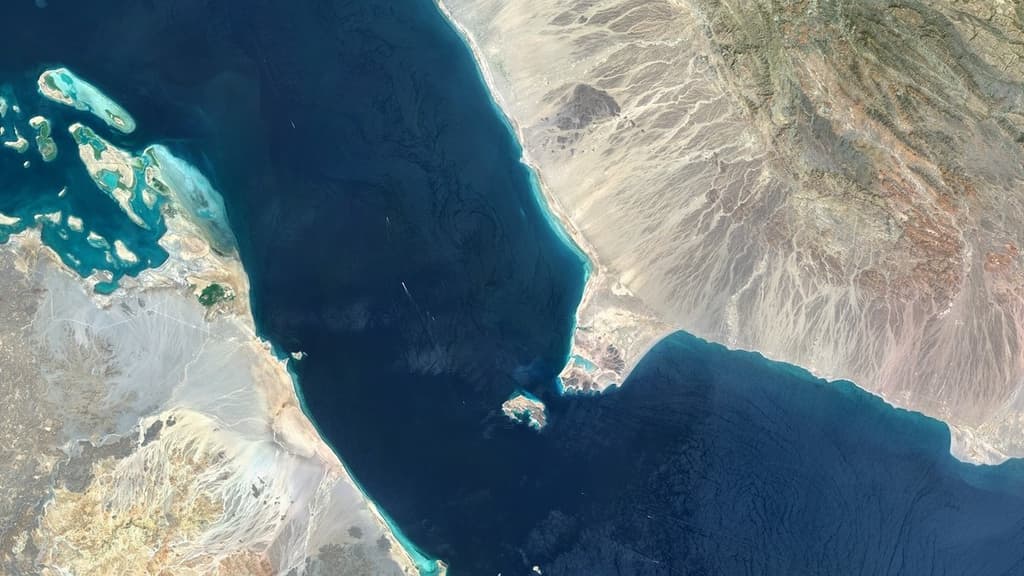
**Houthi forces in Yemen declared a targeted naval blockade on Saudi-linked shipping through the Bab el-Mandeb Strait on July 20, 2026, triggering sharp reductions in tanker and commercial traffic amid the broader Iran-related regional conflict.** Crossings fell 22–56% in the following days, with tanker transits dropping up to 39% and Saudi-linked volumes declining further, as vessels rerouted or turned back due to missile/drone threats and rising war-risk insurance costs. Attacks on Saudi tankers continued into August, including strikes causing fatalities, while some Chinese and other operators secured limited exemptions through direct talks. Traffic has stabilized at reduced levels well below pre-2023 norms but has not halted entirely, with shadow fleets and select carriers still transiting. Key variables for traders include escalation signals from Houthi-Iran coordination, Saudi or international naval responses, diplomatic de-escalation, and measurable thresholds for “effective closure” such as sustained daily transit volumes or insurance-driven halts. Upcoming developments in Yemen-Saudi tensions or Hormuz dynamics could shift risk assessments.
Eksperimental na AI-generated summary na nire-reference ang Polymarket data. Hindi ito trading advice at wala itong papel sa kung paano nire-resolve ang market na ito. · Na-updateBab el-Mandeb and Strait of Hormuz effectively shut to tanker traffic
August 31 plunges to 6%19%
Reports indicated that tanker transits through Bab el-Mandeb fell sharply following the Houthi blockade declaration, with significant reductions in Saudi-linked crossings. This operational disruption confirmed the strait's effective partial closure, intensifying market concerns about sustained maritime chokepoint risks.
Bab el-Mandeb and Strait of Hormuz both effectively shut to tanker traffic
Reports indicated that both the Strait of Hormuz and Bab el-Mandeb were effectively closed to normal commercial tanker traffic, with Bab el-Mandeb crossings down 22% since the Houthi blockade declaration and tanker transits down 39%. This underscored the critical risk to global oil shipments through these chokepoints.
Ship traffic through Bab el-Mandeb Strait slumps 56% after Houthi embargo
August 31 dips to 9%2%
Following the Houthi maritime embargo declared in late July, ship crossings through the Bab el-Mandeb Strait fell to their lowest levels since the blockade began, reflecting a significant disruption in maritime traffic and reinforcing market expectations of a near closure.
Bab el-Mandeb ship traffic slumps 56% since Houthis' Saudi embargo
July 31 dips to 0%1%
Maritime traffic in the Bab el-Mandeb Strait more than halved in the week following the Houthi declaration of an embargo on Saudi shipping, with crossings falling to their lowest level since the blockade began. This significant drop reflected the operational impact of the blockade on shipping volumes.
Bab el-Mandeb Strait tanker transits fall sharply after Houthi blockade
July 31 dips to 0%1%
Tanker transits through Bab el-Mandeb dropped 39% and Saudi-linked crossings fell 46% since the Houthi blockade declaration, effectively shutting the strait to normal commercial tanker traffic and confirming operational disruption.
Yemeni government strikes Houthi missile and drone sites amid ongoing conflict
December 31 dips to 27%1%
Yemen’s internationally recognized government launched offensive strikes against Houthi missile and drone launch sites, but the Houthis continued their campaign, maintaining pressure on Bab el-Mandeb Strait shipping.
IMF PortWatch data shows Bab el-Mandeb transit calls remain above closure threshold
July 31 dips to 0%1%
IMF PortWatch data published around this date indicated that the 7-day moving average of transit calls through Bab el-Mandeb remained above 10, suggesting no effective closure despite ongoing tensions, influencing market pricing downward.
Shipping companies reroute Asia-Europe traffic around Cape of Good Hope amid Bab el-Mandeb risks
September 30 drops to 14%9%
Due to ongoing Houthi threats and attacks in the Red Sea, major carriers like Maersk paused transits through Bab el-Mandeb, sustaining the shift of Asia-Europe shipping around the longer Cape of Good Hope route, increasing freight costs and insurance premiums.
Houthis proclaim maritime blockade against Saudi shipping in Bab el-Mandeb Strait
July 31 dips to 4%1%
Houthi leadership declared a total maritime blockade against all vessels linked to Saudi shipping, significantly increasing the risk of volatility at the Bab el-Mandeb Strait. While not a verified physical closure, this blockade raised insurance and shipping concerns, threatening the primary link to the Suez Canal.
Houthis proclaim total maritime blockade against Saudi-linked vessels at Bab el-Mandeb
July 31 dips to 1%4%
The Houthi leadership declared a total maritime blockade against vessels linked to Saudi shipping, significantly increasing volatility risks at Bab el-Mandeb. While not a verified physical closure, this declaration raised insurance premiums and shipping risks, influencing market prices.
Bab el-Mandeb Strait remains open; market prices settle lower for closure
IMF PortWatch data confirmed that the Bab el-Mandeb Strait transit calls stayed above the closure threshold, leading to market prices settling lower for closure outcomes. The market ultimately resolved to No for effective closure by the end of July.
Dual blockade of Hormuz and Bab el-Mandeb causes severe global energy shock
September 30 jumps to 25%9%
Iran's closure of the Strait of Hormuz combined with Houthi threats and attacks on Saudi shipping in the Red Sea disrupted about 25% of seaborne oil and gas trade, pushing Brent crude prices above $96/barrel and causing ripple effects on global shipping and energy markets.
President Trump warns Iran of major military punishment if Houthis close Bab el-Mandeb
July 31 drops to 0%12%
President Trump issued a stern warning that the US would hold Iran responsible and inflict major military punishment if the Houthis closed the Bab el-Mandeb Strait, reflecting heightened US commitment to keep the strait open.
Dual blockade of Hormuz and Bab el-Mandeb causes severe global energy shock
July 31 drops to 0%12%
Iran's closure of the Strait of Hormuz combined with Houthi threats and attacks on Saudi shipping in the Red Sea pushed oil prices above $96/barrel, disrupting global energy supplies and intensifying market concerns about Bab el-Mandeb closure.
Dual blockade of Hormuz and Bab el-Mandeb creates severe global energy shock
December 31 drops to 34%11%
Iran’s closure of the Strait of Hormuz combined with Houthi threats and attacks on Saudi shipping in the Red Sea pushed oil prices higher and disrupted global energy supply chains, impacting market sentiment.
Houthi missile and drone deployments reported around Bab el-Mandeb Strait
December 31 plunges to 27%18%
On July 23, 2026, maritime security agencies reported Houthi missile and drone deployments around the Bab el-Mandeb Strait, with confirmed attacks on Saudi-flagged tankers, signaling credible threats to shipping and increasing market uncertainty about strait closure.
President Trump vows military retaliation if Iran-backed Houthis attack again
September 30 jumps to 24%12%
Following Houthi attacks on Saudi tankers, President Trump threatened severe military punishment against Iran and Houthis, signaling heightened US involvement and raising stakes for the Bab el-Mandeb Strait's security.
Houthis claim attacks on Saudi oil tankers and vow Bab el-Mandeb blockade
August 31 dips to 9%2%
Houthis claimed attacks on two Saudi oil tankers and vowed to blockade the Bab el-Mandeb Strait, intensifying the maritime conflict and further reducing shipping traffic through the strait, reinforcing market expectations of effective closure.
US President Trump vows military retaliation against Iran and Houthis
July 31 drops to 0%8%
President Trump declared that the US would hold Iran responsible for Houthi attacks and would inflict major military punishment, escalating tensions and influencing market perceptions of the strait's security.
Tanker attacks in Red Sea disrupt Saudi crude exports via Bab el-Mandeb
August 31 drops to 12%8%
Attacks on Saudi tankers caused a 36% drop in crude loadings at Red Sea ports, forcing rerouting and raising concerns about the strait's effective closure, impacting global oil supply and market prices.
Yemen’s Houthi movement warns of maritime blockade targeting Saudi shipping
July 31 drops to 1%11%
The Houthi movement publicly warned of a maritime blockade targeting Saudi shipping, escalating concerns over the security of the Bab el-Mandeb Strait. This announcement heightened market fears of a potential effective closure, influencing price movements in the prediction market.
Bab el-Mandeb Strait transit calls show modest recovery but remain below pre-crisis levels
September 30 jumps to 28%6%
Data from IMF PortWatch indicated a slight increase in ship arrivals through the strait, reflecting partial recovery from earlier disruptions but still significantly below historical norms, maintaining market caution about closure risks.
Houthis attack Saudi-flagged tankers in Bab el-Mandeb Strait
July 31 dips to 0%1%
Houthis fired on multiple Saudi-flagged tankers in the Red Sea, confirming active hostilities and further disrupting maritime traffic through Bab el-Mandeb, exacerbating energy market concerns.
Houthi blockade raises global trade and energy supply concerns
August 31 jumps to 19%7%
The Houthi blockade of Saudi shipping at Bab el-Mandeb raised fears of wider conflict and disruption to global oil supplies and trade, with the strait being a critical chokepoint for 12% of world trade and a quarter of container traffic to the Suez Canal.
Oil tankers reroute away from Bab el-Mandeb amid blockade and security concerns
Reuters reported that two tankers carrying approximately 2.7 million barrels of Saudi oil diverted course in the Red Sea, avoiding the Bab el-Mandeb Strait due to the Houthi blockade and elevated risk premiums, effectively reducing transit volumes and signaling economic closure of the strait.
Yemen’s Houthi movement warns of maritime blockade targeting Saudi shipping
December 31 drops to 33%12%
The Houthi movement in Yemen issued warnings of a maritime blockade targeting Saudi shipping through the Bab el-Mandeb Strait, escalating concerns about potential closure and disruption of a key global trade and energy route.
Bab el-Mandeb Strait faces growing disruption risks amid Houthi blockade
August 31 jumps to 19%7%
The Bab el-Mandeb Strait, a vital shipping route, faces increasing disruption risks after the Houthi maritime blockade declaration, with oil shipments through the strait rising significantly and Saudi crude exports rerouted, raising global energy and trade concerns.
Bab el-Mandeb faces growing disruption risks amid Houthi maritime blockade warnings
August 31 drops to 8%10%
Yemen’s Houthi movement warned of a maritime blockade targeting Saudi shipping, increasing the risk of disruption at Bab el-Mandeb. This threat, combined with ongoing regional conflicts, intensified market concerns about the strait's effective closure.
Yemeni Houthis declare naval blockade against Saudi Arabia
December 31 drops to 34%11%
The Yemeni Houthis declared a naval blockade on Saudi Arabia, threatening to disrupt over 4.5 million barrels of oil transit through the Bab el-Mandeb Strait. This declaration intensified market concerns about potential closure and disruption of this critical shipping route.
Houthi militia warns no force can reopen Bab el-Mandeb if closed
August 31 dips to 9%3%
A Houthi official warned that if the Bab el-Mandeb Strait is closed by Sanaa, no force would be able to reopen it, signaling a firm stance that heightened market fears and contributed to price declines for closure probabilities.
Houthi missile and drone deployments reported around Bab el-Mandeb Strait
Maritime security agencies reported Houthi missile and drone deployments around the Bab el-Mandeb Strait, with confirmed attacks on Saudi-flagged tankers. This signaled credible threats to shipping and increased market uncertainty about strait closure.
Shipping companies reroute vessels around Africa amid Bab el-Mandeb risks
September 30 rises to 14%3%
In response to heightened threats, major shipping companies began rerouting vessels around the Cape of Good Hope, increasing transit times and costs, and reflecting market concerns about Bab el-Mandeb Strait disruptions.
Saudi tankers reverse course before Bab el-Mandeb amid Houthi blockade
August 31 dips to 22%3%
Two Saudi crude oil tankers loaded at Yanbu port made U-turns to avoid the Bab el-Mandeb Strait due to the Houthi blockade, signaling a significant disruption to Saudi oil exports and increasing market fears of prolonged closure.
Bab el-Mandeb Strait faces growing risks after Houthi maritime blockade warnings
December 31 jumps to 34%6%
Following Houthi threats, the Bab el-Mandeb Strait's risk profile increased, with shipping volumes suppressed and carriers rerouting around Africa, impacting global trade and energy security.
Yemeni Houthis declare naval blockade threatening Saudi shipping
September 30 dips to 12%2%
The Houthi group declared a naval blockade against Saudi Arabia, threatening to disrupt millions of barrels of oil transit through Bab el-Mandeb. This declaration significantly raised market concerns about effective closure of the strait and impacted price movements.
Tanker diversions from Bab el-Mandeb raise oil and insurance risks
December 31 drops to 34%11%
Commercial tankers began rerouting away from Bab el-Mandeb due to Houthi threats, increasing Brent crude prices and freight insurance costs, reflecting market anxiety over potential prolonged disruptions and influencing longer-dated closure odds.
Yemeni Houthis declare naval blockade targeting Saudi shipping
August 31 jumps to 20%7%
The Yemeni Houthi group declared a naval blockade against Saudi Arabia, threatening to disrupt millions of barrels of oil transit through Bab el-Mandeb, which sharply increased market concerns about effective closure risks.
Saudi airstrikes on Sanaa airport escalate Yemen conflict
July 31 dips to 5%1%
Saudi Arabia conducted airstrikes on Sanaa International Airport, escalating hostilities with the Houthis. In response, Houthi officials warned of readiness to close the Bab el-Mandeb Strait, increasing fears of a blockade and impacting market closure risk pricing.
Bab el-Mandeb blockade threatens global oil and trade routes
September 30 rises to 23%4%
On July 21, 2026, reports confirmed the Houthi blockade's potential to widen the Iran war and disrupt global oil supplies and international trade, emphasizing the strait's vital role in connecting the Red Sea to the Gulf of Arabia and its importance for Saudi oil exports.
Yemeni Houthis declare naval blockade targeting Saudi shipping
July 31 drops to 4%8%
The Yemeni Houthi movement declared a naval blockade against Saudi Arabia, threatening to disrupt over 4.5 million barrels of oil transit through the Bab el-Mandeb Strait. This declaration heightened market concerns about a potential effective closure, reflected in increased odds in prediction markets and elevated risk premiums in shipping and energy sectors.
Houthi attacks on oil tankers escalate Red Sea tensions
Iranian-supported Houthi forces reportedly attacked two Saudi oil tankers near Bab el-Mandeb, intensifying fears of a full blockade and causing further market concern about the strait's effective closure, impacting odds for September and December outcomes.
Prediction markets surge on Bab el-Mandeb closure fears amid new blockade
September 30 jumps to 23%10%
On July 21, 2026, prediction markets reflected a surge in odds for Bab el-Mandeb Strait closure following the Houthi naval blockade declaration, as traders assessed the risk to Saudi oil exports and global energy markets, pushing prices for closure outcomes higher.
Houthis declare blockade of Saudi Arabia, threatening to widen Iran war
September 30 dips to 19%4%
On July 21, 2026, Yemen’s Houthis declared a blockade on Saudi Arabia, potentially widening the Iran war and further disrupting global oil supplies and trade through the Bab el-Mandeb Strait, raising global market concerns about supply chain shocks.
Houthis intensify blockade, attacking Saudi oil tankers and disrupting Bab el-Mandeb traffic
July 31 dips to 4%2%
On July 21, 2026, Houthi forces reportedly attacked Saudi oil tankers and issued warnings on maritime frequencies that the Bab el-Mandeb Strait was closed to Saudi shipping. This escalation increased concerns about a prolonged disruption of this vital chokepoint, impacting global oil supply and trade routes, and influencing market prices downward for closure likelihood.
Houthis attack Saudi oil tankers in Red Sea amid blockade threat
Following their blockade declaration, Houthis attacked two Saudi oil tankers in the Red Sea on July 21, 2026, causing fires and further disrupting shipping through the Bab el-Mandeb Strait, intensifying fears of a wider conflict and supply chain shocks.
Houthis blockade raises fears over Bab el-Mandeb trade route security
August 31 jumps to 18%7%
Following the blockade declaration, on July 21, 2026, concerns intensified about the security of navigation through the Bab el-Mandeb Strait, with increased insurance premiums and shipping reroutes. Saudi-led coalition vowed to protect commercial vessels, but the blockade's impact on trade and oil flows remained significant.
Yemeni Houthis declare naval blockade targeting Saudi shipping in Bab el-Mandeb Strait
September 30 rises to 24%1%
The Yemeni Houthi movement announced a naval blockade against Saudi Arabia, threatening to disrupt over 4.5 million barrels of oil transit through the Bab el-Mandeb Strait. This declaration heightened market fears of closure, pushing up odds temporarily for closure by September 30 and December 31.
Houthi blockade announcement triggers market concerns over Bab el-Mandeb closure
December 31 drops to 33%12%
Following the Houthi declaration of a maritime blockade on Saudi shipping, markets reacted with increased probabilities of Bab el-Mandeb closure, reflecting fears of significant disruption to global trade and energy supplies through this strategic chokepoint.
Saudi-led coalition vows to protect vessels after Houthi blockade announcement
Following the Houthi blockade declaration, the Saudi-led coalition announced it would take necessary measures to protect its commercial vessels in the Bab el-Mandeb Strait, signaling potential for military escalation and sustained disruption risks in the strait.
Houthis declare maritime blockade of Saudi shipping at Bab el-Mandeb Strait
July 31 drops to 5%7%
On July 20, the Houthis announced a maritime blockade targeting Saudi-linked vessels transiting the Bab el-Mandeb Strait, significantly raising the risk of disruption to a vital global trade and energy corridor. This declaration led to immediate rerouting of Saudi oil tankers and increased insurance premiums, suppressing shipping volumes.
Shipping volumes through Bab el-Mandeb remain above closure threshold despite tensions
July 31 drops to 5%7%
IMF PortWatch data showed that transit calls through the Bab el-Mandeb Strait remained above the critical threshold of 10 ships, indicating no effective closure. Market prices for closure probabilities declined slightly as actual transit data contradicted fears of a shutdown.
Houthis declare maritime blockade on Saudi shipping at Bab el-Mandeb Strait
July 31 drops to 6%6%
On July 20, 2026, the Houthi military spokesman announced a maritime blockade targeting Saudi-linked vessels transiting the Bab el-Mandeb Strait and the Red Sea, framing it as retaliation for the Saudi siege of Yemen. This declaration led to immediate shipping diversions and heightened fears of a full closure, causing market volatility and a spike in closure risk pricing.
Houthis announce blockade on Saudi shipping through Bab el-Mandeb Strait
July 31 drops to 0%5%
The Houthis declared a maritime blockade targeting Saudi shipping effective July 20, warning vessels calling at Saudi ports could be sanctioned or attacked, causing shipping disruptions and market anxiety.
Houthis announce naval blockade of Saudi Arabia, threaten Bab el-Mandeb Strait closure
July 31 drops to 5%7%
The Houthi militia formally declared a naval blockade on Saudi-linked vessels at Bab el-Mandeb, framing it as retaliation for the Saudi siege of Yemen. This heightened fears of a full closure, causing immediate shipping diversions and market volatility.
Houthis declare blockade of Saudi shipping through Bab el-Mandeb Strait
August 31 jumps to 25%7%
The Houthis announced a maritime embargo targeting Saudi vessels, effectively closing the Bab el-Mandeb Strait to Saudi shipping, which led to tanker rerouting and increased market concerns about a dual chokepoint crisis alongside the Strait of Hormuz.
Houthi rebels announce maritime blockade on Saudi shipping at Bab el-Mandeb
July 31 drops to 1%11%
The Iran-backed Houthi movement declared a maritime blockade targeting Saudi-linked vessels transiting the Bab el-Mandeb Strait, significantly disrupting shipping and causing a sharp drop in vessel traffic through the strait. This escalated fears of a full closure and led to market prices dropping sharply.
Houthis declare naval blockade of Saudi Arabia, threaten Bab el-Mandeb Strait closure
July 31 drops to 1%11%
The Houthis declared a naval blockade on Saudi Arabia and threatened to close the Bab el-Mandeb Strait outright, sharply increasing market fears of a strait closure and causing a significant price spike.
Houthis announce maritime embargo blocking Saudi vessels at Bab el-Mandeb Strait
July 31 drops to 0%5%
On July 20, the Houthis declared a blockade on ships originating from or calling at Saudi ports, effectively closing the Bab el-Mandeb Strait to Saudi-linked shipping in retaliation for Saudi actions in Yemen, causing immediate disruption to maritime traffic.
Houthis declare Bab el-Mandeb Strait closed to Saudi shipping amid blockade
July 31 drops to 4%8%
Houthi forces announced a blockade on Saudi oil shipments through Bab el-Mandeb, threatening to disrupt a vital maritime chokepoint and intensifying market fears of effective closure.
Houthi movement announces maritime blockade targeting Saudi-linked vessels at Bab el-Mandeb Strait
July 31 drops to 1%11%
The Houthi militia declared a maritime blockade on Saudi-linked vessels transiting the Bab el-Mandeb Strait, framing it as retaliation for the Saudi siege of Yemen. This led to immediate diversion of Saudi oil tankers and heightened fears of a strait closure, causing sharp market reactions.
Houthis announce maritime blockade of Saudi vessels at Bab el-Mandeb Strait
July 31 drops to 0%12%
In response to a Saudi siege of Yemen, Houthi forces declared a marine blockade targeting Saudi shipping through Bab el-Mandeb, significantly disrupting traffic and escalating fears of a full closure, which pushed market prices down for closure probabilities.
Houthis announce blockade of Bab el-Mandeb Strait on Saudi shipping
July 31 drops to 5%7%
The Houthi faction declared a maritime blockade targeting Saudi vessels at Bab el-Mandeb, effectively threatening closure of a vital oil shipping route and causing sharp market reactions.
US intensifies strikes on Iran amid rising Houthi threats in Bab el-Mandeb region
August 31 jumps to 18%6%
The US conducted multiple strikes on Iranian command centers and missile capabilities, aiming to degrade Iran's ability to threaten maritime traffic, while Houthis prepared attacks near Bab el-Mandeb, increasing regional tensions and market uncertainty.
Houthis declare maritime blockade targeting Saudi-linked vessels at Bab el-Mandeb Strait
July 31 dips to 1%4%
The Yemen-based Houthi movement announced a maritime blockade aimed at Saudi-linked shipping through the Bab el-Mandeb Strait, escalating tensions and threatening a key global oil and trade route. This caused shipping companies to reroute vessels and raised insurance costs, sharply increasing market fears of closure.
Iran directs Houthis to prepare for Bab el-Mandeb Strait closure amid US threats
August 31 drops to 6%7%
Iran instructed the Houthi movement to be ready to shut the Bab el-Mandeb Strait if the US attacks Iranian infrastructure, escalating the threat level and increasing market concerns about a potential closure of this critical maritime chokepoint.
Iran directs Houthis to prepare Bab el-Mandeb Strait closure
July 31 rises to 6%1%
Iran instructed Yemen's Houthi movement to be ready to close the Bab el-Mandeb Strait if the US attacks Iranian infrastructure, signaling a potential blockade that would severely disrupt global energy trade.
Hijacking of commercial vessel near Bab el-Mandeb raises maritime security concerns
An armed hijacking of a commercial vessel near the Yemeni coast heightened security risks in the Bab el-Mandeb area, increasing concerns about maritime safety and potential disruptions to shipping traffic through the strait.
Iran directs Houthis to prepare Bab el-Mandeb Strait closure
September 30 jumps to 21%8%
Iran instructed Yemen's Houthi movement to be ready to close the Bab el-Mandeb Strait if the US attacks Iranian infrastructure, signaling a coordinated threat to this vital shipping route and increasing closure risk.
Iran urges Houthis to prepare for Bab el-Mandeb disruption if US targets energy infrastructure
August 31 rises to 12%1%
Iran reportedly instructed its Houthi allies to prepare to disrupt oil tanker traffic through the Red Sea if the US attacks Iran's power grid or energy infrastructure, raising fears of expanded conflict and increased risk to the Bab el-Mandeb Strait's security.
Fighting intensifies around Strait of Hormuz amid diplomatic efforts
September 30 rises to 18%4%
Intensified fighting around the Strait of Hormuz raised broader fears of spillover to other regional maritime chokepoints, including Bab el-Mandeb. Despite ongoing diplomatic channels, the heightened conflict contributed to market volatility and increased risk premiums for the strait's closure.
Two Saudi vessels hit by missiles in Red Sea amid Bab el-Mandeb tensions
August 31 rises to 18%4%
Missile attacks on Saudi vessels in the Red Sea by Houthi forces disrupted shipping through Bab el-Mandeb, raising fears of a wider Middle East conflict and further economic damage. This incident contributed to market volatility and increased closure risk pricing.
Intensified fighting around Strait of Hormuz raises fears of spillover to Bab el-Mandeb
August 31 drops to 7%5%
Fighting around the Strait of Hormuz intensified amid ongoing regional tensions, raising broader fears of spillover effects to other critical maritime chokepoints including Bab el-Mandeb. This contributed to market volatility and increased risk premiums for the strait's closure.
Iran-backed Houthi leader threatens escalation against Saudi Arabia near Bab el-Mandeb Strait
August 31 dips to 9%2%
An Iran-backed Houthi leader in Yemen threatened escalation with Saudi Arabia, raising concerns about security and potential maritime route disruptions near the Bab el-Mandeb Strait. This news triggered a sharp repricing of near-term closure risk in prediction markets.
Russian FM Lavrov warns Bab el-Mandeb closure would harm global oil market
September 30 jumps to 19%6%
On July 16, 2026, Russian Foreign Minister Sergey Lavrov publicly stated that a potential closure of the Bab el-Mandeb Strait would severely harm international trade and the global oil market, underscoring the strait's strategic importance and increasing geopolitical risk awareness.
Iran-backed Houthis threaten naval blockade on Saudi shipping near Bab el-Mandeb
August 31 dips to 10%1%
The Houthi movement declared a naval blockade targeting Saudi vessels near Bab el-Mandeb, raising concerns about maritime security and potential closure of this critical strait, causing market repricing of closure risk.
Iran orders Houthis to close Bab el-Mandeb if US attacks power network
July 31 drops to 0%5%
On July 16, reports confirmed that Iran instructed its Houthi allies to close the Bab el-Mandeb Strait should the US target Iranian power infrastructure, signaling Tehran's strategic use of the strait as leverage in the regional conflict.
Fighting intensifies around Strait of Hormuz amid regional tensions
Escalated fighting near the Strait of Hormuz heightened fears of spillover effects to other critical maritime chokepoints, including Bab el-Mandeb. This regional instability contributed to increased market volatility and elevated closure risk premiums.
Iran-backed Houthis threaten escalation and naval blockade near Bab el-Mandeb
July 31 drops to 0%12%
The Houthi movement in Yemen declared a naval blockade against Saudi Arabia and threatened escalation, raising fears of maritime route disruptions near the Bab el-Mandeb Strait. This announcement triggered significant market reactions due to the potential impact on global shipping and oil transit.
Iran-backed Houthi leader threatens escalation with Saudi Arabia
September 30 dips to 9%2%
On July 16, 2026, reports emerged that the Iran-backed Houthi movement in Yemen threatened escalation against Saudi Arabia, raising concerns about security and potential maritime route disruptions near the Bab el-Mandeb Strait. This heightened fears of spillover from the Strait of Hormuz conflict, impacting market perceptions of closure risk.
Intensified fighting around Strait of Hormuz raises spillover fears
September 30 rises to 16%4%
Fighting around the Strait of Hormuz intensified even as diplomatic channels remained open, heightening fears of spillover effects to other regional maritime chokepoints including Bab el-Mandeb. This contributed to increased market volatility and risk premiums for the strait's closure.
Iran-backed Houthi leader threatens escalation against Saudi Arabia
July 31 drops to 5%7%
The Houthi movement in Yemen issued threats of escalation targeting Saudi Arabia, raising fears of maritime route disruptions near the Bab el-Mandeb Strait and intensifying concerns about regional security and shipping corridor stability.
Iran-backed Houthis threaten escalation near Bab el-Mandeb and Strait of Hormuz
August 31 jumps to 28%8%
On July 16, 2026, reports confirmed that the Iran-backed Houthi movement threatened escalation against Saudi Arabia, raising concerns about security and potential maritime disruptions near Bab el-Mandeb. Fighting around the Strait of Hormuz intensified, increasing fears of spillover to other regional maritime chokepoints, which affected market perceptions of closure risk.
Fighting intensifies around Strait of Hormuz amid diplomatic efforts
September 30 dips to 11%2%
Escalated fighting around the Strait of Hormuz heightened fears of spillover effects to other regional maritime chokepoints, including Bab el-Mandeb, contributing to market anxiety over potential shipping disruptions.
Iran instructs Yemen's Houthis to close Bab el-Mandeb if US attacks power network
July 31 dips to 4%1%
Iran reportedly told the Houthis to close the Bab el-Mandeb Strait if the US attacks Iran's power infrastructure. This directive increased fears of a potential closure, directly threatening Saudi oil exports and escalating regional tensions.
Iran instructs Houthis to prepare for Bab el-Mandeb Strait closure
July 31 drops to 5%7%
Iran directed the Houthi movement to be ready to close the Bab el-Mandeb Strait if the U.S. attacks Iranian infrastructure, signaling a strategic escalation that threatened a critical global shipping route.
Iran instructs Houthis to close Bab el-Mandeb if US attacks power network
Iran reportedly told Yemen's Houthis to close the Bab el-Mandeb Strait if the US hits Iran's power network, signaling a direct threat to maritime traffic and escalating closure risk.
European Commission upgrades import monitoring amid Bab el-Mandeb tensions
August 31 drops to 6%5%
The European Commission announced an upgraded import monitoring mechanism to track trade imbalances, reflecting heightened concerns over global trade disruptions linked to the Bab el-Mandeb Strait tensions. This policy move contributed to market repricing of near-term closure risks.
Iran threatens to close Bab el-Mandeb Strait if US hits power network
September 30 jumps to 23%7%
On July 15, 2026, Iran reportedly instructed Yemen's Houthis to close the Bab el-Mandeb Strait if the US attacks Iran's power network, signaling a potential escalation that could disrupt a critical maritime chokepoint and increase market risk premiums.
Yemeni Houthis declare naval blockade against Saudi Arabia
August 31 rises to 12%1%
The Yemeni Houthi movement declared a naval blockade targeting Saudi shipping through the Bab el-Mandeb Strait, escalating the risk of disruption. This declaration increased market odds for closure as traders factored in the potential impact on maritime traffic and oil transit volumes.
Saudi airstrikes on Sana'a International Airport escalate Yemen conflict
July 31 drops to 5%7%
Saudi Arabia conducted airstrikes on Sana'a International Airport on July 14, escalating hostilities and prompting Yemeni officials to intensify threats to close the Bab el-Mandeb Strait, further destabilizing the region and impacting maritime security.
US President Trump announces 20% charge for Hormuz Strait security
September 30 rises to 17%3%
On July 14, US President Trump declared Washington would act as 'Guardian of the Hormuz Strait' and impose a 20% fee on cargo for security, signaling increased US involvement and escalating tensions affecting both the Strait of Hormuz and Bab el-Mandeb.
Bab el-Mandeb transit volumes remain suppressed amid ongoing Houthi threats
July 31 drops to 5%7%
IMF PortWatch data showed that ship arrivals through Bab el-Mandeb remained significantly below pre-crisis levels, with daily transit calls fluctuating but not dropping below the critical threshold of 10, indicating no effective closure despite elevated risks.
Yemeni Houthis declare readiness to close Bab el-Mandeb Strait amid Saudi airstrikes
August 31 rises to 12%1%
Following Saudi airstrikes on Sana'a International Airport, Houthi officials declared their readiness to close the Bab el-Mandeb Strait in retaliation, signaling a potential escalation that could disrupt a vital global shipping route and increase closure odds for August and beyond.
Saudi airstrikes on Sana'a airport escalate Yemen conflict
August 31 rises to 12%1%
Saudi Arabia bombed Sana'a International Airport, escalating hostilities and prompting Yemeni forces to warn of readiness to close Bab el-Mandeb Strait, intensifying fears of a blockade and impacting market prices.
Yemeni Houthis announce intent to block Bab el-Mandeb Strait alongside Strait of Hormuz closure
August 31 rises to 12%1%
On July 13, 2026, reports emerged that the Iran-backed Houthi movement in Yemen intended to block the Bab el-Mandeb Strait simultaneously with any closure of the Strait of Hormuz by Iran. This announcement heightened market concerns about a dual maritime chokepoint disruption, impacting the Bab el-Mandeb closure market prices.
Houthis announce intent to block Bab el-Mandeb Strait simultaneously with Hormuz closure
July 31 drops to 6%6%
On July 13, the Yemeni Houthis declared their intention to block the Bab el-Mandeb Strait in coordination with Iran's cessation of passage through the Strait of Hormuz, signaling a potential escalation in maritime disruptions affecting global trade routes.
Houthis declare maritime blockade on Saudi shipping at Bab el-Mandeb Strait
July 31 drops to 5%7%
The Houthi militia announced a maritime blockade targeting Saudi-linked vessels transiting the Bab el-Mandeb Strait, significantly raising the risk of disruption to a vital global trade and energy corridor. This declaration led to immediate rerouting of Saudi oil tankers and increased insurance premiums, causing market volatility and a spike in closure risk pricing.
Yemeni Houthis declare readiness to close Bab el-Mandeb Strait amid Saudi airstrikes
July 31 drops to 6%6%
Following Saudi airstrikes on Sana'a International Airport, the Houthis declared they were prepared to close the Bab el-Mandeb Strait if Saudi aggression continued, signaling a major escalation that threatened a critical global shipping route and increased market fears of closure.
Saudi airstrikes bomb Sana'a International Airport escalating Yemen conflict
August 31 rises to 13%2%
Saudi Arabia conducted airstrikes on Sana'a International Airport, escalating the conflict in Yemen and prompting Yemeni officials to warn of potential closure of Bab el-Mandeb Strait, intensifying market fears.
Saudi airstrikes on Sana'a airport escalate Yemen conflict, Houthis warn of Bab el-Mandeb closure
July 31 drops to 5%7%
Saudi Arabia bombed Sana'a International Airport, escalating the conflict. In response, Yemeni Houthis declared readiness to close the Bab el-Mandeb Strait if Saudi aggression continues, threatening a coordinated closure with the Strait of Hormuz that could send oil prices soaring and disrupt global trade.
Saudi airstrikes on Sanaa airport escalate Yemen conflict
July 31 drops to 5%7%
Saudi Arabia conducted airstrikes on Sanaa International Airport, escalating hostilities with the Houthis. In response, the Houthis declared readiness to close the Bab el-Mandeb Strait, increasing fears of a blockade and impacting market prices for closure probabilities.
Yemeni Houthis threaten to close Bab el-Mandeb Strait amid Saudi aggression
July 31 drops to 5%7%
On July 13, Mohammed al-Farah of Ansarullah declared readiness to close the Bab el-Mandeb Strait if Saudi Arabia continued its military actions, signaling a coordinated threat with the Strait of Hormuz closure and raising fears of a severe global energy shock.
Bab el-Mandeb transit calls remain above closure threshold, market prices hit low
September 30 dips to 11%2%
By late June 2026, IMF PortWatch data showed the 7-day moving average of transit calls at Bab el-Mandeb remained above 10, leading the market to price in a low probability of effective closure by the September 30 resolution date.
Market closes near lowest price as Bab el-Mandeb closure risk persists
September 30 dips to 13%1%
By late June, despite some price fluctuations, the market settled near its lowest point reflecting sustained fears of Bab el-Mandeb Strait closure due to ongoing blockades and military threats, confirming the September 30 outcome as most affected.
Final data confirms Bab el-Mandeb Strait remains open with transit calls above closure threshold
September 30 dips to 13%1%
Data published for the end of the analysis window confirmed that the 7-day moving average of transit calls remained above 10, leading to market resolution favoring no closure.
Yemen warns Israeli presence in Somalia waters a legitimate target
September 30 rises to 14%1%
On June 23, Yemen warned that any Israeli presence in Somali waters would be considered a legitimate target, heightening regional tensions and contributing to fears of disruptions in the Bab el-Mandeb Strait maritime corridor.
Iran claims full closure of Bab el-Mandeb Strait alongside Hormuz
September 30 dips to 13%1%
Iran publicly declared it had fully blocked the Bab el-Mandeb Strait in addition to the Strait of Hormuz, signaling a major escalation in maritime chokepoint tensions, though actual transit data did not confirm a full closure.
Bab el-Mandeb Strait remains open despite heightened risks
September 30 dips to 13%1%
Despite ongoing threats and disruptions, commercial traffic continued to transit steadily through the Bab el-Mandeb Strait, preventing the 7-day moving average of transit calls from falling to closure levels. This stability contributed to the market price settling at a low probability of closure.
Iran announces closure of Strait of Hormuz amid renewed conflict
September 30 dips to 13%3%
Iran's military declared the Strait of Hormuz closed on June 20, 2026, citing Israeli attacks in Lebanon and ceasefire violations, escalating regional tensions and increasing pressure on global oil transit routes. This heightened risk contributed to market concerns about related chokepoints including Bab el-Mandeb.
Iran declares Strait of Hormuz closed amid escalating conflict
September 30 surges to 33%16%
Iran's Revolutionary Guard formally declared the Strait of Hormuz closed, escalating regional tensions and increasing pressure on global oil transit routes. This heightened risk contributed to market concerns about related chokepoints including Bab el-Mandeb.
Bab el-Mandeb Strait traffic remains critically low amid blockade fears
September 30 dips to 13%1%
IMF PortWatch data showed transit calls at a low point, reflecting the effective closure of the Bab el-Mandeb Strait due to ongoing blockades and military threats, confirming market expectations of a near-total shutdown by late June.
Transit calls at Bab el-Mandeb Strait reach lowest point but remain above closure threshold
September 30 drops to 14%10%
The 7-day moving average of transit calls dropped to a low of 11, close to the closure threshold, but did not fall to or below 10, keeping the market's closure probability low.
Bab el-Mandeb Strait transit calls hit lowest recorded 7-day average
September 30 dips to 14%4%
IMF PortWatch data showed the 7-day moving average of transit calls at Bab el-Mandeb reached a low of 11, the lowest in the analysis window but still above the closure threshold of 10. This reinforced the market's view that the strait was disrupted but not effectively closed.
Iran and U.S. sign Memorandum of Understanding amid ongoing tensions
Iran and the U.S. signed a MoU on June 17, but tensions remained high as Iran closed the Strait of Hormuz again shortly after, maintaining pressure on regional shipping routes including Bab el-Mandeb.
Iran-US MoU signed but Iran closes Strait of Hormuz again June 20
September 30 dips to 12%2%
Despite a memorandum of understanding signed on June 17, Iran closed the Strait of Hormuz again on June 20, escalating tensions and increasing fears of wider regional maritime disruptions including Bab el-Mandeb.
Iran signals Houthis to close Bab el-Mandeb if US hits power network
September 30 drops to 17%5%
On June 16, 2026, reports emerged that Iran instructed Yemen's Houthis to close the Bab el-Mandeb Strait if the US attacks Iran's power network, signaling a potential escalation and raising risk premiums for shipping through the strait. This increased market concern about a possible closure, though no immediate closure occurred.
Maersk resumes Bab el-Mandeb transits after months of disruption
September 30 drops to 14%9%
Maersk restarted shipping through Bab el-Mandeb in mid-June 2026 after rerouting vessels around the Cape of Good Hope due to Middle East instability. This indicated partial normalization of maritime traffic and reduced immediate closure fears.
Shipping traffic through Bab el-Mandeb remains open despite threats
September 30 dips to 14%4%
Despite ongoing threats and declarations of blockade by Iran and Houthis, no physical or general closure of Bab el-Mandeb occurred, with shipping continuing at reduced levels. This reality contributed to the market price declining further to 14%, reflecting skepticism about a full closure.
Houthi threats and regional instability keep Bab el-Mandeb shipping risk high
September 30 drops to 19%9%
Continued Houthi threats and regional conflicts maintained high risk levels for Bab el-Mandeb shipping, preventing normalization of transit calls and sustaining market skepticism about strait closure prospects.
Iran signals Houthis to close Bab el-Mandeb if US attacks power network
September 30 drops to 16%8%
Reports emerged that Iran's Islamic Revolutionary Guard Corps instructed Yemen's Houthis to close the Bab el-Mandeb Strait if the US targeted Iranian power infrastructure, raising fears of a new energy chokepoint closure amid ongoing Iran-US tensions. This heightened market risk perceptions for near-term closure, impacting the September 30 outcome odds.
Tehran links Bab el-Mandeb disruptions to Israeli actions in Lebanon
September 30 rises to 18%4%
IRGC Quds Force commander Esmail Qaani explicitly connected potential Bab el-Mandeb disruptions to ongoing Israeli military actions in Lebanon, signaling coordinated Axis responses and sustaining closure risks in the market.
Heightened tensions at Bab el-Mandeb Strait raise global trade and energy security risks
Reports highlighted the strategic importance of Bab el-Mandeb, carrying 7.4 million barrels of oil daily, and noted the Houthi movement's announcement of a maritime blockade targeting Saudi shipping under Iranian instructions. This raised concerns about potential closure amid US-Iran hostilities, impacting global oil markets and energy security, especially for India.
Renewed Houthi threats escalate risk to Bab el-Mandeb Strait amid Iran conflict
September 30 rises to 28%1%
Houthi forces intensified warnings of maritime disruptions targeting Saudi shipping through Bab el-Mandeb, prompting carriers like Maersk to pause Red Sea transits and reroute vessels, increasing insurance costs and freight rates. This heightened risk perception caused market prices for closure probabilities to rise moderately for September 30 outcome.
Iran strikes US ships and confirms closure of Strait of Hormuz
September 30 plunges to 16%18%
Iran struck US ships in the Strait of Hormuz and officially confirmed its closure, reinforcing the threat to Bab el-Mandeb and causing oil prices to surge, which reflected increased market fears of a broader maritime blockade.
Iran officially closes Strait of Hormuz, strikes US ships
Iran's armed forces announced the closure of the Strait of Hormuz on June 11, 2026, and attacked US ships, escalating regional conflict. This raised concerns about Bab el-Mandeb as a secondary chokepoint, increasing market volatility and risk premiums.
Iran officially announces closure of Strait of Hormuz and strikes US ships
September 30 plunges to 14%17%
Iran's armed forces declared the Strait of Hormuz closed to all vessels and attacked US ships, intensifying regional conflict and indirectly increasing pressure on Bab el-Mandeb as alternative routes faced heightened risk and disruption.
Iran announces Strait of Hormuz closure, strikes US ships
September 30 rises to 24%1%
Iran officially closed the Strait of Hormuz and attacked US ships, raising fears of a dual chokepoint crisis including Bab el-Mandeb. This increased market uncertainty but did not confirm Bab el-Mandeb closure, leading to price fluctuations.
Bab el-Mandeb Strait transit calls rise, confirming no closure
September 30 jumps to 28%14%
Mid-June data indicated an increase in ship arrivals, reinforcing market confidence that the strait was not effectively closed, with prices rising from 14% to 28%.
Announcement of closure risks at Bab el-Mandeb Strait causes market uncertainty
September 30 jumps to 23%5%
News of potential closure risks led to a temporary increase in market uncertainty and price volatility, though actual transit data did not confirm closure.
Cargo vessel attacked near Bab el-Mandeb amid rising Houthi threats
September 30 plunges to 18%15%
Armed security personnel aboard a cargo ship off Yemen’s coast repelled an attack by small boats near Bab el-Mandeb, highlighting ongoing maritime security risks and the Houthis' capability to disrupt shipping.
Shipping companies reroute vessels around Cape of Good Hope due to Bab el-Mandeb disruptions
September 30 plunges to 14%16%
Due to instability and blockades in the Bab el-Mandeb Strait, major shipping companies have rerouted vessels around Africa’s Cape of Good Hope, adding significant delays and confirming the strait's effective closure risk, impacting market prices negatively.
US maritime advisory warns of ongoing Houthi threats in Bab el-Mandeb and Red Sea
September 30 rises to 28%1%
A US maritime advisory highlighted continued threats by the Houthis to commercial shipping in the Bab el-Mandeb Strait and surrounding waters, underscoring persistent security risks that contribute to the strait's effective closure and market uncertainty.
US Energy Secretary claims rising Strait of Hormuz traffic despite low data
September 30 jumps to 26%11%
US Energy Secretary Wright stated that commercial traffic through the Strait of Hormuz was rising, but IMF PortWatch data showed only 2 transits, indicating a disconnect between statements and actual shipping activity. This created market skepticism and volatility.
U.S. Energy Secretary claims rising traffic at Strait of Hormuz despite data
September 30 surges to 32%15%
U.S. Energy Secretary Chris Wright publicly stated that commercial traffic through the Strait of Hormuz was rising, but IMF PortWatch data showed no operational change, reflecting ongoing disruptions and market uncertainty affecting Bab el-Mandeb closure perceptions.
Houthis declare Bab el-Mandeb Strait closed to Israeli ships, threaten military action
September 30 drops to 16%6%
The Iran-backed Houthis announced a complete ban on Israeli vessels transiting Bab el-Mandeb, declaring them military targets. This escalated tensions and raised the risk of partial closure, impacting market prices significantly.
Houthis announce total ban on Israeli-linked vessels in Bab el-Mandeb
September 30 jumps to 23%5%
On June 8, 2026, the Houthis declared a complete ban on transit of Israeli and allied vessels through Bab el-Mandeb, expanding their threat to maritime traffic and increasing risk perceptions. However, no physical closure was reported, maintaining some shipping activity.
Iran declares Bab el-Mandeb closed to Israeli ships
September 30 dips to 14%2%
Iran announced the Bab el-Mandeb Strait was completely closed to Israeli vessels, heightening regional tensions. Despite the declaration, transit data showed continued shipping activity, limiting market impact on closure probability.
Houthis declare total ban on Israeli vessels in Bab el-Mandeb Strait
September 30 surges to 34%18%
The Iran-backed Houthis announced a complete ban on Israeli-linked ships transiting the Bab el-Mandeb Strait, declaring them military targets, which escalated the crisis and increased the risk of effective closure of the strait to Israeli traffic.
Iran-backed Houthis claim Bab el-Mandeb Strait completely closed to Israeli ships
September 30 jumps to 34%6%
Houthis claimed the Bab el-Mandeb Strait is fully closed to Israeli maritime traffic in solidarity with Iran and Lebanon, signaling a de facto blockade that heightened global shipping disruption fears and market uncertainty.
Houthis renew naval blockade on Israel, close Bab el-Mandeb Strait to Israeli shipping
September 30 jumps to 27%10%
Yemen's Houthi rebels announced a renewed naval blockade targeting Israeli shipping in the Red Sea and declared closure of the Bab el-Mandeb Strait to Israeli vessels, intensifying the maritime security crisis and threatening a critical global shipping route.
Iran and allies declare Bab el-Mandeb Strait closed to Israeli ships
September 30 jumps to 27%10%
Iran and its allies, including the Houthis, declared the Bab el-Mandeb Strait completely closed to Israeli shipping in solidarity with Lebanon and Iran, signaling a significant escalation in maritime blockade efforts affecting a key global trade route.
Houthis declare complete closure of Bab el-Mandeb Strait to Israeli ships
September 30 surges to 33%16%
The Iran-backed Houthis announced a total ban on Israeli maritime traffic through the Bab el-Mandeb Strait, intensifying the blockade and raising the risk of further disruption to shipping in the Red Sea.
Iran-backed Houthis declare Bab el-Mandeb Strait completely closed to Israeli ships
September 30 drops to 16%5%
The Houthis announced a complete closure of the Bab el-Mandeb Strait to Israeli maritime traffic, escalating the blockade and raising the risk of a full operational shutdown of the strait, which pressured market prices downward.
Houthis declare complete ban on Israeli vessels in Bab el-Mandeb Strait
September 30 jumps to 27%10%
The Houthis announced a total ban on Israeli-linked vessels transiting the Bab el-Mandeb Strait, expanding their targeting logic and heightening maritime risk in the Red Sea, which pressured shipping routes and market sentiment.
Houthi official warns Bab el-Mandeb could be closed permanently
September 30 plunges to 22%28%
Houthi officials reiterated threats to close the Bab el-Mandeb Strait, stating no force could reopen it if they decided to do so, increasing market fears of a blockade and contributing to price volatility.
Iran declares Bab el-Mandeb closed to Israeli vessels
September 30 jumps to 28%13%
Iran and allied groups declared the Bab el-Mandeb Strait closed to Israeli ships, escalating regional tensions and raising the risk of strait disruption. Despite the announcement, transit calls remained above closure levels, causing market prices to fluctuate but not collapse.
Houthis announce total ban on Israeli vessels in Red Sea
September 30 dips to 16%2%
The Houthis declared a complete ban on Israeli-linked vessels transiting the Red Sea, escalating threats to Bab el-Mandeb shipping. This increased risk perception but did not result in actual closure, causing market volatility.
US intercepts Iranian drones threatening Bab el-Mandeb and Strait of Hormuz shipping
September 30 dips to 17%2%
US forces intercepted Iranian one-way attack drones targeting commercial shipping in the Bab el-Mandeb and Strait of Hormuz, escalating military tensions and sustaining fears of strait closures. This event reinforced market concerns about shipping disruptions and contributed to price volatility.
Iran's Revolutionary Guard threatens to close Bab el-Mandeb Strait amid escalating conflict
September 30 jumps to 26%5%
Iran's Revolutionary Guard issued threats to close the Bab el-Mandeb Strait if Israel did not halt strikes in Gaza and Lebanon, raising the risk of a dual chokepoint crisis alongside the Strait of Hormuz and further disrupting global oil supplies.
UNCTAD and IMF PortWatch update on Red Sea shipping disruption impact
September 30 dips to 15%4%
New data highlighted significant declines in shipping transits through the Red Sea and Bab el-Mandeb, reinforcing the ongoing disruption but not indicating a full closure. This maintained market caution but did not push closure probability higher.
IMF PortWatch data confirms sustained low transit calls at Bab el-Mandeb
September 30 rises to 17%3%
IMF PortWatch data as of early June 2026 showed continued low transit volumes through the Bab el-Mandeb Strait, reflecting the ongoing impact of regional blockades and military disruptions on shipping traffic.
Economic assessments highlight ongoing Red Sea shipping disruption impacts
September 30 dips to 17%2%
Reports from UNCTAD and IMF PortWatch indicated sustained reductions in shipping transits through the Red Sea, including Bab el-Mandeb, reflecting the ongoing impact of regional conflict and security risks on global trade routes and costs.
Red Sea shipping disruption impacts global trade routes and insurance costs
September 30 dips to 17%1%
The ongoing conflict and security issues in the Red Sea region, including Bab el-Mandeb, have led to significant rerouting of shipping traffic around Africa, raising insurance premiums and freight rates, and causing delays in global supply chains.
UNCTAD and IMF PortWatch report significant Red Sea shipping disruption
September 30 dips to 14%4%
UNCTAD and IMF PortWatch data highlighted a severe drop in shipping traffic through the Red Sea and Bab el-Mandeb Strait due to ongoing conflict and blockades, reinforcing market expectations of a near closure scenario.
Houthi rebels announce total ban on Israeli-linked vessels in Bab el-Mandeb Strait
September 30 jumps to 25%5%
The Houthis declared a complete ban on Israeli-linked ships transiting the Bab el-Mandeb, expanding their military targeting and escalating regional tensions. This announcement heightened fears of strait closure, influencing market prices despite no physical closure occurring.
Israel and Lebanon reach renewed ceasefire agreement
September 30 drops to 18%5%
A US-mediated ceasefire between Israel and Lebanon was reached on June 3, 2026, reducing regional tensions and oil prices. This development eased fears of immediate Bab el-Mandeb closure, leading to a temporary market rebound.
Major carriers suspend Red Sea transits amid ongoing regional conflict
September 30 dips to 15%4%
Continued geopolitical instability and threats in the Bab el-Mandeb region led major shipping companies to maintain suspension of Red Sea transits, reinforcing the diversion of traffic around Africa and contributing to elevated freight costs and market uncertainty.
Iran officially closes Strait of Hormuz and threatens Bab el-Mandeb activation
September 30 jumps to 28%12%
Iran's armed forces announced the closure of the Strait of Hormuz and threatened to activate other fronts including Bab el-Mandeb, intensifying fears of simultaneous chokepoint disruptions and causing market volatility.
Iran signals expansion of maritime blockade to Bab el-Mandeb Strait
September 30 jumps to 26%5%
Iran's state-linked Tasnim News Agency reported Tehran and its regional allies considering actions to affect the Bab el-Mandeb Strait after the effective closure of the Strait of Hormuz, raising fears of a major disruption in global trade and energy supplies.
Iran halts talks with US, vows to block Bab el-Mandeb Strait
September 30 plunges to 21%29%
Iran's state-linked Tasnim News Agency reported that Iran and its allies resolved to completely block the Strait of Hormuz and activate other fronts including the Bab el-Mandeb Strait, signaling an escalation in maritime disruption threats. This announcement heightened fears of a broader blockade affecting global trade routes.
Iran announces intent to block Bab el-Mandeb Strait alongside Hormuz
September 30 drops to 20%5%
Iran and allied groups declared their determination to completely block the Strait of Hormuz and activate other fronts including Bab el-Mandeb, escalating the threat to maritime traffic. This announcement heightened fears of a full blockade, causing market volatility and a price drop to around 20%.
Iran threatens to activate Bab el-Mandeb front amid Strait of Hormuz closure
September 30 rises to 21%3%
Iran announced plans to fully close the Strait of Hormuz and activate other fronts including Bab el-Mandeb, heightening fears of a dual chokepoint blockade. This announcement caused oil prices to surge and increased market uncertainty about Bab el-Mandeb's status.
Iran-backed groups place closure of Bab el-Mandeb Strait on agenda
September 30 dips to 16%3%
Iran and allied militant groups publicly included the complete closure of the Bab el-Mandeb Strait as part of their strategic objectives, heightening fears of a blockade and contributing to market price drops.
Iran suspends US talks, announces plan to block Bab el-Mandeb Strait
September 30 dips to 16%4%
Iran halted negotiations with the US and declared its intention to fully block the Bab el-Mandeb Strait, escalating regional tensions and signaling a potential closure of this vital maritime route, which caused a surge in oil prices and market concern.
Iran vows to completely block Strait of Hormuz and activate Bab el-Mandeb front
September 30 drops to 14%6%
Iran's state media announced a resolution to fully block the Strait of Hormuz and activate fronts including Bab el-Mandeb to punish Israel and its allies, escalating closure risks and impacting market sentiment negatively.
Iran suspends talks and vows to block Bab el-Mandeb Strait alongside Hormuz
September 30 jumps to 31%11%
Iran announced suspension of negotiations with the US and declared its intention to completely block the Strait of Hormuz and activate other fronts including Bab el-Mandeb, escalating fears of a dual chokepoint blockade affecting global shipping.
Houthis prepare to close Bab el-Mandeb Strait if Iran-US tensions escalate
September 30 dips to 12%4%
Reports emerged that Houthi forces, in coordination with Iran, were preparing contingency plans to close the Bab el-Mandeb Strait amid escalating tensions with the US. This threat increased market fears of a full closure, causing price volatility around late May.
Houthis prepare contingency plans to close Bab el-Mandeb Strait with Iran
September 30 jumps to 27%6%
Reports emerged that the Houthis were preparing to close the Bab el-Mandeb Strait in coordination with Iran if the conflict escalated, signaling potential for a full blockade and increasing market concerns about strait accessibility.
UKMTO reports explosion near Muscat, Oman, raising regional tensions
September 30 drops to 20%5%
An external explosion reported 60 nautical miles east of Muscat heightened regional security concerns, increasing fears of maritime disruptions near critical straits including Bab el-Mandeb. This incident contributed to market volatility and downward pressure on closure probability.
UKMTO reports tanker explosion near Muscat amid regional tensions
September 30 jumps to 26%5%
An external explosion was reported on a tanker 60NM east of Muscat, Oman, heightening regional maritime security concerns. This incident contributed to market uncertainty about shipping safety and potential strait closure risks.
Iran halts negotiations and vows to close Bab el-Mandeb Strait
September 30 rises to 26%4%
Iran's state-affiliated Tasnim news reported Tehran's decision to halt negotiations and fully close the Strait of Hormuz while activating other fronts including Bab el-Mandeb. This announcement heightened fears of a full blockade, causing a sharp market reaction and increased risk premiums.
Bab el-Mandeb Strait transit calls dip near closure threshold but recover quickly
September 30 drops to 16%5%
Data showed a brief dip in transit calls close to the threshold of 10, causing market concern, but subsequent recovery prevented a closure resolution.
Shipping traffic through Bab el-Mandeb Strait falls by more than half amid regional conflict
September 30 drops to 14%6%
Data showed a significant drop in shipping traffic through the Bab el-Mandeb Strait, with major container carriers suspending transit due to security concerns from Houthi attacks and regional instability. This disruption contributed to increased cargo flows around the Cape of Good Hope and higher freight costs.
Major container carriers suspend transit through Red Sea amid Houthi attacks
September 30 drops to 16%5%
Shipping giants including Maersk, MSC, CMA CGM, and Hapag-Lloyd suspended transit through the Red Sea and Bab el-Mandeb due to resumed Houthi attacks, significantly reducing traffic and increasing freight rates and insurance premiums.
Bab el-Mandeb Strait transit calls dip but stay above closure threshold
September 30 drops to 13%7%
Data showed a temporary dip in ship arrivals to near the threshold but still above 10, causing a brief price trough at 13% before rebounding. This indicated continued, though reduced, maritime activity through the strait.
Regional tensions cause temporary transit fluctuations but no closure at Bab el-Mandeb
September 30 dips to 21%3%
Despite spikes in regional conflict, transit data showed fluctuations but did not fall below the closure threshold, leading to market price volatility but no confirmation of closure.
US Energy Secretary claims rising Strait of Hormuz traffic despite low data
September 30 rises to 24%3%
US Energy Secretary Chris Wright stated on CNBC that commercial traffic through the Strait of Hormuz was rising, but IMF PortWatch data showed no corresponding increase, highlighting ongoing disruptions in regional chokepoints including Bab el-Mandeb. This discrepancy maintained market uncertainty and pressure on closure risk pricing.
Red Sea shipping volumes remain depressed amid regional conflict
September 30 jumps to 26%5%
Despite some ceasefire talks, shipping volumes through the Bab el-Mandeb Strait remained low due to ongoing regional instability and military threats, sustaining market concerns about effective closure.
Ethiopia and Eritrea agree to ceasefire in border conflict
September 30 plunges to 14%36%
After months of fighting along their shared border, Ethiopia and Eritrea reached a ceasefire agreement, reducing regional tensions and allowing maritime traffic to resume normal levels through the Bab el-Mandeb Strait.
U.S. Energy Secretary claims rising traffic at Strait of Hormuz despite data
September 30 rises to 25%4%
U.S. Energy Secretary Chris Wright stated on CNBC that commercial traffic through the Strait of Hormuz was rising significantly, but IMF PortWatch data showed only minimal transit. This discrepancy affected market confidence in closure risk assessments.
Shipping disruptions raise transport costs and reroute cargo flows
September 30 drops to 20%6%
The ongoing blockade and security risks in the Bab el-Mandeb Strait and connected routes have led to increased shipping costs and rerouting of cargo flows around Africa, benefiting ports like Lomé but adding travel time and expenses for global trade.
Houthi forces escalate attacks disrupting Bab el-Mandeb shipping
September 30 drops to 16%6%
Since December 2023, Houthi-led military activity in Yemen has caused a drastic decrease in shipping traffic through the Bab el-Mandeb Strait, with reported drops up to 70%. This ongoing disruption heightened fears of a near closure, impacting market prices.
Shipping rerouted around Africa due to Bab el-Mandeb and Hormuz disruptions
September 30 plunges to 24%26%
Major container carriers suspended transit through the Strait of Hormuz and parts of the Red Sea, including Bab el-Mandeb, due to Houthi attacks, causing a significant drop in traffic and rerouting via the Cape of Good Hope. This disruption contributed to the initial market price drop from 50% to 24%.
Reports show Bab el-Mandeb Strait transit calls remain above closure threshold
September 30 plunges to 24%26%
Initial data releases indicated that the 7-day moving average of ship arrivals through the Bab el-Mandeb Strait was above 10, reducing market expectations of an effective closure. This led to a sharp drop in the market price from 50% to 24%.
Iranian politicians advocate closing Bab el-Mandeb Strait as strategic leverage
September 30 plunges to 19%31%
Following the closure of the Strait of Hormuz, Iranian officials publicly supported closing Bab el-Mandeb to further pressure the US and allies, highlighting the strait's strategic importance and raising market concerns about a potential full blockade.
Geopolitical escalation in Iran conflict raises Bab el-Mandeb closure concerns
September 30 plunges to 19%31%
Renewed warnings from April to June 2026 about Houthi threats to disrupt the Bab el-Mandeb Strait, including targeting Israeli-linked vessels, prompted major carriers to reroute traffic around Africa, increasing insurance premiums and freight rates. This heightened risk perception influenced market pricing for closure probabilities.
Mag-ingat sa mga external link.
Mag-ingat sa mga external link.
Mga Madalas na Tanong