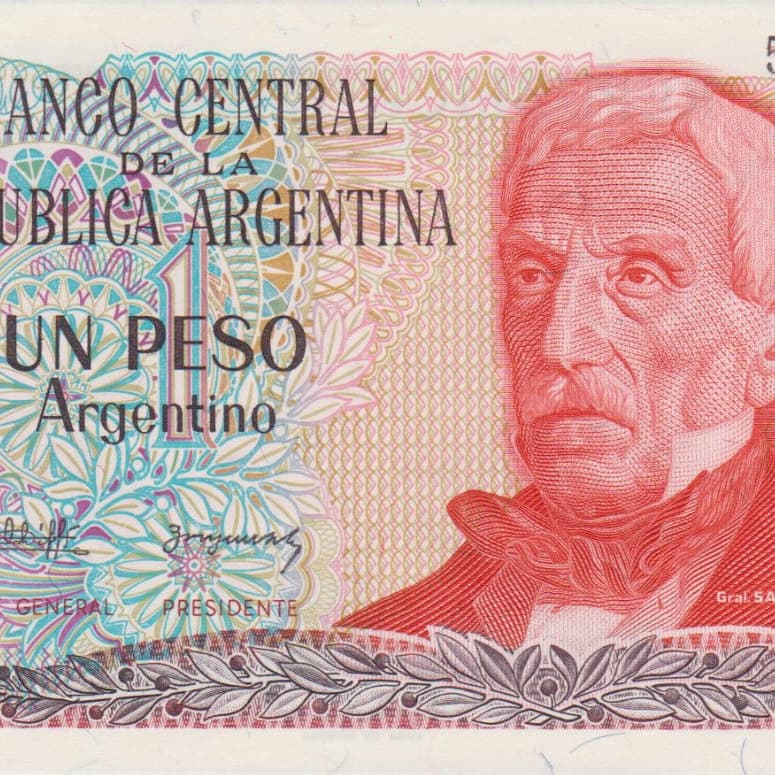
President Javier Milei’s administration has prioritized fiscal surpluses, disinflation from over 200 percent to around 33 percent annually, and Central Bank reserve accumulation through a managed peso float within inflation-adjusted bands, alongside expanded currency competition that permits greater dollar use in loans, deposits, and transactions. These measures, supported by a $20 billion IMF program and U.S. swap lines, have replaced the initial campaign emphasis on formal dollarization with gradual liberalization and BCRA charter reforms limiting Treasury financing. No legislation or executive steps have advanced official adoption of the dollar as legal tender or closure of the central bank. Traders assign low probabilities to near-term dollarization by late 2026, reflecting ongoing debt-service pressures, reserve targets, and the preference for the current stabilization path over abrupt monetary regime change.
Eksperimental na AI-generated summary na nire-reference ang Polymarket data. Hindi ito trading advice at wala itong papel sa kung paano nire-resolve ang market na ito. · Na-update$45,903 Vol.
December 31, 2026
7%
$45,903 Vol.
December 31, 2026
7%
An announcement that dollarization will begin will not be sufficient to resolve this market to "Yes" - for this market to resolve to "Yes", dollarization must have actually begun.
Note: a peg does not need to be 1:1 to USD.
This market's resolution source will be a consensus of credible reporting indicating either of the listed scenarios have begun.
Binuksan ang Market: Jun 28, 2026, 5:48 PM ET
Resolver
0x65070BE91...An announcement that dollarization will begin will not be sufficient to resolve this market to "Yes" - for this market to resolve to "Yes", dollarization must have actually begun.
Note: a peg does not need to be 1:1 to USD.
This market's resolution source will be a consensus of credible reporting indicating either of the listed scenarios have begun.
Resolver
0x65070BE91...President Javier Milei’s administration has prioritized fiscal surpluses, disinflation from over 200 percent to around 33 percent annually, and Central Bank reserve accumulation through a managed peso float within inflation-adjusted bands, alongside expanded currency competition that permits greater dollar use in loans, deposits, and transactions. These measures, supported by a $20 billion IMF program and U.S. swap lines, have replaced the initial campaign emphasis on formal dollarization with gradual liberalization and BCRA charter reforms limiting Treasury financing. No legislation or executive steps have advanced official adoption of the dollar as legal tender or closure of the central bank. Traders assign low probabilities to near-term dollarization by late 2026, reflecting ongoing debt-service pressures, reserve targets, and the preference for the current stabilization path over abrupt monetary regime change.
Eksperimental na AI-generated summary na nire-reference ang Polymarket data. Hindi ito trading advice at wala itong papel sa kung paano nire-resolve ang market na ito. · Na-update

Mag-ingat sa mga external link.
Mag-ingat sa mga external link.
Mga Madalas na Tanong