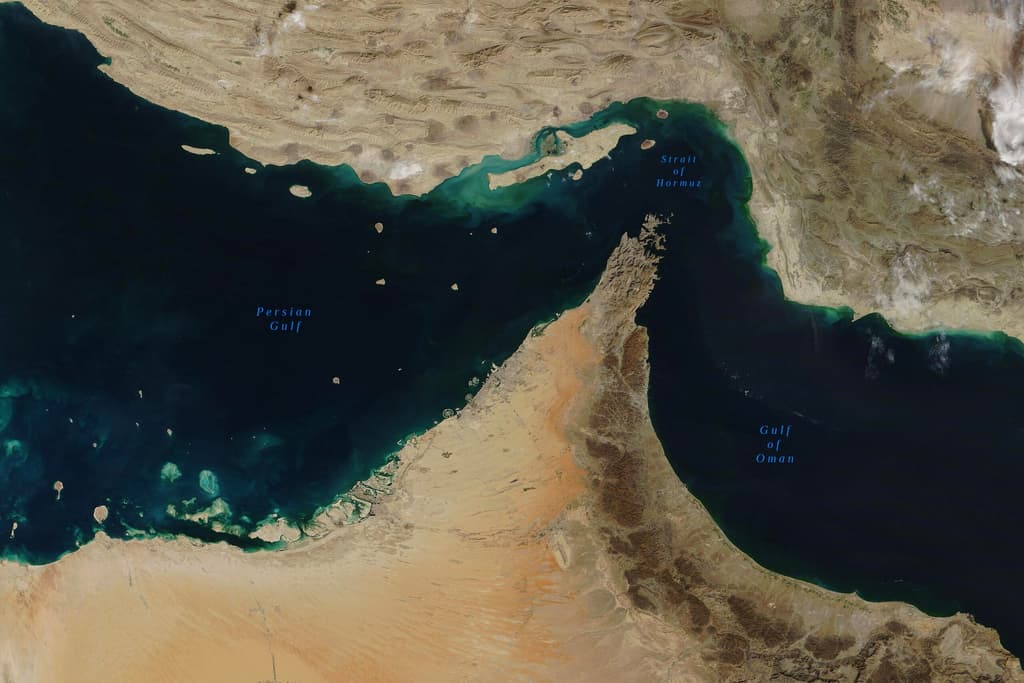
Trader consensus on Polymarket prices a 66.5% implied probability for Strait of Hormuz traffic returning to normal—defined by IMF Portwatch's 7-day moving average reaching pre-crisis levels—by end-June, reflecting cautious optimism amid the US-Iran ceasefire announced April 8 despite persistent disruptions. Ship transits remain below 10% of normal volumes (7 vessels daily versus 140 typical), dominated by Iran-linked tankers, as mutual blockades and insurance war-risk premia deter commercial flows five days post-ceasefire. Economic pressures from surging tanker rates and global oil supply risks (20% of seaborne trade) underpin expectations of gradual normalization, with key catalysts including ceasefire extensions, diplomatic negotiations, and upcoming weekly transit data monitoring backlog clearance.
Experimentelle KI-generierte Zusammenfassung mit Polymarket-Daten. Dies ist keine Handelsberatung und spielt keine Rolle bei der Auflösung dieses Marktes. · AktualisiertStrait of Hormuz traffic returns to normal by end of June?
Strait of Hormuz traffic returns to normal by end of June?
$18,132 Vol.
$18,132 Vol.
$18,132 Vol.
$18,132 Vol.
Daily transit calls include container, dry bulk, roll-on/roll-off, general cargo, and tanker ships. Ships not reported by IMF Portwatch will not be considered.
This market will resolve as soon as IMF Portwatch publishes a 7-day moving average of transit calls equal to or above the specified level, or once data has been published for the final date in the specified period and no such value has been published. If no data has been published for the final date of the specified period within 14 calendar days (ET) after the end of that period, this market will resolve based on data published up to that point.
Revisions to previously published data points made within this market’s timeframe will be considered. However, they will not disqualify a previously published data point from qualifying. Revisions to previously published data points after data is published for June 30, 2026, however, will not be considered.
The resolution source for this market will be IMF Portwatch, specifically the transit calls data published for the Strait of Hormuz at https://portwatch.imf.org/pages/cb5856222a5b4105adc6ee7e880a1730, both in the chart and through downloadable files.
Markt eröffnet: Apr 13, 2026, 6:14 PM ET
Resolver
0x65070BE91...Daily transit calls include container, dry bulk, roll-on/roll-off, general cargo, and tanker ships. Ships not reported by IMF Portwatch will not be considered.
This market will resolve as soon as IMF Portwatch publishes a 7-day moving average of transit calls equal to or above the specified level, or once data has been published for the final date in the specified period and no such value has been published. If no data has been published for the final date of the specified period within 14 calendar days (ET) after the end of that period, this market will resolve based on data published up to that point.
Revisions to previously published data points made within this market’s timeframe will be considered. However, they will not disqualify a previously published data point from qualifying. Revisions to previously published data points after data is published for June 30, 2026, however, will not be considered.
The resolution source for this market will be IMF Portwatch, specifically the transit calls data published for the Strait of Hormuz at https://portwatch.imf.org/pages/cb5856222a5b4105adc6ee7e880a1730, both in the chart and through downloadable files.
Resolver
0x65070BE91...Trader consensus on Polymarket prices a 66.5% implied probability for Strait of Hormuz traffic returning to normal—defined by IMF Portwatch's 7-day moving average reaching pre-crisis levels—by end-June, reflecting cautious optimism amid the US-Iran ceasefire announced April 8 despite persistent disruptions. Ship transits remain below 10% of normal volumes (7 vessels daily versus 140 typical), dominated by Iran-linked tankers, as mutual blockades and insurance war-risk premia deter commercial flows five days post-ceasefire. Economic pressures from surging tanker rates and global oil supply risks (20% of seaborne trade) underpin expectations of gradual normalization, with key catalysts including ceasefire extensions, diplomatic negotiations, and upcoming weekly transit data monitoring backlog clearance.
Experimentelle KI-generierte Zusammenfassung mit Polymarket-Daten. Dies ist keine Handelsberatung und spielt keine Rolle bei der Auflösung dieses Marktes. · Aktualisiert
Vorsicht bei externen Links.
Vorsicht bei externen Links.
Häufig gestellte Fragen