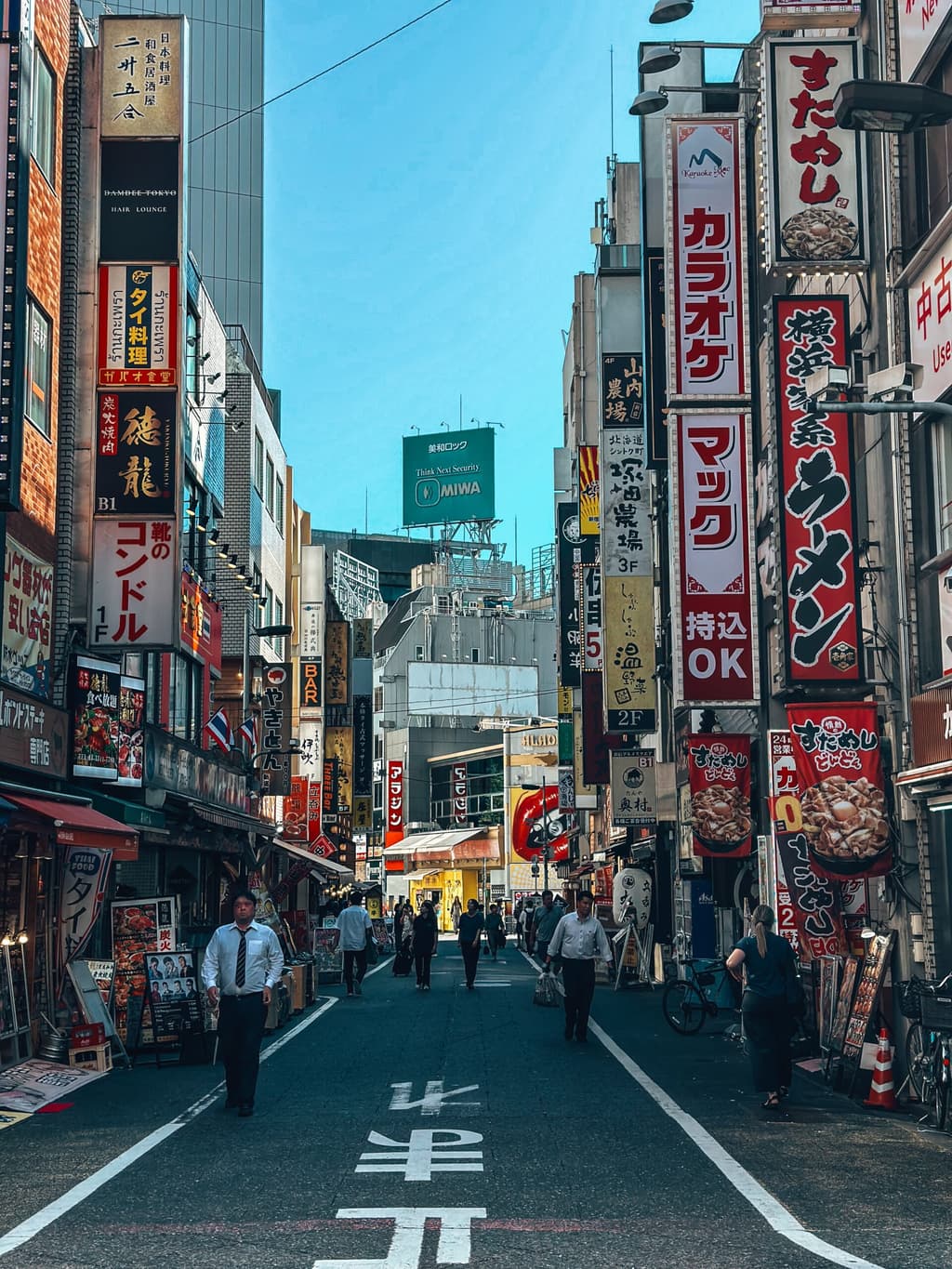
Current short-range forecasts from the Japan Meteorological Agency and regional models indicate a Tokyo overnight low near the 21.1 °C July normal, with widespread cloud cover and scattered showers expected to limit radiative cooling. High humidity and light winds further suppress temperature drops, while the urban heat-island effect adds a modest warming bias. These conditions produce tight clustering around 21–22 °C in the market, with 23 °C or higher priced lower due to limited daytime heating carry-over and 20 °C or below discounted by the absence of clear-sky advection of cooler air. Updated model runs over the next 48 hours will refine the balance between cloud thickness and boundary-layer mixing.
Résumé expérimental généré par IA à partir des données Polymarket. Ceci n'est pas un conseil de trading et ne joue aucun rôle dans la résolution de ce marché. · Mis à jourLa température la plus basse à Tokyo le 2 juillet ?
La température la plus basse à Tokyo le 2 juillet ?
20°C 100.0%
17°C ou moins <1%
18°C <1%
19°C <1%
$23,302 Vol.
$23,302 Vol.
2 juil. 2026
17°C ou moins
Non
18°C
Non
19°C
Non
20°C
Oui
21°C
Non
22°C
Non
23°C
Non
24°C
Non
25°C
Non
26°C
Non
27°C ou plus
Non
20°C 100.0%
17°C ou moins <1%
18°C <1%
19°C <1%
$23,302 Vol.
$23,302 Vol.
2 juil. 2026
17°C ou moins
$1,896 Vol.
Non
18°C
$1,200 Vol.
Non
19°C
$3,022 Vol.
Non
20°C
$2,820 Vol.
Oui
21°C
$4,846 Vol.
Non
22°C
$2,078 Vol.
Non
23°C
$1,668 Vol.
Non
24°C
$1,891 Vol.
Non
25°C
$1,429 Vol.
Non
26°C
$1,479 Vol.
Non
27°C ou plus
$974 Vol.
Non
This market will resolve to the temperature range that contains the lowest temperature recorded at the Tokyo Haneda Airport Station in degrees Celsius on 2 Jul '26.
The resolution source for this market will be information from Wunderground, specifically the lowest temperature recorded for all times on this day for the Tokyo Haneda Airport Station, available here: https://www.wunderground.com/history/daily/jp/tokyo/RJTT.
To toggle between Fahrenheit and Celsius, click the gear icon next to the search bar and switch the Temperature setting between °F and °C.
This market can not resolve until the first data point for the following date has been published on the resolution source.
The resolution source for this market measures temperatures to whole degrees Celsius (eg, 9°C). Thus, this is the level of precision that will be used when resolving the market.
Revisions to temperatures recorded within this market's timeframe will be considered until the first datapoint for the following date has been published, after which any alterations will not be considered.Current short-range forecasts from the Japan Meteorological Agency and regional models indicate a Tokyo overnight low near the 21.1 °C July normal, with widespread cloud cover and scattered showers expected to limit radiative cooling. High humidity and light winds further suppress temperature drops, while the urban heat-island effect adds a modest warming bias. These conditions produce tight clustering around 21–22 °C in the market, with 23 °C or higher priced lower due to limited daytime heating carry-over and 20 °C or below discounted by the absence of clear-sky advection of cooler air. Updated model runs over the next 48 hours will refine the balance between cloud thickness and boundary-layer mixing.
This market will resolve to the temperature range that contains the lowest temperature recorded at the Tokyo Haneda Airport Station in degrees Celsius on 2 Jul '26.
The resolution source for this market will be information from Wunderground, specifically the lowest temperature recorded for all times on this day for the Tokyo Haneda Airport Station, available here: https://www.wunderground.com/history/daily/jp/tokyo/RJTT.
To toggle between Fahrenheit and Celsius, click the gear icon next to the search bar and switch the Temperature setting between °F and °C.
This market can not resolve until the first data point for the following date has been published on the resolution source.
The resolution source for this market measures temperatures to whole degrees Celsius (eg, 9°C). Thus, this is the level of precision that will be used when resolving the market.
Revisions to temperatures recorded within this market's timeframe will be considered until the first datapoint for the following date has been published, after which any alterations will not be considered.
The resolution source for this market will be information from Wunderground, specifically the lowest temperature recorded for all times on this day for the Tokyo Haneda Airport Station, available here: https://www.wunderground.com/history/daily/jp/tokyo/RJTT.
To toggle between Fahrenheit and Celsius, click the gear icon next to the search bar and switch the Temperature setting between °F and °C.
This market can not resolve until the first data point for the following date has been published on the resolution source.
The resolution source for this market measures temperatures to whole degrees Celsius (eg, 9°C). Thus, this is the level of precision that will be used when resolving the market.
Revisions to temperatures recorded within this market's timeframe will be considered until the first datapoint for the following date has been published, after which any alterations will not be considered.
Marché ouvert : Jun 30, 2026, 12:30 AM ET
Volume
$23,302Date de fin
2 juil. 2026Marché ouvert
Jun 30, 2026, 12:30 AM ETSource de résolution
https://www.wunderground.com/history/daily/jp/tokyo/RJTTResolver
0x69c47De9D...Résultat proposé: Non
Aucune contestation
Résultat final: Non
This market will resolve to the temperature range that contains the lowest temperature recorded at the Tokyo Haneda Airport Station in degrees Celsius on 2 Jul '26.
The resolution source for this market will be information from Wunderground, specifically the lowest temperature recorded for all times on this day for the Tokyo Haneda Airport Station, available here: https://www.wunderground.com/history/daily/jp/tokyo/RJTT.
To toggle between Fahrenheit and Celsius, click the gear icon next to the search bar and switch the Temperature setting between °F and °C.
This market can not resolve until the first data point for the following date has been published on the resolution source.
The resolution source for this market measures temperatures to whole degrees Celsius (eg, 9°C). Thus, this is the level of precision that will be used when resolving the market.
Revisions to temperatures recorded within this market's timeframe will be considered until the first datapoint for the following date has been published, after which any alterations will not be considered.Current short-range forecasts from the Japan Meteorological Agency and regional models indicate a Tokyo overnight low near the 21.1 °C July normal, with widespread cloud cover and scattered showers expected to limit radiative cooling. High humidity and light winds further suppress temperature drops, while the urban heat-island effect adds a modest warming bias. These conditions produce tight clustering around 21–22 °C in the market, with 23 °C or higher priced lower due to limited daytime heating carry-over and 20 °C or below discounted by the absence of clear-sky advection of cooler air. Updated model runs over the next 48 hours will refine the balance between cloud thickness and boundary-layer mixing.
This market will resolve to the temperature range that contains the lowest temperature recorded at the Tokyo Haneda Airport Station in degrees Celsius on 2 Jul '26.
The resolution source for this market will be information from Wunderground, specifically the lowest temperature recorded for all times on this day for the Tokyo Haneda Airport Station, available here: https://www.wunderground.com/history/daily/jp/tokyo/RJTT.
To toggle between Fahrenheit and Celsius, click the gear icon next to the search bar and switch the Temperature setting between °F and °C.
This market can not resolve until the first data point for the following date has been published on the resolution source.
The resolution source for this market measures temperatures to whole degrees Celsius (eg, 9°C). Thus, this is the level of precision that will be used when resolving the market.
Revisions to temperatures recorded within this market's timeframe will be considered until the first datapoint for the following date has been published, after which any alterations will not be considered.
The resolution source for this market will be information from Wunderground, specifically the lowest temperature recorded for all times on this day for the Tokyo Haneda Airport Station, available here: https://www.wunderground.com/history/daily/jp/tokyo/RJTT.
To toggle between Fahrenheit and Celsius, click the gear icon next to the search bar and switch the Temperature setting between °F and °C.
This market can not resolve until the first data point for the following date has been published on the resolution source.
The resolution source for this market measures temperatures to whole degrees Celsius (eg, 9°C). Thus, this is the level of precision that will be used when resolving the market.
Revisions to temperatures recorded within this market's timeframe will be considered until the first datapoint for the following date has been published, after which any alterations will not be considered.
Volume
$23,302Date de fin
2 juil. 2026Marché ouvert
Jun 30, 2026, 12:30 AM ETSource de résolution
https://www.wunderground.com/history/daily/jp/tokyo/RJTTResolver
0x69c47De9D...Résultat proposé: Non
Aucune contestation
Résultat final: Non
Current short-range forecasts from the Japan Meteorological Agency and regional models indicate a Tokyo overnight low near the 21.1 °C July normal, with widespread cloud cover and scattered showers expected to limit radiative cooling. High humidity and light winds further suppress temperature drops, while the urban heat-island effect adds a modest warming bias. These conditions produce tight clustering around 21–22 °C in the market, with 23 °C or higher priced lower due to limited daytime heating carry-over and 20 °C or below discounted by the absence of clear-sky advection of cooler air. Updated model runs over the next 48 hours will refine the balance between cloud thickness and boundary-layer mixing.
Résumé expérimental généré par IA à partir des données Polymarket. Ceci n'est pas un conseil de trading et ne joue aucun rôle dans la résolution de ce marché. · Mis à jour
Méfiez-vous des liens externes.
Méfiez-vous des liens externes.
Questions fréquentes