
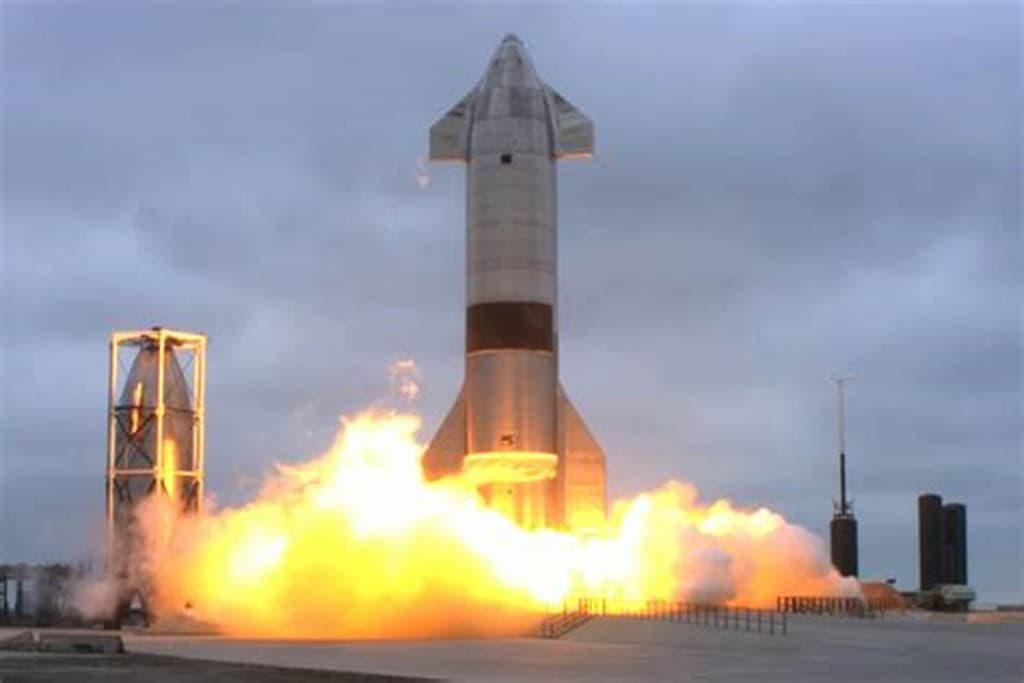
SpaceX’s addition of docking ports, drogues, and propellant feed connections on Starship Version 3 vehicles, along with DragonEye navigation sensors, has positioned the company to attempt the first ship-to-ship rendezvous and propellant transfer demonstration in low Earth orbit before year-end. Official updates target the multi-launch sequence—initial depot Starship followed weeks later by a tanker—for late 2026, directly supporting NASA’s Artemis Human Landing System requirements and future Mars architecture. Recent Flight 13 testing and ongoing V3 hardware validation continue to build operational confidence, though regulatory approvals, launch cadence, and successful autonomous docking remain key swing factors that could shift timelines.
สรุปจาก AI ทดลองที่อ้างอิงข้อมูลจาก Polymarket ไม่ใช่คำแนะนำในการเทรดและไม่มีผลต่อการตัดสินตลาดนี้ · อัปเดตแล้ว$59,594 ปริมาณ
Dec 31, 2026
December 31, 2026
12%
December 31, 2027
61%
$59,594 ปริมาณ
December 31, 2026
$38,807 ปริมาณ
12%
December 31, 2027
$20,787 ปริมาณ
61%
This market will resolve to “Yes” if two SpaceX Starships successfully execute a docking maneuver in a stable Earth orbit between market creation and the listed date, 11:59 PM ET. Otherwise, this market will resolve to “No”.
A qualifying docking maneuver must physically join two vessels, matching in velocity, into a connected structure via mating hardware for at least 60 continuous seconds. The two vessels must be in stable Earth orbit with a perigee of at least 100 kilometers above the Earth’s surface.
The docking of any two SpaceX vessels which each serve as an integrated rocket-and-spacecraft and both equal or exceed Starship in scale will qualify regardless of their contents or variant (standard, tanker, depot, HLS, test article, etc.). The two vessels must be free-flying. Any capsule or payload carried to orbit exclusively atop a separate launch vehicle will not qualify. If either vessel is passively placed into the mating interface of the other vessel, that conjunction will not qualify.
The resolution source for this market will be a consensus of credible reporting.SpaceX’s addition of docking ports, drogues, and propellant feed connections on Starship Version 3 vehicles, along with DragonEye navigation sensors, has positioned the company to attempt the first ship-to-ship rendezvous and propellant transfer demonstration in low Earth orbit before year-end. Official updates target the multi-launch sequence—initial depot Starship followed weeks later by a tanker—for late 2026, directly supporting NASA’s Artemis Human Landing System requirements and future Mars architecture. Recent Flight 13 testing and ongoing V3 hardware validation continue to build operational confidence, though regulatory approvals, launch cadence, and successful autonomous docking remain key swing factors that could shift timelines.
This market will resolve to “Yes” if two SpaceX Starships successfully execute a docking maneuver in a stable Earth orbit between market creation and the listed date, 11:59 PM ET. Otherwise, this market will resolve to “No”.
A qualifying docking maneuver must physically join two vessels, matching in velocity, into a connected structure via mating hardware for at least 60 continuous seconds. The two vessels must be in stable Earth orbit with a perigee of at least 100 kilometers above the Earth’s surface.
The docking of any two SpaceX vessels which each serve as an integrated rocket-and-spacecraft and both equal or exceed Starship in scale will qualify regardless of their contents or variant (standard, tanker, depot, HLS, test article, etc.). The two vessels must be free-flying. Any capsule or payload carried to orbit exclusively atop a separate launch vehicle will not qualify. If either vessel is passively placed into the mating interface of the other vessel, that conjunction will not qualify.
The resolution source for this market will be a consensus of credible reporting.
A qualifying docking maneuver must physically join two vessels, matching in velocity, into a connected structure via mating hardware for at least 60 continuous seconds. The two vessels must be in stable Earth orbit with a perigee of at least 100 kilometers above the Earth’s surface.
The docking of any two SpaceX vessels which each serve as an integrated rocket-and-spacecraft and both equal or exceed Starship in scale will qualify regardless of their contents or variant (standard, tanker, depot, HLS, test article, etc.). The two vessels must be free-flying. Any capsule or payload carried to orbit exclusively atop a separate launch vehicle will not qualify. If either vessel is passively placed into the mating interface of the other vessel, that conjunction will not qualify.
The resolution source for this market will be a consensus of credible reporting.
ตลาดเปิดเมื่อ: Jun 11, 2026, 1:09 PM ET
ปริมาณการซื้อขาย
$59,594วันสิ้นสุด
Dec 31, 2028ตลาดเปิดเมื่อ
Jun 11, 2026, 1:09 PM ETResolver
0x65070BE91...This market will resolve to “Yes” if two SpaceX Starships successfully execute a docking maneuver in a stable Earth orbit between market creation and the listed date, 11:59 PM ET. Otherwise, this market will resolve to “No”.
A qualifying docking maneuver must physically join two vessels, matching in velocity, into a connected structure via mating hardware for at least 60 continuous seconds. The two vessels must be in stable Earth orbit with a perigee of at least 100 kilometers above the Earth’s surface.
The docking of any two SpaceX vessels which each serve as an integrated rocket-and-spacecraft and both equal or exceed Starship in scale will qualify regardless of their contents or variant (standard, tanker, depot, HLS, test article, etc.). The two vessels must be free-flying. Any capsule or payload carried to orbit exclusively atop a separate launch vehicle will not qualify. If either vessel is passively placed into the mating interface of the other vessel, that conjunction will not qualify.
The resolution source for this market will be a consensus of credible reporting.SpaceX’s addition of docking ports, drogues, and propellant feed connections on Starship Version 3 vehicles, along with DragonEye navigation sensors, has positioned the company to attempt the first ship-to-ship rendezvous and propellant transfer demonstration in low Earth orbit before year-end. Official updates target the multi-launch sequence—initial depot Starship followed weeks later by a tanker—for late 2026, directly supporting NASA’s Artemis Human Landing System requirements and future Mars architecture. Recent Flight 13 testing and ongoing V3 hardware validation continue to build operational confidence, though regulatory approvals, launch cadence, and successful autonomous docking remain key swing factors that could shift timelines.
This market will resolve to “Yes” if two SpaceX Starships successfully execute a docking maneuver in a stable Earth orbit between market creation and the listed date, 11:59 PM ET. Otherwise, this market will resolve to “No”.
A qualifying docking maneuver must physically join two vessels, matching in velocity, into a connected structure via mating hardware for at least 60 continuous seconds. The two vessels must be in stable Earth orbit with a perigee of at least 100 kilometers above the Earth’s surface.
The docking of any two SpaceX vessels which each serve as an integrated rocket-and-spacecraft and both equal or exceed Starship in scale will qualify regardless of their contents or variant (standard, tanker, depot, HLS, test article, etc.). The two vessels must be free-flying. Any capsule or payload carried to orbit exclusively atop a separate launch vehicle will not qualify. If either vessel is passively placed into the mating interface of the other vessel, that conjunction will not qualify.
The resolution source for this market will be a consensus of credible reporting.
A qualifying docking maneuver must physically join two vessels, matching in velocity, into a connected structure via mating hardware for at least 60 continuous seconds. The two vessels must be in stable Earth orbit with a perigee of at least 100 kilometers above the Earth’s surface.
The docking of any two SpaceX vessels which each serve as an integrated rocket-and-spacecraft and both equal or exceed Starship in scale will qualify regardless of their contents or variant (standard, tanker, depot, HLS, test article, etc.). The two vessels must be free-flying. Any capsule or payload carried to orbit exclusively atop a separate launch vehicle will not qualify. If either vessel is passively placed into the mating interface of the other vessel, that conjunction will not qualify.
The resolution source for this market will be a consensus of credible reporting.
ปริมาณการซื้อขาย
$59,594วันสิ้นสุด
Dec 31, 2028ตลาดเปิดเมื่อ
Jun 11, 2026, 1:09 PM ETResolver
0x65070BE91...SpaceX’s addition of docking ports, drogues, and propellant feed connections on Starship Version 3 vehicles, along with DragonEye navigation sensors, has positioned the company to attempt the first ship-to-ship rendezvous and propellant transfer demonstration in low Earth orbit before year-end. Official updates target the multi-launch sequence—initial depot Starship followed weeks later by a tanker—for late 2026, directly supporting NASA’s Artemis Human Landing System requirements and future Mars architecture. Recent Flight 13 testing and ongoing V3 hardware validation continue to build operational confidence, though regulatory approvals, launch cadence, and successful autonomous docking remain key swing factors that could shift timelines.
สรุปจาก AI ทดลองที่อ้างอิงข้อมูลจาก Polymarket ไม่ใช่คำแนะนำในการเทรดและไม่มีผลต่อการตัดสินตลาดนี้ · อัปเดตแล้ว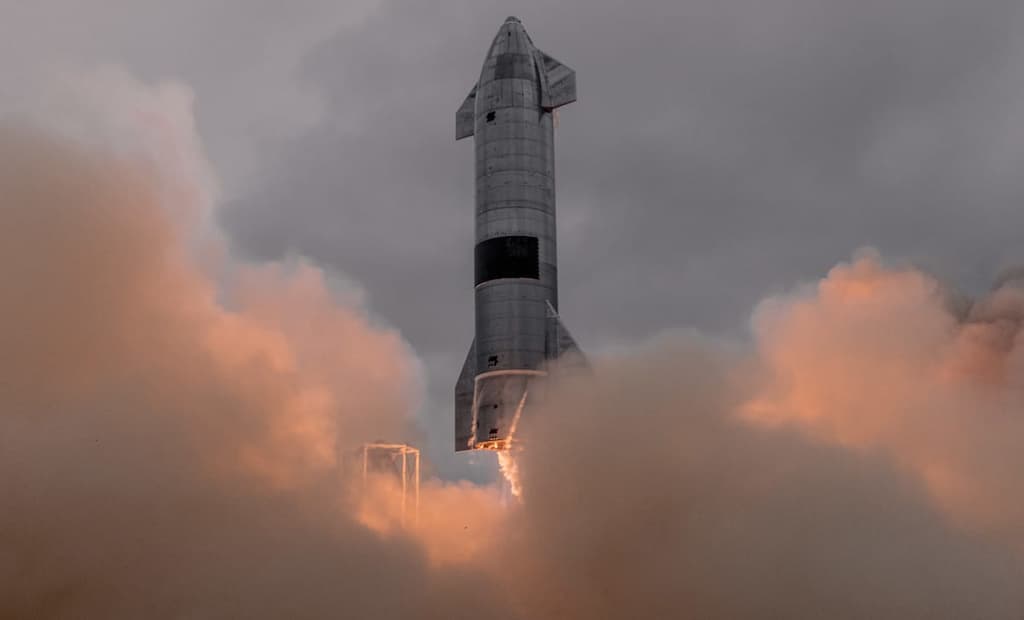
ระวังลิงก์ภายนอก
ระวังลิงก์ภายนอก
คำถามที่พบบ่อย