Para mag-trade sa US, pumunta sa polymarket.us

icon for All-time Pacific Category 5 hurricane record broken in 2026?

All-time Pacific Category 5 hurricane record broken in 2026?

icon for All-time Pacific Category 5 hurricane record broken in 2026?

All-time Pacific Category 5 hurricane record broken in 2026?

57% tsansa
Polymarket
BAGO
57% tsansa
Polymarket
BAGO
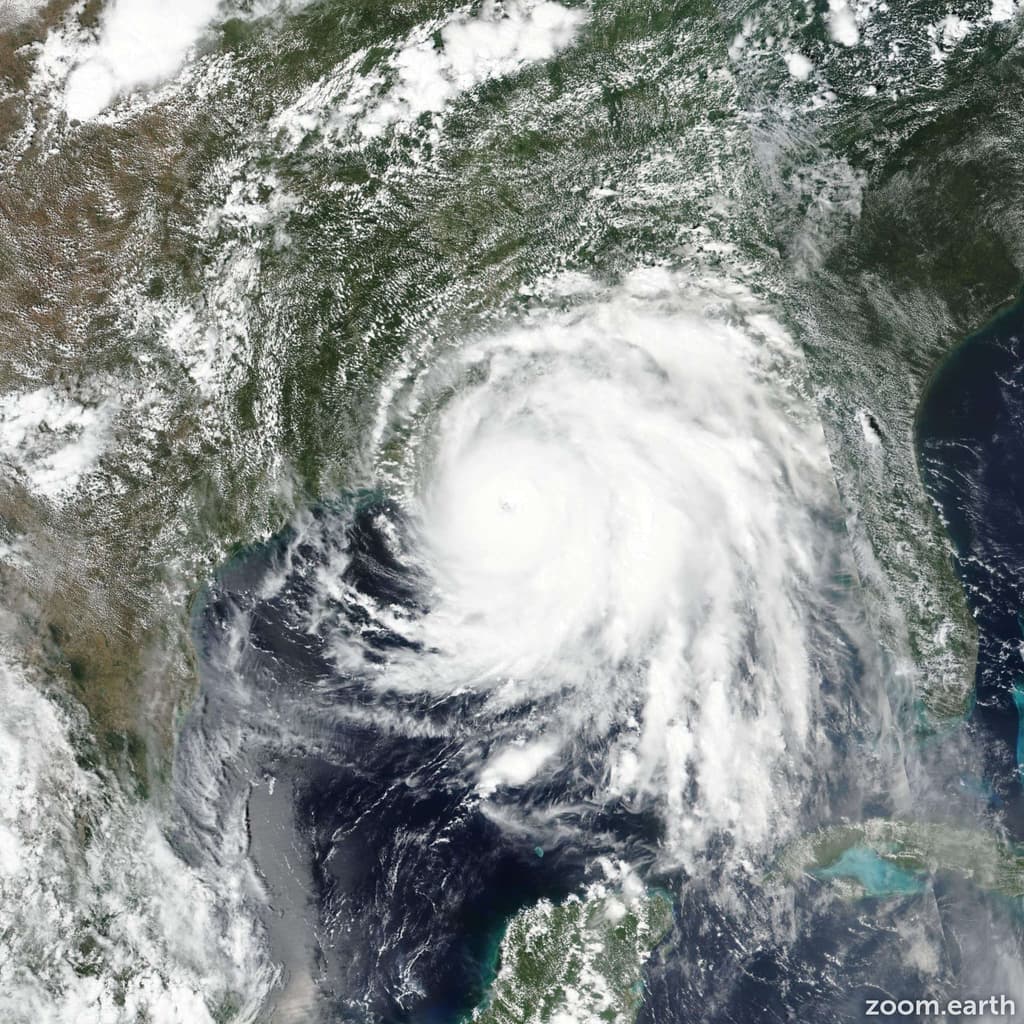
This market will resolve to "Yes" if four or more distinct tropical cyclones are assigned Category 5 intensity while located in the Pacific Ocean north of the equator and east of the International Date Line between January 1, 2026 and November 30, 2026, 11:59 PM ET. Otherwise, this market will resolve to "No". The record for this area is three in a single calendar year. A tropical cyclone is assigned Category 5 intensity when an operational advisory reports a maximum sustained wind speed (1-minute average) of at least 157 mph, corresponding to Category 5 on the Saffir-Simpson Hurricane Wind Scale. Operational advisories for this area are issued by the National Hurricane Center and the Central Pacific Hurricane Center. Each tropical cyclone counts once toward the total, no matter how many advisories or how many separate periods report it at Category 5 intensity. Hurricane Genevieve, Hurricane Lowell and Hurricane Polo have each been assigned Category 5 intensity in 2026 and each count toward this total, so one additional tropical cyclone is required for this market to resolve to "Yes". A tropical cyclone in any other basin, including the Atlantic, will not be considered for resolution. Being assigned Category 5 intensity at any single advisory within this period is sufficient for a tropical cyclone to count, regardless of its intensity at any other time. Once a fourth qualifying tropical cyclone has been reported at Category 5 intensity, this market will resolve to "Yes" regardless of that storm's subsequent intensity. This market will resolve based on the operational advisory data issued for a storm while it is active. Any revision to a storm's peak intensity or category published later in a post-storm best-track report or Tropical Cyclone Report will not be considered for resolution. If a correction to an advisory is issued to fix a clerical error, the corrected advisory will govern. The primary resolution source for this market will be the operational advisories issued by the National Oceanic and Atmospheric Administration's National Hurricane Center and Central Pacific Hurricane Center (https://www.nhc.noaa.gov/); however, a consensus of credible reporting may also be used.Hurricane Polo's rapid intensification to 180 mph winds and 892 mb pressure on September 22—making it the second-most intense Eastern Pacific storm on record by central pressure—has driven the 61.5% market-implied probability that the all-time Pacific Category 5 intensity record (Hurricane Patricia's 215 mph and 872 mb in 2015) will not be broken in 2026. A super El Niño has fueled an above-normal season with three Category 5 hurricanes so far (Genevieve, Lowell, and Polo), tying the single-season maximum, yet none have approached Patricia's benchmarks amid typical late-September steering patterns and cooling sea surface temperatures. National Hurricane Center forecasts and model consensus indicate limited remaining opportunities for further extreme strengthening before the season winds down.

This market will resolve to "Yes" if four or more distinct tropical cyclones are assigned Category 5 intensity while located in the Pacific Ocean north of the equator and east of the International Date Line between January 1, 2026 and November 30, 2026, 11:59 PM ET. Otherwise, this market will resolve to "No". The record for this area is three in a single calendar year.

A tropical cyclone is assigned Category 5 intensity when an operational advisory reports a maximum sustained wind speed (1-minute average) of at least 157 mph, corresponding to Category 5 on the Saffir-Simpson Hurricane Wind Scale. Operational advisories for this area are issued by the National Hurricane Center and the Central Pacific Hurricane Center.

Each tropical cyclone counts once toward the total, no matter how many advisories or how many separate periods report it at Category 5 intensity. Hurricane Genevieve, Hurricane Lowell and Hurricane Polo have each been assigned Category 5 intensity in 2026 and each count toward this total, so one additional tropical cyclone is required for this market to resolve to "Yes". A tropical cyclone in any other basin, including the Atlantic, will not be considered for resolution.

Being assigned Category 5 intensity at any single advisory within this period is sufficient for a tropical cyclone to count, regardless of its intensity at any other time. Once a fourth qualifying tropical cyclone has been reported at Category 5 intensity, this market will resolve to "Yes" regardless of that storm's subsequent intensity.

This market will resolve based on the operational advisory data issued for a storm while it is active. Any revision to a storm's peak intensity or category published later in a post-storm best-track report or Tropical Cyclone Report will not be considered for resolution. If a correction to an advisory is issued to fix a clerical error, the corrected advisory will govern.

The primary resolution source for this market will be the operational advisories issued by the National Oceanic and Atmospheric Administration's National Hurricane Center and Central Pacific Hurricane Center (https://www.nhc.noaa.gov/); however, a consensus of credible reporting may also be used.
This market will resolve to "Yes" if four or more distinct tropical cyclones are assigned Category 5 intensity while located in the Pacific Ocean north of the equator and east of the International Date Line between January 1, 2026 and November 30, 2026, 11:59 PM ET. Otherwise, this market will resolve to "No". The record for this area is three in a single calendar year. A tropical cyclone is assigned Category 5 intensity when an operational advisory reports a maximum sustained wind speed (1-minute average) of at least 157 mph, corresponding to Category 5 on the Saffir-Simpson Hurricane Wind Scale. Operational advisories for this area are issued by the National Hurricane Center and the Central Pacific Hurricane Center. Each tropical cyclone counts once toward the total, no matter how many advisories or how many separate periods report it at Category 5 intensity. Hurricane Genevieve, Hurricane Lowell and Hurricane Polo have each been assigned Category 5 intensity in 2026 and each count toward this total, so one additional tropical cyclone is required for this market to resolve to "Yes". A tropical cyclone in any other basin, including the Atlantic, will not be considered for resolution. Being assigned Category 5 intensity at any single advisory within this period is sufficient for a tropical cyclone to count, regardless of its intensity at any other time. Once a fourth qualifying tropical cyclone has been reported at Category 5 intensity, this market will resolve to "Yes" regardless of that storm's subsequent intensity. This market will resolve based on the operational advisory data issued for a storm while it is active. Any revision to a storm's peak intensity or category published later in a post-storm best-track report or Tropical Cyclone Report will not be considered for resolution. If a correction to an advisory is issued to fix a clerical error, the corrected advisory will govern. The primary resolution source for this market will be the operational advisories issued by the National Oceanic and Atmospheric Administration's National Hurricane Center and Central Pacific Hurricane Center (https://www.nhc.noaa.gov/); however, a consensus of credible reporting may also be used.
Volume
$286
Petsa ng Pagtatapos
Dec 1, 2026
Binuksan ang Market
Sep 22, 2026, 4:47 PM ET
This market will resolve to "Yes" if four or more distinct tropical cyclones are assigned Category 5 intensity while located in the Pacific Ocean north of the equator and east of the International Date Line between January 1, 2026 and November 30, 2026, 11:59 PM ET. Otherwise, this market will resolve to "No". The record for this area is three in a single calendar year. A tropical cyclone is assigned Category 5 intensity when an operational advisory reports a maximum sustained wind speed (1-minute average) of at least 157 mph, corresponding to Category 5 on the Saffir-Simpson Hurricane Wind Scale. Operational advisories for this area are issued by the National Hurricane Center and the Central Pacific Hurricane Center. Each tropical cyclone counts once toward the total, no matter how many advisories or how many separate periods report it at Category 5 intensity. Hurricane Genevieve, Hurricane Lowell and Hurricane Polo have each been assigned Category 5 intensity in 2026 and each count toward this total, so one additional tropical cyclone is required for this market to resolve to "Yes". A tropical cyclone in any other basin, including the Atlantic, will not be considered for resolution. Being assigned Category 5 intensity at any single advisory within this period is sufficient for a tropical cyclone to count, regardless of its intensity at any other time. Once a fourth qualifying tropical cyclone has been reported at Category 5 intensity, this market will resolve to "Yes" regardless of that storm's subsequent intensity. This market will resolve based on the operational advisory data issued for a storm while it is active. Any revision to a storm's peak intensity or category published later in a post-storm best-track report or Tropical Cyclone Report will not be considered for resolution. If a correction to an advisory is issued to fix a clerical error, the corrected advisory will govern. The primary resolution source for this market will be the operational advisories issued by the National Oceanic and Atmospheric Administration's National Hurricane Center and Central Pacific Hurricane Center (https://www.nhc.noaa.gov/); however, a consensus of credible reporting may also be used.Hurricane Polo's rapid intensification to 180 mph winds and 892 mb pressure on September 22—making it the second-most intense Eastern Pacific storm on record by central pressure—has driven the 61.5% market-implied probability that the all-time Pacific Category 5 intensity record (Hurricane Patricia's 215 mph and 872 mb in 2015) will not be broken in 2026. A super El Niño has fueled an above-normal season with three Category 5 hurricanes so far (Genevieve, Lowell, and Polo), tying the single-season maximum, yet none have approached Patricia's benchmarks amid typical late-September steering patterns and cooling sea surface temperatures. National Hurricane Center forecasts and model consensus indicate limited remaining opportunities for further extreme strengthening before the season winds down.

This market will resolve to "Yes" if four or more distinct tropical cyclones are assigned Category 5 intensity while located in the Pacific Ocean north of the equator and east of the International Date Line between January 1, 2026 and November 30, 2026, 11:59 PM ET. Otherwise, this market will resolve to "No". The record for this area is three in a single calendar year.

A tropical cyclone is assigned Category 5 intensity when an operational advisory reports a maximum sustained wind speed (1-minute average) of at least 157 mph, corresponding to Category 5 on the Saffir-Simpson Hurricane Wind Scale. Operational advisories for this area are issued by the National Hurricane Center and the Central Pacific Hurricane Center.

Each tropical cyclone counts once toward the total, no matter how many advisories or how many separate periods report it at Category 5 intensity. Hurricane Genevieve, Hurricane Lowell and Hurricane Polo have each been assigned Category 5 intensity in 2026 and each count toward this total, so one additional tropical cyclone is required for this market to resolve to "Yes". A tropical cyclone in any other basin, including the Atlantic, will not be considered for resolution.

Being assigned Category 5 intensity at any single advisory within this period is sufficient for a tropical cyclone to count, regardless of its intensity at any other time. Once a fourth qualifying tropical cyclone has been reported at Category 5 intensity, this market will resolve to "Yes" regardless of that storm's subsequent intensity.

This market will resolve based on the operational advisory data issued for a storm while it is active. Any revision to a storm's peak intensity or category published later in a post-storm best-track report or Tropical Cyclone Report will not be considered for resolution. If a correction to an advisory is issued to fix a clerical error, the corrected advisory will govern.

The primary resolution source for this market will be the operational advisories issued by the National Oceanic and Atmospheric Administration's National Hurricane Center and Central Pacific Hurricane Center (https://www.nhc.noaa.gov/); however, a consensus of credible reporting may also be used.
This market will resolve to "Yes" if four or more distinct tropical cyclones are assigned Category 5 intensity while located in the Pacific Ocean north of the equator and east of the International Date Line between January 1, 2026 and November 30, 2026, 11:59 PM ET. Otherwise, this market will resolve to "No". The record for this area is three in a single calendar year. A tropical cyclone is assigned Category 5 intensity when an operational advisory reports a maximum sustained wind speed (1-minute average) of at least 157 mph, corresponding to Category 5 on the Saffir-Simpson Hurricane Wind Scale. Operational advisories for this area are issued by the National Hurricane Center and the Central Pacific Hurricane Center. Each tropical cyclone counts once toward the total, no matter how many advisories or how many separate periods report it at Category 5 intensity. Hurricane Genevieve, Hurricane Lowell and Hurricane Polo have each been assigned Category 5 intensity in 2026 and each count toward this total, so one additional tropical cyclone is required for this market to resolve to "Yes". A tropical cyclone in any other basin, including the Atlantic, will not be considered for resolution. Being assigned Category 5 intensity at any single advisory within this period is sufficient for a tropical cyclone to count, regardless of its intensity at any other time. Once a fourth qualifying tropical cyclone has been reported at Category 5 intensity, this market will resolve to "Yes" regardless of that storm's subsequent intensity. This market will resolve based on the operational advisory data issued for a storm while it is active. Any revision to a storm's peak intensity or category published later in a post-storm best-track report or Tropical Cyclone Report will not be considered for resolution. If a correction to an advisory is issued to fix a clerical error, the corrected advisory will govern. The primary resolution source for this market will be the operational advisories issued by the National Oceanic and Atmospheric Administration's National Hurricane Center and Central Pacific Hurricane Center (https://www.nhc.noaa.gov/); however, a consensus of credible reporting may also be used.
Volume
$286
Petsa ng Pagtatapos
Dec 1, 2026
Binuksan ang Market
Sep 22, 2026, 4:47 PM ET

Mag-ingat sa mga external link.

Mga Madalas na Tanong

Ang "All-time Pacific Category 5 hurricane record broken in 2026?" ay isang prediction market sa Polymarket kung saan bumibili at nagbebenta ang mga trader ng "Yes" o "No" shares batay sa kung naniniwala silang mangyayari ang event na ito. Ang kasalukuyang crowd-sourced probability ay 57% para sa "Yes." Halimbawa, kung ang "Yes" ay naka-presyo sa 57¢, ang market ay kolektibong nagtatakda ng 57% na tsansa na mangyayari ang event na ito. Patuloy na nagbabago ang mga odds na ito habang tumutugon ang mga trader sa mga bagong development at impormasyon. Ang mga shares sa tamang outcome ay mare-redeem sa $1 bawat isa sa market resolution.

Ang "All-time Pacific Category 5 hurricane record broken in 2026?" ay isang bagong likhang market sa Polymarket, inilunsad noong Sep 22, 2026. Bilang isang maagang market, ito ang iyong pagkakataon na maging kabilang sa mga unang trader na magtakda ng odds at mag-establish ng mga paunang price signal ng market. Maaari mo ring i-bookmark ang pahinang ito para subaybayan ang volume at trading activity habang lumalaki ang market sa paglipas ng panahon.

Para mag-trade sa "All-time Pacific Category 5 hurricane record broken in 2026?," piliin lang kung naniniwala ka na ang sagot ay "Yes" o "No." Ang bawat panig ay may kasalukuyang presyo na sumasalamin sa implied probability ng market. Ilagay ang iyong halaga at i-click ang "Trade." Kung bibili ka ng "Yes" shares at na-resolve ang outcome bilang "Yes," nagbabayad ang bawat share ng $1. Kung na-resolve bilang "No," ang iyong "Yes" shares ay nagkakahalaga ng $0. Maaari ka ring magbenta ng iyong shares anumang oras bago ang resolution kung gusto mong i-lock in ang kita o bawasan ang pagkalugi.

Ang kasalukuyang probability para sa "All-time Pacific Category 5 hurricane record broken in 2026?" ay 57% para sa "Yes." Ibig sabihin nito na kasalukuyang naniniwala ang Polymarket crowd na may 57% tsansa na mangyayari ang event na ito. Nag-a-update ang mga odds na ito sa real-time batay sa actual trades, na nagbibigay ng patuloy na ina-update na signal kung ano ang inaasahan ng market na mangyayari.

Ang mga resolution rules para sa "All-time Pacific Category 5 hurricane record broken in 2026?" ay tiyak na nagde-define kung ano ang kailangang mangyari para sa bawat outcome na maideklara bilang panalo — kasama ang mga opisyal na data source na ginagamit para matukoy ang resulta. Maaari mong i-review ang kumpletong resolution criteria sa "Rules" section sa pahinang ito sa itaas ng mga komento. Inirerekomenda namin na basahin nang mabuti ang mga patakaran bago mag-trade, dahil tinutukoy nila ang mga tiyak na kondisyon, edge cases, at mga source na namamahala kung paano nise-settle ang market na ito.