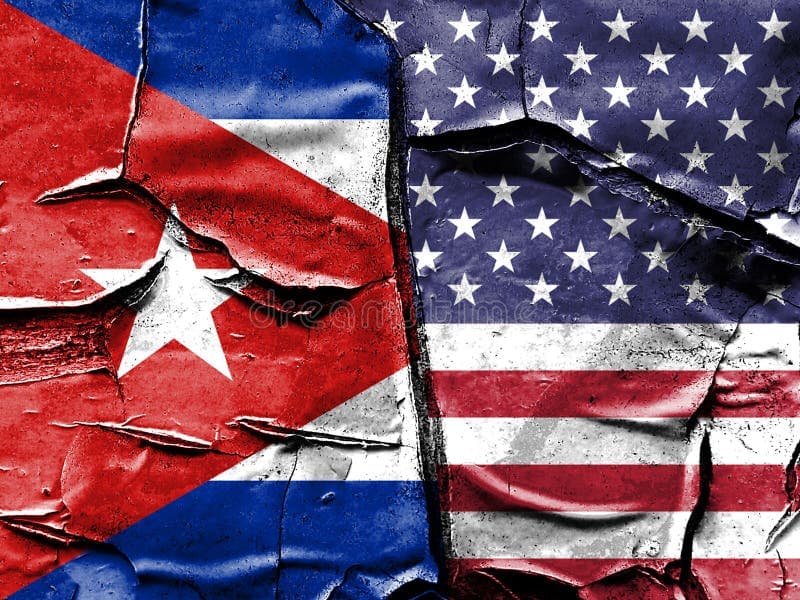
The Trump administration’s post-Venezuela strategy has centered on an energy blockade and sanctions targeting Cuba’s oil imports since January 2026, triggering acute fuel shortages, blackouts, and economic strain that Cuban leaders describe as an existential crisis. Executive orders, tariffs on third-country suppliers, and the Justice Department’s indictment of Raúl Castro over the 1996 plane shootdown have intensified legal and diplomatic pressure, while naval assets including the USS Nimitz carrier group, Marine units, and expanded surveillance flights signal military options under review. Cuban ties to Russia, Iran, and China—evidenced by drone acquisitions and reported intelligence facilities—feature in U.S. national-security assessments, alongside mixed signals of backchannel talks and aid offers conditioned on reforms. Traders weigh these developments against the absence of strikes to date, upcoming midterm elections, and Cuba’s entrenched regime as key variables shaping probabilities for limited action versus continued coercion.
สรุปจาก AI ทดลองที่อ้างอิงข้อมูลจาก Polymarket ไม่ใช่คำแนะนำในการเทรดและไม่มีผลต่อการตัดสินตลาดนี้ · อัปเดตแล้วการดำเนินการทางทหารของสหรัฐกับคิวบาโดย...?
การดำเนินการทางทหารของสหรัฐกับคิวบาโดย...?
$7,281,228 ปริมาณ
31 ธันวาคม
19%
$7,281,228 ปริมาณ
31 ธันวาคม
19%
For the purposes of this market, a qualifying "strike" is defined as the use of aerial bombs, drones, or missiles (including FPV and ATGM strikes as well as cruise or ballistic missiles) launched by any United States operatives, including military forces, intelligence agencies, or other U.S. government operatives, that physically impact ground territory within the listed country.
A strike on any area within the terrestrial territory (including rivers, lakes, ports, but excluding territorial sea) of the listed country counts.
Missiles or drones that are intercepted and surface-to-air missile strikes will not be sufficient for a "Yes" resolution, regardless of whether they land territory or cause damage.
Actions such as artillery fire, small arms fire, ground incursions, naval shelling, or cyberattacks will not qualify.
Any strike occurring during this market’s timeframe that is claimed by either Donald Trump or the U.S. government will qualify.
The primary resolution source will be a consensus of credible reporting.
This market will remain open until the end of the second day after the resolution time. If the date/time of a qualifying strike cannot be confirmed by a consensus of credible reporting by that time, it will resolve to "No" regardless of whether a strike was later confirmed to have taken place.
ตลาดเปิดเมื่อ: Jan 4, 2026, 3:08 PM ET
Resolver
0x65070BE91...For the purposes of this market, a qualifying "strike" is defined as the use of aerial bombs, drones, or missiles (including FPV and ATGM strikes as well as cruise or ballistic missiles) launched by any United States operatives, including military forces, intelligence agencies, or other U.S. government operatives, that physically impact ground territory within the listed country.
A strike on any area within the terrestrial territory (including rivers, lakes, ports, but excluding territorial sea) of the listed country counts.
Missiles or drones that are intercepted and surface-to-air missile strikes will not be sufficient for a "Yes" resolution, regardless of whether they land territory or cause damage.
Actions such as artillery fire, small arms fire, ground incursions, naval shelling, or cyberattacks will not qualify.
Any strike occurring during this market’s timeframe that is claimed by either Donald Trump or the U.S. government will qualify.
The primary resolution source will be a consensus of credible reporting.
This market will remain open until the end of the second day after the resolution time. If the date/time of a qualifying strike cannot be confirmed by a consensus of credible reporting by that time, it will resolve to "No" regardless of whether a strike was later confirmed to have taken place.
Resolver
0x65070BE91...The Trump administration’s post-Venezuela strategy has centered on an energy blockade and sanctions targeting Cuba’s oil imports since January 2026, triggering acute fuel shortages, blackouts, and economic strain that Cuban leaders describe as an existential crisis. Executive orders, tariffs on third-country suppliers, and the Justice Department’s indictment of Raúl Castro over the 1996 plane shootdown have intensified legal and diplomatic pressure, while naval assets including the USS Nimitz carrier group, Marine units, and expanded surveillance flights signal military options under review. Cuban ties to Russia, Iran, and China—evidenced by drone acquisitions and reported intelligence facilities—feature in U.S. national-security assessments, alongside mixed signals of backchannel talks and aid offers conditioned on reforms. Traders weigh these developments against the absence of strikes to date, upcoming midterm elections, and Cuba’s entrenched regime as key variables shaping probabilities for limited action versus continued coercion.
สรุปจาก AI ทดลองที่อ้างอิงข้อมูลจาก Polymarket ไม่ใช่คำแนะนำในการเทรดและไม่มีผลต่อการตัดสินตลาดนี้ · อัปเดตแล้ว

ระวังลิงก์ภายนอก
ระวังลิงก์ภายนอก
คำถามที่พบบ่อย