
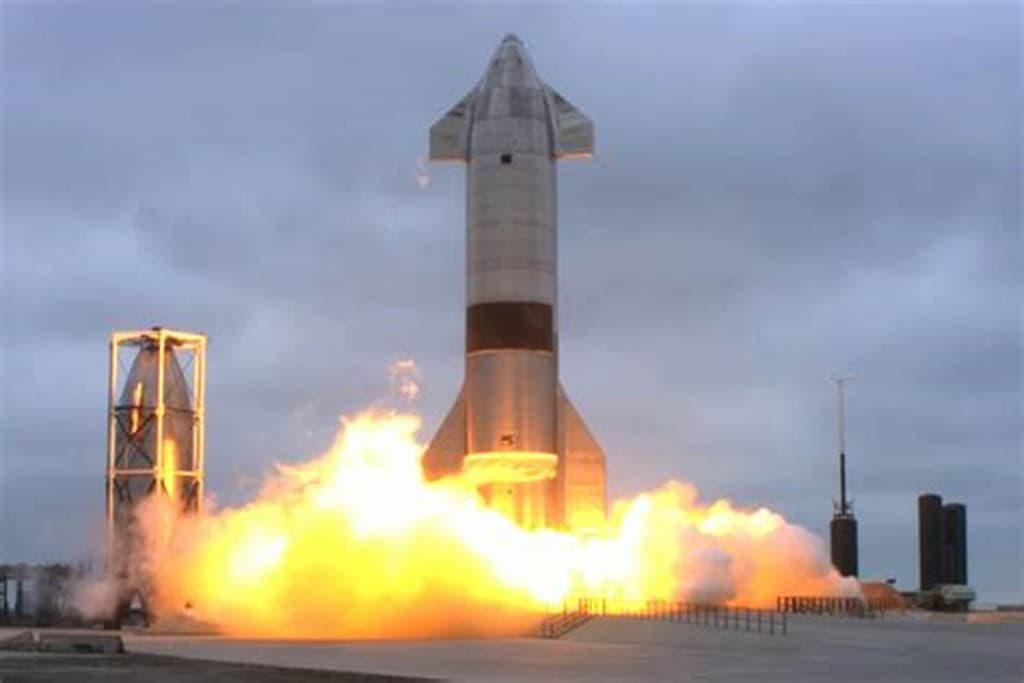
SpaceX has equipped Starship V3 vehicles with docking ports, drogues, and propellant transfer connections specifically for ship-to-ship operations, building on DragonEye sensors proven during ISS dockings. A full orbital rendezvous and cryogenic propellant transfer demonstration between two Starships remains targeted for 2026, following the first V3 orbital flights expected later this year. Achieving this requires rapid launch cadence, precise autonomous navigation, and regulatory approvals amid ongoing development delays for Artemis-related refueling. Traders focus on hardware qualification progress, test flight outcomes, and any shifts in Elon Musk’s timelines, as successful docking would validate in-space refueling critical for lunar and Mars missions while highlighting technical risks in multi-vehicle coordination.
Експериментальне резюме, згенероване ШІ з посиланням на дані Polymarket. Це не торгова порада і не впливає на вирішення цього ринку. · ОновленоTwo SpaceX Starships dock together by…?
Two SpaceX Starships dock together by…?
$59,702 Обс.
December 31, 2026
12%
December 31, 2027
59%
$59,702 Обс.
December 31, 2026
12%
December 31, 2027
59%
A qualifying docking maneuver must physically join two vessels, matching in velocity, into a connected structure via mating hardware for at least 60 continuous seconds. The two vessels must be in stable Earth orbit with a perigee of at least 100 kilometers above the Earth’s surface.
The docking of any two SpaceX vessels which each serve as an integrated rocket-and-spacecraft and both equal or exceed Starship in scale will qualify regardless of their contents or variant (standard, tanker, depot, HLS, test article, etc.). The two vessels must be free-flying. Any capsule or payload carried to orbit exclusively atop a separate launch vehicle will not qualify. If either vessel is passively placed into the mating interface of the other vessel, that conjunction will not qualify.
The resolution source for this market will be a consensus of credible reporting.
Ринок відкрито: Jun 11, 2026, 1:09 PM ET
Resolver
0x65070BE91...A qualifying docking maneuver must physically join two vessels, matching in velocity, into a connected structure via mating hardware for at least 60 continuous seconds. The two vessels must be in stable Earth orbit with a perigee of at least 100 kilometers above the Earth’s surface.
The docking of any two SpaceX vessels which each serve as an integrated rocket-and-spacecraft and both equal or exceed Starship in scale will qualify regardless of their contents or variant (standard, tanker, depot, HLS, test article, etc.). The two vessels must be free-flying. Any capsule or payload carried to orbit exclusively atop a separate launch vehicle will not qualify. If either vessel is passively placed into the mating interface of the other vessel, that conjunction will not qualify.
The resolution source for this market will be a consensus of credible reporting.
Resolver
0x65070BE91...SpaceX has equipped Starship V3 vehicles with docking ports, drogues, and propellant transfer connections specifically for ship-to-ship operations, building on DragonEye sensors proven during ISS dockings. A full orbital rendezvous and cryogenic propellant transfer demonstration between two Starships remains targeted for 2026, following the first V3 orbital flights expected later this year. Achieving this requires rapid launch cadence, precise autonomous navigation, and regulatory approvals amid ongoing development delays for Artemis-related refueling. Traders focus on hardware qualification progress, test flight outcomes, and any shifts in Elon Musk’s timelines, as successful docking would validate in-space refueling critical for lunar and Mars missions while highlighting technical risks in multi-vehicle coordination.
Експериментальне резюме, згенероване ШІ з посиланням на дані Polymarket. Це не торгова порада і не впливає на вирішення цього ринку. · Оновлено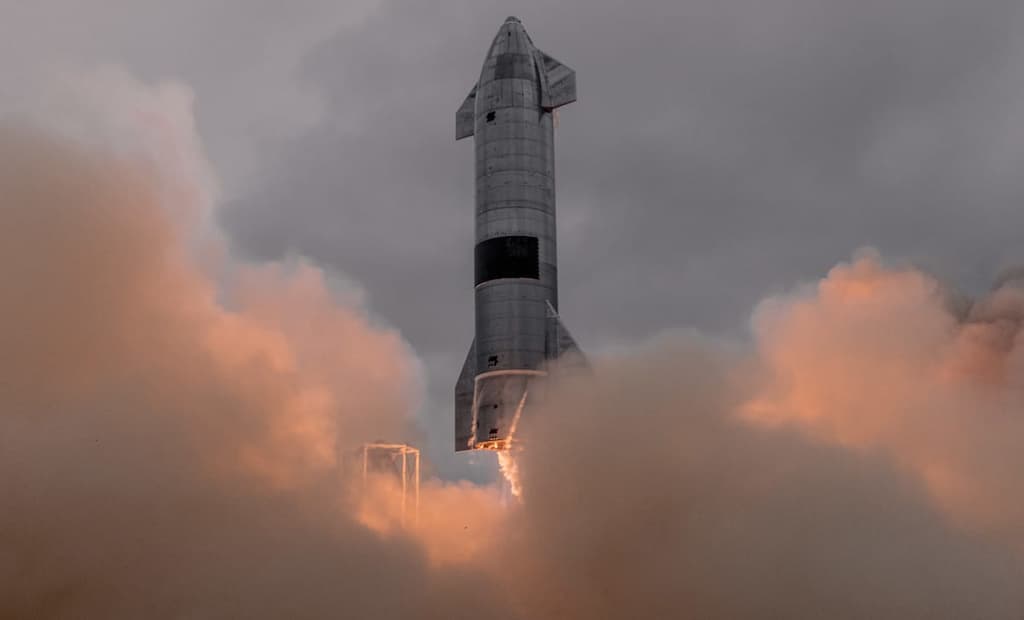
Обережно з зовнішніми посиланнями.
Обережно з зовнішніми посиланнями.
Часті запитання