
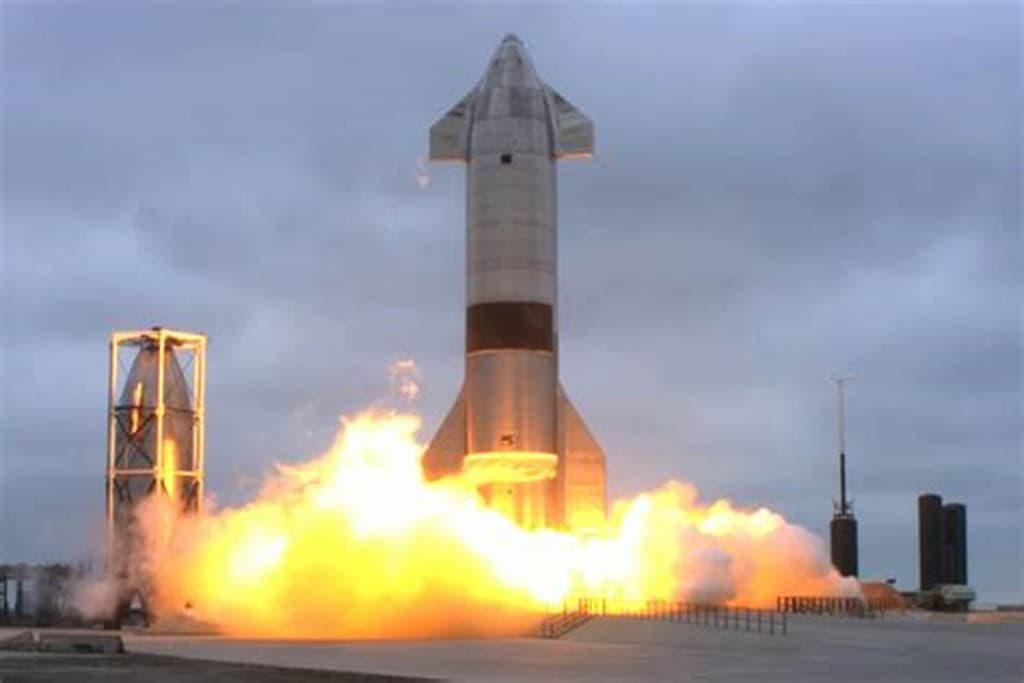
SpaceX's recent Flight 13 success on July 24, 2026, with precise reentry and soft splashdown, has accelerated plans for orbital operations critical to Starship docking. The company now targets Flight 14 for late August or September as its first orbital mission, deploying Starlink V3 satellites, while shifting the first upper-stage tower catch to a few months out. NASA-supported propellant transfer demonstrations, requiring two Starships to rendezvous and dock in low Earth orbit for automated refueling via couplers, remain slated for late 2026. These milestones hinge on regulatory approvals, rapid launch cadence, and demonstrated rendezvous proximity operations, directly shaping trader views on timelines amid the push toward lunar missions.
Tóm tắt AI thử nghiệm tham chiếu dữ liệu Polymarket. Đây không phải tư vấn giao dịch và không ảnh hưởng đến cách thị trường này được giải quyết. · Cập nhật$59,990 KL.
Dec 31, 2026
December 31, 2026
12%
December 31, 2027
54%
$59,990 KL.
December 31, 2026
$38,867 KL.
12%
December 31, 2027
$21,123 KL.
54%
This market will resolve to “Yes” if two SpaceX Starships successfully execute a docking maneuver in a stable Earth orbit between market creation and the listed date, 11:59 PM ET. Otherwise, this market will resolve to “No”.
A qualifying docking maneuver must physically join two vessels, matching in velocity, into a connected structure via mating hardware for at least 60 continuous seconds. The two vessels must be in stable Earth orbit with a perigee of at least 100 kilometers above the Earth’s surface.
The docking of any two SpaceX vessels which each serve as an integrated rocket-and-spacecraft and both equal or exceed Starship in scale will qualify regardless of their contents or variant (standard, tanker, depot, HLS, test article, etc.). The two vessels must be free-flying. Any capsule or payload carried to orbit exclusively atop a separate launch vehicle will not qualify. If either vessel is passively placed into the mating interface of the other vessel, that conjunction will not qualify.
The resolution source for this market will be a consensus of credible reporting.SpaceX's recent Flight 13 success on July 24, 2026, with precise reentry and soft splashdown, has accelerated plans for orbital operations critical to Starship docking. The company now targets Flight 14 for late August or September as its first orbital mission, deploying Starlink V3 satellites, while shifting the first upper-stage tower catch to a few months out. NASA-supported propellant transfer demonstrations, requiring two Starships to rendezvous and dock in low Earth orbit for automated refueling via couplers, remain slated for late 2026. These milestones hinge on regulatory approvals, rapid launch cadence, and demonstrated rendezvous proximity operations, directly shaping trader views on timelines amid the push toward lunar missions.
This market will resolve to “Yes” if two SpaceX Starships successfully execute a docking maneuver in a stable Earth orbit between market creation and the listed date, 11:59 PM ET. Otherwise, this market will resolve to “No”.
A qualifying docking maneuver must physically join two vessels, matching in velocity, into a connected structure via mating hardware for at least 60 continuous seconds. The two vessels must be in stable Earth orbit with a perigee of at least 100 kilometers above the Earth’s surface.
The docking of any two SpaceX vessels which each serve as an integrated rocket-and-spacecraft and both equal or exceed Starship in scale will qualify regardless of their contents or variant (standard, tanker, depot, HLS, test article, etc.). The two vessels must be free-flying. Any capsule or payload carried to orbit exclusively atop a separate launch vehicle will not qualify. If either vessel is passively placed into the mating interface of the other vessel, that conjunction will not qualify.
The resolution source for this market will be a consensus of credible reporting.
A qualifying docking maneuver must physically join two vessels, matching in velocity, into a connected structure via mating hardware for at least 60 continuous seconds. The two vessels must be in stable Earth orbit with a perigee of at least 100 kilometers above the Earth’s surface.
The docking of any two SpaceX vessels which each serve as an integrated rocket-and-spacecraft and both equal or exceed Starship in scale will qualify regardless of their contents or variant (standard, tanker, depot, HLS, test article, etc.). The two vessels must be free-flying. Any capsule or payload carried to orbit exclusively atop a separate launch vehicle will not qualify. If either vessel is passively placed into the mating interface of the other vessel, that conjunction will not qualify.
The resolution source for this market will be a consensus of credible reporting.
Thị trường mở: Jun 11, 2026, 1:09 PM ET
Khối lượng
$59,990Ngày kết thúc
Jan 1, 2028Thị trường mở
Jun 11, 2026, 1:09 PM ETResolver
0x65070BE91...This market will resolve to “Yes” if two SpaceX Starships successfully execute a docking maneuver in a stable Earth orbit between market creation and the listed date, 11:59 PM ET. Otherwise, this market will resolve to “No”.
A qualifying docking maneuver must physically join two vessels, matching in velocity, into a connected structure via mating hardware for at least 60 continuous seconds. The two vessels must be in stable Earth orbit with a perigee of at least 100 kilometers above the Earth’s surface.
The docking of any two SpaceX vessels which each serve as an integrated rocket-and-spacecraft and both equal or exceed Starship in scale will qualify regardless of their contents or variant (standard, tanker, depot, HLS, test article, etc.). The two vessels must be free-flying. Any capsule or payload carried to orbit exclusively atop a separate launch vehicle will not qualify. If either vessel is passively placed into the mating interface of the other vessel, that conjunction will not qualify.
The resolution source for this market will be a consensus of credible reporting.SpaceX's recent Flight 13 success on July 24, 2026, with precise reentry and soft splashdown, has accelerated plans for orbital operations critical to Starship docking. The company now targets Flight 14 for late August or September as its first orbital mission, deploying Starlink V3 satellites, while shifting the first upper-stage tower catch to a few months out. NASA-supported propellant transfer demonstrations, requiring two Starships to rendezvous and dock in low Earth orbit for automated refueling via couplers, remain slated for late 2026. These milestones hinge on regulatory approvals, rapid launch cadence, and demonstrated rendezvous proximity operations, directly shaping trader views on timelines amid the push toward lunar missions.
This market will resolve to “Yes” if two SpaceX Starships successfully execute a docking maneuver in a stable Earth orbit between market creation and the listed date, 11:59 PM ET. Otherwise, this market will resolve to “No”.
A qualifying docking maneuver must physically join two vessels, matching in velocity, into a connected structure via mating hardware for at least 60 continuous seconds. The two vessels must be in stable Earth orbit with a perigee of at least 100 kilometers above the Earth’s surface.
The docking of any two SpaceX vessels which each serve as an integrated rocket-and-spacecraft and both equal or exceed Starship in scale will qualify regardless of their contents or variant (standard, tanker, depot, HLS, test article, etc.). The two vessels must be free-flying. Any capsule or payload carried to orbit exclusively atop a separate launch vehicle will not qualify. If either vessel is passively placed into the mating interface of the other vessel, that conjunction will not qualify.
The resolution source for this market will be a consensus of credible reporting.
A qualifying docking maneuver must physically join two vessels, matching in velocity, into a connected structure via mating hardware for at least 60 continuous seconds. The two vessels must be in stable Earth orbit with a perigee of at least 100 kilometers above the Earth’s surface.
The docking of any two SpaceX vessels which each serve as an integrated rocket-and-spacecraft and both equal or exceed Starship in scale will qualify regardless of their contents or variant (standard, tanker, depot, HLS, test article, etc.). The two vessels must be free-flying. Any capsule or payload carried to orbit exclusively atop a separate launch vehicle will not qualify. If either vessel is passively placed into the mating interface of the other vessel, that conjunction will not qualify.
The resolution source for this market will be a consensus of credible reporting.
Khối lượng
$59,990Ngày kết thúc
Jan 1, 2028Thị trường mở
Jun 11, 2026, 1:09 PM ETResolver
0x65070BE91...SpaceX's recent Flight 13 success on July 24, 2026, with precise reentry and soft splashdown, has accelerated plans for orbital operations critical to Starship docking. The company now targets Flight 14 for late August or September as its first orbital mission, deploying Starlink V3 satellites, while shifting the first upper-stage tower catch to a few months out. NASA-supported propellant transfer demonstrations, requiring two Starships to rendezvous and dock in low Earth orbit for automated refueling via couplers, remain slated for late 2026. These milestones hinge on regulatory approvals, rapid launch cadence, and demonstrated rendezvous proximity operations, directly shaping trader views on timelines amid the push toward lunar missions.
Tóm tắt AI thử nghiệm tham chiếu dữ liệu Polymarket. Đây không phải tư vấn giao dịch và không ảnh hưởng đến cách thị trường này được giải quyết. · Cập nhật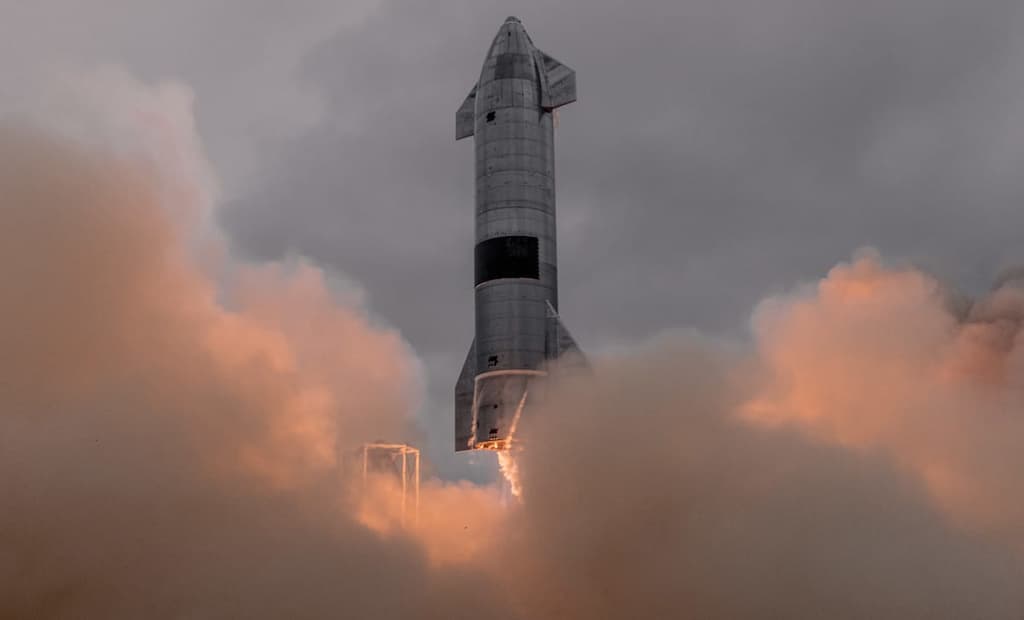
Cẩn thận với liên kết bên ngoài.
Cẩn thận với liên kết bên ngoài.
Câu hỏi thường gặp