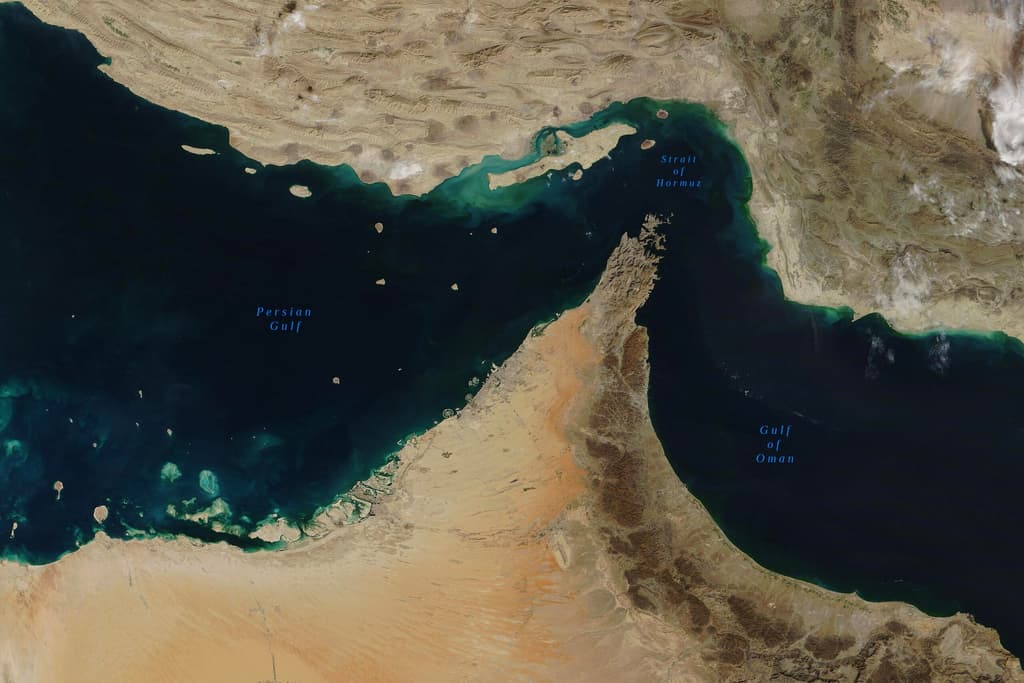
Amid the ongoing 2026 Strait of Hormuz crisis triggered by US-Israel-Iran conflict, commercial vessel transits have plummeted to historic lows, with Iranian Revolutionary Guard Corps selectively permitting a trickle—five ships on March 23, four each on March 24 and 25, and few more through March 26—mostly Iran-linked tankers or those paying reported multimillion-dollar tolls, while others like Chinese containers were turned back on March 27. This partial-week tally of around 16 keeps trader consensus tightly clustered in the 20-34 range, reflecting uncertainty over dark fleet activity, high insurance premiums, and backlog pressures. Separation could arise from weekend escalations like attacks, US escorts enabling surges, or diplomatic breakthroughs expanding permissions before March 29 resolution.[[1]](https://www.spglobal.com/energy/en/news-research/latest-news/crude-oil/032526-four-ships-transit-strait-of-hormuz-on-march-24-with-two-linked-to-iran-cas)[[2]](https://windward.ai/blog/march-25-maritime-intelligence-daily)[[3]](https://news.usni.org/2026/03/27/irgc-opens-tolled-passage-for-merchant-ships-in-strait-of-hormuz-transit-continues-to-trickle-through)[[4]](https://www.facebook.com/anadoluagencyenglish/posts/just-seven-commercial-vessels-transited-the-strait-of-hormuz-on-march-25-and-26-/1272799995039014)[[5]](https://www.reuters.com/world/china/chinese-ships-halt-attempt-exit-hormuz-despite-iran-safe-passage-assurances-2026-03-27)
基于Polymarket数据的AI实验性摘要 · 更新于20-24 33%
30-34 25%
25-29 19%
35-39 15%
$15,376 交易量
$15,376 交易量
<10
2%
10-14
3%
15-19
8%
20-24
33%
25-29
19%
30-34
23%
35-39
15%
40-44
6%
45+
6%
20-24 33%
30-34 25%
25-29 19%
35-39 15%
$15,376 交易量
$15,376 交易量
<10
2%
10-14
3%
15-19
8%
20-24
33%
25-29
19%
30-34
23%
35-39
15%
40-44
6%
45+
6%
Transit calls include container, dry bulk, roll-on/roll-off, general cargo, and tanker ships. Ships not reported by IMF Portwatch will not be considered.
This market will resolve as soon as data has been published for the final date in the specified period. If no data has been published for the final date of the specified period within 14 calendar days (ET) after the end of that period, this market will resolve based on data published up to that point.
Revisions to previously published data points made within this market’s timeframe will be considered. Revisions to previously published data points after data is published for the final date of the specified period, however, will not be considered.
The resolution source for this market will be IMF Portwatch, specifically the transit calls data published for the Strait of Hormuz at https://portwatch.imf.org/pages/cb5856222a5b4105adc6ee7e880a1730, both in the chart and through downloadable files.
市场开放时间: Mar 26, 2026, 8:09 PM ET
Resolver
0x69c47De9D...Transit calls include container, dry bulk, roll-on/roll-off, general cargo, and tanker ships. Ships not reported by IMF Portwatch will not be considered.
This market will resolve as soon as data has been published for the final date in the specified period. If no data has been published for the final date of the specified period within 14 calendar days (ET) after the end of that period, this market will resolve based on data published up to that point.
Revisions to previously published data points made within this market’s timeframe will be considered. Revisions to previously published data points after data is published for the final date of the specified period, however, will not be considered.
The resolution source for this market will be IMF Portwatch, specifically the transit calls data published for the Strait of Hormuz at https://portwatch.imf.org/pages/cb5856222a5b4105adc6ee7e880a1730, both in the chart and through downloadable files.
Resolver
0x69c47De9D...Amid the ongoing 2026 Strait of Hormuz crisis triggered by US-Israel-Iran conflict, commercial vessel transits have plummeted to historic lows, with Iranian Revolutionary Guard Corps selectively permitting a trickle—five ships on March 23, four each on March 24 and 25, and few more through March 26—mostly Iran-linked tankers or those paying reported multimillion-dollar tolls, while others like Chinese containers were turned back on March 27. This partial-week tally of around 16 keeps trader consensus tightly clustered in the 20-34 range, reflecting uncertainty over dark fleet activity, high insurance premiums, and backlog pressures. Separation could arise from weekend escalations like attacks, US escorts enabling surges, or diplomatic breakthroughs expanding permissions before March 29 resolution.[[1]](https://www.spglobal.com/energy/en/news-research/latest-news/crude-oil/032526-four-ships-transit-strait-of-hormuz-on-march-24-with-two-linked-to-iran-cas)[[2]](https://windward.ai/blog/march-25-maritime-intelligence-daily)[[3]](https://news.usni.org/2026/03/27/irgc-opens-tolled-passage-for-merchant-ships-in-strait-of-hormuz-transit-continues-to-trickle-through)[[4]](https://www.facebook.com/anadoluagencyenglish/posts/just-seven-commercial-vessels-transited-the-strait-of-hormuz-on-march-25-and-26-/1272799995039014)[[5]](https://www.reuters.com/world/china/chinese-ships-halt-attempt-exit-hormuz-despite-iran-safe-passage-assurances-2026-03-27)
基于Polymarket数据的AI实验性摘要 · 更新于
警惕外部链接哦。
警惕外部链接哦。
常见问题