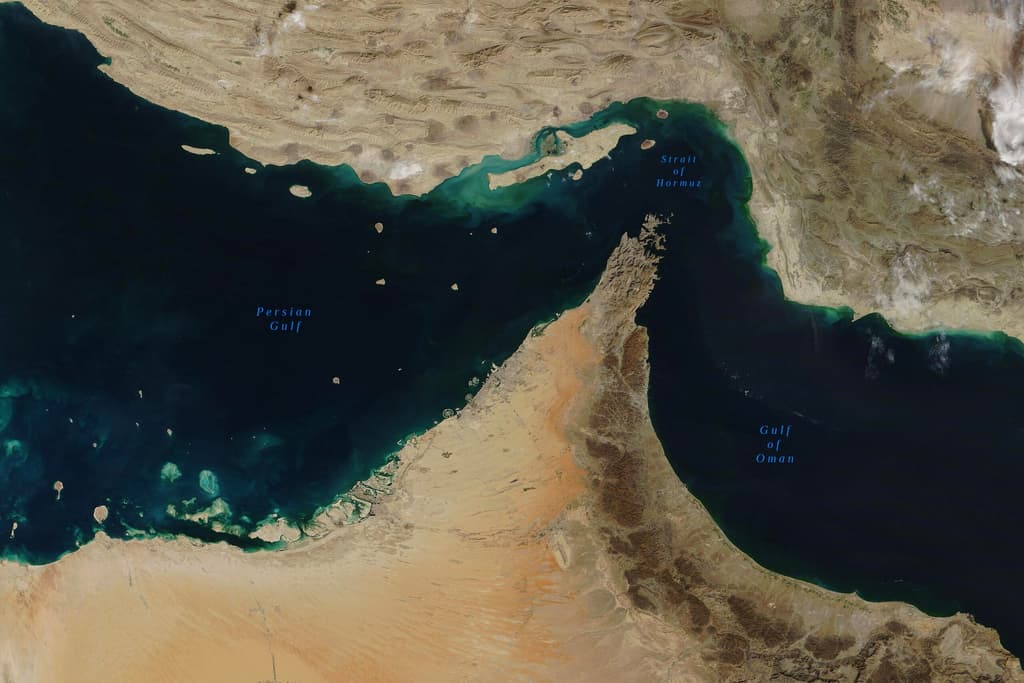
Trader sentiment on Strait of Hormuz ship transits for April 3 reflects a razor-thin split between disruption fears and resilient flows, with market-implied probabilities hovering at 51% for 0-10 ships versus 48.5% for 40-50, amid post-April 1 Israel-Iran tensions that spiked oil futures by 3% on closure risks. Historical averages show 45-55 daily transits via AIS data from sources like MarineTraffic, but Iran's threats post-Damascus strike have traders pricing in tail risks of naval interdiction against baseline continuity. Competitive dynamics hinge on real-time satellite tracking and Tehran's response timeline, with 60+ odds at 47% betting on normalization if no blockade materializes by resolution, underscoring capital-weighted caution in this $2T oil chokepoint.
Resumen experimental generado por IA con datos de Polymarket · ActualizadoAvg. # of ships transiting Strait of Hormuz on April 3?
Avg. # of ships transiting Strait of Hormuz on April 3?
0-10 51%
40-50 47%
60+ 45%
50-60 45%
0-10
51%
10-20
39%
20-30
40%
30-40
10%
40-50
47%
50-60
45%
60+
45%
0-10 51%
40-50 47%
60+ 45%
50-60 45%
0-10
51%
10-20
39%
20-30
40%
30-40
10%
40-50
47%
50-60
45%
60+
45%
Transit calls include container, dry bulk, roll-on/roll-off, general cargo, and tanker ships. Ships not reported by IMF Portwatch will not be considered.
This market will resolve as soon as the data for the specified date has been published. If no data for the specified date has been published by 11:59 PM ET on the seventh day after the end of the specified date, this market will resolve based on data for the most recent date prior to the specified date for which data is available.
This market will resolve based on the first publication of data for the specified date. Any subsequent revisions will not be considered.
If the reported value falls exactly between two brackets, this market will resolve to the higher range bracket.
The resolution source for this market will be IMF Portwatch, specifically the transit calls data published for the Strait of Hormuz at https://portwatch.imf.org/pages/cb5856222a5b4105adc6ee7e880a1730, both in the chart and through downloadable files.
Mercado abierto: Mar 24, 2026, 1:02 PM ET
Resolver
0x69c47De9D...Resolver
0x69c47De9D...Trader sentiment on Strait of Hormuz ship transits for April 3 reflects a razor-thin split between disruption fears and resilient flows, with market-implied probabilities hovering at 51% for 0-10 ships versus 48.5% for 40-50, amid post-April 1 Israel-Iran tensions that spiked oil futures by 3% on closure risks. Historical averages show 45-55 daily transits via AIS data from sources like MarineTraffic, but Iran's threats post-Damascus strike have traders pricing in tail risks of naval interdiction against baseline continuity. Competitive dynamics hinge on real-time satellite tracking and Tehran's response timeline, with 60+ odds at 47% betting on normalization if no blockade materializes by resolution, underscoring capital-weighted caution in this $2T oil chokepoint.
Resumen experimental generado por IA con datos de Polymarket · Actualizado
Cuidado con los enlaces externos.
Cuidado con los enlaces externos.
Preguntas frecuentes