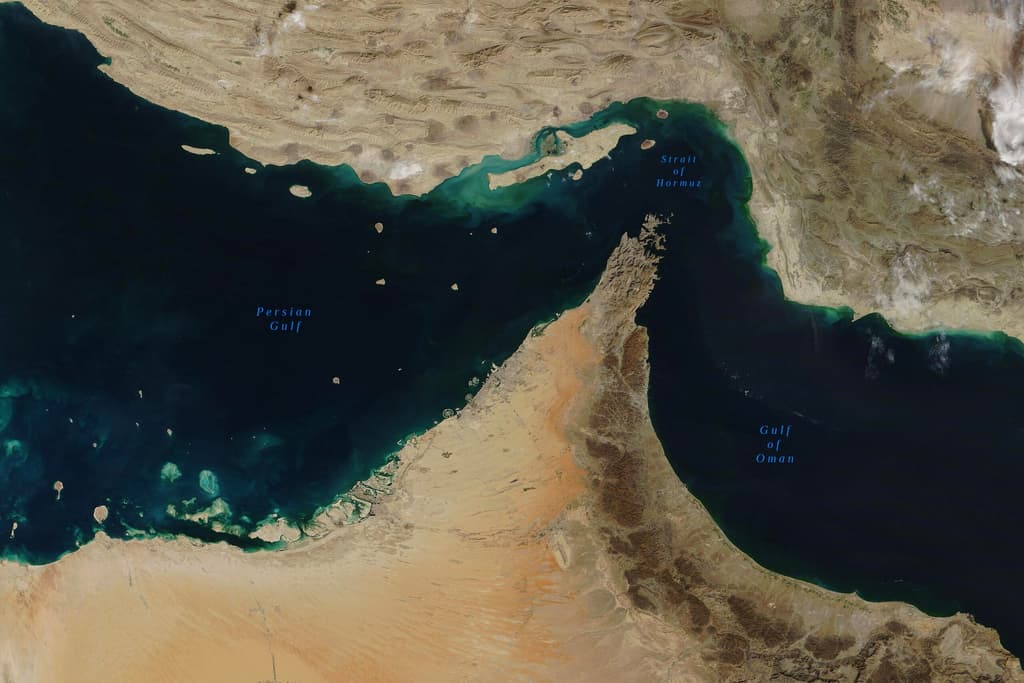
Polymarket traders price a strong yes at around 85% implied probability for U.S. Navy surface combatants transiting the Strait of Hormuz by April 30, driven primarily by routine U.S. Central Command patrols amid escalating Iran-Israel tensions and Houthi disruptions in the Red Sea. This chokepoint handles 21% of global oil flows, with Brent crude hovering near $87/bbl sensitive to any perceived blockade risks that could spike tanker freight rates (currently Baltic Dirty Tanker TD3C at $45,000/day) and energy equities like XLE ETF. Recent USNS Supply transit on April 10 underscores operational normalcy, but Iran's April 15 threats elevate volatility; watch CENTCOM updates and May 1 resolution for position adjustments.
Resumen experimental generado por IA con datos de Polymarket · ActualizadoWill __ ships transit the Strait of Hormuz on any day by end of April?
Will __ ships transit the Strait of Hormuz on any day by end of April?
NEW
Apr 30, 2026
20+
65%
40+
57%
60+
50%
80+
46%
$0.00 Vol.
20+
$0 Vol.
65%
40+
$0 Vol.
57%
60+
$0 Vol.
50%
80+
$0 Vol.
46%
This market will resolve to “Yes” if IMF Portwatch publishes a daily number of transit calls (“Arrivals of Ships”) for the Strait of Hormuz equal to or above the listed value for any date between market creation and April 30, 2026. Otherwise, this market will resolve to “No”.
The number of daily transit calls/arrivals includes container, dry bulk, roll-on/roll-off, general cargo, and tanker ships. Ships not reported by IMF Portwatch will not be considered.
This market will resolve as soon as IMF Portwatch publishes a daily number of transit calls equal to or above the specified level, or once data has been published for the final date in the specified period and no such value has been published. If no data has been published for the final date of the specified period within 14 calendar days (ET) after the end of that period, this market will resolve based on data published up to that point.
Revisions to previously published data points, made within this market’s timeframe, will be considered. However, they will not disqualify a previously published data point from qualifying. Revisions to previously published data points after data is published for April 30, 2026, however, will not be considered.
The resolution source for this market will be IMF Portwatch, specifically the transit calls data published for the Strait of Hormuz at https://portwatch.imf.org/pages/cb5856222a5b4105adc6ee7e880a1730, both in the chart and through downloadable files.This market will resolve to “Yes” if IMF Portwatch publishes a daily number of transit calls (“Arrivals of Ships”) for the Strait of Hormuz equal to or above the listed value for any date between market creation and April 30, 2026. Otherwise, this market will resolve to “No”.
The number of daily transit calls/arrivals includes container, dry bulk, roll-on/roll-off, general cargo, and tanker ships. Ships not reported by IMF Portwatch will not be considered.
This market will resolve as soon as IMF Portwatch publishes a daily number of transit calls equal to or above the specified level, or once data has been published for the final date in the specified period and no such value has been published. If no data has been published for the final date of the specified period within 14 calendar days (ET) after the end of that period, this market will resolve based on data published up to that point.
Revisions to previously published data points, made within this market’s timeframe, will be considered. However, they will not disqualify a previously published data point from qualifying. Revisions to previously published data points after data is published for April 30, 2026, however, will not be considered.
The resolution source for this market will be IMF Portwatch, specifically the transit calls data published for the Strait of Hormuz at https://portwatch.imf.org/pages/cb5856222a5b4105adc6ee7e880a1730, both in the chart and through downloadable files.This market will resolve to “Yes” if IMF Portwatch publishes a daily number of transit calls (“Arrivals of Ships”) for the Strait of Hormuz equal to or above the listed value for any date between market creation and April 30, 2026. Otherwise, this market will resolve to “No”.
The number of daily transit calls/arrivals includes container, dry bulk, roll-on/roll-off, general cargo, and tanker ships. Ships not reported by IMF Portwatch will not be considered.
This market will resolve as soon as IMF Portwatch publishes a daily number of transit calls equal to or above the specified level, or once data has been published for the final date in the specified period and no such value has been published. If no data has been published for the final date of the specified period within 14 calendar days (ET) after the end of that period, this market will resolve based on data published up to that point.
Revisions to previously published data points, made within this market’s timeframe, will be considered. However, they will not disqualify a previously published data point from qualifying. Revisions to previously published data points after data is published for April 30, 2026, however, will not be considered.
The resolution source for this market will be IMF Portwatch, specifically the transit calls data published for the Strait of Hormuz at https://portwatch.imf.org/pages/cb5856222a5b4105adc6ee7e880a1730, both in the chart and through downloadable files.This market will resolve to “Yes” if IMF Portwatch publishes a daily number of transit calls (“Arrivals of Ships”) for the Strait of Hormuz equal to or above the listed value for any date between market creation and April 30, 2026. Otherwise, this market will resolve to “No”.
The number of daily transit calls/arrivals includes container, dry bulk, roll-on/roll-off, general cargo, and tanker ships. Ships not reported by IMF Portwatch will not be considered.
This market will resolve as soon as IMF Portwatch publishes a daily number of transit calls equal to or above the specified level, or once data has been published for the final date in the specified period and no such value has been published. If no data has been published for the final date of the specified period within 14 calendar days (ET) after the end of that period, this market will resolve based on data published up to that point.
Revisions to previously published data points, made within this market’s timeframe, will be considered. However, they will not disqualify a previously published data point from qualifying. Revisions to previously published data points after data is published for April 30, 2026, however, will not be considered.
The resolution source for this market will be IMF Portwatch, specifically the transit calls data published for the Strait of Hormuz at https://portwatch.imf.org/pages/cb5856222a5b4105adc6ee7e880a1730, both in the chart and through downloadable files.
This market will resolve to “Yes” if IMF Portwatch publishes a daily number of transit calls (“Arrivals of Ships”) for the Strait of Hormuz equal to or above the listed value for any date between market creation and April 30, 2026. Otherwise, this market will resolve to “No”.
The number of daily transit calls/arrivals includes container, dry bulk, roll-on/roll-off, general cargo, and tanker ships. Ships not reported by IMF Portwatch will not be considered.
This market will resolve as soon as IMF Portwatch publishes a daily number of transit calls equal to or above the specified level, or once data has been published for the final date in the specified period and no such value has been published. If no data has been published for the final date of the specified period within 14 calendar days (ET) after the end of that period, this market will resolve based on data published up to that point.
Revisions to previously published data points, made within this market’s timeframe, will be considered. However, they will not disqualify a previously published data point from qualifying. Revisions to previously published data points after data is published for April 30, 2026, however, will not be considered.
The resolution source for this market will be IMF Portwatch, specifically the transit calls data published for the Strait of Hormuz at https://portwatch.imf.org/pages/cb5856222a5b4105adc6ee7e880a1730, both in the chart and through downloadable files.This market will resolve to “Yes” if IMF Portwatch publishes a daily number of transit calls (“Arrivals of Ships”) for the Strait of Hormuz equal to or above the listed value for any date between market creation and April 30, 2026. Otherwise, this market will resolve to “No”.
The number of daily transit calls/arrivals includes container, dry bulk, roll-on/roll-off, general cargo, and tanker ships. Ships not reported by IMF Portwatch will not be considered.
This market will resolve as soon as IMF Portwatch publishes a daily number of transit calls equal to or above the specified level, or once data has been published for the final date in the specified period and no such value has been published. If no data has been published for the final date of the specified period within 14 calendar days (ET) after the end of that period, this market will resolve based on data published up to that point.
Revisions to previously published data points, made within this market’s timeframe, will be considered. However, they will not disqualify a previously published data point from qualifying. Revisions to previously published data points after data is published for April 30, 2026, however, will not be considered.
The resolution source for this market will be IMF Portwatch, specifically the transit calls data published for the Strait of Hormuz at https://portwatch.imf.org/pages/cb5856222a5b4105adc6ee7e880a1730, both in the chart and through downloadable files.
The number of daily transit calls/arrivals includes container, dry bulk, roll-on/roll-off, general cargo, and tanker ships. Ships not reported by IMF Portwatch will not be considered.
This market will resolve as soon as IMF Portwatch publishes a daily number of transit calls equal to or above the specified level, or once data has been published for the final date in the specified period and no such value has been published. If no data has been published for the final date of the specified period within 14 calendar days (ET) after the end of that period, this market will resolve based on data published up to that point.
Revisions to previously published data points, made within this market’s timeframe, will be considered. However, they will not disqualify a previously published data point from qualifying. Revisions to previously published data points after data is published for April 30, 2026, however, will not be considered.
The resolution source for this market will be IMF Portwatch, specifically the transit calls data published for the Strait of Hormuz at https://portwatch.imf.org/pages/cb5856222a5b4105adc6ee7e880a1730, both in the chart and through downloadable files.
Mercado abierto: Mar 24, 2026, 1:01 PM ET
Volumen
$0Fecha de finalización
Apr 30, 2026Mercado abierto
Mar 24, 2026, 1:01 PM ETResolver
0x65070BE91...This market will resolve to “Yes” if IMF Portwatch publishes a daily number of transit calls (“Arrivals of Ships”) for the Strait of Hormuz equal to or above the listed value for any date between market creation and April 30, 2026. Otherwise, this market will resolve to “No”.
The number of daily transit calls/arrivals includes container, dry bulk, roll-on/roll-off, general cargo, and tanker ships. Ships not reported by IMF Portwatch will not be considered.
This market will resolve as soon as IMF Portwatch publishes a daily number of transit calls equal to or above the specified level, or once data has been published for the final date in the specified period and no such value has been published. If no data has been published for the final date of the specified period within 14 calendar days (ET) after the end of that period, this market will resolve based on data published up to that point.
Revisions to previously published data points, made within this market’s timeframe, will be considered. However, they will not disqualify a previously published data point from qualifying. Revisions to previously published data points after data is published for April 30, 2026, however, will not be considered.
The resolution source for this market will be IMF Portwatch, specifically the transit calls data published for the Strait of Hormuz at https://portwatch.imf.org/pages/cb5856222a5b4105adc6ee7e880a1730, both in the chart and through downloadable files.This market will resolve to “Yes” if IMF Portwatch publishes a daily number of transit calls (“Arrivals of Ships”) for the Strait of Hormuz equal to or above the listed value for any date between market creation and April 30, 2026. Otherwise, this market will resolve to “No”.
The number of daily transit calls/arrivals includes container, dry bulk, roll-on/roll-off, general cargo, and tanker ships. Ships not reported by IMF Portwatch will not be considered.
This market will resolve as soon as IMF Portwatch publishes a daily number of transit calls equal to or above the specified level, or once data has been published for the final date in the specified period and no such value has been published. If no data has been published for the final date of the specified period within 14 calendar days (ET) after the end of that period, this market will resolve based on data published up to that point.
Revisions to previously published data points, made within this market’s timeframe, will be considered. However, they will not disqualify a previously published data point from qualifying. Revisions to previously published data points after data is published for April 30, 2026, however, will not be considered.
The resolution source for this market will be IMF Portwatch, specifically the transit calls data published for the Strait of Hormuz at https://portwatch.imf.org/pages/cb5856222a5b4105adc6ee7e880a1730, both in the chart and through downloadable files.This market will resolve to “Yes” if IMF Portwatch publishes a daily number of transit calls (“Arrivals of Ships”) for the Strait of Hormuz equal to or above the listed value for any date between market creation and April 30, 2026. Otherwise, this market will resolve to “No”.
The number of daily transit calls/arrivals includes container, dry bulk, roll-on/roll-off, general cargo, and tanker ships. Ships not reported by IMF Portwatch will not be considered.
This market will resolve as soon as IMF Portwatch publishes a daily number of transit calls equal to or above the specified level, or once data has been published for the final date in the specified period and no such value has been published. If no data has been published for the final date of the specified period within 14 calendar days (ET) after the end of that period, this market will resolve based on data published up to that point.
Revisions to previously published data points, made within this market’s timeframe, will be considered. However, they will not disqualify a previously published data point from qualifying. Revisions to previously published data points after data is published for April 30, 2026, however, will not be considered.
The resolution source for this market will be IMF Portwatch, specifically the transit calls data published for the Strait of Hormuz at https://portwatch.imf.org/pages/cb5856222a5b4105adc6ee7e880a1730, both in the chart and through downloadable files.This market will resolve to “Yes” if IMF Portwatch publishes a daily number of transit calls (“Arrivals of Ships”) for the Strait of Hormuz equal to or above the listed value for any date between market creation and April 30, 2026. Otherwise, this market will resolve to “No”.
The number of daily transit calls/arrivals includes container, dry bulk, roll-on/roll-off, general cargo, and tanker ships. Ships not reported by IMF Portwatch will not be considered.
This market will resolve as soon as IMF Portwatch publishes a daily number of transit calls equal to or above the specified level, or once data has been published for the final date in the specified period and no such value has been published. If no data has been published for the final date of the specified period within 14 calendar days (ET) after the end of that period, this market will resolve based on data published up to that point.
Revisions to previously published data points, made within this market’s timeframe, will be considered. However, they will not disqualify a previously published data point from qualifying. Revisions to previously published data points after data is published for April 30, 2026, however, will not be considered.
The resolution source for this market will be IMF Portwatch, specifically the transit calls data published for the Strait of Hormuz at https://portwatch.imf.org/pages/cb5856222a5b4105adc6ee7e880a1730, both in the chart and through downloadable files.
Volumen
$0Fecha de finalización
Apr 30, 2026Mercado abierto
Mar 24, 2026, 1:01 PM ETResolver
0x65070BE91...Polymarket traders price a strong yes at around 85% implied probability for U.S. Navy surface combatants transiting the Strait of Hormuz by April 30, driven primarily by routine U.S. Central Command patrols amid escalating Iran-Israel tensions and Houthi disruptions in the Red Sea. This chokepoint handles 21% of global oil flows, with Brent crude hovering near $87/bbl sensitive to any perceived blockade risks that could spike tanker freight rates (currently Baltic Dirty Tanker TD3C at $45,000/day) and energy equities like XLE ETF. Recent USNS Supply transit on April 10 underscores operational normalcy, but Iran's April 15 threats elevate volatility; watch CENTCOM updates and May 1 resolution for position adjustments.
Resumen experimental generado por IA con datos de Polymarket · Actualizado
Cuidado con los enlaces externos.
Cuidado con los enlaces externos.
Preguntas frecuentes