
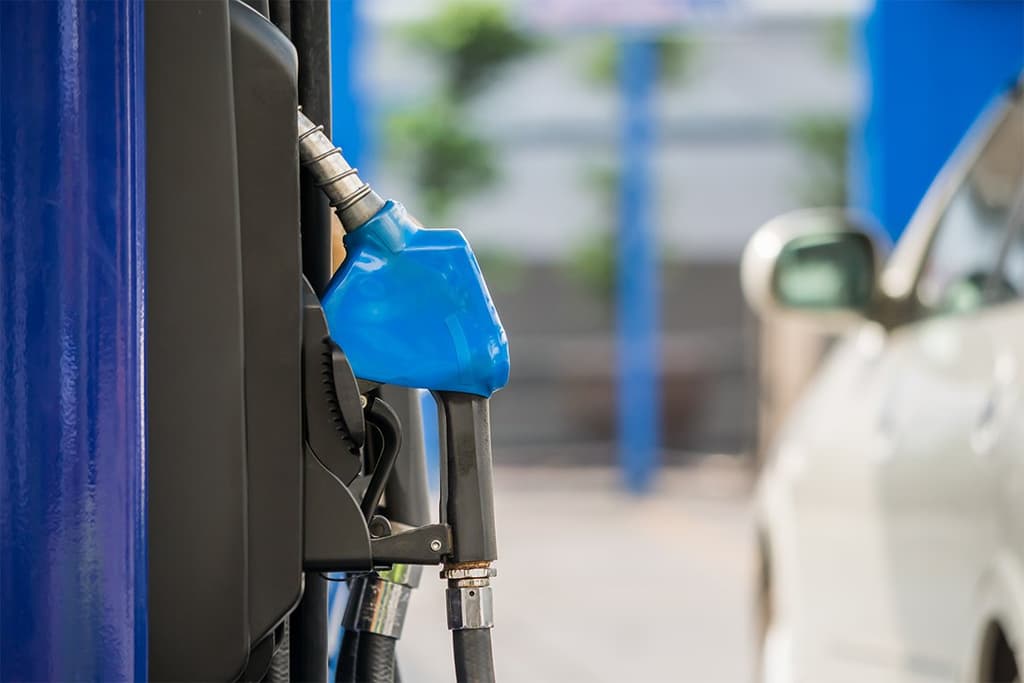
Rising gasoline prices, driven by the Iran conflict and disruptions in the Strait of Hormuz, prompted President Trump and bipartisan lawmakers in May 2026 to back a temporary suspension of the 18.4-cent federal excise tax. Multiple bills were introduced, including 90-day pauses and extensions through October, with Treasury backfills proposed for the Highway Trust Fund. Congress has never enacted such a suspension since the tax's creation, requiring legislative action that the president cannot achieve unilaterally. As of September 2026, no federal measure has passed despite state-level holidays in places like Indiana and Georgia, leaving trader consensus focused on legislative gridlock, revenue concerns, and the limited price impact relative to global supply factors. Key upcoming catalysts include any fall congressional action or further energy market shifts before year-end deadlines.
Resumen experimental generado por IA con datos de Polymarket. Esto no es asesoramiento de trading y no influye en cómo se resuelve este mercado. · Actualizado$38,088 Vol.
November 2
2%
$38,088 Vol.
November 2
2%
This market will resolve to "Yes" if legislation that would, at least temporarily, suspend the federal excise tax on gasoline is passed by both chambers of the U.S. Congress and signed into law by the specified date (ET). Otherwise, this market will resolve to "No".
Qualifying legislation may include joint resolutions and must pass both the House and the Senate, and must be signed by the President, become law without signature while Congress remains in session, or become law through veto override. Presidential pocket vetoes that expire will not qualify.
The primary resolution sources for this market will be Congress.gov’s legislation tracker (https://www.congress.gov/bill/119th-congress/house-bill/22), the Library of Congress (congress.gov), and other official information from the government of the United States; however, a consensus of credible reporting may also be used.
Mercado abierto: May 12, 2026, 1:38 PM ET
Resolver
0x65070BE91...This market will resolve to "Yes" if legislation that would, at least temporarily, suspend the federal excise tax on gasoline is passed by both chambers of the U.S. Congress and signed into law by the specified date (ET). Otherwise, this market will resolve to "No".
Qualifying legislation may include joint resolutions and must pass both the House and the Senate, and must be signed by the President, become law without signature while Congress remains in session, or become law through veto override. Presidential pocket vetoes that expire will not qualify.
The primary resolution sources for this market will be Congress.gov’s legislation tracker (https://www.congress.gov/bill/119th-congress/house-bill/22), the Library of Congress (congress.gov), and other official information from the government of the United States; however, a consensus of credible reporting may also be used.
Resolver
0x65070BE91...Rising gasoline prices, driven by the Iran conflict and disruptions in the Strait of Hormuz, prompted President Trump and bipartisan lawmakers in May 2026 to back a temporary suspension of the 18.4-cent federal excise tax. Multiple bills were introduced, including 90-day pauses and extensions through October, with Treasury backfills proposed for the Highway Trust Fund. Congress has never enacted such a suspension since the tax's creation, requiring legislative action that the president cannot achieve unilaterally. As of September 2026, no federal measure has passed despite state-level holidays in places like Indiana and Georgia, leaving trader consensus focused on legislative gridlock, revenue concerns, and the limited price impact relative to global supply factors. Key upcoming catalysts include any fall congressional action or further energy market shifts before year-end deadlines.
Resumen experimental generado por IA con datos de Polymarket. Esto no es asesoramiento de trading y no influye en cómo se resuelve este mercado. · Actualizado


Cuidado con los enlaces externos.
Cuidado con los enlaces externos.
Preguntas frecuentes