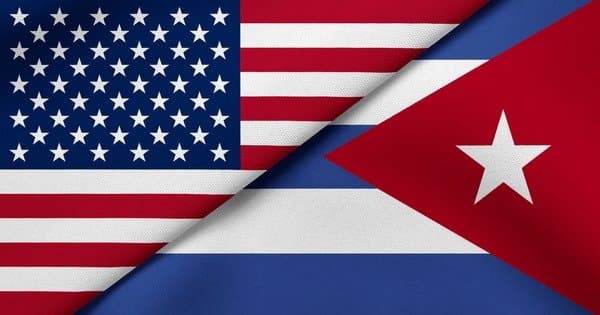
US economic pressure on Cuba has centered on a fuel blockade and targeted sanctions since January 2026, following the cutoff of Venezuelan oil shipments, without crossing into direct military confrontation. Recent developments include a July round of designations against Cuban entities, an August CIA task force focused on regime fissures, and continued reconnaissance flights alongside diplomatic threats. US Southern Command has emphasized readiness for limited contingencies such as embassy protection rather than offensive operations, while naval assets in the region support surveillance and deterrence. Traders view these coercive tools—combined with Cuba’s internal economic strains and absence of kinetic incidents—as the dominant path, keeping the implied probability of a 2026 clash low.
Ringkasan eksperimental yang dihasilkan AI dengan referensi data Polymarket. Ini bukan saran trading dan tidak berperan dalam bagaimana pasar ini diselesaikan. · DiperbaruiUS x Cuba military clash in 2026?
US x Cuba military clash in 2026?
$240,200 Vol.
$240,200 Vol.
$240,200 Vol.
$240,200 Vol.
A "military encounter" is defined as any incident involving the use of force such as missile strikes, artillery fire, exchange of gunfire, or other forms of direct military engagement between US and Cuban military forces. Non-violent actions, such as warning shots, artillery fire into uninhabited areas, or missile launches that land in territorial waters or pass through airspace, will not qualify for a "Yes" resolution. Intentional ship ramming that results in significant damage to (e.g., a hole in the hull) or the sinking of a military ship by another will count toward a "Yes" resolution, however minor damage (scrapes, dents) will not.
Note: the United States Coast Guard is considered part of the United States military, and the Cuban Border Guard is considered part of the Cuban military.
The resolution source for this market will be a consensus of credible reporting.
Pasar Dibuka: Feb 25, 2026, 7:31 PM ET
Resolver
0x65070BE91...A "military encounter" is defined as any incident involving the use of force such as missile strikes, artillery fire, exchange of gunfire, or other forms of direct military engagement between US and Cuban military forces. Non-violent actions, such as warning shots, artillery fire into uninhabited areas, or missile launches that land in territorial waters or pass through airspace, will not qualify for a "Yes" resolution. Intentional ship ramming that results in significant damage to (e.g., a hole in the hull) or the sinking of a military ship by another will count toward a "Yes" resolution, however minor damage (scrapes, dents) will not.
Note: the United States Coast Guard is considered part of the United States military, and the Cuban Border Guard is considered part of the Cuban military.
The resolution source for this market will be a consensus of credible reporting.
Resolver
0x65070BE91...US economic pressure on Cuba has centered on a fuel blockade and targeted sanctions since January 2026, following the cutoff of Venezuelan oil shipments, without crossing into direct military confrontation. Recent developments include a July round of designations against Cuban entities, an August CIA task force focused on regime fissures, and continued reconnaissance flights alongside diplomatic threats. US Southern Command has emphasized readiness for limited contingencies such as embassy protection rather than offensive operations, while naval assets in the region support surveillance and deterrence. Traders view these coercive tools—combined with Cuba’s internal economic strains and absence of kinetic incidents—as the dominant path, keeping the implied probability of a 2026 clash low.
Ringkasan eksperimental yang dihasilkan AI dengan referensi data Polymarket. Ini bukan saran trading dan tidak berperan dalam bagaimana pasar ini diselesaikan. · Diperbarui


Hati-hati dengan link eksternal.
Hati-hati dengan link eksternal.
Pertanyaan yang Sering Diajukan