
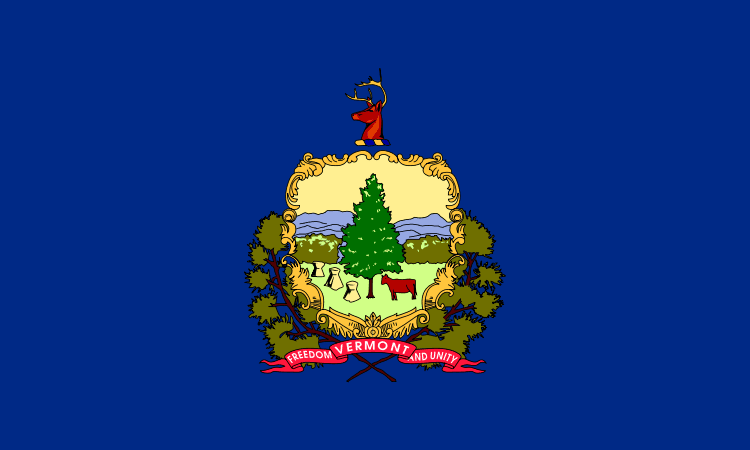
Incumbent Democrat Becca Balint holds a commanding lead in Vermont’s at-large House race due to the district’s consistent Democratic tilt, her strong primary performance with 98 percent support, and repeated polling advantages of roughly 30 points or more over Republican Gerald Malloy. Vermont has not sent a Republican to Congress in nearly three decades, and forecasters rate the seat Safe or Solid Democratic. Malloy, a retired military officer who won his primary, faces structural headwinds in a state where Democratic candidates routinely secure large margins. Trader consensus reflected in the current pricing aligns with these fundamentals, though late developments such as an unexpected national political shift, candidate health event, or major scandal could still alter the trajectory before the November 3 general election.
Eksperymentalne podsumowanie AI odwołujące się do danych Polymarket. To nie jest porada handlowa i nie ma wpływu na rozstrzyganie tego rynku. · ZaktualizowanoVT-AL House Election Winner
VT-AL House Election Winner
$39,790 Wol.
$39,790 Wol.
Becca Balint (D)
96%
Gerald Malloy (R)
5%
$39,790 Wol.
$39,790 Wol.
Becca Balint (D)
96%
Gerald Malloy (R)
5%
A candidate's party will be determined by their ballot-listed or otherwise identifiable affiliation with that party at the time all of the 2026 House elections are conclusively called by this market's resolution sources. A candidate without a ballot-listed affiliation to either the Democrat or Republican parties will be considered a member of one of these parties based on the party with which they most recently expressed their intent to caucus at the time all of the House elections are conclusively called by this market's resolution sources.
This market will resolve based on the result of the election as indicated by a consensus of credible reporting. If there is ambiguity, this market will resolve based solely on the official results as reported by the United States government, specifically the Federal Election Commission (https://www.fec.gov/).
Rynek otwarty: Jan 28, 2026, 11:24 AM ET
Rozstrzygający
0x2F5e3684c...A candidate's party will be determined by their ballot-listed or otherwise identifiable affiliation with that party at the time all of the 2026 House elections are conclusively called by this market's resolution sources. A candidate without a ballot-listed affiliation to either the Democrat or Republican parties will be considered a member of one of these parties based on the party with which they most recently expressed their intent to caucus at the time all of the House elections are conclusively called by this market's resolution sources.
This market will resolve based on the result of the election as indicated by a consensus of credible reporting. If there is ambiguity, this market will resolve based solely on the official results as reported by the United States government, specifically the Federal Election Commission (https://www.fec.gov/).
Rozstrzygający
0x2F5e3684c...Incumbent Democrat Becca Balint holds a commanding lead in Vermont’s at-large House race due to the district’s consistent Democratic tilt, her strong primary performance with 98 percent support, and repeated polling advantages of roughly 30 points or more over Republican Gerald Malloy. Vermont has not sent a Republican to Congress in nearly three decades, and forecasters rate the seat Safe or Solid Democratic. Malloy, a retired military officer who won his primary, faces structural headwinds in a state where Democratic candidates routinely secure large margins. Trader consensus reflected in the current pricing aligns with these fundamentals, though late developments such as an unexpected national political shift, candidate health event, or major scandal could still alter the trajectory before the November 3 general election.
Eksperymentalne podsumowanie AI odwołujące się do danych Polymarket. To nie jest porada handlowa i nie ma wpływu na rozstrzyganie tego rynku. · Zaktualizowano

Uważaj na linki zewnętrzne.
Uważaj na linki zewnętrzne.
Często zadawane pytania