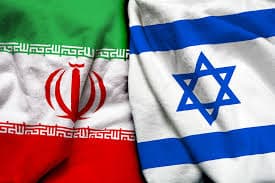
Trader sentiment on Iranian military action against Israel hinges on the absence of major new provocations since Israel's limited strikes on Iranian military sites on October 26, 2024, following Tehran's ballistic missile barrage earlier that month. Both sides have signaled restraint to avoid broader escalation, with Iran's proxies like Hezbollah significantly weakened by Israeli operations in Lebanon, including the killing of leader Hassan Nasrallah. U.S. involvement in intercepts and post-election dynamics under President-elect Trump add deterrence layers. Upcoming catalysts include potential Israeli moves against remaining threats or Iranian nuclear advancements, though official rhetoric emphasizes de-escalation amid ongoing Gaza and Lebanon conflicts. Markets price in low near-term risk based on this fragile balance.
Experimental AI-generated summary referencing Polymarket data · UpdatedIran military action against Israel on...?
Iran military action against Israel on...?
$116,508 Vol.
March 19
85%
March 20
76%
March 21
68%
March 22
63%
March 23
63%
March 24
63%
March 25
63%
March 26
63%
March 27
63%
March 28
63%
March 29
61%
March 30
61%
March 31
61%
$116,508 Vol.
March 19
85%
March 20
76%
March 21
68%
March 22
63%
March 23
63%
March 24
63%
March 25
63%
March 26
63%
March 27
63%
March 28
63%
March 29
61%
March 30
61%
March 31
61%
For the purposes of this market, a qualifying "strike" is defined as the use of aerial bombs, drones, or missiles (including cruise or ballistic missiles) launched by Iranian military forces that impact Israeli ground territory.
A strike on any area within the terrestrial territory of Israel counts. Strikes within the West Bank or the Gaza Strip will not be counted as Israel.
Only military actions by Iranian forces explicitly claimed by the Islamic Republic of Iran, or confirmed to have originated from Iranian territory, will count toward the resolution of this market. Attacks by proxy forces (i.e., Hezbollah, Houthis, etc.) will not count toward the resolution of this market.
Missiles or drones that are intercepted and surface-to-air missile strikes will not be sufficient for a "Yes" resolution, regardless of whether they land on Israeli territory or cause damage.
Actions such as artillery fire, small arms fire, FPV or ATGM strikes, ground incursions, naval shelling, cyberattacks, or other operations conducted by Iranian ground operatives will not qualify.
The primary resolution source will be official government/military statements (Israeli or foreign), multilateral bodies (UN, etc.), or a consensus of credible reporting from major international media and national broadcasters/newspapers.
If the date/time of a strike cannot be confirmed by a consensus of credible reporting by the end of the third calendar date after the specified date, it will resolve to "No" regardless of whether a strike is later confirmed to have taken place.
Market Opened: Mar 17, 2026, 5:50 PM ET
Resolver
0x65070BE91...Resolver
0x65070BE91...Trader sentiment on Iranian military action against Israel hinges on the absence of major new provocations since Israel's limited strikes on Iranian military sites on October 26, 2024, following Tehran's ballistic missile barrage earlier that month. Both sides have signaled restraint to avoid broader escalation, with Iran's proxies like Hezbollah significantly weakened by Israeli operations in Lebanon, including the killing of leader Hassan Nasrallah. U.S. involvement in intercepts and post-election dynamics under President-elect Trump add deterrence layers. Upcoming catalysts include potential Israeli moves against remaining threats or Iranian nuclear advancements, though official rhetoric emphasizes de-escalation amid ongoing Gaza and Lebanon conflicts. Markets price in low near-term risk based on this fragile balance.
Experimental AI-generated summary referencing Polymarket data · Updated
Beware of external links.
Beware of external links.
Frequently Asked Questions