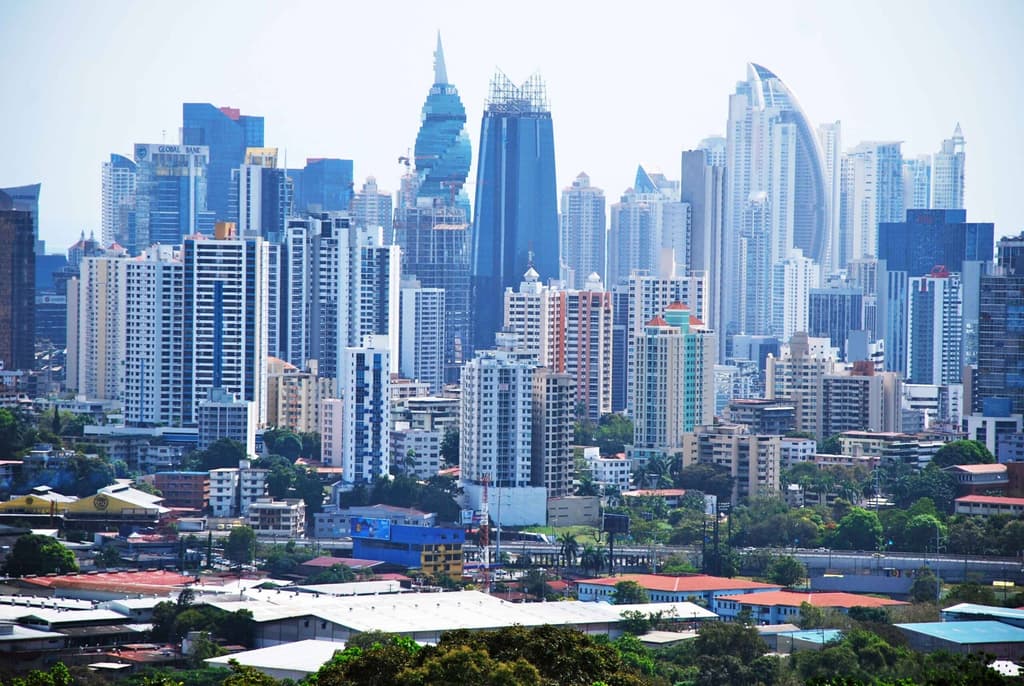
Traders see the 31–32°C outcomes as most likely for Panama City’s daily maximum on August 28 because the rainy season’s deep convection and persistent cloud cover typically cap afternoon heating near the long-term August average of 30–31°C. Recent model runs show scattered thunderstorms developing by midday, which can either suppress peaks through shading or briefly allow brief sun breaks that push readings to 32°C. High humidity near 80–90% and light northwest winds limit evaporative cooling while keeping the heat index elevated, yet the narrow 1°C spread between leading probabilities reflects genuine uncertainty in exact storm timing and coverage from official forecasts. Historical analogs from similar late-August patterns confirm that resolution often hinges on whether convection organizes before or after the diurnal temperature peak.
Résumé expérimental généré par IA à partir des données Polymarket. Ceci n'est pas un conseil de trading et ne joue aucun rôle dans la résolution de ce marché. · Mis à jourLa température la plus élevée à Panama City le 28 août ?
La température la plus élevée à Panama City le 28 août ?
32°C 41%
31°C 37%
30°C 13%
33°C 9%
26°C ou moins
<1%
27°C
<1%
28°C
<1%
29°C
2%
30°C
13%
31°C
37%
32°C
41%
33°C
9%
34°C
<1%
35°C
<1%
36°C ou plus
<1%
32°C 41%
31°C 37%
30°C 13%
33°C 9%
26°C ou moins
<1%
27°C
<1%
28°C
<1%
29°C
2%
30°C
13%
31°C
37%
32°C
41%
33°C
9%
34°C
<1%
35°C
<1%
36°C ou plus
<1%
The resolution source for this market will be information from NOAA, specifically the highest reading under the "Temp" column for all times on this day, available here: https://www.weather.gov/wrh/timeseries?site=mpmg
If NOAA data is unavailable or missing for the observation period, Weather Underground will be used as the secondary resolution source.
To toggle between Fahrenheit and Celsius, click the "Switch to Metric Units" button until the relevant table displays °C.
This market can not resolve until the first data point for the following date has been published on the resolution source.
The resolution source for this market measures temperatures to whole degrees Celsius (eg, 9°C). Thus, this is the level of precision that will be used when resolving the market.
Revisions to temperatures recorded within this market's timeframe will be considered until the first datapoint for the following date has been published, after which any alterations will not be considered.
Marché ouvert : Aug 26, 2026, 8:57 PM ET
Source de résolution
https://www.weather.gov/wrh/timeseries?site=mpmgResolver
0x69c47De9D...The resolution source for this market will be information from NOAA, specifically the highest reading under the "Temp" column for all times on this day, available here: https://www.weather.gov/wrh/timeseries?site=mpmg
If NOAA data is unavailable or missing for the observation period, Weather Underground will be used as the secondary resolution source.
To toggle between Fahrenheit and Celsius, click the "Switch to Metric Units" button until the relevant table displays °C.
This market can not resolve until the first data point for the following date has been published on the resolution source.
The resolution source for this market measures temperatures to whole degrees Celsius (eg, 9°C). Thus, this is the level of precision that will be used when resolving the market.
Revisions to temperatures recorded within this market's timeframe will be considered until the first datapoint for the following date has been published, after which any alterations will not be considered.
Source de résolution
https://www.weather.gov/wrh/timeseries?site=mpmgResolver
0x69c47De9D...Traders see the 31–32°C outcomes as most likely for Panama City’s daily maximum on August 28 because the rainy season’s deep convection and persistent cloud cover typically cap afternoon heating near the long-term August average of 30–31°C. Recent model runs show scattered thunderstorms developing by midday, which can either suppress peaks through shading or briefly allow brief sun breaks that push readings to 32°C. High humidity near 80–90% and light northwest winds limit evaporative cooling while keeping the heat index elevated, yet the narrow 1°C spread between leading probabilities reflects genuine uncertainty in exact storm timing and coverage from official forecasts. Historical analogs from similar late-August patterns confirm that resolution often hinges on whether convection organizes before or after the diurnal temperature peak.
Résumé expérimental généré par IA à partir des données Polymarket. Ceci n'est pas un conseil de trading et ne joue aucun rôle dans la résolution de ce marché. · Mis à jour
Méfiez-vous des liens externes.
Méfiez-vous des liens externes.
Questions fréquentes