
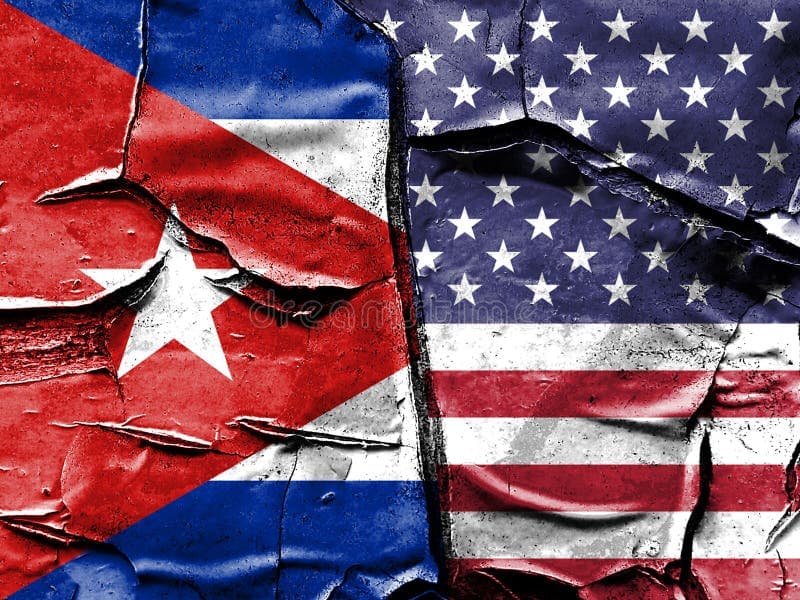
US sanctions and diplomatic pressure have intensified in 2026 without crossing into military invasion, sustaining trader expectations that direct US forces will not enter Cuba this year. President Trump’s September UN address labeling Cuba a failed state and Secretary of State Marco Rubio’s subsequent offer of talks conditioned on leadership transition reflect a strategy centered on economic measures, including recent nickel-sector sanctions and energy restrictions tied to the loss of Venezuelan oil supplies. Cuba’s government has rejected negotiations while highlighting embargo costs, yet no troop deployments or invasion preparations have materialized in recent months. Historical precedent and current policy signals favor continued sanctions and potential leadership inducements over the high costs and risks of armed intervention before year-end.
Eksperimental na AI-generated summary na nire-reference ang Polymarket data. Hindi ito trading advice at wala itong papel sa kung paano nire-resolve ang market na ito. · Na-updateOo
$3,369,015 Vol.
$3,369,015 Vol.
Oo
$3,369,015 Vol.
$3,369,015 Vol.
For the purposes of this market, land de facto controlled by Cuba or the United States as market creation, will be considered the sovereign territory of that country.
The resolution source for this market will be a consensus of credible sources.
Binuksan ang Market: Jan 4, 2026, 3:24 PM ET
Resolver
0x65070be91...For the purposes of this market, land de facto controlled by Cuba or the United States as market creation, will be considered the sovereign territory of that country.
The resolution source for this market will be a consensus of credible sources.
Resolver
0x65070be91...US sanctions and diplomatic pressure have intensified in 2026 without crossing into military invasion, sustaining trader expectations that direct US forces will not enter Cuba this year. President Trump’s September UN address labeling Cuba a failed state and Secretary of State Marco Rubio’s subsequent offer of talks conditioned on leadership transition reflect a strategy centered on economic measures, including recent nickel-sector sanctions and energy restrictions tied to the loss of Venezuelan oil supplies. Cuba’s government has rejected negotiations while highlighting embargo costs, yet no troop deployments or invasion preparations have materialized in recent months. Historical precedent and current policy signals favor continued sanctions and potential leadership inducements over the high costs and risks of armed intervention before year-end.
Eksperimental na AI-generated summary na nire-reference ang Polymarket data. Hindi ito trading advice at wala itong papel sa kung paano nire-resolve ang market na ito. · Na-update

Mag-ingat sa mga external link.
Mag-ingat sa mga external link.
Mga Madalas na Tanong