Um in den USA zu traden, geh zu polymarket.us

icon for Allzeitpazifischer Kategorie-5-Hurrikan-Rekord im Jahr 2026 gebrochen?

Allzeitpazifischer Kategorie-5-Hurrikan-Rekord im Jahr 2026 gebrochen?

icon for Allzeitpazifischer Kategorie-5-Hurrikan-Rekord im Jahr 2026 gebrochen?

Allzeitpazifischer Kategorie-5-Hurrikan-Rekord im Jahr 2026 gebrochen?

Ja

39% Chance
Polymarket
NEU

Ja

39% Chance
Polymarket
NEU
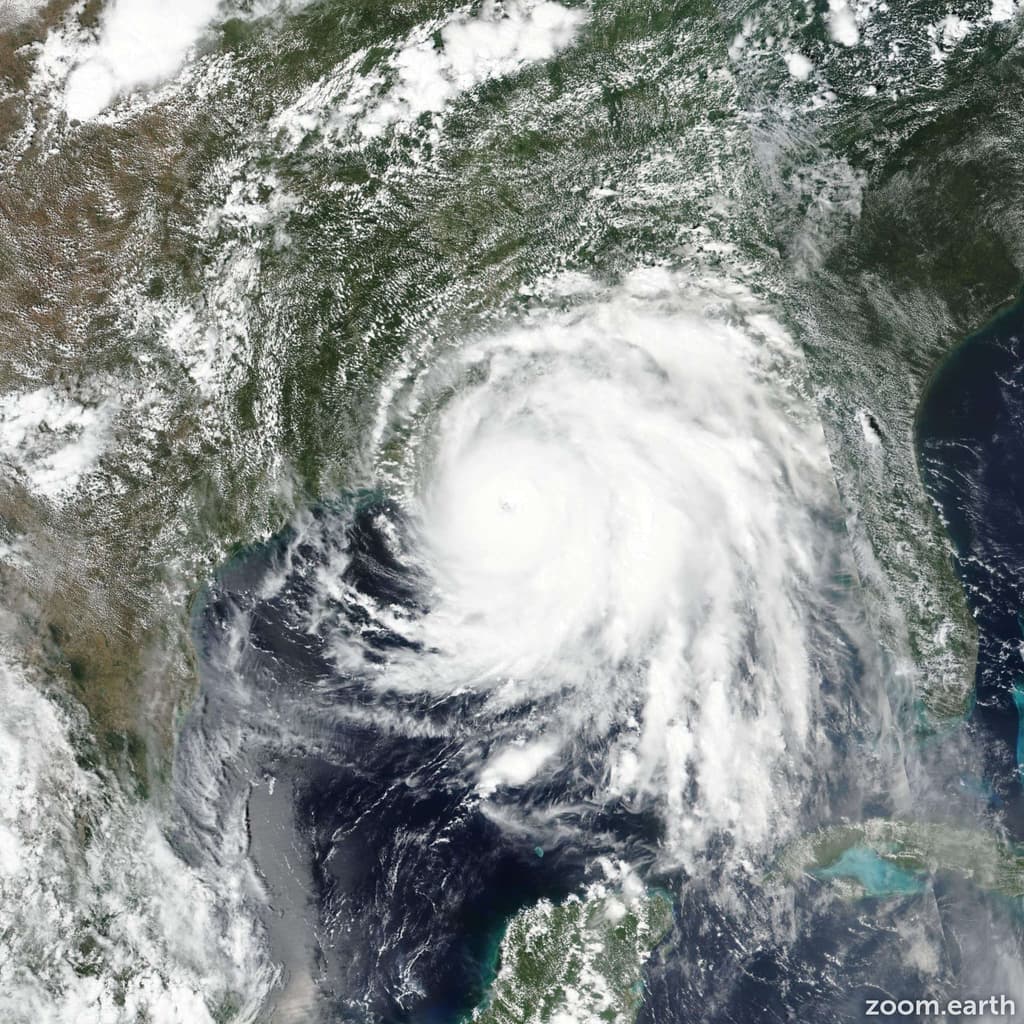
This market will resolve to "Yes" if four or more distinct tropical cyclones are assigned Category 5 intensity while located in the Pacific Ocean north of the equator and east of the International Date Line between January 1, 2026 and November 30, 2026, 11:59 PM ET. Otherwise, this market will resolve to "No". The record for this area is three in a single calendar year. A tropical cyclone is assigned Category 5 intensity when an operational advisory reports a maximum sustained wind speed (1-minute average) of at least 157 mph, corresponding to Category 5 on the Saffir-Simpson Hurricane Wind Scale. Operational advisories for this area are issued by the National Hurricane Center and the Central Pacific Hurricane Center. Each tropical cyclone counts once toward the total, no matter how many advisories or how many separate periods report it at Category 5 intensity. Hurricane Genevieve, Hurricane Lowell and Hurricane Polo have each been assigned Category 5 intensity in 2026 and each count toward this total, so one additional tropical cyclone is required for this market to resolve to "Yes". A tropical cyclone in any other basin, including the Atlantic, will not be considered for resolution. Being assigned Category 5 intensity at any single advisory within this period is sufficient for a tropical cyclone to count, regardless of its intensity at any other time. Once a fourth qualifying tropical cyclone has been reported at Category 5 intensity, this market will resolve to "Yes" regardless of that storm's subsequent intensity. This market will resolve based on the operational advisory data issued for a storm while it is active. Any revision to a storm's peak intensity or category published later in a post-storm best-track report or Tropical Cyclone Report will not be considered for resolution. If a correction to an advisory is issued to fix a clerical error, the corrected advisory will govern. The primary resolution source for this market will be the operational advisories issued by the National Oceanic and Atmospheric Administration's National Hurricane Center and Central Pacific Hurricane Center (https://www.nhc.noaa.gov/); however, a consensus of credible reporting may also be used.Recent developments in the 2026 eastern Pacific season, including a super El Niño driving rapid intensification, have produced three Category 5 hurricanes—Genevieve, Lowell, and Polo—tying the seasonal record without surpassing it. Hurricane Polo’s explosive strengthening to 180 mph winds and 892 mb pressure on September 22 made it the second-most intense Pacific storm on record by central pressure, behind only 2015’s Patricia at 872 mb, per National Hurricane Center data. With the season well advanced and late-September conditions typically limiting further extremes, trader consensus at 61.5% for “No” reflects the low likelihood of a new all-time intensity benchmark before November 30, though model runs through October still warrant monitoring for any unexpected late surge.

This market will resolve to "Yes" if four or more distinct tropical cyclones are assigned Category 5 intensity while located in the Pacific Ocean north of the equator and east of the International Date Line between January 1, 2026 and November 30, 2026, 11:59 PM ET. Otherwise, this market will resolve to "No". The record for this area is three in a single calendar year.

A tropical cyclone is assigned Category 5 intensity when an operational advisory reports a maximum sustained wind speed (1-minute average) of at least 157 mph, corresponding to Category 5 on the Saffir-Simpson Hurricane Wind Scale. Operational advisories for this area are issued by the National Hurricane Center and the Central Pacific Hurricane Center.

Each tropical cyclone counts once toward the total, no matter how many advisories or how many separate periods report it at Category 5 intensity. Hurricane Genevieve, Hurricane Lowell and Hurricane Polo have each been assigned Category 5 intensity in 2026 and each count toward this total, so one additional tropical cyclone is required for this market to resolve to "Yes". A tropical cyclone in any other basin, including the Atlantic, will not be considered for resolution.

Being assigned Category 5 intensity at any single advisory within this period is sufficient for a tropical cyclone to count, regardless of its intensity at any other time. Once a fourth qualifying tropical cyclone has been reported at Category 5 intensity, this market will resolve to "Yes" regardless of that storm's subsequent intensity.

This market will resolve based on the operational advisory data issued for a storm while it is active. Any revision to a storm's peak intensity or category published later in a post-storm best-track report or Tropical Cyclone Report will not be considered for resolution. If a correction to an advisory is issued to fix a clerical error, the corrected advisory will govern.

The primary resolution source for this market will be the operational advisories issued by the National Oceanic and Atmospheric Administration's National Hurricane Center and Central Pacific Hurricane Center (https://www.nhc.noaa.gov/); however, a consensus of credible reporting may also be used.
This market will resolve to "Yes" if four or more distinct tropical cyclones are assigned Category 5 intensity while located in the Pacific Ocean north of the equator and east of the International Date Line between January 1, 2026 and November 30, 2026, 11:59 PM ET. Otherwise, this market will resolve to "No". The record for this area is three in a single calendar year. A tropical cyclone is assigned Category 5 intensity when an operational advisory reports a maximum sustained wind speed (1-minute average) of at least 157 mph, corresponding to Category 5 on the Saffir-Simpson Hurricane Wind Scale. Operational advisories for this area are issued by the National Hurricane Center and the Central Pacific Hurricane Center. Each tropical cyclone counts once toward the total, no matter how many advisories or how many separate periods report it at Category 5 intensity. Hurricane Genevieve, Hurricane Lowell and Hurricane Polo have each been assigned Category 5 intensity in 2026 and each count toward this total, so one additional tropical cyclone is required for this market to resolve to "Yes". A tropical cyclone in any other basin, including the Atlantic, will not be considered for resolution. Being assigned Category 5 intensity at any single advisory within this period is sufficient for a tropical cyclone to count, regardless of its intensity at any other time. Once a fourth qualifying tropical cyclone has been reported at Category 5 intensity, this market will resolve to "Yes" regardless of that storm's subsequent intensity. This market will resolve based on the operational advisory data issued for a storm while it is active. Any revision to a storm's peak intensity or category published later in a post-storm best-track report or Tropical Cyclone Report will not be considered for resolution. If a correction to an advisory is issued to fix a clerical error, the corrected advisory will govern. The primary resolution source for this market will be the operational advisories issued by the National Oceanic and Atmospheric Administration's National Hurricane Center and Central Pacific Hurricane Center (https://www.nhc.noaa.gov/); however, a consensus of credible reporting may also be used.
Volumen
$119
Enddatum
1. Dez. 2026
Markt eröffnet
Sep 22, 2026, 4:47 PM ET

Abwicklungsquelle

https://www.nhc.noaa.gov/
This market will resolve to "Yes" if four or more distinct tropical cyclones are assigned Category 5 intensity while located in the Pacific Ocean north of the equator and east of the International Date Line between January 1, 2026 and November 30, 2026, 11:59 PM ET. Otherwise, this market will resolve to "No". The record for this area is three in a single calendar year. A tropical cyclone is assigned Category 5 intensity when an operational advisory reports a maximum sustained wind speed (1-minute average) of at least 157 mph, corresponding to Category 5 on the Saffir-Simpson Hurricane Wind Scale. Operational advisories for this area are issued by the National Hurricane Center and the Central Pacific Hurricane Center. Each tropical cyclone counts once toward the total, no matter how many advisories or how many separate periods report it at Category 5 intensity. Hurricane Genevieve, Hurricane Lowell and Hurricane Polo have each been assigned Category 5 intensity in 2026 and each count toward this total, so one additional tropical cyclone is required for this market to resolve to "Yes". A tropical cyclone in any other basin, including the Atlantic, will not be considered for resolution. Being assigned Category 5 intensity at any single advisory within this period is sufficient for a tropical cyclone to count, regardless of its intensity at any other time. Once a fourth qualifying tropical cyclone has been reported at Category 5 intensity, this market will resolve to "Yes" regardless of that storm's subsequent intensity. This market will resolve based on the operational advisory data issued for a storm while it is active. Any revision to a storm's peak intensity or category published later in a post-storm best-track report or Tropical Cyclone Report will not be considered for resolution. If a correction to an advisory is issued to fix a clerical error, the corrected advisory will govern. The primary resolution source for this market will be the operational advisories issued by the National Oceanic and Atmospheric Administration's National Hurricane Center and Central Pacific Hurricane Center (https://www.nhc.noaa.gov/); however, a consensus of credible reporting may also be used.Recent developments in the 2026 eastern Pacific season, including a super El Niño driving rapid intensification, have produced three Category 5 hurricanes—Genevieve, Lowell, and Polo—tying the seasonal record without surpassing it. Hurricane Polo’s explosive strengthening to 180 mph winds and 892 mb pressure on September 22 made it the second-most intense Pacific storm on record by central pressure, behind only 2015’s Patricia at 872 mb, per National Hurricane Center data. With the season well advanced and late-September conditions typically limiting further extremes, trader consensus at 61.5% for “No” reflects the low likelihood of a new all-time intensity benchmark before November 30, though model runs through October still warrant monitoring for any unexpected late surge.

This market will resolve to "Yes" if four or more distinct tropical cyclones are assigned Category 5 intensity while located in the Pacific Ocean north of the equator and east of the International Date Line between January 1, 2026 and November 30, 2026, 11:59 PM ET. Otherwise, this market will resolve to "No". The record for this area is three in a single calendar year.

A tropical cyclone is assigned Category 5 intensity when an operational advisory reports a maximum sustained wind speed (1-minute average) of at least 157 mph, corresponding to Category 5 on the Saffir-Simpson Hurricane Wind Scale. Operational advisories for this area are issued by the National Hurricane Center and the Central Pacific Hurricane Center.

Each tropical cyclone counts once toward the total, no matter how many advisories or how many separate periods report it at Category 5 intensity. Hurricane Genevieve, Hurricane Lowell and Hurricane Polo have each been assigned Category 5 intensity in 2026 and each count toward this total, so one additional tropical cyclone is required for this market to resolve to "Yes". A tropical cyclone in any other basin, including the Atlantic, will not be considered for resolution.

Being assigned Category 5 intensity at any single advisory within this period is sufficient for a tropical cyclone to count, regardless of its intensity at any other time. Once a fourth qualifying tropical cyclone has been reported at Category 5 intensity, this market will resolve to "Yes" regardless of that storm's subsequent intensity.

This market will resolve based on the operational advisory data issued for a storm while it is active. Any revision to a storm's peak intensity or category published later in a post-storm best-track report or Tropical Cyclone Report will not be considered for resolution. If a correction to an advisory is issued to fix a clerical error, the corrected advisory will govern.

The primary resolution source for this market will be the operational advisories issued by the National Oceanic and Atmospheric Administration's National Hurricane Center and Central Pacific Hurricane Center (https://www.nhc.noaa.gov/); however, a consensus of credible reporting may also be used.
This market will resolve to "Yes" if four or more distinct tropical cyclones are assigned Category 5 intensity while located in the Pacific Ocean north of the equator and east of the International Date Line between January 1, 2026 and November 30, 2026, 11:59 PM ET. Otherwise, this market will resolve to "No". The record for this area is three in a single calendar year. A tropical cyclone is assigned Category 5 intensity when an operational advisory reports a maximum sustained wind speed (1-minute average) of at least 157 mph, corresponding to Category 5 on the Saffir-Simpson Hurricane Wind Scale. Operational advisories for this area are issued by the National Hurricane Center and the Central Pacific Hurricane Center. Each tropical cyclone counts once toward the total, no matter how many advisories or how many separate periods report it at Category 5 intensity. Hurricane Genevieve, Hurricane Lowell and Hurricane Polo have each been assigned Category 5 intensity in 2026 and each count toward this total, so one additional tropical cyclone is required for this market to resolve to "Yes". A tropical cyclone in any other basin, including the Atlantic, will not be considered for resolution. Being assigned Category 5 intensity at any single advisory within this period is sufficient for a tropical cyclone to count, regardless of its intensity at any other time. Once a fourth qualifying tropical cyclone has been reported at Category 5 intensity, this market will resolve to "Yes" regardless of that storm's subsequent intensity. This market will resolve based on the operational advisory data issued for a storm while it is active. Any revision to a storm's peak intensity or category published later in a post-storm best-track report or Tropical Cyclone Report will not be considered for resolution. If a correction to an advisory is issued to fix a clerical error, the corrected advisory will govern. The primary resolution source for this market will be the operational advisories issued by the National Oceanic and Atmospheric Administration's National Hurricane Center and Central Pacific Hurricane Center (https://www.nhc.noaa.gov/); however, a consensus of credible reporting may also be used.
Volumen
$119
Enddatum
1. Dez. 2026
Markt eröffnet
Sep 22, 2026, 4:47 PM ET

Abwicklungsquelle

https://www.nhc.noaa.gov/

Vorsicht bei externen Links.

Häufig gestellte Fragen

„Allzeitpazifischer Kategorie-5-Hurrikan-Rekord im Jahr 2026 gebrochen?" ist ein Prognosemarkt auf Polymarket mit 2 möglichen Ergebnissen, bei dem Händler Anteile auf Basis ihrer Einschätzung kaufen und verkaufen. Das aktuell führende Ergebnis ist „Wurde der Allzeitrekord für Kategorie-5-Hurrikane im Pazifik im Jahr 2026 gebrochen?" mit 39%. Die Preise spiegeln Echtzeit-Wahrscheinlichkeiten der Community wider. Ein Anteilspreis von 39¢ bedeutet, dass der Markt diesem Ergebnis eine Wahrscheinlichkeit von 39% zuweist. Diese Quoten ändern sich laufend, wenn Händler auf neue Entwicklungen reagieren. Anteile am richtigen Ergebnis können bei Marktauflösung für jeweils $1 eingelöst werden.

„Allzeitpazifischer Kategorie-5-Hurrikan-Rekord im Jahr 2026 gebrochen?" ist ein neu erstellter Markt auf Polymarket, gestartet am Sep 22, 2026. Als früher Markt haben Sie die Gelegenheit, zu den ersten Händlern zu gehören, die die Quoten setzen und die ersten Preissignale des Marktes etablieren. Sie können diese Seite auch als Lesezeichen speichern, um Volumen und Handelsaktivität zu verfolgen, während der Markt an Fahrt gewinnt.

Um auf „Allzeitpazifischer Kategorie-5-Hurrikan-Rekord im Jahr 2026 gebrochen?" zu handeln, durchsuchen Sie die 2 verfügbaren Ergebnisse auf dieser Seite. Jedes Ergebnis zeigt einen aktuellen Preis, der die implizierte Wahrscheinlichkeit des Marktes darstellt. Um eine Position einzunehmen, wählen Sie das Ergebnis, das Sie für am wahrscheinlichsten halten, wählen Sie „Ja" um dafür oder „Nein" um dagegen zu handeln, geben Sie Ihren Betrag ein und klicken Sie auf „Handeln". Liegt Ihr gewähltes Ergebnis bei Marktauflösung richtig, zahlen Ihre „Ja"-Anteile jeweils $1 aus. Liegt es falsch, zahlen sie $0. Sie können Ihre Anteile auch jederzeit vor der Auflösung verkaufen.

Der aktuelle Favorit für „Allzeitpazifischer Kategorie-5-Hurrikan-Rekord im Jahr 2026 gebrochen?" ist „Wurde der Allzeitrekord für Kategorie-5-Hurrikane im Pazifik im Jahr 2026 gebrochen?" mit 39%, was bedeutet, dass der Markt diesem Ergebnis eine Wahrscheinlichkeit von 39% zuweist. Diese Quoten werden in Echtzeit aktualisiert, wenn Händler Anteile kaufen und verkaufen. Schauen Sie regelmäßig vorbei oder speichern Sie diese Seite als Lesezeichen.

Die Auflösungsregeln für „Allzeitpazifischer Kategorie-5-Hurrikan-Rekord im Jahr 2026 gebrochen?" definieren genau, was passieren muss, damit jedes Ergebnis als Gewinner erklärt wird – einschließlich der offiziellen Datenquellen zur Bestimmung des Ergebnisses. Sie können die vollständigen Auflösungskriterien im Abschnitt „Regeln" auf dieser Seite über den Kommentaren einsehen. Wir empfehlen, die Regeln vor dem Handeln sorgfältig zu lesen, da sie die genauen Bedingungen, Sonderfälle und Quellen festlegen.