
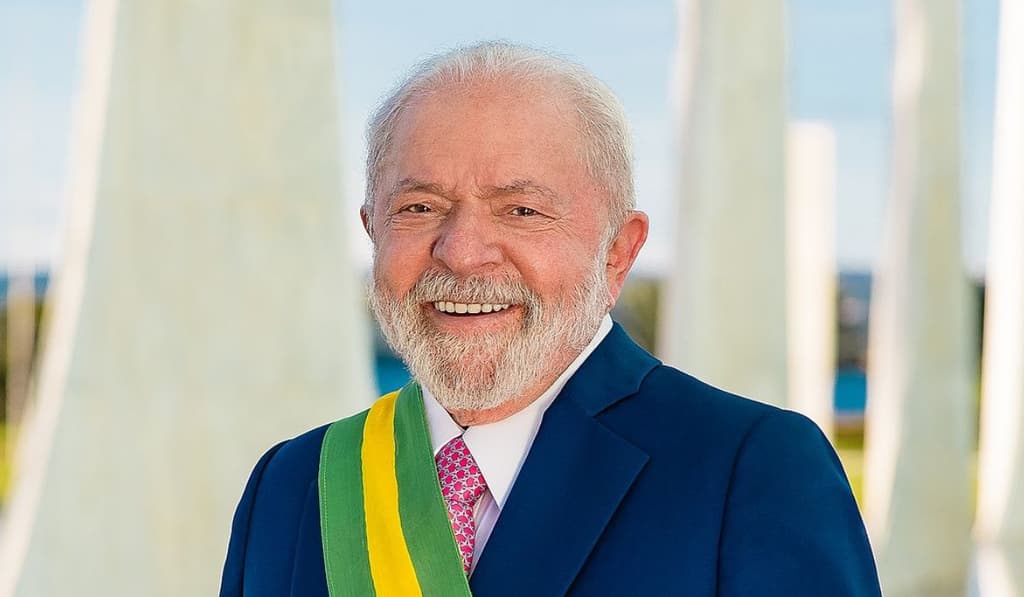


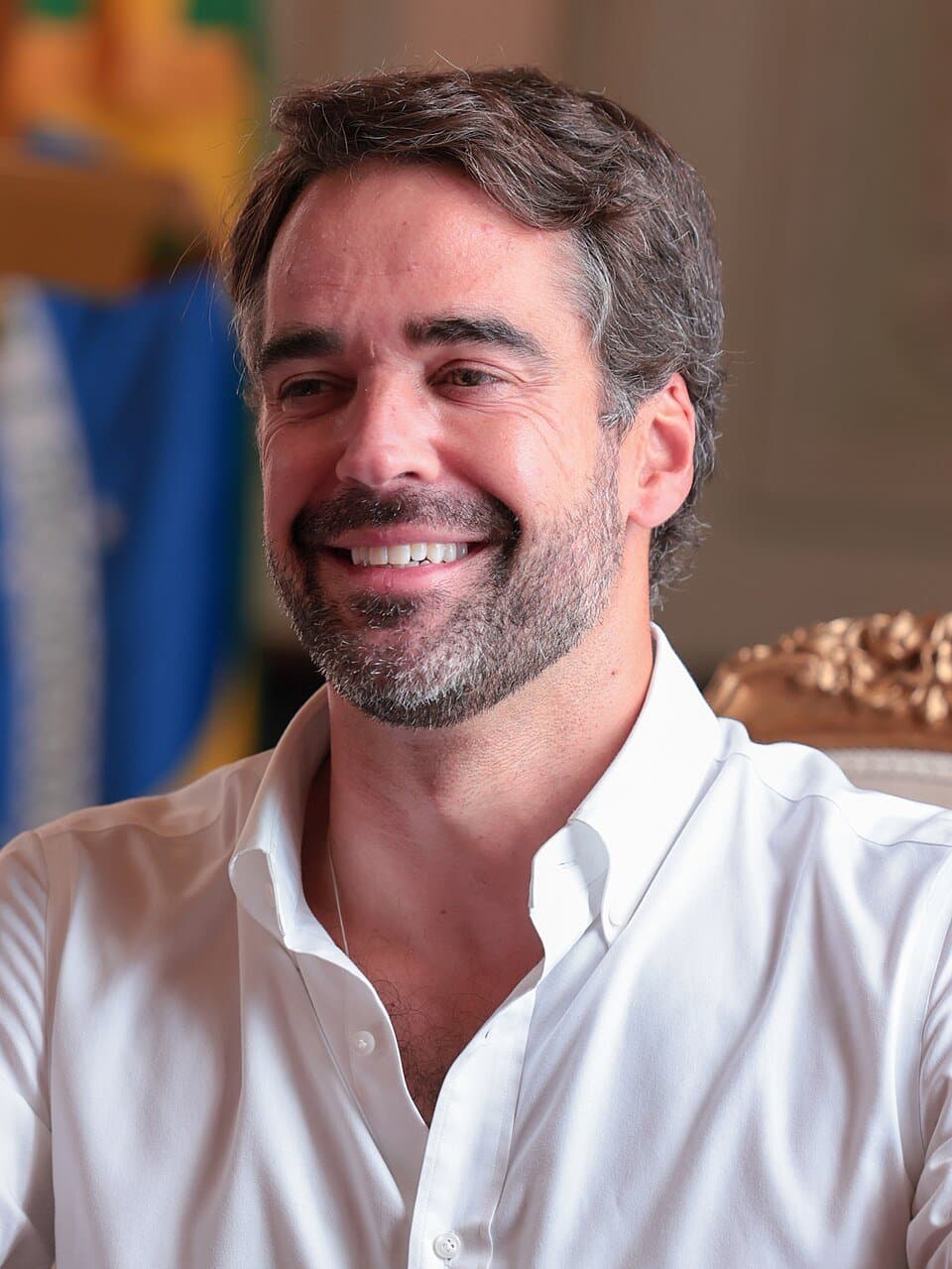


Lula da Silva’s position as the incumbent Workers’ Party candidate seeking a fourth term anchors his leading 66.5% implied probability, supported by first-round polling leads near 38–42% and narrow runoff edges over rivals ahead of the October 4 vote. Flávio Bolsonaro’s 28.6% share reflects Liberal Party consolidation of the right-wing vote after Jair Bolsonaro’s ineligibility due to imprisonment on coup-related charges, though Flávio’s standing has been tempered by June audio leaks and family tensions that later reconciled. Recent Quaest and other August surveys show Lula’s runoff advantage narrowing to statistical ties in some models amid voter concerns over crime and economic pressures, while government debt-relief expansions and temporary fuel subsidies have helped stabilize assessments of the incumbent’s edge in a polarized field. Lower probabilities for candidates such as Renan Santos and Ronaldo Caiado align with their single-digit support.
Experimentelle KI-generierte Zusammenfassung mit Polymarket-Daten. Dies ist keine Handelsberatung und spielt keine Rolle bei der Auflösung dieses Marktes. · AktualisiertMichelle Bolsonaro registers candidacy for Senate in Federal District
Former First Lady Michelle Bolsonaro registered her candidacy for the Senate representing the Federal District, aiming to strengthen the Bolsonaro family's political presence despite internal family tensions. This move had minimal impact on the presidential market but was notable in the broader political landscape.
Poll shows Lula holds slim lead over Flávio Bolsonaro ahead of Brazil election
Luiz Inácio Lula da Silva rises to 67%2%
A new poll conducted by Quaest shows President Lula leading Senator Flávio Bolsonaro by a narrow margin, indicating a competitive and tightening race ahead of the October election.
Flávio Bolsonaro presents government plan focusing on security and economy
Flávio Bolsonaro rises to 29%2%
Flávio Bolsonaro presented his government plan in a live broadcast, outlining proposals on security and economic policies, aiming to strengthen his campaign platform ahead of the official start of the election campaign.
Flávio Bolsonaro to officially launch presidential campaign in Rio de Janeiro
Flávio Bolsonaro rises to 28%2%
Senator Flávio Bolsonaro announced plans to officially launch his presidential campaign in Copacabana, Rio de Janeiro, marking a key step in his campaign efforts ahead of the October election.
Michelle Bolsonaro records joint message with Flávio Bolsonaro signaling reconciliation
In August 2026, Michelle Bolsonaro and Flávio Bolsonaro recorded a joint video message indicating reconciliation after previous public disputes, which slightly improved Michelle's political standing though her market support remained limited.
Flávio Bolsonaro selects running mate for 2026 presidential election
Flávio Bolsonaro rises to 29%2%
Flávio Bolsonaro announced Alfredo Gaspar as his vice-presidential running mate, aiming to broaden his campaign appeal amid a tightening race against Lula.
Flávio Bolsonaro announces running mate for October election
Flávio Bolsonaro rises to 27%3%
Flávio Bolsonaro selected his running mate, a lawmaker from his party, solidifying his ticket for the October presidential election and aiming to consolidate support within the right-wing bloc.
Flávio Bolsonaro names Alfredo Gaspar as running mate
Flávio Bolsonaro rises to 27%3%
Flávio Bolsonaro announced conservative Congressman Alfredo Gaspar as his vice-presidential running mate, completing his ticket for the October election and aiming to consolidate support.
Michelle Bolsonaro admits possible 2026 candidacy but denies wanting presidency
Michelle Bolsonaro plunges to 0%52%
Former First Lady Michelle Bolsonaro publicly entertained the possibility of running in 2026, raising her market price temporarily, but later denied wanting to be president, leading to a collapse in her market support and signaling internal right-wing disputes.
Renan Santos officially launches presidential candidacy with party Missão
Renan Santos rises to 8%1%
Renan Santos and the Mission Party officially launched his presidential candidacy, positioning him as a right-wing alternative and impacting his market presence slightly.
PT confirms Luiz Inácio Lula da Silva as candidate for 2026 presidential election
Luiz Inácio Lula da Silva jumps to 61%5%
The Workers' Party (PT) officially confirmed incumbent President Luiz Inácio Lula da Silva as its candidate for re-election in the 2026 presidential election, solidifying his frontrunner status.
Lula officially nominated for 2026 presidential re-election with Geraldo Alckmin as running mate
Luiz Inácio Lula da Silva rises to 64%4%
The Workers' Party officially nominated incumbent President Luiz Inácio Lula da Silva for re-election in the 2026 presidential election, confirming Geraldo Alckmin as his vice-presidential candidate. This solidified Lula's frontrunner status and contributed to his market price rising to 64%.
PT confirms Lula’s candidacy and Geraldo Alckmin as running mate
Luiz Inácio Lula da Silva rises to 64%3%
The Workers’ Party formally confirmed Luiz Inácio Lula da Silva as their presidential candidate and Geraldo Alckmin as his vice-presidential running mate at the party convention, solidifying the coalition and campaign structure ahead of the election.
Workers' Party officially nominates Lula for re-election with Geraldo Alckmin as running mate
Luiz Inácio Lula da Silva rises to 64%3%
The Workers' Party formally nominated Luiz Inácio Lula da Silva and Geraldo Alckmin as their presidential and vice-presidential candidates for the October 2026 election, reinforcing Lula's frontrunner status.
Lula launches formal bid for fourth presidential term amid rising foreign pressure
Luiz Inácio Lula da Silva rises to 65%4%
Luiz Inácio Lula da Silva officially launched his campaign for a fourth term as president, facing increasing pressure from foreign leaders ahead of the October election. This reaffirmed his frontrunner status and influenced market confidence in his candidacy.
Lula formally nominated for 2026 re-election with Geraldo Alckmin as running mate
Luiz Inácio Lula da Silva rises to 65%2%
The Workers’ Party held its national convention to formally nominate President Luiz Inácio Lula da Silva for a fourth term, with Geraldo Alckmin confirmed again as his vice-presidential candidate. This official nomination solidified Lula's campaign and reinforced his frontrunner status.
Lula launches re-election campaign at Workers' Party convention
Luiz Inácio Lula da Silva rises to 66%4%
President Lula formally launched his campaign for a fourth term at the Workers' Party convention, emphasizing national sovereignty and his fitness despite age concerns, which boosted his market price significantly.
Lula formally launches bid for fourth presidential term with Alckmin as running mate
Luiz Inácio Lula da Silva jumps to 64%9%
Incumbent President Luiz Inácio Lula da Silva officially launched his campaign for a fourth term, confirming Geraldo Alckmin as his vice-presidential running mate. This move reassured moderate and business voters and reinforced Lula's frontrunner status in the election market.
Lula launches fourth-term bid focusing on national sovereignty
Luiz Inácio Lula da Silva rises to 64%1%
On August 2, 2026, President Luiz Inácio Lula da Silva formally launched his campaign for a fourth term, framing the election as a defense of national sovereignty and emphasizing his leadership. This event reinforced his frontrunner status and contributed to his market price reaching 64%.
Lula da Silva formally launches reelection bid at Workers' Party convention
Luiz Inácio Lula da Silva rises to 65%4%
On August 2, 2026, Lula formally launched his reelection campaign at the Workers' Party national convention, reinforcing his position as the leading candidate and consolidating support ahead of the October election.
Lula officially nominated as Workers' Party presidential candidate
Luiz Inácio Lula da Silva jumps to 66%5%
Lula was officially nominated by the Workers' Party at a large event in São Paulo, confirming his bid for a fourth term and reinforcing his frontrunner status in the election market.
Luiz Inácio Lula da Silva officially nominated for 2026 presidential re-election
Luiz Inácio Lula da Silva jumps to 65%12%
The Workers' Party officially nominated incumbent President Luiz Inácio Lula da Silva as their candidate for the 2026 presidential election, confirming his bid for a fourth term. This solidified Lula's frontrunner status and contributed to his market price increase.
Workers' Party officially nominates Luiz Inácio Lula da Silva for 2026 presidential election
Luiz Inácio Lula da Silva rises to 65%1%
The Workers' Party confirmed Lula's candidacy for a fourth term during a large convention in São Paulo, solidifying his position as the incumbent and leading candidate ahead of the October election.
Lula officially nominated for re-election with Geraldo Alckmin as running mate
Luiz Inácio Lula da Silva rises to 65%2%
The Workers' Party confirmed Luiz Inácio Lula da Silva's candidacy for re-election, with Geraldo Alckmin again as vice president, consolidating the leftist coalition and reinforcing Lula's frontrunner status.
Lula formally nominated for re-election with Alckmin as running mate
Luiz Inácio Lula da Silva rises to 64%3%
The Workers' Party held its national convention on August 2, 2026, formally nominating Luiz Inácio Lula da Silva for re-election with Geraldo Alckmin as his vice-presidential running mate, solidifying the leftist ticket ahead of the October election and reinforcing Lula's frontrunner status.
Michelle Bolsonaro announces Senate candidacy for Federal District
Michelle Bolsonaro announced her bid for the Senate representing the Federal District, aiming to strengthen Bolsonaro supporters' presence in Congress despite tensions with Flávio Bolsonaro.
Lula launches reelection bid amid rising foreign pressure
Luiz Inácio Lula da Silva jumps to 65%5%
On August 2, 2026, Luiz Inácio Lula da Silva officially launched his reelection campaign for a fourth term, facing increasing pressure from foreign leaders. This solidified his frontrunner status and contributed to a surge in his market price.
PT confirms Lula and Geraldo Alckmin ticket for 2026 election
Luiz Inácio Lula da Silva rises to 64%3%
The Workers' Party confirmed the presidential ticket of Luiz Inácio Lula da Silva and vice-president Geraldo Alckmin for the 2026 election, reinforcing continuity and stability in Lula's campaign.
Lula officially launches reelection bid at Workers' Party convention
Luiz Inácio Lula da Silva rises to 65%3%
President Luiz Inácio Lula da Silva formally announced his candidacy for a fourth term at the Workers' Party convention, reinforcing his frontrunner status amid growing international attention and campaign momentum.
Lula officially confirmed as PT presidential candidate with Alckmin as running mate
Luiz Inácio Lula da Silva rises to 64%4%
Luiz Inácio Lula da Silva was formally confirmed as the presidential candidate for the Workers' Party, with Geraldo Alckmin confirmed again as his vice-presidential running mate, consolidating the left-wing coalition for the 2026 election.
Lula officially launches fourth-term presidential campaign at Workers’ Party convention
Luiz Inácio Lula da Silva rises to 65%4%
President Luiz Inácio Lula da Silva formally launched his campaign for a fourth term at the Workers’ Party national convention, reinforcing his frontrunner status and boosting his market position.
Michelle Bolsonaro confirmed as Senate candidate amid family tensions
Michelle Bolsonaro dips to 0%2%
Michelle Bolsonaro, former first lady, was confirmed as a candidate for the Senate by the Liberal Party, despite publicized tensions and disagreements with her stepson Flávio Bolsonaro, expanding the Bolsonaro family's political presence in the 2026 elections.
Workers' Party confirms Lula's re-election bid with Alckmin as running mate
Luiz Inácio Lula da Silva rises to 64%2%
The Workers' Party officially confirmed Luiz Inácio Lula da Silva's candidacy for a fourth term with Geraldo Alckmin as his vice-presidential running mate, reinforcing Lula's frontrunner status in the election market.
Lula officially nominated for fourth presidential term by Workers' Party
Luiz Inácio Lula da Silva rises to 64%3%
The Workers' Party held its national convention and officially nominated incumbent President Luiz Inácio Lula da Silva for re-election, with Geraldo Alckmin as his vice-presidential running mate. This formalization reinforced Lula's frontrunner status and was followed by a market price increase.
Lula formally launches campaign for fourth presidential term
Luiz Inácio Lula da Silva officially launched his campaign for a fourth term at the Workers’ Party national convention, reinforcing his frontrunner status and market price at 64%.
Renan Santos launches campaign, attacks Lula and Flávio Bolsonaro
At the national congress of Partido Missão, Renan Santos launched his presidential campaign with a radical right-wing discourse, criticizing both incumbent Lula and rival Flávio Bolsonaro, aiming to position himself as a distinct alternative.
Renan Santos launches presidential candidacy with anti-polarization message
Renan Santos jumps to 13%6%
Renan Santos, leader of the Mission Party, officially launched his presidential campaign positioning himself as an alternative to the polarized Lula-Bolsonaro dynamic, focusing on public security and economic reforms. His candidacy attracted attention among younger voters and briefly influenced market prices.
Lula officially launches 2026 re-election campaign in São Paulo
Luiz Inácio Lula da Silva jumps to 67%6%
President Luiz Inácio Lula da Silva officially launched his 2026 re-election campaign at a large event in São Paulo, reinforcing his frontrunner status and boosting market confidence in his victory chances.
Renan Santos gains media attention as a right-wing outsider and Mission Party leader
Renan Santos dips to 7%2%
Renan Santos, founder of the Mission Party and a right-wing activist, gained media attention for his presidential bid, particularly among younger voters, though he remained a distant third in polls.
Renan Santos launches presidential campaign with aggressive attacks on Lula and Flávio Bolsonaro
Renan Santos officially launched his campaign with a confrontational speech attacking both Lula and Flávio Bolsonaro, aiming to position himself as a right-wing alternative and gaining media attention.
Renan Santos confirmed as presidential candidate by Mission Party convention
Renan Santos rises to 9%1%
The Mission Party held its convention and confirmed Renan Santos as its presidential candidate, officially entering him into the 2026 race and reflecting his growing recognition, especially among younger voters.
Renan Santos officially launches presidential candidacy with anti-corruption platform
Renan Santos rises to 7%1%
Renan Santos, founder of the Movimento Brasil Livre and president of the Missão Party, officially announced his candidacy for president, positioning himself as a right-wing alternative critical of both Lula and Bolsonaro, gaining some market attention.
Renan Santos officially formalizes presidential candidacy for 2026 election
Renan Santos rises to 7%1%
Renan Santos, founder of the Mission Party, officially confirmed his candidacy for president in a virtual convention, marking his first formal entry into the 2026 presidential race. His campaign focuses on anti-establishment and right-wing renewal themes, gaining some traction among younger voters.
Renan Santos launches campaign attacking Lula and Flávio Bolsonaro
At the Partido Missão congress, Renan Santos launched his presidential campaign with strong attacks on Lula and Flávio Bolsonaro, positioning himself as a right-wing alternative and influencing his market price to stabilize around 8%.
Missão party launches Renan Santos presidential campaign with critical speech
Renan Santos dips to 7%3%
Renan Santos officially launched his presidential campaign, criticizing both Lula and Flávio Bolsonaro, and positioning himself as a strong alternative to the polarized main candidates.
Polls show Lula leads Flávio Bolsonaro in tight 2026 presidential race
Luiz Inácio Lula da Silva jumps to 61%5%
Recent polls indicated a statistical tie or narrow lead for Lula over Flávio Bolsonaro in both first and second-round scenarios, reflecting a highly competitive and polarized election environment.
Michelle Bolsonaro nominated as Senate candidate despite feud with Flávio Bolsonaro
Despite ongoing tensions with Flávio Bolsonaro, Michelle Bolsonaro was nominated by the Liberal Party as a Senate candidate, maintaining her political relevance and stabilizing her market presence.
Valdemar Costa Neto states Michelle Bolsonaro's Senate candidacy depends on Jair Bolsonaro's approval
The national president of the Liberal Party declared that Michelle Bolsonaro's candidacy for the Senate will only proceed if Jair Bolsonaro authorizes it, highlighting internal party dynamics and family influence.
Workers’ Party formally nominates Lula and Alckmin for 2026 election
Luiz Inácio Lula da Silva rises to 64%3%
The official nomination of Lula and Alckmin at the Workers’ Party convention confirmed their ticket, removing uncertainty and boosting market confidence in Lula’s re-election campaign.
Brazilian President Lula accuses U.S. of election interference amid campaign tensions
Luiz Inácio Lula da Silva rises to 61%1%
President Lula accused the U.S. of attempting to interfere in Brazil's elections, a claim denied by Washington. This diplomatic dispute heightened political tensions and became a campaign issue, influencing voter perceptions and campaign narratives.
Brazil's President Lula accuses U.S. of attempting to interfere in country's election
Luiz Inácio Lula da Silva jumps to 66%5%
President Lula accused the U.S. of trying to interfere in Brazil's elections, framing the dispute as a defense of sovereignty amid tensions over foreign involvement and election integrity, which influenced political narratives and market perceptions.
Poll shows Lula leading Flávio Bolsonaro in potential runoff
Luiz Inácio Lula da Silva jumps to 66%5%
A Reuters poll from late July showed Lula leading Flávio Bolsonaro 48.8% to 42.3% in a simulated second round, reinforcing Lula's frontrunner status and supporting his market price increase to 66%.
PSB officially confirms Geraldo Alckmin as Lula's running mate for 2026 election
Luiz Inácio Lula da Silva rises to 64%3%
The Brazilian Socialist Party officially confirmed Vice President Geraldo Alckmin as Luiz Inácio Lula da Silva's running mate for the 2026 presidential election, solidifying the leftist coalition and boosting Lula's market position.
Geraldo Alckmin confirmed as Lula's vice-presidential running mate for 2026
Geraldo Alckmin dips to 0%1%
The PSB party officially confirmed Vice President Geraldo Alckmin as the vice-presidential candidate alongside Luiz Inácio Lula da Silva, reinforcing the coalition and Lula's campaign strength.
Lula confirms Geraldo Alckmin as running mate for 2026 election
Luiz Inácio Lula da Silva rises to 61%4%
President Luiz Inácio Lula da Silva confirmed Vice President Geraldo Alckmin as his running mate for the 2026 presidential election, reinforcing the coalition and contributing to a rebound in Lula's market price to 61%.
Poll shows Lula leads Flávio Bolsonaro in potential runoff
Luiz Inácio Lula da Silva jumps to 66%5%
An AtlasIntel/Bloomberg poll showed Lula leading Flávio Bolsonaro in a simulated second-round vote, reinforcing Lula's frontrunner status and contributing to his market price increase while putting pressure on Bolsonaro's campaign.
PSB officially confirms Geraldo Alckmin as Lula's vice-presidential candidate
Geraldo Alckmin dips to 0%1%
The Brazilian Socialist Party (PSB) officially confirmed Geraldo Alckmin as the vice-presidential candidate on Lula's ticket, reinforcing the left-wing coalition and stabilizing Alckmin's market position.
Geraldo Alckmin formally nominated as Lula's running mate at Brazilian Socialist Party convention
Luiz Inácio Lula da Silva rises to 65%4%
The Brazilian Socialist Party formally nominated Geraldo Alckmin as Luiz Inácio Lula da Silva's vice-presidential candidate for the 2026 election, solidifying the leftist coalition and campaign ticket ahead of the vote.
Geraldo Alckmin confirmed as vice-presidential candidate on Lula's ticket
Luiz Inácio Lula da Silva jumps to 61%5%
The Brazilian Socialist Party (PSB) officially confirmed Vice President Geraldo Alckmin as the vice-presidential candidate alongside Luiz Inácio Lula da Silva, solidifying the coalition and supporting Lula's campaign.
Lula's Workers' Party confirms Lula-Alckmin ticket for October election
The Workers' Party formally nominated Luiz Inácio Lula da Silva and Geraldo Alckmin as their presidential and vice-presidential candidates, respectively, for the October 2026 election. This official confirmation reinforced Lula's frontrunner status and market confidence.
Lula formally nominated for re-election with Alckmin as running mate
Luiz Inácio Lula da Silva rises to 65%4%
The Workers’ Party held its national convention on August 2, 2026, formally nominating Luiz Inácio Lula da Silva for re-election with Geraldo Alckmin as his vice-presidential running mate, solidifying the leftist ticket ahead of the October election.
Senator Tereza Cristina admits possibility of presidential run in 2026
After declining an offer to be Flávio Bolsonaro's vice-presidential candidate, Senator Tereza Cristina publicly acknowledged the possibility of running for president herself, adding complexity to the right-wing candidacy landscape.
Party Novo officially nominates Romeu Zema as presidential candidate
Romeu Zema rises to 5%4%
The Novo party officially confirmed former Minas Gerais governor Romeu Zema as its candidate for president in the 2026 election during a national convention in Brasília. This formalization marked Zema's entry into the presidential race.
Romeu Zema confirmed as presidential candidate by Partido Novo
Romeu Zema dips to 0%1%
The Partido Novo officially confirmed former Minas Gerais governor Romeu Zema as its candidate for president in the 2026 elections, marking his formal entry into the race.
Romeu Zema officially nominated as Novo party presidential candidate
Romeu Zema dips to 0%1%
Romeu Zema, former governor of Minas Gerais, was officially nominated by the Novo party as their candidate for the 2026 presidential election, presenting himself as an alternative to the main political polarization.
Romeu Zema officially registers presidential candidacy for 2026
Romeu Zema drops to 0%8%
Former governor Romeu Zema registered his candidacy for president with the NOVO party, marking his formal entry into the race and influencing his market price to rise slightly before declining to zero by August.
Partido Novo officially nominates Romeu Zema as presidential candidate for 2026
Romeu Zema was officially launched as the presidential candidate by Partido Novo during their national convention, marking his first presidential run and introducing a center-right alternative to the race.
Romeu Zema officially launched as Novo party presidential candidate
Romeu Zema rises to 4%3%
The Novo party officially nominated former Minas Gerais Governor Romeu Zema as its candidate for president in the 2026 election, marking the party's formal entry into the presidential race and increasing his visibility as a right-wing alternative.
Romeu Zema launches presidential campaign at Novo party convention
Romeu Zema dips to 0%1%
Former Governor Romeu Zema officially launched his presidential campaign at the Novo party convention in Brasília, marking his entry as a candidate and influencing the market by adding another contender to the race.
Ronaldo Caiado criticizes Flávio Bolsonaro’s campaign amid controversies
Ronaldo Caiado dips to 1%1%
Ronaldo Caiado publicly criticized Flávio Bolsonaro’s campaign, highlighting internal right-wing divisions and impacting Bolsonaro’s market support.
Ronaldo Caiado officially launches 2026 presidential bid with Gilberto Kassab as running mate
Ronaldo Caiado was officially launched as the PSD's presidential candidate, positioning himself as a center-right alternative to the polarized Lula and Bolsonaro camps, though his market price remained low.
Romeu Zema confirmed as Novo party presidential candidate
Romeu Zema drops to 0%7%
The Novo party officially confirmed former Minas Gerais governor Romeu Zema as its candidate for president in the 2026 election, marking his formal entry and slightly influencing his market position.
Novo party officially confirms Romeu Zema as presidential candidate
On July 27, 2026, the Novo party officially confirmed former Minas Gerais Governor Romeu Zema as its presidential candidate, marking his formal entry into the race and influencing market dynamics despite low polling numbers.
Romeu Zema officially announced as Partido Novo presidential candidate
Romeu Zema rises to 3%2%
The Partido Novo officially confirmed Romeu Zema, former governor of Minas Gerais, as its candidate for the 2026 presidential election. Zema's candidacy represented an alternative to the political polarization, impacting his market price.
Novo party officially nominates Romeu Zema as presidential candidate
Romeu Zema rises to 3%2%
The Novo party officially confirmed former Minas Gerais Governor Romeu Zema as its candidate for president in the 2026 election, marking the party's formal entry and causing a slight rise in his market price.
Romeu Zema officially confirmed as Novo party presidential candidate
Romeu Zema dips to 0%1%
On July 27, 2026, Romeu Zema was officially confirmed as the presidential candidate for the Novo party, marking his formal entry into the race and briefly increasing his market support as a right-wing alternative.
Ronaldo Caiado officially nominated as PSD presidential candidate
Ronaldo Caiado dips to 2%3%
The PSD held its national convention and officially nominated former Goiás governor Ronaldo Caiado as its candidate for president, marking his formal entry into the 2026 presidential race.
Ronaldo Caiado officially launched as PSD presidential candidate
Ronaldo Caiado dips to 1%1%
The Social Democratic Party (PSD) formally launched former Goiás governor Ronaldo Caiado as its presidential candidate, positioning him as a center-right alternative in the 2026 race, which slightly affected his market support.
Bolsonaro's son launches presidential campaign with international endorsements
Flávio Bolsonaro rises to 27%3%
Flávio Bolsonaro began his official presidential campaign with support from right-wing leaders like Argentina's Javier Milei and Israel's Benjamin Netanyahu, highlighting his international backing despite internal party controversies.
Flávio Bolsonaro announces running mate Alfredo Gaspar and campaign plan
Flávio Bolsonaro jumps to 27%5%
Flávio Bolsonaro announced Alfredo Gaspar as his vice-presidential running mate and launched a campaign plan focused on women's internet access and AI, aiming to broaden his appeal and consolidate his position as the main right-wing candidate.
Flávio Bolsonaro officially nominated as Liberal Party candidate for 2026 presidential election
Flávio Bolsonaro rises to 28%2%
Flávio Bolsonaro was officially nominated by the Liberal Party as their presidential candidate, consolidating his position as the main right-wing contender and maintaining his market price around 28%.
Ronaldo Caiado confirmed as PSD presidential candidate
Ronaldo Caiado dips to 1%4%
Ronaldo Caiado, former governor of Goiás, was officially confirmed as the PSD candidate for the presidency, marking his second presidential campaign and positioning him as a center-right alternative in the race.
PSD officially nominates Ronaldo Caiado for president with Gilberto Kassab as running mate
Ronaldo Caiado dips to 1%4%
The Social Democratic Party (PSD) officially launched former Goiás governor Ronaldo Caiado as its 2026 presidential candidate, positioning him as a center-right alternative and formalizing his campaign with party leader Gilberto Kassab as vice.
Flávio Bolsonaro launches presidential campaign with international right-wing endorsements
Flávio Bolsonaro rises to 28%4%
Flávio Bolsonaro inaugurated his presidential campaign, highlighting support from right-wing leaders such as Argentina's Javier Milei and Israel's Benjamin Netanyahu, aiming to energize his base despite challenges in polls and internal family disputes.
São Paulo's União Brasil and PP endorse Flávio Bolsonaro despite national neutrality
Flávio Bolsonaro rises to 27%3%
The São Paulo state branches of União Brasil and PP formally endorsed Flávio Bolsonaro's presidential candidacy, defying the national federation's expected neutrality and signaling regional support that influenced market confidence.
Ronaldo Caiado officially confirmed as PSD presidential candidate
Ronaldo Caiado dips to 2%3%
Ronaldo Caiado was officially confirmed as the PSD candidate for president, positioning himself as a center-right alternative and fragmenting the right-wing vote, which could affect the dynamics between Lula and Bolsonaro camps.
Ronaldo Caiado officially launches presidential campaign with Gilberto Kassab as running mate
Ronaldo Caiado rises to 7%2%
Ronaldo Caiado was officially nominated as the Social Democratic Party's presidential candidate, with party leader Gilberto Kassab as his running mate. This formal launch positioned Caiado as a center-right alternative in the election, though his support remained low compared to front-runners.
Ronaldo Caiado formally nominated as PSD presidential candidate
Ronaldo Caiado dips to 1%1%
The Social Democratic Party held its national convention and officially nominated Ronaldo Caiado as its candidate for president, reinforcing his campaign and presence in the race as a right-wing alternative.
PSD formally nominates Ronaldo Caiado as presidential candidate
Ronaldo Caiado rises to 5%3%
On July 26, 2026, the PSD officially nominated Ronaldo Caiado as its presidential candidate during the party’s national convention in São Paulo, consolidating his campaign and causing a market price increase.
Ronaldo Caiado officially launches 2026 presidential bid with PSD
Ronaldo Caiado dips to 1%4%
On July 26, 2026, former Goiás governor Ronaldo Caiado was officially launched as the PSD party's presidential candidate, positioning himself as a center-right alternative and impacting his market presence despite low polling.
Renan Santos officially formalizes presidential candidacy with Mission Party
Renan Santos dips to 7%2%
On July 20, 2026, Renan Santos's candidacy was officially formalized by the Mission Party during an early virtual convention, marking his entry as a right-wing candidate focused on younger voters, which contributed to his market presence despite lower overall support.
Flávio Bolsonaro confirmed as Liberal Party presidential candidate
The Liberal Party officially confirmed Flávio Bolsonaro as its presidential candidate at a convention, solidifying his candidacy despite coalition struggles and ongoing controversies.
Flavio Bolsonaro officially nominated as Liberal Party presidential candidate
Flávio Bolsonaro dips to 25%1%
Flavio Bolsonaro was officially nominated by the Liberal Party as their presidential candidate in a large convention event, energizing his campaign and solidifying his position as the main right-wing contender.
Flávio Bolsonaro launches official presidential campaign with endorsements from Milei and Netanyahu
Flávio Bolsonaro rises to 27%3%
Flávio Bolsonaro inaugurated his official presidential campaign, receiving support from right-wing figures such as Argentinian President Javier Milei and Israeli Prime Minister Benjamin Netanyahu, aiming to consolidate his position as the main right-wing candidate.
Flávio Bolsonaro officially chosen as Liberal Party presidential candidate
Flávio Bolsonaro jumps to 29%5%
Flávio Bolsonaro was officially confirmed as the Liberal Party's presidential candidate at the party convention, consolidating his position as the main right-wing challenger and causing a significant rise in his market price.
Flávio Bolsonaro formally launches presidential campaign with international endorsements
Flávio Bolsonaro rises to 27%3%
Flávio Bolsonaro officially launched his presidential campaign, highlighting support from international figures like Argentine President Javier Milei and Israeli Prime Minister Benjamin Netanyahu, reinforcing his campaign momentum.
Flávio Bolsonaro pushes forward with presidential campaign amid legal troubles
Flávio Bolsonaro rises to 26%2%
Despite facing fresh legal challenges and internal family disputes, Flávio Bolsonaro continued his campaign efforts, maintaining his position as the main right-wing candidate.
Flávio Bolsonaro's 2026 presidential campaign officialized in São Paulo
Flávio Bolsonaro officially launched his presidential campaign with Alfredo Gaspar as his running mate, marking a key moment in the election cycle and boosting his market price to 28%.
Flávio Bolsonaro launches campaign with AI video of Jair Bolsonaro and international support
Flávio Bolsonaro rises to 24%2%
Flávio Bolsonaro launched his presidential campaign with a video using AI to simulate his father's support and received backing from international figures, reinforcing his campaign despite internal challenges.
PL convention nominates Flávio Bolsonaro for president; PSD and Novo nominate Caiado and Zema
In July 2026, the Liberal Party (PL) officially nominated Flávio Bolsonaro as their presidential candidate, while the PSD and Novo parties nominated Ronaldo Caiado and Romeu Zema respectively, formalizing the main opposition candidates and shaping the final electoral contest.
Party conventions held for Bolsonaro, Caiado, and Zema nominations
The Liberal Party nominated Flávio Bolsonaro on July 25, followed by the PSD nominating Ronaldo Caiado on July 26, and the Novo party launching Romeu Zema's campaign on July 27. These formal nominations marked the consolidation of key right-wing candidates ahead of the October election.
Camilo Santana integrated into Lula's campaign core and considered potential successor
Camilo Santana dips to 0%1%
Camilo Santana, former governor and current Minister of Education, was appointed to Lula's campaign coordination team, signaling his importance in the campaign and potential as a fallback presidential candidate if needed.
Flávio Bolsonaro faces legal troubles and uneasy truce with stepmother during campaign
Flávio Bolsonaro dips to 24%2%
Flávio Bolsonaro's campaign was marked by fresh legal challenges and a public family dispute with Michelle Bolsonaro, affecting perceptions of his campaign's stability.
Flávio Bolsonaro confirmed as Liberal Party presidential candidate
Flávio Bolsonaro surges to 27%25%
On July 25, 2026, Flávio Bolsonaro was confirmed as the presidential candidate of the Liberal Party (PL), succeeding his father Jair Bolsonaro who was barred from running. Despite internal party challenges and a public feud with Michelle Bolsonaro, this nomination significantly increased his market price as he became the main right-wing contender.
Flávio Bolsonaro officially launches presidential campaign with father's endorsement
Flávio Bolsonaro rises to 29%2%
Flávio Bolsonaro's presidential campaign was officially launched in São Paulo with a speech framing the election as a fight between good and evil, promising to honor his father Jair Bolsonaro's political legacy. The event included international support messages and a video of Jair Bolsonaro made with artificial intelligence.
Flávio Bolsonaro's presidential campaign officially launched
Flávio Bolsonaro's campaign was formalized in July 2026, consolidating his position as the main right-wing challenger to Lula and maintaining his market price around 25%.
Michelle Bolsonaro nominated as Senate candidate by Liberal Party despite family feud
Michelle Bolsonaro rises to 3%1%
Michelle Bolsonaro was nominated by the Liberal Party as a Senate candidate, aiming to strengthen Bolsonaro supporters' presence in the Senate, despite ongoing public disputes with her stepson Flávio Bolsonaro.
Flávio Bolsonaro officially confirmed as PL presidential candidate
Flávio Bolsonaro jumps to 27%5%
The Liberal Party officially nominated Flávio Bolsonaro as its candidate for the 2026 presidential election, with a campaign launch event in São Paulo. He promised to honor his father's political legacy and positioned himself as the right-wing contender against Lula.
Flávio Bolsonaro confirmed as presidential candidate at Liberal Party convention
Flávio Bolsonaro rises to 27%3%
Flávio Bolsonaro officially launched his presidential campaign at the Liberal Party convention on July 25, 2026, with his running mate Alfredo Gaspar. This formalization reinforced his position as the main right-wing candidate despite coalition struggles and a fragmented opposition.
Bolsonaro family feud intensifies as Michelle Bolsonaro gains political influence
Michelle Bolsonaro dips to 0%1%
Michelle Bolsonaro's rising influence within the Liberal Party and her potential as a presidential candidate caused tensions with Flávio Bolsonaro, impacting the dynamics of the Bolsonaro political faction and the right-wing vote.
Liberal Party officially nominates Flávio Bolsonaro as presidential candidate
Flávio Bolsonaro rises to 26%3%
The Liberal Party formally nominated Flávio Bolsonaro as its presidential candidate, consolidating his position as the leader of Bolsonarism and intensifying the contest against Lula.
Flávio Bolsonaro officially nominated as Liberal Party presidential candidate
Flávio Bolsonaro rises to 25%3%
Flávio Bolsonaro was officially nominated by the Liberal Party as its presidential candidate, solidifying his position as the main right-wing challenger. The nomination followed a chaotic week with legal troubles and family tensions, but his campaign gained momentum with endorsements from right-wing figures.
Flávio Bolsonaro officializes presidential campaign with running mate Alfredo Gaspar
Flávio Bolsonaro rises to 28%4%
Flávio Bolsonaro formalized his presidential campaign and announced his running mate, signaling a consolidated right-wing challenge and impacting market pricing for his candidacy.
Romeu Zema rejects vice-presidential offer from Flávio Bolsonaro
Romeu Zema rises to 3%2%
Romeu Zema publicly rejected the prospect of joining Flávio Bolsonaro’s ticket as vice-president, confirming his independent presidential run and maintaining his market presence as a right-wing alternative.
Flávio Bolsonaro's Liberal Party holds convention to nominate presidential candidacy
Flávio Bolsonaro dips to 24%2%
The Liberal Party formally nominated Senator Flávio Bolsonaro as its presidential candidate, solidifying his position as the main right-wing contender. This event marked a key milestone in the election cycle and influenced market dynamics by confirming his candidacy.
Michelle Bolsonaro endorses Flávio Bolsonaro's presidential bid
Michelle Bolsonaro publicly endorsed Flávio Bolsonaro's candidacy in a video message, aiming to mobilize women voters and evangelical support, though her own market price remained low due to internal family disputes.
Liberal Party convention features AI-generated video of Jair Bolsonaro endorsing Flávio
Flávio Bolsonaro surges to 28%16%
During the Liberal Party convention on July 25, 2026, an artificial intelligence-generated video of former President Jair Bolsonaro was shown endorsing his son Flávio Bolsonaro's candidacy, energizing supporters and impacting Flávio's market position positively.
Flávio Bolsonaro launches presidential campaign with endorsements from Milei and Netanyahu
Flávio Bolsonaro jumps to 29%6%
Flávio Bolsonaro formally launched his presidential campaign, showcasing support from international right-wing figures and his jailed father via AI-generated messages, which boosted his profile and market price.
Michelle Bolsonaro absent from Flávio Bolsonaro's nomination event amid family tensions
Michelle Bolsonaro dips to 1%1%
Michelle Bolsonaro did not attend Flávio Bolsonaro's nomination event, highlighting internal family and party tensions that have affected the right-wing coalition's unity and market confidence in Flávio's campaign.
Romeu Zema to be officially confirmed as Novo party presidential candidate
The Novo party planned a national convention on July 27, 2026, to officially confirm Romeu Zema as their presidential candidate, marking his formal entry into the race and maintaining his market price at 1%.
Flávio Bolsonaro's false claims about Brazil's electronic voting machines trigger legal challenge
Flávio Bolsonaro plunges to 28%16%
Flávio Bolsonaro made statements questioning the reliability of Brazil's electronic voting system, leading to a complaint filed with the Superior Electoral Court and criticism from other presidential candidates, negatively impacting his campaign's credibility.
Flávio Bolsonaro invites Michelle Bolsonaro to join 2026 campaign efforts
Flávio Bolsonaro publicly invited Michelle Bolsonaro to collaborate in the right-wing political campaign for 2026, aiming to unify conservative forces ahead of the election.
US tariffs on Brazil strengthen Lula against Bolsonaro's son in upcoming elections
Luiz Inácio Lula da Silva rises to 27%1%
The imposition of US tariffs on Brazilian exports, linked to Flávio Bolsonaro's campaign ties with the Trump administration, negatively affected his polling and market support, benefiting Lula's position.
Flávio Bolsonaro calls for international election observers amid voting machine controversy
Flávio Bolsonaro dips to 24%2%
Flávio Bolsonaro urged foreign ambassadors to send observers to Brazil's elections, repeating unsubstantiated claims about voting machine fraud, which heightened political tensions and affected his campaign dynamics.
Renan Santos officially launches presidential candidacy with anti-polarization message
Renan Santos rises to 8%2%
Renan Santos was officially nominated by the Missão party as a presidential candidate, positioning himself as an alternative to the polarized Lula and Bolsonaro camps, gaining some market attention.
Renan Santos officially confirmed as presidential candidate by Mission Party
Renan Santos plunges to 7%43%
Renan Santos was officially nominated as the presidential candidate of the newly registered Mission Party, marking his first formal entry into the 2026 presidential race. His candidacy positioned him as a right-wing alternative appealing particularly to younger voters, causing initial market interest.
Renan Santos officially registered as presidential candidate by Mission Party
Renan Santos rises to 9%3%
Renan Santos' candidacy was formalized by the Mission Party, marking his official entry into the presidential race and causing a modest increase in his market price.
Mission Party officially nominates Renan Santos as presidential candidate
On July 20, 2026, the Mission Party officially nominated Renan Santos as its presidential candidate, marking his formal entry into the 2026 race and influencing his market support despite his lower polling numbers.
Missão party officially nominates Renan Santos as presidential candidate
Renan Santos was officially nominated by the Missão party as its presidential candidate, emphasizing his anti-polarization stance and appeal to younger voters, which briefly increased his market presence.
São Paulo state parties endorse Flávio Bolsonaro despite national neutrality
Flávio Bolsonaro jumps to 28%5%
The São Paulo directories of União Brasil and PP formally endorsed Flávio Bolsonaro’s presidential candidacy, defying the national federation's expected neutrality and providing a boost to his campaign in a key state, influencing market sentiment positively.
Lula receives unanimous endorsement from PDT for 2026 reelection bid
At the PDT convention, Lula was formally endorsed for reelection and issued a challenge to US Secretary of State Marco Rubio, signaling strong party support and international political positioning.
Renan Santos formalizes presidential candidacy ahead of schedule
Renan Santos rises to 8%2%
The Mission Party officially nominated Renan Santos as its presidential candidate in a virtual convention, increasing his visibility and causing a rise in his market price from 6% to 8%.
Lula formally endorsed for reelection at PDT convention
The Democratic Labour Party officially endorsed Lula's 2026 reelection bid, consolidating his political base and signaling strong party support ahead of the election.
Renan Santos officially chosen as presidential candidate by Partido Missão
Renan Santos dips to 7%3%
Renan Santos was officially chosen by the newly registered Partido Missão as its presidential candidate for the 2026 election, marking the party's first national campaign and his entry as a right-wing alternative candidate.
Renan Santos officially nominated as presidential candidate by Partido Missão
Renan Santos rises to 7%1%
Renan Santos was officially nominated by the newly registered Partido Missão as their presidential candidate, marking his first electoral campaign and causing a temporary rise in his market price.
Renan Santos candidacy officially confirmed at Partido Missão convention
Renan Santos rises to 11%1%
Partido Missão held a convention on July 20, 2026, officially confirming Renan Santos as their presidential candidate, reinforcing his position as a right-wing alternative and contributing to his market price stabilization.
Partido Missão officially nominates Renan Santos as presidential candidate
Renan Santos rises to 8%2%
On July 20, 2026, the Partido Missão officially nominated Renan Santos as its presidential candidate in a virtual convention, marking his formal entry into the race. This event briefly boosted his market price as he gained recognition, though his overall support remained limited compared to frontrunners.
Political parties hold conventions to determine presidential candidates
Political parties held conventions and internal processes to finalize their presidential candidates, including Lula, Flávio Bolsonaro, Ronaldo Caiado, and others, marking the official start of the campaign period.
Renan Santos officially formalizes presidential candidacy for 2026 election
Renan Santos rises to 7%1%
Renan Santos, co-founder of the Free Brazil Movement and president of the Mission Party, officially formalized his candidacy for president, marking the first official party convention candidacy announcement and causing a slight market interest.
U.S. imposes 25% tariffs on Brazilian goods, strengthening Lula's campaign narrative
Luiz Inácio Lula da Silva jumps to 57%6%
The Trump administration announced 25% tariffs on Brazilian products, which Lula's campaign used to emphasize defense of Brazilian sovereignty and contrast with Bolsonaro's alignment with foreign pressure, boosting Lula's market price from 51% to 57%.
Michelle Bolsonaro gains support amid family disputes and political maneuvering
Michelle Bolsonaro rises to 4%3%
Michelle Bolsonaro's public disagreements with Flávio Bolsonaro and increased political activity raised her profile, causing a brief rise in her market price to 4%, though she remained a minor candidate.
Lula Expands Lead as Flávio Bolsonaro Faces Family Tensions, Poll Shows
Luiz Inácio Lula da Silva rises to 63%1%
A new poll revealed Lula widening his lead ahead of the October election while Flávio Bolsonaro struggled with internal family conflicts, weakening his campaign and strengthening Lula's market position.
Quaest poll shows Lula opens 8-point lead over Flávio Bolsonaro in runoff
Luiz Inácio Lula da Silva jumps to 62%5%
The Quaest poll indicated Lula leading Flávio Bolsonaro 45% to 37% in a runoff scenario, marking a widening lead and boosting market confidence in Lula's chances.
Poll shows Lula opens 8-point lead over Flávio Bolsonaro in runoff scenario
Luiz Inácio Lula da Silva rises to 65%4%
A Genial/Quaest poll showed Lula leading Flávio Bolsonaro by 8 points in a runoff, reinforcing Lula's frontrunner status and impacting market confidence.
Michelle Bolsonaro emerges as influential political figure amid speculation
Michelle Bolsonaro rises to 2%1%
A poll by Ideia Big Data showed Michelle Bolsonaro as Brazil's most powerful woman according to voters, with 15.4% naming her unprompted, reflecting her political weight despite fluctuating candidacy prospects and market price.
Poll shows Lula maintains steady lead over Flávio Bolsonaro ahead of October election
Luiz Inácio Lula da Silva jumps to 61%5%
A Quaest poll commissioned by brokerage Genial showed President Luiz Inácio Lula da Silva maintaining a steady lead over Flávio Bolsonaro, reinforcing Lula's position as the frontrunner and influencing market prices accordingly.
Michelle Bolsonaro gains political support amid dispute with Flávio Bolsonaro
Michelle Bolsonaro rises to 1%1%
Michelle Bolsonaro gained notable support in the right-wing electorate amid a public dispute with Flávio Bolsonaro, increasing her political profile and market price slightly as a potential alternative candidate.
Lula widens lead over Flávio Bolsonaro in latest Quaest poll
Luiz Inácio Lula da Silva rises to 61%4%
A Quaest poll showed President Lula increasing his lead over Flávio Bolsonaro ahead of the October election, reinforcing Lula's frontrunner status and impacting market prices accordingly.
Poll shows Lula extends lead over Flávio Bolsonaro ahead of Brazil presidential election
Luiz Inácio Lula da Silva rises to 60%4%
A poll showed President Luiz Inácio Lula da Silva widening his lead over challenger Flávio Bolsonaro as the election approached, reflecting Flávio's struggles with internal family tensions and legal challenges, which weakened his campaign momentum.
Michelle Bolsonaro gains 42% support in dispute with Flávio Bolsonaro, poll shows
A Quaest poll showed Michelle Bolsonaro with 42% support in a dispute against Flávio Bolsonaro, highlighting her political influence within the right-wing electorate and explaining minor price recoveries.
Michelle Bolsonaro shows growing support amid dispute with Flávio Bolsonaro
Michelle Bolsonaro dips to 0%1%
A poll showed Michelle Bolsonaro gaining 42% support in a dispute with Flávio Bolsonaro, highlighting internal family tensions and her rising political profile, which influenced her market price.
Futura Inteligência poll shows Lula winning against main rivals in second round
Futura Inteligência poll confirmed Lula's lead in second-round scenarios against Ronaldo Caiado, Romeu Zema, and Renan Santos, reinforcing his dominant position in the race.
Brazil Supreme Court Justice bars Flávio Bolsonaro from visiting imprisoned Jair Bolsonaro
Flávio Bolsonaro dips to 20%2%
Supreme Court Justice Alexandre de Moraes banned Senator Flávio Bolsonaro from visiting his father, former President Jair Bolsonaro, for 90 days, covering the election period. This judicial decision complicated Flávio's campaign by limiting communication with his key political figure, impacting market confidence in his candidacy.
Supreme Court bars Flávio Bolsonaro from visiting imprisoned Jair Bolsonaro for 90 days
Supreme Court Justice Alexandre de Moraes barred Flávio Bolsonaro from visiting his father, former President Jair Bolsonaro, for 90 days due to violations of house arrest conditions. This restriction limited campaign coordination and was portrayed by Flávio's allies as judicial interference, negatively impacting his campaign.
Flávio Bolsonaro announces Alfredo Gaspar as running mate
Flávio Bolsonaro rises to 24%1%
Flávio Bolsonaro announced Alfredo Gaspar, federal deputy for Alagoas, as his vice-presidential running mate, aiming to strengthen his campaign infrastructure and electoral appeal.
Flávio Bolsonaro maintains candidacy despite scandals, polling at 23%
Flávio Bolsonaro drops to 23%5%
Despite corruption scandals and market price drops, Flávio Bolsonaro confirmed his presidential run and maintained significant polling support, reflecting ongoing polarization in the election race.
Camilo Santana, PT Senate leader, advocates alliance to avoid electoral damage in Minas Gerais
Camilo Santana, new PT leader in the Senate, suggested supporting a non-PT candidate allied with the government in Minas Gerais to avoid electoral damage, reflecting strategic party moves ahead of the election.
Camilo Santana suggests PT avoid own candidate in Minas Gerais to strengthen Lula's campaign
Camilo Santana dips to 0%1%
Senator and former Education Minister Camilo Santana advised the PT to avoid running a candidate in Minas Gerais to prevent electoral setbacks and to support Lula's broader campaign strategy.
Camilo Santana assumes leadership of PT in the Senate and joins Lula's campaign coordination
Camilo Santana dips to 0%1%
Camilo Santana was chosen as the new leader of the Workers' Party in the Senate and accepted an invitation to join the national coordination of Lula's re-election campaign, increasing his political influence and campaign role.
Michelle Bolsonaro signals possible Senate run amid internal party disputes
Michelle Bolsonaro dips to 1%3%
Michelle Bolsonaro, former first lady, indicated readiness for a Senate candidacy and stepped down from PL Mulher leadership following disputes with stepson Flávio Bolsonaro, signaling fractures within the Bolsonaro political bloc and affecting her market support.
Flávio Bolsonaro appeals to U.S. to delay tariffs amid election concerns
Flávio Bolsonaro rises to 26%3%
Flávio Bolsonaro traveled to Washington to request a delay in U.S. tariffs on Brazilian goods, aiming to mitigate economic fallout that could harm his campaign. This move highlighted the election's international economic dimension and political tensions.
Flávio Bolsonaro requests US President Trump to delay tariffs on Brazil until after election
Flávio Bolsonaro dips to 25%4%
Senator Flávio Bolsonaro met with senior US officials and requested a delay in US tariffs on Brazil until after the 2026 election, amid accusations from President Lula that Flávio was lobbying Washington to impose tariffs, affecting political dynamics and market perceptions.
Ronaldo Caiado reacts to Flávio Bolsonaro's candidacy announcement
Ronaldo Caiado rises to 2%1%
Following Flávio Bolsonaro's announcement, Ronaldo Caiado publicly acknowledged the decision and reaffirmed his own candidacy, highlighting the fragmented right-wing field.
Michelle Bolsonaro publicly criticizes stepson Flávio Bolsonaro amid family feud
Michelle Bolsonaro dips to 0%1%
Former First Lady Michelle Bolsonaro publicly accused her stepson Flávio Bolsonaro of humiliating her, revealing a family rift that could impact right-wing voter cohesion ahead of the election.
Michelle Bolsonaro publicly accuses stepson Flávio Bolsonaro of humiliating her amid family feud
Michelle Bolsonaro rises to 2%1%
Michelle Bolsonaro, former first lady, publicly accused her stepson Flávio Bolsonaro of humiliating her, revealing a family feud that exposed fractures within the Bolsonaro political bloc. This dispute affected right-wing unity and dampened Michelle's presidential prospects, reflected in her low market support.
Michelle Bolsonaro resigns from PL Mulher leadership amid feud with Flávio Bolsonaro
Michelle Bolsonaro rises to 2%1%
Michelle Bolsonaro stepped down from the leadership of the women's wing of the Liberal Party following a public dispute with her stepson Flávio Bolsonaro, signaling fractures within the Bolsonaro political bloc and affecting her market support.
Michelle Bolsonaro resigns as head of PL Mulher amid feud with Flávio Bolsonaro
Michelle Bolsonaro dips to 0%1%
Michelle Bolsonaro stepped down as the national leader of the Liberal Party's women's wing following a public dispute with her stepson Flávio Bolsonaro, signaling internal fractures within the Bolsonaro camp and impacting Michelle's political prospects.
Camilo Santana elected leader of PT in the Senate
Camilo Santana dips to 0%1%
Camilo Santana was elected as the leader of the Workers' Party in the Senate, consolidating his political influence but he publicly ruled out running for president, which impacted his market price negatively.
Michelle Bolsonaro resigns from party leadership amid feud with Flávio Bolsonaro
Michelle Bolsonaro dips to 0%2%
Michelle Bolsonaro resigned from the leadership of the women's wing of the Liberal Party following a public dispute with her stepson Flávio Bolsonaro, highlighting fractures within the Bolsonaro political camp.
São Paulo's União Brasil and PP endorse Flávio Bolsonaro despite national neutrality
Flávio Bolsonaro rises to 26%4%
The São Paulo state branches of União Brasil and PP formally endorsed Flávio Bolsonaro's presidential candidacy ahead of the national convention deadline, defying the national leadership's expected neutrality. This local support bolstered Flávio's campaign infrastructure and market position.
Michelle Bolsonaro rules out running as Romeu Zema’s vice-presidential pick
Michelle Bolsonaro dips to 1%1%
In early July 2026, Michelle Bolsonaro publicly ruled out running as the vice-presidential candidate alongside Romeu Zema, leaving the right-wing opposition fragmented and affecting her market position negatively.
PT confirms Lula's candidacy for 2026 presidential re-election
Luiz Inácio Lula da Silva rises to 64%3%
The Workers' Party officially confirmed Luiz Inácio Lula da Silva's candidacy for a fourth term, solidifying his position as the incumbent candidate and reinforcing his market strength.
Lula's market price surges amid positive polls and campaign developments
Luiz Inácio Lula da Silva jumps to 61%9%
Following a series of positive polls and campaign developments, Lula's market price surged to 61%, reflecting his consolidation as the clear frontrunner for the 2026 presidential election.
Lula officially launches presidential bid for fourth term
Luiz Inácio Lula da Silva jumps to 66%5%
Luiz Inácio Lula da Silva was officially nominated by the Workers' Party as their presidential candidate for the 2026 election, solidifying his campaign and reinforcing his market position as the frontrunner.
Workers' Party officially nominates Luiz Inácio Lula da Silva for 2026 presidential election
Luiz Inácio Lula da Silva rises to 65%4%
The Workers' Party confirmed Lula's candidacy for a fourth term during a large convention event, solidifying his position as the frontrunner and causing his market price to rise.
Renan Santos announces military reserve officer as vice-presidential running mate
Renan Santos rises to 10%1%
Renan Santos, a right-wing activist and third-way candidate, announced his vice-presidential running mate, signaling campaign consolidation and contributing to a modest rise in his market support among younger voters.
Poll shows 82% of Bolsonaro supporters reject Michelle Bolsonaro's presidential candidacy
Michelle Bolsonaro dips to 1%2%
A poll revealed strong rejection of Michelle Bolsonaro as a presidential candidate among Bolsonaro supporters, significantly weakening her market prospects and contributing to price decline.
PT officially nominates Luiz Inácio Lula da Silva for 2026 presidential re-election
Luiz Inácio Lula da Silva jumps to 66%5%
The Workers' Party held its national convention confirming Lula's candidacy and Geraldo Alckmin as his vice, solidifying the coalition and Lula's frontrunner status ahead of the election.
Caiado picks PSD chief Gilberto Kassab as running mate
Ronaldo Caiado dips to 1%1%
Caiado announced Gilberto Kassab as his vice‑presidential running mate, but the move failed to broaden his appeal, coinciding with a drop in his market price from 2 % to 1 % by early July.
Supreme Court justice bans Flávio Bolsonaro from visiting Jair Bolsonaro during campaign
Flávio Bolsonaro rises to 26%4%
Brazilian Supreme Court Justice Alexandre de Moraes barred Flávio Bolsonaro from visiting his imprisoned father, former President Jair Bolsonaro, for 90 days, limiting campaign coordination and causing political controversy affecting Flávio's campaign.
Ronaldo Caiado names Gilberto Kassab as vice-presidential running mate
Ronaldo Caiado dips to 1%4%
Ronaldo Caiado announced Gilberto Kassab as his vice-presidential candidate, aiming to unify his party and strengthen his campaign, but the move highlighted the fragmentation of the right-wing opposition and had limited market impact.
Ronaldo Caiado announces Gilberto Kassab as vice-presidential running mate
Ronaldo Caiado dips to 1%1%
Ronaldo Caiado named party chief Gilberto Kassab as his vice-presidential running mate in an effort to unify his party and broaden appeal, but this failed to significantly improve his market position.
Ronaldo Caiado officially launches 2026 presidential campaign with Gilberto Kassab as running mate
Ronaldo Caiado dips to 2%3%
Ronaldo Caiado formalized his candidacy for president with the Social Democratic Party, selecting party leader Gilberto Kassab as his vice-presidential candidate, marking a key moment for the center-right opposition.
Polls show Lula leading Flávio Bolsonaro in presidential runoff race
Luiz Inácio Lula da Silva rises to 61%4%
A July poll indicated Lula leading Flávio Bolsonaro in the likely runoff, reinforcing Lula's position as the front-runner and influencing market prices accordingly.
Poll shows Lula leading Flávio Bolsonaro in second-round scenario
Luiz Inácio Lula da Silva jumps to 62%6%
A Reuters poll showed Lula widening his lead over Flávio Bolsonaro in a potential runoff, lifting Lula's market price from 56% to 62% and reinforcing his frontrunner status.
Ronaldo Caiado confirms Gilberto Kassab as running mate for 2026 presidential bid
Ronaldo Caiado dips to 1%1%
Ronaldo Caiado, official PSD candidate for president, announced Gilberto Kassab as his vice-presidential running mate, formalizing his campaign and positioning himself as a center-right alternative in the election.
AtlasIntel poll shows Lula leading Flávio Bolsonaro in first round of 2026 election
Luiz Inácio Lula da Silva rises to 64%4%
A major poll by AtlasIntel indicated Lula maintaining a lead over Flávio Bolsonaro in the first round, reinforcing Lula's frontrunner status and market confidence in his victory chances.
AtlasIntel/Bloomberg poll shows Lula leading Flávio Bolsonaro in runoff scenario
Luiz Inácio Lula da Silva jumps to 57%7%
A poll showed Lula leading Flávio Bolsonaro 46.3% to 36.6% in a potential second-round runoff, reinforcing Lula's frontrunner status and impacting market prices positively for Lula.
Poll shows Lula leads Flávio Bolsonaro in presidential runoff
Luiz Inácio Lula da Silva jumps to 61%5%
A Reuters poll showed Luiz Inácio Lula da Silva leading Flávio Bolsonaro in a potential presidential runoff, reinforcing Lula's position as the frontrunner despite Flávio's gains earlier in the year.
Atlas/Bloomberg poll confirms Lula leads all second-round scenarios including against Michelle Bolsonaro
Atlas/Bloomberg poll showed Lula leading decisively in all tested second-round matchups, including against Michelle Bolsonaro, who was considered a potential replacement candidate for Flávio Bolsonaro.
Atlas/Bloomberg poll shows Lula leading all second-round scenarios including against Flávio Bolsonaro
The Atlas/Bloomberg poll confirmed Lula's dominant position, showing him defeating all tested opponents in runoff simulations, reinforcing his frontrunner status and influencing market prices.
Ronaldo Caiado selects Gilberto Kassab as running mate for presidential bid
Ronaldo Caiado named party chief Gilberto Kassab as his vice-presidential candidate after failing to secure broader alliances, signaling a divided right-wing and limiting his market impact.
Brazil bars Jair Bolsonaro from running in 2026 election
Brazil's Superior Electoral Court declared former President Jair Bolsonaro ineligible to run for public office until 2030 due to abuse of political power, effectively removing him from the 2026 race and elevating his son Flávio Bolsonaro as the right-wing candidate.
Michelle Bolsonaro resigns from leadership of PL Mulher amid clash with Flávio Bolsonaro
Michelle Bolsonaro dips to 1%1%
Michelle Bolsonaro stepped down from her national party leadership role after a public dispute with her stepson Flávio Bolsonaro, exposing fractures within the Bolsonaro political camp ahead of the election.
Michelle Bolsonaro steps down as head of PL Mulher amid rift with Flávio Bolsonaro
Michelle Bolsonaro plunges to 0%52%
Michelle Bolsonaro resigned as the head of the women's wing of the Liberal Party following a public dispute with her stepson and presidential candidate Flávio Bolsonaro. This internal family conflict affected the right-wing camp's cohesion and influenced market perceptions of both Michelle and Flávio Bolsonaro's political prospects.
Poll shows Lula leading Flávio Bolsonaro in second-round matchup
Luiz Inácio Lula da Silva jumps to 56%6%
A poll released at the end of June showed incumbent Lula leading Flávio Bolsonaro in a potential runoff, reinforcing Lula's frontrunner status and contributing to a rise in his market price while Bolsonaro's declined.
Atlas/Bloomberg poll shows Lula leads all opponents including Flávio Bolsonaro
Luiz Inácio Lula da Silva jumps to 61%5%
The Atlas/Bloomberg poll indicated Lula would defeat all opponents in a second-round runoff, including Flávio Bolsonaro, reinforcing Lula's frontrunner status and supporting his market price increase.
Michelle Bolsonaro publicly criticizes stepson Flávio Bolsonaro amid family feud
Michelle Bolsonaro dips to 0%2%
Michelle Bolsonaro accused her stepson Flávio Bolsonaro of disrespect and humiliation, exposing a public family rift that weakened her presidential prospects and caused her market price to drop.
Michelle Bolsonaro departs PL Mulher leadership amid family tensions
Michelle Bolsonaro dips to 2%1%
Michelle Bolsonaro's departure from PL Mulher leadership added uncertainty to the right-wing campaign, contributing to her market price remaining low around 2%.
Michelle Bolsonaro resigns from PL Mulher leadership amid family feud
Michelle Bolsonaro dips to 1%2%
Michelle Bolsonaro resigned from the leadership of the women's wing of the Liberal Party, highlighting internal family conflicts and fracturing the right-wing coalition, which affected her market prospects and those of Flávio Bolsonaro.
Michelle Bolsonaro resigns as head of PL Mulher amid feud with Flávio Bolsonaro
Michelle Bolsonaro stepped down from her leadership role in the Liberal Party's women's wing following public disputes with her stepson Flávio Bolsonaro, signaling internal party fractures affecting right-wing dynamics.
Justice Alexandre de Moraes extends Jair Bolsonaro's humanitarian house arrest
Flávio Bolsonaro dips to 26%3%
The Supreme Court justice extended Jair Bolsonaro's house arrest indefinitely on health grounds, limiting his political influence and solidifying Flávio Bolsonaro's position as the main right-wing candidate, affecting market dynamics.
Superior Electoral Court disqualifies Jair Bolsonaro from 2026 election
Brazil's Superior Electoral Court officially declared Jair Bolsonaro ineligible to run in the 2026 election due to abuse of political power, solidifying Flávio Bolsonaro as the right-wing candidate and impacting market dynamics.
Luiz Inácio Lula da Silva confirms Vice President Geraldo Alckmin as running mate
Luiz Inácio Lula da Silva jumps to 52%11%
Incumbent President Lula announced that Vice President Geraldo Alckmin will run again as his vice-presidential candidate, reinforcing campaign stability and contributing to a rebound in Lula's market odds to above 50%.
Brazil's Supreme Federal Court convicts Jair Bolsonaro of coup attempt
Jair Bolsonaro plunges to 3%33%
On September 11, 2025, Brazil's Supreme Federal Court convicted former President Jair Bolsonaro of plotting a military coup to overturn the 2022 election results, sentencing him to 27 years and three months in prison. This severely damaged Bolsonaro's political prospects and led to his endorsement of his son Flávio Bolsonaro as the right-wing candidate.
Ronaldo Caiado announces Gilberto Kassab as vice-presidential running mate
Ronaldo Caiado dips to 1%1%
Ronaldo Caiado announced Gilberto Kassab as his vice-presidential candidate, aiming to strengthen his campaign, but this move failed to significantly improve his polling or market position, which declined afterward.
BTG/Nexus poll shows Lula leading first round with 42%, Flávio Bolsonaro at 34%
BTG/Nexus poll released after recent political events showed Lula with a strong lead in the first round and maintaining advantage in second-round scenarios, reinforcing his frontrunner status.
Poll shows Lula leading Flávio Bolsonaro in potential runoff, boosting Lula's odds
Luiz Inácio Lula da Silva jumps to 62%5%
A poll released at the end of June showed incumbent Lula leading Flávio Bolsonaro in a potential runoff, reinforcing Lula's frontrunner status and contributing to a rise in his market price from 56.5% to 62%, while Flávio's declined.
BTG/Nexus poll confirms Lula's lead in first and second rounds
Luiz Inácio Lula da Silva rises to 48%4%
BTG/Nexus poll showed Lula leading the first round with 42% against Flávio Bolsonaro's 34%, and winning all tested second-round scenarios, reinforcing Lula's frontrunner status and boosting his market price.
Lula's polling and market odds rise amid voter character debate
Luiz Inácio Lula da Silva jumps to 56%7%
Political commentary and voter expectations discussions boosted Lula's market price from 49.5% to 56.5%, reinforcing his frontrunner status.
Michelle Bolsonaro softens public feud with Flávio Bolsonaro amid campaign tensions
Michelle Bolsonaro rises to 2%1%
Michelle Bolsonaro publicly apologized and softened her tone after a public dispute with Flávio Bolsonaro, reflecting internal tensions within the right-wing bloc and impacting perceptions of the Bolsonaro campaign's unity.
Flávio Bolsonaro announced as PL's presidential candidate for 2026
Flávio Bolsonaro rises to 28%3%
Flávio Bolsonaro was announced by his father, ex-president Jair Bolsonaro, as the chosen candidate for the presidency, ending speculation within the right-wing and boosting his market price.
Michelle Bolsonaro publicly criticizes Flávio Bolsonaro, sparking internal tensions
Michelle Bolsonaro dips to 2%1%
Michelle Bolsonaro stepped down as head of PL Mulher after a public feud with Flávio Bolsonaro over party alliances, expressing feeling 'humiliated and mistreated.' This internal dispute caused some market uncertainty about the right-wing bloc's cohesion, though Flávio's market price remained stable.
Michelle Bolsonaro and Flávio Bolsonaro dial back feud amid campaign tensions
Michelle Bolsonaro rises to 2%1%
Michelle Bolsonaro publicly criticized Flávio Bolsonaro, causing internal tensions within the right-wing bloc. Both later softened their tone to reduce political fallout and maintain campaign unity.
Renan Santos officially confirmed as presidential candidate by Mission Party
Renan Santos rises to 8%2%
Renan Santos was officially confirmed as the presidential candidate for the Mission Party, leading to a modest increase in his market price as a notable third candidate.
Michelle Bolsonaro releases video criticizing Flávio, fuels family feud
Michelle Bolsonaro posted a video publicly criticizing Flávio, causing a brief internal family dispute that slightly dampened Flávio’s momentum but left Michelle’s market price unchanged at 1 %. The episode coincided with a modest dip in Flávio’s price from 22 % to 21 %.
PoderData poll shows Lula at 40% and Flávio Bolsonaro at 36% in first round
Polling data indicated a tightening race with Lula maintaining a lead but Flávio Bolsonaro gaining ground, reflecting increased competition in the market.
Michelle Bolsonaro publicly criticizes Flávio Bolsonaro, exposing family tensions
Michelle Bolsonaro rises to 3%2%
Former First Lady Michelle Bolsonaro released a video criticizing her stepson Flávio Bolsonaro, causing divisions within the Bolsonaro camp and negatively impacting her support among key voter groups, reflected in her market price fluctuations.
Michelle Bolsonaro publicly criticizes Flávio Bolsonaro amid family dispute
Flávio Bolsonaro drops to 26%6%
Michelle Bolsonaro publicly accused Flávio Bolsonaro of mistreatment and sidelining her from the presidential campaign, revealing internal family conflicts that affected Flávio Bolsonaro's campaign dynamics and market support.
Michelle Bolsonaro publicly criticizes stepson Flávio Bolsonaro
Michelle Bolsonaro rises to 3%2%
Michelle Bolsonaro released videos accusing Flávio Bolsonaro of disrespect and mistreatment, exposing family tensions and negatively impacting Flávio's campaign and market price.
Michelle Bolsonaro distances herself from Flávio Bolsonaro's campaign amid family tensions
Former First Lady Michelle Bolsonaro signaled she plans to remain on the sidelines of Flávio Bolsonaro’s presidential campaign after a reported disrespectful phone call, contributing to her market odds falling to 3%.
Michelle Bolsonaro publicly disputes with Flávio Bolsonaro, weakening her campaign
Michelle Bolsonaro dips to 0%3%
Michelle Bolsonaro publicly accused Flávio Bolsonaro of disrespect and mistreatment, revealing internal family conflicts that contributed to a sharp decline in her market price from 3% to 0%.
Michelle Bolsonaro publicly criticizes Flávio Bolsonaro amid family dispute
Michelle Bolsonaro plunges to 5%47%
On June 24, 2026, Michelle Bolsonaro publicly accused her stepson Flávio Bolsonaro of mistreatment and sidelining her, causing internal tensions within the Bolsonaro camp and affecting her political support and market price.
Internal conflict emerges between Flávio Bolsonaro and Michelle Bolsonaro
Michelle Bolsonaro dips to 0%2%
Michelle Bolsonaro publicly accused Flávio Bolsonaro of disrespect and mistreatment, revealing internal divisions within the Bolsonaro family and the right-wing camp. This controversy likely contributed to Michelle Bolsonaro's market price dropping to zero and affected Flávio's campaign dynamics.
Michelle Bolsonaro softens public feud with Flavio Bolsonaro amid campaign tensions
Michelle Bolsonaro rises to 3%2%
After a public dispute, Michelle Bolsonaro softened her tone following a formal apology from Flavio Bolsonaro, reflecting internal tensions within the Bolsonaro camp that may affect Michelle's low market support and campaign prospects.
Datafolha poll confirms Lula leads Flávio Bolsonaro in second round by 4 points
Datafolha poll showed Lula maintaining a 47% to 43% lead over Flávio Bolsonaro in a second-round scenario, indicating stable support for Lula despite ongoing controversies affecting the opposition.
Lula maintains lead against Bolsonaro after bank scandal
Despite ongoing scrutiny of Flávio Bolsonaro's ties to a disgraced banker involved in a major fraud scandal, Lula maintained his lead in polls, reinforcing his position as the election frontrunner.
Flávio Bolsonaro launches presidential pre-candidacy, pledges victory with international election monitoring
Flávio Bolsonaro jumps to 33%8%
Flávio Bolsonaro officially launched his presidential pre-candidacy at CPAC Dallas, promising victory if elections are free and fair, which temporarily boosted his market odds.
Datafolha poll shows Lula maintaining lead over Flávio Bolsonaro in second round
Datafolha poll indicated Lula leading Flávio Bolsonaro by 47% to 43% in a second-round scenario, confirming Lula's consistent advantage and stabilizing his market price while Flávio's support remained steady despite scandals.
Polls show Lula leading first round with Flávio Bolsonaro close behind
Luiz Inácio Lula da Silva jumps to 56%14%
Recent polls indicated Lula leading with around 40-42% and Flávio Bolsonaro at 28-34%, reflecting a tight race and influencing market prices accordingly.
Flávio Bolsonaro unveils 'Brazil Without Fear' public security plan
Flávio Bolsonaro presented a public security plan targeting criminal organizations as narcoterrorist groups, aiming to appeal to voters concerned about crime, which influenced his campaign momentum.
Flávio Bolsonaro unveils public security plan 'Brazil Without Fear'
Flávio Bolsonaro jumps to 35%5%
Flávio Bolsonaro presented his public security plan proposing to classify major criminal organizations as narcoterrorist groups, aiming to strengthen his law-and-order credentials and appeal to conservative voters amid a competitive race.
Lula Urges Trump Not to Interfere in Brazil’s Presidential Election
Luiz Inácio Lula da Silva jumps to 62%6%
Lula publicly called on former US President Trump to stay out of Brazil's election, framing the contest as a sovereign democratic process and reinforcing his position as the incumbent under international scrutiny.
Jair Bolsonaro convicted and imprisoned, barred from office until 2060
Jair Bolsonaro plunges to 1%35%
Jair Bolsonaro was convicted for his role in the 2022 coup plot, sentenced to 27 years in prison, and declared ineligible for public office until 2060, removing him from the 2026 race and shifting support to his son Flávio.
Lula widens lead over Flávio Bolsonaro in second-round poll
A CNT/MDA poll showed Lula extending his advantage over Flávio Bolsonaro in a potential runoff, boosting confidence in Lula's frontrunner status and impacting market prices.
Ronaldo Caiado claims Flávio Bolsonaro lost chance to beat Lula
Ronaldo Caiado dips to 1%4%
Caiado publicly stated that Flávio Bolsonaro lost the ability to defeat Lula, positioning himself as the more competitive right-wing candidate, influencing market perceptions.
CNT/MDA poll shows Lula extends advantage over Flávio Bolsonaro in potential runoff
Luiz Inácio Lula da Silva jumps to 61%7%
A CNT/MDA poll confirmed Lula's growing lead over Flávio Bolsonaro in a potential second-round runoff, reinforcing market confidence in Lula's chances.
Flávio Bolsonaro declared ineligible for 12 years following conviction
Flávio Bolsonaro drops to 22%7%
Flávio Bolsonaro was declared ineligible for 12 years due to a conviction related to coercion in the investigation of the 2022–2023 coup plot, severely impacting his candidacy and market confidence in his election chances.
Flávio Bolsonaro becomes ineligible due to conviction in coup investigation
Flávio Bolsonaro drops to 32%13%
On June 16, 2026, Flávio Bolsonaro was declared ineligible for 12 years following a conviction related to coercion in the investigation of the 2022–2023 coup plot, impacting his candidacy and market confidence.
Brazil Supreme Court convicts Eduardo Bolsonaro, barring him from office
Flávio Bolsonaro drops to 22%10%
Eduardo Bolsonaro was convicted by Brazil's Supreme Court for coercion related to his father's legal battles, rendering him ineligible for public office for eight years. This legal setback increased pressure on Flávio Bolsonaro's campaign and affected market confidence in the Bolsonaro family's political prospects.
Poll shows Lula and Flávio Bolsonaro tied ahead of election
Flávio Bolsonaro jumps to 34%6%
A poll indicated a tight race between Lula and Flávio Bolsonaro, reflecting intense competition and causing market prices for both candidates to converge.
Brazil Supreme Court bars law that could reduce Bolsonaro's prison sentence
A Brazilian judge blocked legislation that might have reduced former President Jair Bolsonaro's 27-year prison sentence, reinforcing his ineligibility and removing any chance of his political return, which affected the right-wing candidate dynamics.
Lula picks Geraldo Alckmin again as running mate for re-election bid
Luiz Inácio Lula da Silva jumps to 50%9%
Incumbent President Luiz Inácio Lula da Silva announced that Vice President Geraldo Alckmin will run again as his vice-presidential candidate, reinforcing the established ticket and stabilizing Lula's market position.
Camilo Santana receives Paulo Freire medal for educational contributions
Senator and former Education Minister Camilo Santana was honored with the Paulo Freire medal, enhancing his public profile ahead of the election, though his market price remained low.
New poll shows Lula opens six-point lead over Flávio Bolsonaro
Luiz Inácio Lula da Silva jumps to 54%9%
A Quaest poll conducted in early June showed Lula widening his advantage over Flávio Bolsonaro in first-round voting intentions, reinforcing Lula's frontrunner status and stabilizing his market position.
Flávio Bolsonaro implicated in Banco Master funding scandal
Reports emerged that Flávio Bolsonaro negotiated significant funding linked to the Banco Master fraud case, raising questions about his campaign financing and impacting his public image.
Poll shows Lula widens lead over Flávio Bolsonaro
Luiz Inácio Lula da Silva rises to 56%4%
A poll released showed President Lula increasing his lead over Flávio Bolsonaro, recovering ground after negative reports about Bolsonaro, which supported Lula's market price increase and Flávio's price fluctuations.
Poll shows Lula widening lead over Flávio Bolsonaro amid film funding scandal
Luiz Inácio Lula da Silva jumps to 57%7%
A poll released in June showed President Lula widening his lead over Flávio Bolsonaro following reports linking Bolsonaro to a disgraced banker involved in a film funding scandal, which negatively impacted Bolsonaro's campaign momentum.
Lula widens lead over Flávio Bolsonaro in new poll after scandal
Luiz Inácio Lula da Silva jumps to 44%5%
Following the Banco Master scandal, Lula increased his polling lead over Flávio Bolsonaro, reflecting voter shift and market confidence in Lula's advantage.
Lula opens six‑point lead over Flávio in new poll
Luiz Inácio Lula da Silva jumps to 56%12%
A Datafolha/Quala poll showed Lula opening a six‑point lead over Flávio Bolsonaro. The unexpected lead caused Lula’s market price to jump from 44 % to 56 % (its endpoint) within a few days, while Flávio’s price slipped back to the low‑20s.
Lula opens six-point lead over Flávio Bolsonaro in new poll
Flávio Bolsonaro drops to 23%10%
A Quaest poll showed Lula with a 41% first-round vote intention against Flávio Bolsonaro's 28-34%, widening the gap after the scandal and reflecting Lula's strengthened position in the race.
Poll shows Lula opens six-point lead over Flávio Bolsonaro
Luiz Inácio Lula da Silva jumps to 45%5%
A Quaest poll showed Lula leading Flávio Bolsonaro by six points, reflecting a widening gap that supported Lula's market price increase and indicated challenges for Flávio's campaign.
Renan Santos formalizes presidential candidacy early
Renan Santos jumps to 12%6%
Renan Santos's party officially formalized his presidential candidacy ahead of schedule, increasing his visibility and causing a rise in his market price from 6% to 12%, reflecting growing recognition among voters.
Romeu Zema expresses support for Flávio Bolsonaro despite controversies
Zema stated he would support Flávio Bolsonaro in a potential second round against Lula, even after revelations about Bolsonaro's ties to a banker, signaling right-wing coalition dynamics.
Renan Santos Launches Presidential Campaign with Radical Proposals
Renan Santos dips to 13%2%
Free Brazil Movement (MBL) founder Renan Santos launched his presidential campaign under the newly registered Mission Party, positioning himself as a right-wing alternative opposed to Bolsonarism.
Renan Santos’ social‑media surge fuels poll rise
Renan Santos rises to 10%4%
A surge in Renan Santos’ Instagram engagement was reported alongside a jump in his polling to 9 % nationally, lifting his market price from 6 % to 9 % and later to a peak of 14 % on May 27, reflecting growing youth support for the Mission Party candidate.
Nikolas Ferreira endorses Flávio Bolsonaro after Jair Bolsonaro's letter
Flávio Bolsonaro rises to 27%4%
On June 8, 2026, politician Nikolas Ferreira publicly endorsed Flávio Bolsonaro following a letter from Jair Bolsonaro, reinforcing Flávio's position as the Bolsonaro movement's candidate and contributing to his sustained market support.
Lula opens six-point lead over Flávio Bolsonaro in new poll
Luiz Inácio Lula da Silva jumps to 55%14%
A Quaest poll showed Lula leading Flávio Bolsonaro by six points in first-round voting intentions, reinforcing Lula's frontrunner status and contributing to a rebound in his market price.
Romeu Zema criticizes social programs and proposes employment incentives
Romeu Zema, as a pre-candidate, criticized social programs for creating a 'generation of unproductive people' and proposed cuts and incentives for formal employment, impacting his campaign narrative.
Poll shows Lula and Flávio Bolsonaro tied at 41% in runoff scenario
A Genial/Quaest poll showed Lula and Flávio Bolsonaro tied at 41% each in a potential runoff, reinforcing the market's view of a highly competitive election and stabilizing their prices.
U.S. proposes 25% tariffs on Brazilian goods citing trade violations
Flávio Bolsonaro jumps to 26%9%
The Trump administration proposed punitive tariffs on Brazilian imports, escalating trade tensions and becoming a political issue in Brazil's 2026 election. Flávio Bolsonaro's involvement in lobbying to delay tariffs influenced market perceptions of his campaign viability.
Trump administration proposes 25% tariff on Brazilian imports over unfair trade practices
The U.S. Trade Representative announced a proposed 25% tariff on many Brazilian imports, citing unfair trade practices including lax anti-corruption enforcement and restrictions on U.S. commerce, escalating trade tensions ahead of Brazil's presidential election.
Lula widens lead over Flavio Bolsonaro in Brazil election second‑round, CNT/MDA poll shows
Luiz Inácio Lula da Silva jumps to 61%10%
A Reuters poll showed Lula widening his second‑round lead over Flávio Bolsonaro (49.3 % to 36.8 %). The favorable numbers lifted Lula’s price from 51 % to 61 % by early July.
Renan Santos leads among young voters in polls, boosting market support
Renan Santos rises to 14%1%
Polls showed Renan Santos leading with 36.1% support among voters aged 24 and younger, contributing to his market price rise to 14% and positioning him as a notable third-way candidate.
Renan Santos leads as the main ‘third‑way’ candidate in Real Time Big Data poll
Renan Santos jumps to 15%10%
Real Time Big Data released a poll showing Renan Santos as the leading “third‑way” candidate with 26 % support, up from single‑digit figures a month earlier. The surge raised his market price from 5 % (May 20) to 15 % (Jun 12).
Renan Santos gains support as anti-corruption right-wing alternative
Renan Santos jumps to 15%8%
Following the Bolsonaro scandal, Renan Santos, leader of the Mission Party, gained significant traction among younger voters and right-wing conservatives, increasing his market price and poll numbers.
Renan Santos emerges as leading third-way candidate in polls
Renan Santos jumps to 14%8%
Polls showed Renan Santos leading with 36.1% support among voters aged 24 and younger, boosting his market price to 14% and marking him as a notable third-way candidate.
Lula confirms Geraldo Alckmin as running mate for 2026 election
President Luiz Inácio Lula da Silva announced that Vice President Geraldo Alckmin will again be his running mate, reinforcing campaign stability and positively impacting Lula's market support.
Real‑time Big Data poll puts Renan Santos at 6 % nationally
Renan Santos rises to 16%3%
Real‑time Big Data released a poll showing Renan Santos at 6 % nationally, a jump from 2 % a month earlier. The surge coincided with his market price jumping from 13 % on May 21 to 16 % on June 2.
Renan Santos gains attention as third candidate among youth voters
Renan Santos jumps to 13%7%
Renan Santos, leader of the newly formed Mission Party, gained notable support among younger voters in mid-2026, positioning himself as a right-wing alternative and briefly rising in polls, though overall support remained limited.
Lula picks same running mate Geraldo Alckmin for 2026 re-election bid
Luiz Inácio Lula da Silva jumps to 51%10%
Incumbent President Luiz Inácio Lula da Silva announced that Vice President Geraldo Alckmin will run again as his running mate in the 2026 election, reinforcing his campaign stability and contributing to a market price rebound to 51%.
Michelle Bolsonaro appears as a pre-candidate at a major political event
Michelle Bolsonaro rises to 2%2%
Michelle Bolsonaro was publicly presented as a pre-candidate for the presidency at a high-profile event, boosting her visibility and causing a temporary increase in her market price.
Brazil’s Supreme Court authorises probe into Flávio Bolsonaro’s alleged defamation of Lula
Flávio Bolsonaro drops to 29%11%
The Supreme Court allowed a probe into Flávio Bolsonaro for alleged defamation of President Lula. The legal action dampened his momentum, dragging his price from 40 % (May 28) to 29 % (Jun 4).
President Lula has cataract surgery in Brasília
Luiz Inácio Lula da Silva rises to 41%3%
President Lula underwent cataract surgery in Brasília, a high‑profile health event that attracted extensive coverage. While the procedure itself was routine, the media attention reinforced his incumbency image, contributing to a modest rebound of his market price from 38 % on May 27 to 41 % on May 31.
Renan Santos named leading ‘third‑way’ candidate in Real Time Big Data poll
Renan Santos rises to 16%3%
Real Time Big Data released a poll naming Renan Santos the leading figure of the "third way" with 16 % support, up from 4 % a month earlier. The surge aligns with the price jump from 13 % (early May) to 16 % on 3 Jun, indicating the poll drove his market move.
Flávio Bolsonaro launches presidential campaign with Netanyahu and Milei endorsements
Flávio Bolsonaro jumps to 27%11%
Flávio Bolsonaro officially began his presidential campaign, receiving endorsements from Israeli Prime Minister Benjamin Netanyahu and Argentinian President Javier Milei, boosting his profile as the main right-wing candidate and causing his market price to rise significantly.
Flávio Bolsonaro receives international endorsements from Netanyahu and Milei
Flávio Bolsonaro rises to 26%4%
Flávio Bolsonaro inaugurated his official presidential campaign, touting support from right-wing figures such as Argentinian President Javier Milei and Israeli Prime Minister Benjamin Netanyahu. Despite these endorsements, his campaign faced challenges in polls and controversies.
Brazil’s Flavio Bolsonaro meets with Trump amid troubled presidential bid
Flávio Bolsonaro drops to 23%10%
Flávio Bolsonaro met with U.S. President Donald Trump in Washington, an attempt to revive his campaign after the Banco Master scandal. The meeting coincided with a modest dip in his market price from 33 % to 23 % by early July.
Flávio Bolsonaro meets with former US President Donald Trump amid campaign struggles
Flávio Bolsonaro jumps to 35%5%
Flávio Bolsonaro met with Donald Trump at the White House to bolster his campaign amid scandals and declining poll numbers, signaling an attempt to regain support from right-wing voters and international allies.
Flávio Bolsonaro officially announces 2026 presidential candidacy with father's endorsement
Flávio Bolsonaro jumps to 27%11%
Flávio Bolsonaro announced his candidacy for president with the endorsement of his imprisoned father Jair Bolsonaro, positioning himself as the main right-wing challenger and causing market and currency reactions.
Flávio Bolsonaro meets with US President Trump amid campaign scandal
Flávio Bolsonaro met with former US President Donald Trump at the White House to bolster his image amid a scandal involving funding for a film about his father. This meeting was intended to strengthen his campaign and reassure supporters despite ongoing controversies.
Flávio Bolsonaro meets with Donald Trump amid troubled presidential bid
Flávio Bolsonaro jumps to 26%10%
Flávio Bolsonaro met with former US President Donald Trump in Washington to bolster his presidential campaign amid scandals and legal challenges. Trump's vocal support and the meeting raised Bolsonaro's profile but also highlighted tensions with Lula's administration and US trade policies.
Flávio Bolsonaro meets Donald Trump amid campaign pressure from fraud scandal
Flávio Bolsonaro dips to 25%4%
Flávio Bolsonaro traveled to the U.S. and met with former President Donald Trump to shore up political support amid a financial scandal involving campaign funding, which had negatively impacted his polling numbers and market perception.
Flávio Bolsonaro meets with former U.S. President Donald Trump at the White House
Senator Flávio Bolsonaro met privately with former U.S. President Donald Trump at the White House amid his presidential campaign, discussing issues including organized crime and trade, aiming to bolster his political standing despite ongoing scandals.
Polls show Lula maintaining lead but facing tighter race with Bolsonaro
Luiz Inácio Lula da Silva dips to 41%3%
Recent polls indicated Lula still leads but with a narrowing margin against Flávio Bolsonaro, reflecting a competitive race and explaining the market price convergence between the two candidates.
Michelle Bolsonaro gains polling parity with Flávio Bolsonaro amid right-wing division
Michelle Bolsonaro rises to 2%1%
Recent polls showed Michelle Bolsonaro matching Flávio Bolsonaro's support in first and second-round scenarios against Lula, reflecting a split in the right-wing electorate and causing market adjustments.
Romeu Zema criticizes Flávio Bolsonaro amid Vorcaro scandal
Romeu Zema drops to 6%5%
Romeu Zema publicly criticized Flávio Bolsonaro's campaign due to the Vorcaro scandal, increasing political tensions and impacting Zema's market position slightly.
Renan Santos declares presidential bid with agribusiness agenda
Renan Santos rises to 16%3%
Renan Santos, a former minister, announced his candidacy on 24 May 2026 and released a policy platform focused on agribusiness. The announcement pushed his market price from 13 % (24 May) to 16 % (3 Jun).
Renan Santos declares presidential run, unveils agribusiness platform
Renan Santos jumps to 14%5%
Mission Party leader Renan Santos officially announced his presidential candidacy and released a policy platform focused on agribusiness. The announcement lifted his market price from 9 % on 21 May to 14 % on 24 May.
Flávio Bolsonaro’s market price falls after leaked audio scandal
Flávio Bolsonaro drops to 32%13%
Following the publication of leaked audios showing Flávio Bolsonaro requesting campaign funds, his market price dropped sharply from 45% to 32%, reflecting voter scrutiny and loss of confidence.
Renan Santos announces presidential candidacy with anti-establishment platform
Renan Santos jumps to 13%6%
Renan Santos, leader of the Missão party, declared his candidacy emphasizing a right-wing renewal distinct from Bolsonarism and Lula's leftist agenda. His campaign gained traction among younger voters and those disillusioned with traditional politics, reflected in a market price surge.
Renan Santos surges in polls and social media engagement after Flávio Bolsonaro scandal
Renan Santos jumps to 17%10%
Renan Santos, a right-wing candidate from the Mission Party, gained significant traction in polls and social media following revelations about Flávio Bolsonaro's funding scandal. His rise challenged traditional right-wing candidates and was reflected in increased market support.
Flávio Bolsonaro loses ground after Banco Master scandal audio release
Flávio Bolsonaro drops to 32%13%
A Reuters story reported that Intercept Brasil published audio recordings showing Flávio Bolsonaro negotiating a US$24 million deal with disgraced banker Daniel Vorcaro to finance a film about his father. The exposure caused a sharp backlash against Flávio, and his market price fell from a May‑7 high of 45 % to 32 % on May 18, then recovered to 29 % by June 2.
Lula leads Flávio Bolsonaro in poll after Banco Master scandal
Luiz Inácio Lula da Silva rises to 46%2%
Reuters reported that a Datafolha poll released on 22 May showed Lula pulling ahead after a report linked Flávio Bolsonaro to a $24 million film‑funding request from the disgraced banker Daniel Vorcão (Banco Master). The scandal hurt Flávio’s image and boosted Lula’s standing, moving the market price for Lula from 44 % to 46 % and for Flávio from 43 % to 23 % by the end of June.
Lula leads Flavio Bolsonaro in Brazil election poll after Banco Master scandal
Flávio Bolsonaro drops to 32%13%
A Reuters‑cited Datafolha poll reported that Lula pulled ahead after reports linked Flávio Bolsonaro to a disgraced banker from Banco Master. The scandal knocked Flávio’s price down from 45 % to about 32 % within days.
Renan Santos gains support as right-wing alternative amid Bolsonaro unpopularity
Renan Santos jumps to 16%10%
Renan Santos' support surged in polls and markets as he positioned himself as an anti-corruption alternative to the unpopular Bolsonaro family, reflected in his market price rising from 6% to 16%.
Michelle Bolsonaro publicly criticizes stepson Flávio Bolsonaro in viral video
Michelle Bolsonaro rises to 4%2%
Michelle Bolsonaro's video accusing Flávio Bolsonaro of mistreatment caused political tensions within the Bolsonaro bloc, impacting her market support and signaling fractures in right-wing unity.
Poll shows Lula leads Flávio Bolsonaro after Banco Master scandal
Luiz Inácio Lula da Silva jumps to 56%14%
Following the Banco Master funding scandal involving Flávio Bolsonaro, a Datafolha poll showed Lula leading Flávio in the presidential race, reflecting a shift in voter sentiment and impacting market expectations for the election outcome.
Lula widens lead over Flávio Bolsonaro after 'Dark Horse' scandal, Datafolha shows
Luiz Inácio Lula da Silva rises to 40%2%
Following the scandal involving Flávio Bolsonaro and Daniel Vorcaro, Lula's polling advantage increased to 40% against Flávio's 31%, reflecting voter backlash and impacting market prices.
Datafolha poll shows Lula leads Flávio Bolsonaro 47% to 43% in second round
Luiz Inácio Lula da Silva jumps to 47%6%
Datafolha polling indicated Lula leading Flávio Bolsonaro in a potential second-round runoff, reinforcing Lula's position despite a close race and high rejection rates for both candidates.
Jair Bolsonaro vetoes Michelle Bolsonaro's presidential candidacy
Michelle Bolsonaro dips to 1%1%
Former President Jair Bolsonaro publicly vetoed the possibility of his wife, Michelle Bolsonaro, running for president in 2026, limiting her political ambitions and impacting her market price negatively.
Renan Santos surges in polls and social media engagement after Flávio Bolsonaro scandal
Renan Santos jumps to 13%6%
Following the scandal involving Flávio Bolsonaro, Renan Santos gained significant traction among younger voters and anti-establishment blocs, leading to a rise in his market price from 7% to 13%.
Poll shows Lula leads Flávio Bolsonaro after Banco Master scandal
Luiz Inácio Lula da Silva jumps to 43%5%
Following reports linking Flávio Bolsonaro to a disgraced banker involved in a scandal, Lula's polling lead increased, reflecting a market shift favoring Lula and diminishing confidence in Flávio Bolsonaro's campaign.
Flávio Bolsonaro reshuffles campaign after poll slide amid funding scandal
Flávio Bolsonaro drops to 24%5%
Following a significant drop in polling due to the funding scandal, Flávio Bolsonaro replaced his campaign communications director to professionalize his campaign and recover support. The crisis opened opportunities for other right-wing contenders, including Renan Santos, Ronaldo Caiado, and Romeu Zema, reflecting fragmentation in the opposition.
Renan Santos spikes to double‑digit support in polling after scandal shocks right‑wing base
Renan Santos jumps to 16%9%
After the Vorcaro scandal lowered Flávio’s numbers, Renan Santos’ “third‑way” appeal surged. A Real Time Big Data poll released 21 May showed Renan at 13 % nationally, and the market price jumped from 7 % (14 May) to 13 % (21 May), later reaching 16 % on 4 Jun.
Liberal Party reshuffles Flávio Bolsonaro campaign after scandal slide
Flávio Bolsonaro dips to 29%2%
Following the scandal, the PL announced a reshuffle of Flávio’s campaign team, appointing a new strategist and communications head to curb the fallout. The news halted the price decline, stabilising his support around 29 % (down from 34 % on 19 May).
Renan Santos spikes after audio leak ties Flávio Bolsonaro to Banco Master
Renan Santos jumps to 14%8%
Investidor10 reported that leaked audio showed Flávio Bolsonaro requesting R$ 134 million from banker Daniel Vorcão, which Renan Santos publicly condemned. The controversy boosted Renan’s market price from 6 % to 14 % over the following week.
Renan Santos gains traction as alternative right-wing candidate
Renan Santos jumps to 13%7%
Following the scandal involving Flávio Bolsonaro, Renan Santos, leader of the Mission Party, gained significant support and donations, rising in polls and market prices as a credible anti-corruption alternative on the right.
Banco Master scandal implicates Flávio Bolsonaro in film funding controversy
Flávio Bolsonaro drops to 33%11%
The arrest and investigation of banker Daniel Vorcaro for corruption linked to Banco Master triggered a major political scandal involving Flávio Bolsonaro's attempt to secure $24 million for a film about his father. This scandal damaged Flávio's campaign and boosted Lula's position in the market.
Film funding scandal emerges involving Flávio Bolsonaro
Flávio Bolsonaro dips to 40%4%
Leaked messages revealed Flávio Bolsonaro's attempts to secure funding for a film about his father, sparking calls for investigation and adding controversy to his campaign. Despite this, his support remained resilient, reflecting the polarized political environment.
Banco Master scandal impacts Flávio Bolsonaro's campaign
Flávio Bolsonaro plunges to 25%17%
Renewed scrutiny and allegations linking Flávio Bolsonaro to the discredited Banco Master banker damaged his campaign, leading to a sharp drop in his market price from 42% to 25%.
Film funding scandal involving Flávio Bolsonaro emerges
Flávio Bolsonaro plunges to 28%15%
Leaked WhatsApp messages revealed Flávio Bolsonaro's attempts to secure $24 million funding for a film about his father, linked to a jailed banker accused of fraud. This scandal caused a sharp drop in Flávio's market price from 43% to 28%, benefiting Lula and other right-wing candidates.
Renan Santos’ support surges after Flávio‑Vorcão audio leak
Renan Santos jumps to 13%7%
Following the release of audio showing Flávio Bolsonaro asking Daniel Vorcão for money, Renan Santos – a right‑wing outsider – gained rapid support, lifting his market price from 6 % on 13 May to 13 % on 21 May.
Flávio Bolsonaro’s support drops sharply amid film funding scandal scrutiny
Flávio Bolsonaro drops to 31%13%
Following increased scrutiny over a scandal involving Flávio Bolsonaro’s attempt to secure funding for a film about his father, his market support dropped significantly, reflecting voter concerns about transparency and ethics.
Michelle Bolsonaro’s social‑media video boosts her market visibility
Michelle Bolsonaro jumps to 5%5%
A short video of Michelle Bolsonaro praising her husband’s political legacy circulated on social media, causing a brief uptick in her market price from 0 % to 5 % the same day before returning to 1 % the following week. The move likely reflects temporary media attention rather than substantive electoral impact.
Former President Jair Bolsonaro hospitalized briefly after prison fall
Flávio Bolsonaro plunges to 25%18%
Jair Bolsonaro was granted a brief leave from prison to undergo medical tests after falling from his bed, raising concerns about his health and impacting his presidential election prospects. This event likely contributed to a drop in his market probability from 43% to 25%.
Audio scandal links Flávio Bolsonaro to banker Daniel Vorcaro
Flávio Bolsonaro drops to 32%13%
Audio recordings showed Flávio Bolsonaro negotiating US$24 million with banker Daniel Vorcaro to fund a film about his father. The revelation caused a rapid drop in Flávio’s price (‑13 pp on 12 May → 15 May) and boosted Renan Santos and other opposition figures, explaining the May‑June swing in the market.
Poll shows Lula leads Flávio Bolsonaro after Banco Master scandal
Flávio Bolsonaro drops to 33%10%
Following revelations linking Flávio Bolsonaro to the Banco Master scandal, polls showed Lula leading with 47% against Flávio's 34.3%, reflecting voter backlash against Bolsonaro and a shift in market support towards Lula.
Lula leads Bolsonaro in poll after report linking Bolsonaro to disgraced banker
Flávio Bolsonaro drops to 32%13%
Following reports linking Flávio Bolsonaro to a disgraced banker involved in a funding scandal, Lula pulled ahead in polls, causing a drop in Bolsonaro's market price and a rise in Lula's support.
Lula leads Bolsonaro in first major poll after banking scandal
Luiz Inácio Lula da Silva rises to 42%4%
Following the scandal involving Flávio Bolsonaro and a disgraced banker, Lula regained a lead in polling, reflecting voter concerns about Bolsonaro's ties and boosting Lula's perceived chances.
Renan Santos surges in engagement and polling after Flávio Bolsonaro audio scandal
Renan Santos jumps to 16%10%
Following leaked audios implicating Flávio Bolsonaro in a funding scandal, Renan Santos gained significant traction on social media and in polls, boosting his market price as a rising right-wing alternative candidate.
Datafolha poll ties Lula and Flávio Bolsonaro at 41 % each
Luiz Inácio Lula da Silva jumps to 45%5%
A Datafolha poll released on May 19 showed Lula and Flávio tied at ~41 % each, stabilising Lula’s market price after a dip, moving it from 40 % (May 12) back up to 45 % (May 19).
Renan Santos gains after release of Flávio Bolsonaro audio leak
Renan Santos jumps to 16%10%
Audio recordings of Flávio Bolsonaro asking Vorcaro for money were broadcast by Investidor10, which highlighted Renan Santos’ criticism of the “rabo preso” claim and positioned him as the anti‑corruption alternative. Renan’s market share jumped from 6 % to 10 % on May 17 and to 13 % on May 24, ending the period at 16 %.
Poll shows Lula leads Flavio Bolsonaro after Banco Master scandal
Luiz Inácio Lula da Silva jumps to 47%8%
Following the film funding scandal, a poll showed Lula leading Flavio Bolsonaro in both first-round and potential runoff scenarios, reflecting a shift in voter sentiment and market confidence towards Lula.
Fernando Haddad confirms he will not run for president in 2026
Fernando Haddad dips to 1%3%
Finance Minister Fernando Haddad announced he would not run for president, focusing instead on a state-level project, leading to a decline in his market support.
Poll shows Lula leads Flávio Bolsonaro after report linking Bolsonaro to disgraced banker
Luiz Inácio Lula da Silva rises to 41%3%
An AtlasIntel/Bloomberg poll showed Lula leading Flávio Bolsonaro in both first-round and runoff scenarios following reports linking Flávio to a disgraced banker, reinforcing Lula's position and causing a dip in Flávio's market price.
Report links Flávio Bolsonaro to disgraced banker, Lula leads in poll
Luiz Inácio Lula da Silva jumps to 41%12%
A report alleging ties between Flávio Bolsonaro and a disgraced banker caused a dip in Bolsonaro's support and a poll showed Lula leading, impacting market prices accordingly.
Fernando Haddad announces he will not run for president, focusing on São Paulo governor race
Fernando Haddad dips to 1%3%
Finance Minister Fernando Haddad confirmed he would not run for president in 2026, instead launching a campaign for São Paulo governor, causing his market price to fall from 4% to 1%.
Poll shows Lula leading Flávio Bolsonaro after film funding scandal
Luiz Inácio Lula da Silva rises to 41%3%
A poll showed President Lula leading Flávio Bolsonaro in the first round with 40% to 31%, reflecting the negative impact of the film funding scandal on Bolsonaro's campaign and a shift in voter sentiment.
Poll shows Lula leading but race tightens after Bolsonaro funding scandal
Luiz Inácio Lula da Silva jumps to 47%6%
A poll conducted after the funding scandal showed Lula leading Flávio Bolsonaro narrowly, with Renan Santos gaining support as a third-way candidate. The scandal and subsequent political dynamics tightened the race, reflected in market price fluctuations and increased uncertainty about the election outcome.
Audio leaks reveal Flávio Bolsonaro negotiating campaign funds with jailed banker
Flávio Bolsonaro drops to 32%13%
Leaked audio recordings showing Flávio Bolsonaro negotiating $24 million with a disgraced banker caused a sharp backlash, dropping his market price from 45% to 32%, benefiting rivals like Renan Santos.
Electoral Authority poll lifts Renan Santos to double‑digit support in Minas Gerais
Renan Santos rises to 13%4%
A regional poll released by the Superior Electoral Court showed Renan Santos jumping from 7 % to 9 % in Minas Gerais, sparking a surge to 13 % in the market as he emerged as a dark‑horse candidate.
Poll shows Lula and Flávio Bolsonaro tied in tight presidential race
A Datafolha poll reaffirmed a tight race with Lula and Flávio Bolsonaro statistically tied in a head-to-head contest, reinforcing market perceptions of a highly competitive election and stabilizing their prices.
Poll shows Lula and Flávio Bolsonaro tied before Brazil’s presidential election
Luiz Inácio Lula da Silva rises to 40%2%
A Datafolha poll reaffirmed a tight race between incumbent Luiz Inácio Lula da Silva and challenger Flávio Bolsonaro, showing them tied in a head-to-head contest. This poll reinforced market perceptions of a highly competitive election, stabilizing prices for both candidates.
Judge orders house arrest for 10 convicted in Bolsonaro coup plot
Flávio Bolsonaro drops to 33%12%
A Brazilian judge issued house arrest orders for 10 people convicted in the Bolsonaro coup plot, signaling ongoing legal developments that kept Bolsonaro's political influence under scrutiny and affected market sentiment.
Poll shows Lula and Bolsonaro tied before Brazil’s presidential election
Flávio Bolsonaro dips to 29%3%
A poll released in mid-May 2026 showed Lula and Flávio Bolsonaro neck and neck, reflecting the narrowing gap and intense competition leading up to the October election, influencing market prices to converge.
Datafolha poll shows Lula and Flávio Bolsonaro tied ahead of election
Flávio Bolsonaro drops to 39%5%
A major poll revealed a tight race between Lula and Flávio Bolsonaro, indicating a highly competitive election and explaining the narrowing price gap between the two candidates in the market.
Poll shows Lula and Flávio Bolsonaro tied before Brazil’s presidential election
A Datafolha poll reaffirmed a tight race between incumbent Luiz Inácio Lula da Silva and challenger Flávio Bolsonaro, showing them tied in a head-to-head contest ahead of the October election, reflecting a polarized electorate and competitive campaign dynamics.
Datafolha poll shows Lula and Flávio Bolsonaro tied at 41‑41 %
Luiz Inácio Lula da Silva jumps to 45%7%
Datafolha released a poll showing Lula and Flávio Bolsonaro tied at 41 % each. The surprising strength of Lula’s lead caused his market price to climb from 38 % to 45 % over the next few days before it later slipped back, reflecting the market’s reaction to the narrowing gap.
Renan Santos gains traction as right-wing alternative amid Bolsonaro scandal
Renan Santos jumps to 14%7%
Following the leaked audio scandal involving Flávio Bolsonaro, Renan Santos, leader of the Missão party, gained significant social media engagement and polling support, reflected in a market price increase from 7% to 14%.
Michelle Bolsonaro releases video alleging humiliation by Flávio Bolsonaro
Michelle Bolsonaro rises to 3%3%
Michelle Bolsonaro published a video claiming she was humiliated by Flávio Bolsonaro, which may have contributed to a slight market price fluctuation for Michelle Bolsonaro and affected perceptions of Flávio Bolsonaro's campaign.
PGR denounces ex‑governor Romeu Zema for calumny against STF minister
Romeu Zema rises to 5%4%
The PGR filed a complaint with the STJ accusing former governor Romeu Zema of calumny against STF minister Gilmar Mendes after Zema posted AI‑generated videos mocking the court. The legal exposure boosted his profile among anti‑establishment voters, moving his price from 1 % (31 Mar) to 2 % (4 Apr) and eventually to 5 % (mid‑May).
Camilo Santana praises Lula's government and criticizes Bolsonaro's administration
Camilo Santana dips to 0%1%
Senator Camilo Santana publicly praised President Lula's achievements and criticized the previous Bolsonaro administration, reinforcing his alignment with Lula's campaign and affecting his market perception.
Flávio Bolsonaro manages fallout from leaked funding request, Michelle Bolsonaro considered fallback
Flávio Bolsonaro drops to 33%11%
Following leaked audio revealing Flávio Bolsonaro's request for campaign funds, he worked to contain the damage and maintain his candidacy. Some party members and supporters considered former first lady Michelle Bolsonaro as a fallback candidate, reflecting internal tensions within the right-wing bloc.
PGR files defamation charge against Romeu Zema over STF satire videos
Romeu Zema rises to 5%2%
The Federal Prosecutor’s Office (PGR) filed a criminal defamation complaint against former Minas governor Romeu Zema for videos satirising Supreme Court ministers. Media coverage of the case raised Zema’s profile, lifting his market price from 3 % to 5 % before settling back at 3 % as the story faded.
Flávio Bolsonaro works to contain fallout from funding scandal
Flávio Bolsonaro rises to 28%2%
Following leaked audio revelations, Flávio Bolsonaro met with campaign leadership to manage damage and maintain his candidacy, while some party members considered Michelle Bolsonaro as a fallback option, reflecting internal right-wing tensions.
PGR files calúnia complaint against Romeu Zema over videos targeting STF minister
Romeu Zema rises to 3%2%
The Prosecutor‑General of the Republic filed a criminal complaint against ex‑governor Romeu Zema for calúnia against STF minister Gilmar Mendes after Zema posted satirical videos linking the minister to the Banco Master case. The filing boosted Zema’s visibility and his price rose from 1 % on May 13 to 3 % on June 2.
Scandal emerges linking Flávio Bolsonaro to $24 million film-funding request
Flávio Bolsonaro plunges to 29%16%
Audio recordings surfaced implicating Flávio Bolsonaro in a controversial $24 million film-funding request from a disgraced banker, causing his market price to drop sharply from a peak of 45% to 29%, damaging his campaign momentum.
Audio leak shows Flávio Bolsonaro negotiating film financing with Banco Master’s Daniel Vorcaro
Flávio Bolsonaro drops to 31%12%
The Intercept Brasil published leaked audio showing Flávio Bolsonaro negotiating a R$ 134 million payment to Banco Master’s Daniel Vorcaro for a biopic of his father. The scandal depressed his perceived integrity, sending his price sharply down from 43 % (May 12) to 31 % (May 19).
Lula's support dips to 37% amid rising competition
Luiz Inácio Lula da Silva dips to 37%3%
Luiz Inácio Lula da Silva's market price dropped to a low of 37% on May 5, 2026, reflecting increased competition and possible voter shifts towards other candidates like Flávio Bolsonaro.
Leaked audios link Flávio Bolsonaro to Banco Master fraud scandal
Flávio Bolsonaro drops to 32%13%
Audio leaks revealed Flávio Bolsonaro negotiating with Daniel Vorcaro, implicated in a major bank fraud scandal, damaging Bolsonaro's campaign credibility and causing a drop in his market price while boosting Lula's position.
Real Time poll puts Romeu Zema among top right‑wing contenders
Romeu Zema rises to 2%1%
A Real Time Big Data poll released on 14 May showed Romeu Zema’s support climbing to 9 %, prompting a modest rise in his market price from 1 % (Apr 4) to 2 % (Jun 12).
Revelations of Flávio Bolsonaro's negotiations with banker Daniel Vorcaro
Flávio Bolsonaro drops to 33%11%
Reports revealed Flávio Bolsonaro negotiated funding with banker Daniel Vorcaro, linked to a fraud case, damaging his campaign and causing a price drop from 44% to 33%.
Leaked audio links Flávio Bolsonaro to Banco Master corruption scandal
Flávio Bolsonaro drops to 30%6%
Leaked audio messages connected Flávio Bolsonaro to the disgraced banker Daniel Vorcaro, central to a multibillion-dollar fraud scandal. This controversy threatened to damage Flávio's campaign and caused a drop in his market price, while benefiting Lula's position.
Flávio Bolsonaro moves to protect presidential bid amid funding scandal
Flávio Bolsonaro dips to 29%2%
Following the leaked funding scandal, Flávio Bolsonaro and his allies worked to contain the fallout, with some party members considering former first lady Michelle Bolsonaro as a fallback option. The scandal slowed Flávio's rise in polls and introduced uncertainty in his campaign.
Leaked audios reveal Flávio Bolsonaro negotiating funds for film about his father
Flávio Bolsonaro plunges to 28%15%
Audio leaks showed Flávio Bolsonaro negotiating with a jailed banker for $12 million to finance a film about Jair Bolsonaro's 2018 campaign. This scandal caused a drop in Flávio's market price from 43% to 28%, benefiting other right-wing candidates like Renan Santos and Romeu Zema.
Leaked audio reveals Flávio Bolsonaro sought funds for film about Jair Bolsonaro
Flávio Bolsonaro drops to 28%5%
An audio recording leaked showing Flávio Bolsonaro requesting money from former banker Daniel Vorcaro to finance a film about his father, causing political tension and prompting Flávio to work on damage control. This scandal contributed to a decline in his market price and raised speculation about Michelle Bolsonaro as a fallback candidate.
Audio scandal ties Flávio Bolsonaro to banker Vorcaro, lifts Renan Santos
Renan Santos rises to 16%3%
A mid‑May audio scandal linking Flávio Bolsonaro to disgraced banker Daniel Vorcaro was released, dragging Flávio’s price down and boosting Renan Santos as an anti‑corruption alternative. Renan’s market price rose from 13 % to 16 % in the same week.
Leaked audio shows Flávio Bolsonaro seeking money from jailed banker for father’s film
Flávio Bolsonaro plunges to 28%16%
Intercept Brasil published leaked audio messages linking Flávio Bolsonaro to disgraced banker Daniel Vorcaro, suggesting he tried to secure US$24 million for a film about his father. The story sparked a media firestorm and caused Flávio’s price to plunge from a peak of 44 % (May 2) to 28 % (May 25), while Lula’s price recovered to 45 % (May 19).
Leaked tapes reveal Flávio Bolsonaro soliciting $26.8 million from jailed banker for film
Flávio Bolsonaro drops to 32%13%
Leaked audio recordings showed Flávio Bolsonaro asking jailed banker Daniel Vorcaro for $26.8 million to finance a biopic about his father, triggering a sharp drop in his market price and damaging his presidential bid.
Intercept Brasil reveals Flávio Bolsonaro's financial ties to disgraced banker Daniel Vorcaro
Flávio Bolsonaro drops to 31%12%
Intercept Brasil published leaked messages and audio revealing that Senator Flávio Bolsonaro negotiated with banker Daniel Vorcaro, owner of Banco Master, to finance a film about Jair Bolsonaro, causing a political scandal that damaged Flávio's campaign and led to a drop in his polling numbers.
Scandal over Flávio Bolsonaro seeking film funding from convicted banker emerges
Flávio Bolsonaro drops to 31%12%
Reports revealed Flávio Bolsonaro sought funds from a convicted fraudster to finance a film about his father, damaging his campaign and causing a drop in his market price while boosting Lula's lead.
Leaked WhatsApp messages reveal Flávio Bolsonaro sought $12 million from banker for film financing
Flávio Bolsonaro drops to 32%13%
The Intercept Brasil published leaked messages showing Flávio Bolsonaro negotiating with banker Daniel Vorcaro, accused of fraud, for $12 million to finance a film about his father, Jair Bolsonaro. This scandal caused a sharp drop in Flávio Bolsonaro's market price from 45% to around 32%, damaging his presidential bid.
Vorcaro‑Master scandal forces Flávio Bolsonaro’s market price to tumble
Flávio Bolsonaro drops to 33%12%
Media reports on the “Banco Master” scandal – audio recordings showing Flávio Bolsonaro requesting R$ 134 million from banker Daniel Vorcaro – caused his market price to plunge from a May‑7 peak of 45 % to 33 % on 14 May, the biggest swing in the window.
Audio leaks reveal Flávio Bolsonaro’s $12 m request to jailed banker Daniel Vorcaro
Flávio Bolsonaro drops to 32%13%
Audio recordings released showing Flávio Bolsonaro asking jailed banker Daniel Vorcaro for $12 million to fund a biopic caused a sharp market correction, dropping his price from a 45 % peak on May 7 to 32 % on May 18 (‑13 points within two days).
Poll shows Lula and Bolsonaro tied before Brazil’s presidential election
Luiz Inácio Lula da Silva rises to 40%1%
A Datafolha poll reaffirmed the tight race with Lula and Bolsonaro tied, reflecting ongoing uncertainty and intense competition. This poll influenced market prices, with fluctuations for both candidates as the election approached.
Poll shows Lula and Bolsonaro tied amid film funding scandal for Bolsonaro
Flávio Bolsonaro plunges to 29%15%
A Datafolha poll reaffirmed the tight race between Lula and Flávio Bolsonaro, but Bolsonaro faced scrutiny over a film funding scandal involving alleged fraud, which introduced new uncertainty and may have contributed to his price decline in late May.
Audio scandal reveals Flávio Bolsonaro sought $24 million film funding from jailed banker
Flávio Bolsonaro drops to 32%13%
Leaked audio recordings showed Flávio Bolsonaro negotiating a $24 million deal with a jailed banker to finance a film about his father, causing a sharp drop in his market price from 45% to 32%, reflecting investor concerns about the scandal's impact on his campaign.
Scandal emerges linking Flávio Bolsonaro to film financing controversy
Flávio Bolsonaro plunges to 29%16%
Leaked WhatsApp messages revealed Flávio Bolsonaro's discussions with a banker imprisoned for fraud regarding financing a film about his father. This scandal damaged Bolsonaro's campaign credibility and contributed to a decline in his market price from 45% to 29%.
Revelations of Flávio Bolsonaro's ties to disgraced banker Daniel Vorcaro spark controversy
Flávio Bolsonaro drops to 38%6%
Reports revealed Flávio Bolsonaro sought funding from banker Daniel Vorcaro for a film about his father, causing discomfort within his party and a temporary dip in his market price due to scandal concerns.
Leaked audios reveal Flávio Bolsonaro soliciting funds for film
Flávio Bolsonaro drops to 31%14%
Leaked audio recordings showed Flávio Bolsonaro negotiating funds with a jailed banker to finance a film about his father, causing a drop in his market price and benefiting right-wing alternatives like Renan Santos and Romeu Zema.
Audio leak shows Flávio Bolsonaro seeking funds from jailed banker for father‑biography film
Flávio Bolsonaro drops to 31%14%
Intercept Brasil published leaked WhatsApp messages showing Flávio Bolsonaro asking banker Daniel Vorcaro for US$24 million to fund a film about his father. The revelation triggered a sharp market correction, with Flávio’s price falling from 45 % (7 May) to 31 % on 19 May, and further to 27 % by 12 Jun.
Flávio Bolsonaro linked to R$ 134 m film‑funding scandal
Flávio Bolsonaro drops to 33%12%
Leaked audio showed Flávio Bolsonaro asking jailed banker Daniel Vorcaro for R$ 134 million to fund a biopic of his father. The scandal caused a sharp drop in Flávio’s market price from a peak of 45 % on 7 May to 33 % on 13 May.
Film funding scandal involving Flávio Bolsonaro surfaces
Flávio Bolsonaro drops to 37%8%
Leaked messages revealed Flávio Bolsonaro sought private funding for a film about his father, sparking controversy and calls for investigation, which added scrutiny to his campaign and affected market sentiment.
Real‑Time Big Data poll puts Renan Santos at 6 % amid Flávio scandal
Renan Santos jumps to 10%5%
A Real‑Time Big Data poll released on 13 May showed Renan Santos rising to 6 % nationally, up from 3 % a month earlier, after the Flávio scandal created a space for anti‑corruption alternatives. His market price climbed from 5 % on 10 May to 10 % on 13 May, beginning the longer‑term rise to 15 % by early June.
May scandal links Flávio Bolsonaro to US$24 m film‑funding request
Flávio Bolsonaro plunges to 28%17%
Audio recordings linking Flávio Bolsonaro to a US$24 million film‑funding request from disgraced banker Daniel Vorcaro sparked a major controversy, sending his market price tumbling from a May‑peak of 45 % to 28 % within days.
Report reveals Flavio Bolsonaro sought $24 million funding from disgraced banker for film about his father
Flávio Bolsonaro plunges to 25%19%
Leaked WhatsApp messages showed Flavio Bolsonaro attempting to secure $24 million from jailed banker Daniel Vorcaro to finance a film about Jair Bolsonaro. This scandal raised ethical questions and led to calls for investigation, causing a significant drop in Flavio Bolsonaro's market support.
Bombshell leak threatens Flávio Bolsonaro's election bid amid corruption allegations
Flávio Bolsonaro drops to 33%12%
A major leak revealed potential wrongdoing by Flávio Bolsonaro, causing a temporary drop in his market price as voters reassessed his viability, reflecting the impact of corruption scandals on his campaign.
Flávio Bolsonaro caught in R$ 134 million film‑funding audio scandal
Flávio Bolsonaro drops to 33%10%
The Intercept Brasil published audio recordings showing Flávio Bolsonaro requesting R$ 134 million from banker Daniel Vorcaro to finance a film about his father. The scandal prompted a sharp drop in Flávio’s market price from 43 % to 33 % that week, while other candidates gained as voters shifted away from the candidate embroiled in corruption allegations.
Revelation of Flávio Bolsonaro's film funding scandal causes market drop
Flávio Bolsonaro drops to 32%13%
Reports revealed that Flávio Bolsonaro negotiated a $12 million payment to finance a film about his father, triggering a sharp drop in his market price from 45% to 32% within a week, reflecting damage to his presidential bid and investor concerns.
Leaked audio reveals Flávio Bolsonaro requesting R$134 million from banker Daniel Vorcaro
Flávio Bolsonaro drops to 32%12%
Audio and messages leaked showing Flávio Bolsonaro negotiating a large funding amount with banker Daniel Vorcaro for a film about Jair Bolsonaro caused a scandal, damaging Flávio's campaign and leading to increased scrutiny and calls for investigation, which negatively impacted his market price.
Scandal emerges over Flávio Bolsonaro's request for funds from disgraced banker
Flávio Bolsonaro plunges to 28%15%
Audios revealed Flávio Bolsonaro asking banker Daniel Vorcaro for $12 million to produce a movie about his father, causing a sharp decline in Bolsonaro's market price from 43% to 28%.
Audio scandal involving Flávio Bolsonaro funding request leaks
Flávio Bolsonaro drops to 32%13%
Leaked audio recordings revealed Flávio Bolsonaro negotiating funds with a jailed banker to finance a film about his father, causing a drop in his market price and benefiting right-wing alternatives like Renan Santos and Romeu Zema, who saw increased support.
Flávio Bolsonaro denies wrongdoing after asking banker for millions
Flávio Bolsonaro drops to 32%13%
Flávio Bolsonaro faced a scandal after audios leaked showing him asking banker Daniel Vorcaro for $12 million to finance a film about his father. This scandal caused a sharp drop in his market price, damaging his presidential bid.
Audio leak reveals Flávio Bolsonaro soliciting funds for film about Jair Bolsonaro
Flávio Bolsonaro drops to 31%14%
Leaked audio recordings showed Flávio Bolsonaro requesting R$134 million from banker Daniel Vorcaro to finance a film about his father, sparking a backlash that caused a sharp drop in his market price and boosted support for Renan Santos as an anti-corruption alternative.
Poll shows Lula and Flávio Bolsonaro tied in presidential runoff
Luiz Inácio Lula da Silva rises to 41%3%
A major poll showed incumbent Lula and challenger Flávio Bolsonaro statistically tied in a simulated runoff, reflecting a highly competitive race and influencing market prices to converge.
Poll shows Lula and Flávio Bolsonaro statistically tied in runoff simulation
Flávio Bolsonaro jumps to 45%5%
A Quaest poll showed Lula and Flávio Bolsonaro in a statistical tie in a simulated runoff, reflecting the tightening race and increasing competition between the two main candidates ahead of the election.
Lula announces end of import tax on small international purchases
President Luiz Inácio Lula da Silva signed a provisional measure ending the 20% import tax on international purchases up to $50, aiming to boost consumer confidence and economic sentiment ahead of the election, which helped stabilize his market position.
Datafolha poll shows Lula and Flávio Bolsonaro tied in runoff scenario
A Datafolha poll revealed a dead heat between Lula and Flávio Bolsonaro in a hypothetical second-round runoff, indicating a highly competitive race and influencing market prices to reflect increased uncertainty.
Scandal involving Flávio Bolsonaro and banker Daniel Vorcaro emerges
Flávio Bolsonaro drops to 33%12%
Revelations about Flávio Bolsonaro's request for funds from banker Daniel Vorcaro to finance a film about his father caused a political scandal, leading to voter backlash and a decline in his market price from 45% to 33%.
Poll shows Lula and Flávio Bolsonaro tied before Brazil’s presidential election
Luiz Inácio Lula da Silva rises to 41%2%
A Datafolha poll showed incumbent President Luiz Inácio Lula da Silva and challenger Flávio Bolsonaro neck and neck ahead of the October election, reflecting a tightening race and explaining the market price convergence between the two candidates.
Audio scandal reveals Flávio Bolsonaro soliciting $12 million for film funding
Flávio Bolsonaro drops to 32%13%
Leaked audio recordings showed Flávio Bolsonaro negotiating with jailed banker Daniel Vorcaro for $12 million to fund a biopic, causing a sharp market correction and loss of support.
Polls show Lula leads Flávio Bolsonaro amid Bolsonaro funding scandal
Flávio Bolsonaro plunges to 28%15%
Polls released in May 2026 showed Lula leading Flávio Bolsonaro in the presidential race, influenced by a scandal involving Bolsonaro's request for funds from a disgraced banker, which caused a decline in Bolsonaro's market odds from 43% to 28%.
Lula unveils expanded ‘Desenrola’ debt‑relief programme
Luiz Inácio Lula da Silva jumps to 45%9%
Lula launched a new ‘Desenrola’ debt‑relief programme aimed at renegotiating household debt. The policy announcement helped stop Lula’s slide, pushing his price back up from a low of 36 % (Apr 27) to 40 % (May 5) and later to 45 % (May 19).
Banco Master scandal implicates Flávio Bolsonaro in financial irregularities
Flávio Bolsonaro dips to 29%4%
Leaked messages and reports linked Flávio Bolsonaro to jailed banker Daniel Vorcaro, damaging his campaign and causing a drop in his polling and market support.
Flávio Bolsonaro involved in Banco Master funding controversy
Flávio Bolsonaro drops to 32%12%
In May 2026, reports emerged that Flávio Bolsonaro negotiated funding with Daniel Vorcaro, former CEO of Banco Master, for a film about Jair Bolsonaro's 2018 campaign. This controversy raised questions about campaign financing and affected Flávio's public image and market support.
Flávio Bolsonaro audio leak links him to Vorcoro funding request
Flávio Bolsonaro drops to 27%7%
Audio leaks revealed Flávio Bolsonaro requesting US$12 million from disgraced banker Daniel Vorcoro for a film about his father. The scandal caused a sharp drop in Flávio’s price from 34 % to 27 % within a week.
Lula announces R$143.7 billion government spending package ahead of election
Luiz Inácio Lula da Silva dips to 40%3%
The Lula administration unveiled a large stimulus package aimed at boosting the economy before the election, raising concerns about fiscal sustainability and inflation, which influenced market perceptions of Lula's economic management and electoral prospects.
Poll shows Lula and Bolsonaro tied before Brazil’s presidential election
A Datafolha poll showed Luiz Inácio Lula da Silva and Flávio Bolsonaro tied at 45% each in a head-to-head contest, indicating a highly competitive race. This poll was conducted before a scandal involving Bolsonaro's campaign emerged, reflecting the tight race dynamics.
Scandal emerges linking Flávio Bolsonaro to disgraced banker Daniel Vorcaro
Flávio Bolsonaro drops to 37%6%
Reports revealed that Flávio Bolsonaro negotiated funding with Daniel Vorcaro, a banker under investigation for fraud, damaging his campaign and causing a drop in his polling and market support.
Poll shows Lula and Flávio Bolsonaro tied before Brazil’s presidential election
Flávio Bolsonaro jumps to 34%7%
A Datafolha poll showed a tight race with Lula and Flávio Bolsonaro tied in a head-to-head contest, reflecting a narrowing gap and intense competition. This poll influenced market prices, with Flávio gaining ground and Lula's support declining.
Datafolha poll shows Lula and Flavio Bolsonaro tied before Brazil’s presidential election
A Datafolha poll conducted in May showed Lula and Flavio Bolsonaro tied at 45% each in a potential runoff, highlighting the tightness of the race and the polarization of the electorate.
Flávio Bolsonaro linked to funding scandal involving disgraced banker Daniel Vorcaro
Flávio Bolsonaro plunges to 25%19%
Leaked audios revealed Flávio Bolsonaro negotiating millions with a disgraced banker to finance a film about his father, causing volatility and a decline in his market price from 44% to 25%.
Poll shows Lula and Bolsonaro tied before Brazil’s presidential election
Flávio Bolsonaro jumps to 25%7%
A Datafolha poll showed a tight race with Lula and Flávio Bolsonaro tied at 45% each in voter support, indicating a highly competitive election and explaining the market price convergence between the two candidates.
Flávio Bolsonaro’s price drops 10 points after controversial interview
Flávio Bolsonaro drops to 33%12%
An interview in which Flávio made inflammatory remarks led to a rapid decline from 45 % to 33 %, reflecting voter backlash.
Audio leak reveals Flávio Bolsonaro seeking $24 million to fund film about Jair Bolsonaro
Flávio Bolsonaro plunges to 28%15%
Audio recordings surfaced showing Flávio Bolsonaro negotiating with jailed banker Daniel Vorcaro to finance a film about his father, sparking a scandal that caused a sharp drop in Flávio Bolsonaro's market price and boosted support for Renan Santos as an anti-corruption alternative.
Lula condemns COVID‑19 fake‑news and vows investigation
Luiz Inácio Lula da Silva jumps to 41%6%
Lula publicly criticized pandemic‑era misinformation and announced a new initiative to investigate fake‑news about COVID‑19. The statement energized his base and coincided with a modest rebound of his market price from a low of 35 % on April 25 to 41 % on May 6.
President Lula criticizes COVID-19 denialism during National Victims Day ceremony
Luiz Inácio Lula da Silva jumps to 45%5%
President Luiz Inácio Lula da Silva publicly criticized the previous Bolsonaro administration's handling of the COVID-19 pandemic, reinforcing his campaign narrative and impacting voter sentiment ahead of the election.
Lula regains lead over Flávio Bolsonaro after 'Dark Horse' scandal revelations
Luiz Inácio Lula da Silva jumps to 45%8%
Following the release of audio and message leaks involving Flávio Bolsonaro and a banker linked to Banco Master, Lula's polling lead widened as voters reacted negatively to the scandal affecting Flávio's campaign.
Intercept Brasil exposes Flávio Bolsonaro's alleged funding scandal
Flávio Bolsonaro plunges to 28%16%
Intercept Brasil published leaked audio messages linking Flávio Bolsonaro to banker Daniel Vorcaro, suggesting attempts to secure millions for a film about Jair Bolsonaro. The scandal caused Flávio's market price to drop from a peak of 44% to 28%, while Lula's price recovered to 45%.
Banco Master scandal implicates Flávio Bolsonaro in alleged corruption
Flávio Bolsonaro plunges to 28%15%
Audio recordings revealed Flávio Bolsonaro's negotiations with banker Daniel Vorcaro for financing a film about Jair Bolsonaro, leading to a sharp drop in Flávio's support and a corresponding rise in Lula's polling numbers.
Poll shows Lula and Flávio Bolsonaro neck and neck in runoff scenario
Polls indicated a tightening race between Lula and Flávio Bolsonaro, with both candidates polling closely in a potential second-round runoff, reflecting a highly competitive election environment.
Analysis highlights Brazil's polarized 2026 presidential race between Lula and Flávio Bolsonaro
An opinion piece emphasized the deep polarization in Brazil's 2026 election, with Lula and Flávio Bolsonaro as main contenders, reflecting the political landscape that influenced market perceptions and candidate support.
Flávio Bolsonaro linked to $12 million film‑funding scandal
Flávio Bolsonaro drops to 32%13%
Reportage on the “film‑funding” scandal revealed that Flávio Bolsonaro had negotiated a $12 million payment with former banker Daniel Vorcaro to finance a movie about his father, causing his market price to plunge from a May‑7 high of 45 % to 32 % within a week.
Flávio Bolsonaro surges in polls, overtaking Lula in second-round simulation
Flávio Bolsonaro surges to 44%29%
Polls showed Senator Flávio Bolsonaro numerically overtaking President Lula in a second-round runoff simulation, reflecting his rising support and impacting his market price positively.
Flávio Bolsonaro peaks at 45% market support
Flávio Bolsonaro jumps to 45%5%
Flávio Bolsonaro's market price peaked at 45% on May 7, 2026, indicating a significant surge in his perceived chances of winning the presidency during this period.
Brazil’s Supreme Court moves Bolsonaro to larger cell with outdoor area
Flávio Bolsonaro drops to 34%10%
Brazil’s Supreme Court ordered the transfer of Jair Bolsonaro to a larger prison cell with better conditions, which may affect his health and political influence. This event followed his recent medical issues and was part of ongoing legal proceedings.
Flávio Bolsonaro meets with Donald Trump amid trade tensions
Flávio Bolsonaro jumps to 44%6%
Senator Flávio Bolsonaro held a meeting with former U.S. President Donald Trump, which raised concerns about trade tensions and political dynamics ahead of the election. This event influenced market perceptions of Bolsonaro's campaign viability, contributing to fluctuations in his market price.
Brazil’s Lula meets Trump amid efforts to avert new US trade tariffs
Luiz Inácio Lula da Silva jumps to 45%7%
President Lula met with US President Donald Trump to discuss trade issues, which helped improve his market confidence and polling numbers amid economic concerns.
Flávio Bolsonaro's film-funding scandal breaks, causing market plunge
Flávio Bolsonaro drops to 32%13%
Reports revealed Flávio Bolsonaro negotiated a $12 million payment with disgraced banker Daniel Vorcaro to finance a film about his father, triggering a sharp drop in his market price from 45% to 32% within a week, reflecting damage to his presidential bid.
Flávio Bolsonaro reaches peak market support amid campaign surge
Flávio Bolsonaro jumps to 45%6%
Flávio Bolsonaro's market price peaked at 45% in early May 2026, reflecting growing support and visibility as he consolidated his position as the main right-wing challenger to Lula.
Brazil Supreme Court orders Bolsonaro's transfer to larger prison cell with outdoor area
Flávio Bolsonaro dips to 38%2%
The Supreme Court ordered Jair Bolsonaro's transfer to a larger cell with better conditions, reflecting ongoing judicial management of his incarceration and health, which maintained political uncertainty around Bolsonaro's influence and his son's campaign.
Lula launches fake‑news investigation, reviving his campaign
Luiz Inácio Lula da Silva jumps to 41%6%
President Lula publicly criticized pandemic‑era misinformation and announced a new initiative to investigate fake‑news about COVID‑19. The statement revived his base and lifted his market price from a low of 35 % on 25 April to 41 % on 6 May.
Flávio Bolsonaro officially announces presidential candidacy with Jair Bolsonaro's endorsement
Flávio Bolsonaro dips to 16%1%
Flávio Bolsonaro announced his presidential candidacy with the endorsement of his father, former President Jair Bolsonaro, who is imprisoned. This announcement caused a market sell-off due to concerns about Flávio's viability and the impact on the opposition's strength against Lula.
Jair Bolsonaro discharged from hospital after major intestinal surgery
Bolsonaro was discharged after a lengthy surgery, highlighting ongoing health issues that limited his political activity and indirectly affected perceptions of his son Flávio Bolsonaro’s campaign viability.
Poll shows Lula and Flávio Bolsonaro tied ahead of Brazil’s presidential election
A Datafolha poll showed incumbent Luiz Inácio Lula da Silva and challenger Flávio Bolsonaro tied in a head-to-head contest, reflecting a tightening race and influencing market prices with Lula maintaining a slight lead.
Jair Bolsonaro undergoes double hernia surgery while in prison
Flávio Bolsonaro jumps to 29%5%
Former President Jair Bolsonaro underwent double hernia surgery during his prison sentence, raising concerns about his health and impacting perceptions of his political viability and that of his son Flávio Bolsonaro's campaign.
Supreme Court orders probe into Flávio Bolsonaro for alleged defamatory posts
Flávio Bolsonaro rises to 39%1%
Brazil’s Supreme Court authorized an investigation into Flávio Bolsonaro for defamatory statements against Lula, increasing political tensions and impacting market perceptions of Bolsonaro's candidacy.
Romeu Zema advocates for allowing child labor in Brazil
Romeu Zema rises to 5%4%
Romeu Zema, pre-candidate for president from the Novo party, publicly defended changing Brazilian laws to allow children to work, a controversial stance that briefly increased his market price from 1% to 5% before legal and public backlash.
Romeu Zema advocates for child labor legalization in Brazil
Romeu Zema rises to 5%4%
Romeu Zema publicly argued for allowing child labor under 16, a controversial stance that briefly increased his market odds from 1% to 5%, reflecting a temporary boost in political visibility and support among certain voter segments.
Bolsonaro leaves house arrest for shoulder surgery, wife says
Flávio Bolsonaro drops to 29%5%
Jair Bolsonaro underwent shoulder surgery under house‑arrest conditions; his wife Michelle announced the procedure. The health episode dampened Bolsonaro‑related optimism, causing Flávio’s price to fall from the mid‑30s to the high‑20s.
Finance Minister Fernando Haddad resigns to run for São Paulo governor
Fernando Haddad rises to 4%1%
Fernando Haddad resigned as Brazil’s finance minister to launch a high-profile campaign for São Paulo governor, slightly increasing his political visibility and market support ahead of the presidential election.
Ronaldo Caiado announces presidential bid with Gusttavo Lima as running mate
Ronaldo Caiado rises to 7%2%
Governor Ronaldo Caiado announced his presidential candidacy for 2026, forming a ticket with singer Gusttavo Lima. This announcement briefly raised his profile in the election market, though his support remained low compared to front-runners.
Lula plans Supreme Court nomination after historic defeat, sources say
Lula is expected to run for his fourth non-consecutive term after being the first Brazilian leader in 132 years to have a top court nominee rejected by Congress.
Bolsonaro undergoes double hernia surgery in Brasília hospital
Flávio Bolsonaro jumps to 24%6%
Former President Jair Bolsonaro underwent double hernia surgery while serving a 27-year prison sentence, highlighting his ongoing health issues and legal troubles, which influenced market perceptions of his political future and indirectly affected his son Flávio Bolsonaro's candidacy.
Caiado names Gilberto Kassab as running‑mate
Ronaldo Caiado rises to 2%1%
Caiado announced his vice‑presidential running‑mate, former Minister Gilberto Kassab, solidifying his candidacy and causing a modest rise in his market price.
Camilo Santana publicly rules out 2026 presidential run
Camilo Santana, Minister of Education, publicly stated he would not run for president in 2026, leading to a negligible market price for his candidacy.
Brazilian Congress overrides Lula's veto, enabling sentence reduction for Jair Bolsonaro
Flávio Bolsonaro surges to 38%19%
The Brazilian Congress overrode President Lula's veto on a law reducing prison sentences for sedition, benefiting former President Jair Bolsonaro and energizing Flávio Bolsonaro's campaign, which was reflected in his rising market support.
Poll shows Lula and Flávio Bolsonaro tied in simulated runoff
Luiz Inácio Lula da Silva jumps to 50%7%
An AtlasIntel/Bloomberg poll showed President Luiz Inácio Lula da Silva and Senator Flávio Bolsonaro tied in a simulated runoff, indicating a highly competitive race. This poll contributed to market volatility with Lula's price fluctuating around 50% and Flávio's rising to near 39%.
Flávio Bolsonaro leads Lula in Datafolha runoff poll for first time
Flávio Bolsonaro jumps to 31%5%
A Datafolha poll showed Flávio Bolsonaro numerically ahead of Lula in a runoff simulation for the first time, signaling a shift in the race and causing market volatility with Flávio's price rising and Lula's declining.
AtlasIntel/Bloomberg poll shows Lula and Flávio Bolsonaro tied in runoff
Flávio Bolsonaro jumps to 44%5%
An AtlasIntel/Bloomberg poll confirmed a dead heat between Lula and Flávio Bolsonaro in a simulated runoff, reinforcing the market's view of a close contest and maintaining Flávio's elevated market position.
Polls show high rejection rates for Lula and Flávio Bolsonaro
Polls revealed both Lula and Flávio Bolsonaro faced high and stable rejection rates, limiting their growth potential and indicating a polarized electorate. This dynamic influenced market perceptions of the election's competitiveness and candidate ceilings.
Polls show Lula and Flávio Bolsonaro statistically tied in runoff
Flávio Bolsonaro rises to 42%1%
BTG Pactual/Nexus poll showed Lula and Flávio Bolsonaro statistically tied in a simulated runoff, reinforcing the market's view of a neck-and-neck race.
Zema reaches 10 % in April poll, matching recent market level
A poll published 27 April recorded Zema’s support climbing to 10 % in a national sample, lifting his market price from 1 % to 1 % (stable) but supporting the slight uptick seen in the price chart.
Supreme Court moves Bolsonaro to larger cell with outdoor area
Flávio Bolsonaro rises to 41%2%
A Supreme Court order moved Bolsonaro to a larger cell with an outdoor area, viewed as a concession to his health demands. The news boosted Flávio Bolsonaro’s odds (from 39 % to 41 %) as it suggested the family’s legal team was gaining small victories, while Lula’s price slipped marginally.
Brazil’s Supreme Court moves Bolsonaro to larger cell with outdoor area
Flávio Bolsonaro rises to 40%1%
The Supreme Court ordered Jair Bolsonaro's transfer to a larger prison cell with better conditions, which was seen as a response to his health and legal situation, affecting market perceptions of his political future.
Romeu Zema faces potential legal action amid criticism of Supreme Court
Romeu Zema rises to 6%4%
Romeu Zema intensified criticism of Brazil's Supreme Court, leading to his inclusion in an investigation on fake news and attacks on democratic institutions. This institutional tension raised his profile but also political risks, reflected in market fluctuations.
Poll shows Flávio Bolsonaro overtaking Lula in runoff simulation
Flávio Bolsonaro surges to 40%22%
A Genial/Quaest poll indicated Flávio Bolsonaro numerically overtaking President Lula in a second-round runoff simulation, tightening the race and boosting Bolsonaro's market price.
Finance Minister Fernando Haddad rules out 2026 presidential run
Fernando Haddad dips to 2%3%
Haddad publicly announced he would not run for president in 2026, focusing instead on a state‑level project. The clarification caused his market price to fall from 5 % to 2 % over the next week, as traders reassessed his electoral relevance.
Polls show Flávio Bolsonaro overtakes Lula in runoff simulations
Flávio Bolsonaro jumps to 24%8%
April 2026 polls indicated Senator Flávio Bolsonaro numerically overtaking President Lula in second-round runoff simulations, signaling a tightening race and increasing Flávio's market support.
Lula’s poll share hits low of 35 % amid economic slowdown
Luiz Inácio Lula da Silva drops to 35%5%
A slowdown in Brazil’s GDP growth lowered voter confidence in Lula, driving his price to a new trough.
Poll shows Flávio Bolsonaro ties Lula in second-round runoff simulation
Flávio Bolsonaro jumps to 26%10%
A BTG Pactual/Nexus poll in late April showed Flávio Bolsonaro numerically overtaking or tying Lula in a simulated second-round runoff, indicating a tightening race and boosting Bolsonaro's market prospects.
Governor Romeu Zema signals presidential ambition
Romeu Zema jumps to 6%5%
Governor Romeu Zema announced his intention to run for president during a televised interview, prompting a brief rise in his market price from 1 % (31 Mar) to 6 % (23 Apr).
Brazil government proposes bill to offset fuel tax cuts amid oil price surge
Luiz Inácio Lula da Silva dips to 39%4%
The government unveiled a bill to use additional revenue from higher oil prices to offset fuel tax cuts, aiming to protect consumers amid the Middle East conflict. This economic challenge affected Lula's standing and contributed to his market price decline.
Lula advocates Brazilian companies using Portugal as gateway to EU
During an official visit to Portugal, President Lula promoted Brazilian companies operating in Portugal as a strategic entry point to the European Union, highlighting economic diplomacy efforts that may influence his re-election campaign.
Romeu Zema rejects joining Flávio Bolsonaro’s ticket
Romeu Zema rises to 3%2%
Zema publicly rejected a vice‑presidential slot on Flávio Bolsonaro’s ticket, confirming he would run independently. The move nudged his market price from 1 % to 3 % and contributed to a modest dip in Caiado’s price as the right‑wing vote fragmented.
Romeu Zema rejects vice role on Flávio Bolsonaro’s ticket, stays presidential candidate
Romeu Zema rises to 3%1%
Former Minas Gerais Governor Romeu Zema publicly rejected the prospect of joining Flávio Bolsonaro’s ticket as vice-president, confirming his independent presidential run and maintaining his market presence as a right-wing alternative.
Romeu Zema refuses vice‑presidential offer from Flávio Bolsonaro
Romeu Zema rises to 2%1%
Governor Romeu Zema publicly rejected a vice‑presidential slot on Flávio Bolsonaro’s ticket, reinforcing his independence and nudging his market price from 1 % (Apr 20) to 2 % (May 2).
Zema rejects vice role, vows to stay in Brazil race
Romeu Zema publicly rejected a vice‑presidential offer from Flávio Bolsonaro, confirming three right‑wing candidates would stay separate. The news kept Zema’s market price flat at 1 % but reinforced the fragmentation narrative affecting the whole field.
Romeu Zema publicly rejects vice-presidential slot on Flávio Bolsonaro's ticket
Romeu Zema declined the offer to be Flávio Bolsonaro's running mate, confirming a three-way right-wing race and contributing to the fragmentation of opposition to Lula.
Lula da Silva advocates for Brazilian companies to use Portugal as EU entry point
During an official visit to Portugal, Lula promoted economic ties and encouraged Brazilian companies to operate in Portugal as a gateway to the EU, highlighting his international economic strategy and potentially influencing market perceptions of his leadership.
Governor Zema unveils new economic‑development plan ahead of presidential race
Romeu Zema rises to 5%4%
Zema’s campaign announced a new economic‑development platform, which briefly lifted his market share from 1 % to 5 % while Caiado’s share fell from 5 % to 2 % as voters re‑allocated support.
Romeu Zema rejects vice-presidential slot on Flávio Bolsonaro’s ticket
Romeu Zema rises to 3%1%
On April 22, 2026, former Minas Gerais Governor Romeu Zema publicly rejected an offer to be vice president on Flávio Bolsonaro’s ticket, confirming he would run independently. This decision confirmed the fragmentation of the right-wing opposition, affecting the market dynamics for Zema and Bolsonaro.
Lula’s approval dips after controversial Amazon mining concessions
Luiz Inácio Lula da Silva drops to 40%12%
Environmental controversy hurt Lula’s standing, contributing to a decline from 52 % to 40 % in his market price.
Romeu Zema unveils full‑scale privatization economic plan
Romeu Zema jumps to 12%11%
Governor Romeu Zema announced his economic plan, promising sweeping privatizations. The proposal lifted his price from 1 % (31 Mar) to 2 % (4 Apr) and later to a brief peak of 12 % on 13 May, reflecting heightened attention from investors.
Romeu Zema unveils radical economic plan including privatization of Petrobras
Zema presented a detailed economic platform advocating privatization of major state firms, signaling a strong free-market stance and attracting investor attention, though his polling remained low.
Romeu Zema launches radical economic plan for 2026 presidential campaign
Zema unveiled a detailed economic platform advocating privatization and deregulation, aiming to attract investors and voters, which influenced his market perception as a serious candidate.
Supreme Court authorizes investigation into Flávio Bolsonaro's defamatory statements
Flávio Bolsonaro drops to 29%6%
Brazil’s Supreme Court gave the go-ahead for federal police to investigate whether presidential candidate Flávio Bolsonaro made defamatory statements about President Lula, increasing legal pressure and causing his market price to retreat from the low 30s to high 20s.
Federal police open investigation into Flavio Bolsonaro for defamatory statements against Lula
Flávio Bolsonaro drops to 25%5%
Brazil's Supreme Court authorized a federal police investigation into Flavio Bolsonaro regarding defamatory statements about Lula. This legal scrutiny added pressure on Bolsonaro's campaign and contributed to market volatility.
Brazil’s police open probe into Flávio Bolsonaro for alleged defamation
Flávio Bolsonaro drops to 29%5%
The Supreme Court authorized an investigation into Flávio Bolsonaro for defamatory statements against President Lula, increasing scrutiny on his campaign and affecting market sentiment.
Brazil’s Supreme Court allows federal police to investigate Flávio Bolsonaro
Brazil’s Supreme Court authorized an investigation into whether Flávio Bolsonaro made defamatory statements about Lula. This legal scrutiny added uncertainty to Flávio's campaign and affected his market price, reflecting increased political risk.
Federal police open probe into Flávio Bolsonaro for defamatory statements against Lula
Flávio Bolsonaro dips to 35%4%
Brazil’s Supreme Court authorized a federal police investigation into Flávio Bolsonaro for alleged defamatory statements against President Lula, causing uncertainty and a temporary dip in his market price.
Brazil’s police open a probe into presidential candidate Flávio Bolsonaro
Flávio Bolsonaro drops to 24%5%
The Supreme Court authorized a Federal Police probe into alleged defamatory statements by Flávio Bolsonaro. The legal pressure caused his market price to retreat from the low‑30s to the high‑20s.
Brazil’s Supreme Court authorizes investigation into Flávio Bolsonaro for defamatory statements
Flávio Bolsonaro drops to 24%6%
The Supreme Court approved a federal police investigation into Flávio Bolsonaro over alleged defamatory statements about Lula, increasing legal pressure on his campaign and impacting his market support.
Supreme Court opens probe into Flávio Bolsonaro’s alleged defamation of Lula
Flávio Bolsonaro jumps to 33%7%
The Supreme Court authorized a probe into whether Flávio Bolsonaro had made defamatory statements about President Lula. The investigation created uncertainty for his campaign, pulling his price from 33 % back down to 26 % over the next two weeks.
Brazil’s Supreme Court opens probe into Flávio Bolsonaro’s alleged defamation of Lula
Flávio Bolsonaro plunges to 23%22%
The Brazilian Supreme Court authorized a federal‑police investigation into whether Flávio Bolsonaro made defamatory statements about Lula. The legal action intensified scrutiny on Flávio and coincided with a price drop from his peak of 45 % on 12 May to 23 % by 24 June.
Brazil’s federal police open probe into Flávio Bolsonaro for defamatory statements
Flávio Bolsonaro dips to 39%1%
Brazil’s Supreme Court authorized an investigation into whether Flávio Bolsonaro made defamatory statements about Lula, increasing scrutiny on Bolsonaro and potentially damaging his campaign. This legal pressure contributed to volatility and a decline in Bolsonaro's market price.
PGR files calumny charges against Romeu Zema for accusations against STF minister
Romeu Zema rises to 2%1%
The Prosecutor General of the Republic filed charges against Romeu Zema for calumny against Supreme Court minister Gilmar Mendes, following Zema's critical social media posts, increasing legal pressure and political tension around his candidacy.
Brazil’s Supreme Court orders probe into Flávio Bolsonaro for defamatory statements
Flávio Bolsonaro drops to 35%5%
The Supreme Court authorized an investigation into Flávio Bolsonaro's alleged defamatory posts against Lula, increasing scrutiny on his campaign and causing some volatility in his market support amid a tightening race.
Poll shows Flávio Bolsonaro surpasses Lula numerically in second round for first time
Flávio Bolsonaro rises to 29%4%
A poll indicated that Flávio Bolsonaro overtook Lula numerically in a hypothetical second-round runoff, signaling increased competitiveness and causing market adjustments reflecting uncertainty about the election outcome.
Lula proposes 40‑hour week, ending 6‑day work scale
Luiz Inácio Lula da Silva jumps to 45%6%
President Lula sent a bill to end the 6×1 work‑scale and to cap weekly hours at 40. The labor‑friendly proposal lifted his standing among workers, nudging his market price up from 39 % (4 May) to 45 % (11 Jun).
Poll shows Lula and Flávio Bolsonaro tied in second-round runoff
A Datafolha poll indicated a dead heat between Lula and Flávio Bolsonaro at 45% and 46% respectively in a potential runoff, reflecting the intense polarization and competitiveness of the race at this stage.
Poll shows Lula regaining lead over Flávio Bolsonaro in runoff scenario
Luiz Inácio Lula da Silva jumps to 44%6%
A poll by Quaest showed Lula leading Flávio Bolsonaro 44% to 38% in a simulated second-round runoff, helping Lula regain market confidence and stabilize his lead after months of narrowing margins.
CNT/MDA poll shows Lula narrowly ahead of Flávio Bolsonaro in runoff
Luiz Inácio Lula da Silva rises to 43%3%
A poll released on April 14, 2026, showed Lula narrowly leading Flávio Bolsonaro in a potential second round, causing minor fluctuations in market prices for both candidates.
Poll shows Lula narrowly ahead of Flávio Bolsonaro in potential runoff
Luiz Inácio Lula da Silva rises to 41%2%
A CNT/MDA poll showed Lula narrowly leading Flávio Bolsonaro in a potential runoff, reflecting a highly competitive race and contributing to market volatility.
Poll shows Lula and Flávio Bolsonaro tied before Brazil’s presidential election
Flávio Bolsonaro rises to 30%3%
A Datafolha poll showed incumbent Lula and challenger Flávio Bolsonaro tied in a head-to-head contest, reflecting a tightening race and causing market prices for both candidates to converge.
Camilo Santana discusses expanded social‑program agenda
Santana’s brief press conference on social‑programs modestly raised his visibility, nudging his market price from 1 % to 1 % (stable) while keeping the field’s overall distribution intact.
Datafolha poll shows Lula and Flávio Bolsonaro statistically tied in runoff
Flávio Bolsonaro rises to 40%2%
An April 11, 2026 Datafolha poll showed Lula and Flávio Bolsonaro tied within the margin of error in a potential runoff, reflecting a highly competitive race and influencing market prices accordingly.
Polls show Flávio Bolsonaro closes gap with Lula to statistical tie
Flávio Bolsonaro surges to 38%20%
By April 2026, polls indicated that Flávio Bolsonaro had erased Lula's previous large runoff lead, signaling a highly competitive election and increasing market volatility for both candidates.
Datafolha poll shows Lula and Flávio Bolsonaro tied in runoff
Luiz Inácio Lula da Silva dips to 39%4%
A Datafolha poll showed Lula and Flávio Bolsonaro tied within the margin of error in a potential runoff, reflecting a highly competitive race and influencing market prices accordingly.
Brazil’s Supreme Court moves Bolsonaro to larger cell with outdoor area
Flávio Bolsonaro rises to 40%1%
The Supreme Court ordered Jair Bolsonaro's transfer to a larger cell with better conditions, reflecting ongoing legal and health considerations that kept Bolsonaro in the political spotlight but did not improve his electoral prospects.
Judge orders house arrest for ten convicted Bolsonaro allies
Flávio Bolsonaro dips to 35%3%
A judge ordered house arrest for ten Bolsonaro‑aligned convicts involved in the 2025 coup‑plot, signalling a crackdown on the Bolsonaro network. The decision was reported on 9 April and coincided with a short‑term dip in Flávio’s price from 38 % to 35 %, before his recovery later in the month.
Poll shows Lula and Flávio Bolsonaro tied in presidential runoff
Flávio Bolsonaro rises to 30%3%
A BTG Pactual/Nexus poll released in April 2026 showed incumbent President Luiz Inácio Lula da Silva and Senator Flávio Bolsonaro tied in a simulated runoff for the 2026 presidential election, indicating a highly competitive race and supporting Flávio Bolsonaro's rise in market odds.
Flávio Bolsonaro overtakes Lula in second-round runoff polls for the first time
Flávio Bolsonaro jumps to 30%12%
Polling data showed Senator Flávio Bolsonaro numerically overtaking President Lula in a simulated second-round runoff, indicating a tightening race and causing market adjustments reflecting increased competition.
Genial/Quaest poll shows Lula and Flávio Bolsonaro in tight race
Flávio Bolsonaro rises to 42%3%
A Genial/Quaest poll indicated a statistical tie between Lula and Flávio Bolsonaro in a second-round simulation, tightening the race and influencing market prices accordingly.
Governor Ronaldo Caiado declares presidential run with PSD
Ronaldo Caiado rises to 9%4%
Caiado announced his candidacy for president after switching parties to the PSD. The announcement lifted his market price from 5 % on April 3 to 9 % on April 26, before a later decline to 3 % on June 2 as the race progressed.
Camilo Santana joins Lula's national campaign coordination for 2026
Camilo Santana dips to 1%2%
Camilo Santana accepted President Lula's invitation to join the core coordination team of Lula's 2026 re-election campaign, signaling his increased national political role and influencing market perceptions of his candidacy potential.
Poll shows Flávio Bolsonaro overtakes Lula in second-round simulation for first time
Flávio Bolsonaro surges to 39%36%
A Genial/Quaest poll indicated Senator Flávio Bolsonaro numerically overtaking President Lula in a second-round runoff simulation, signaling a tightening race and impacting market perceptions of Flávio's viability.
Government Approval Hits 43% Amid High Debt Levels Ahead of Election
Luiz Inácio Lula da Silva dips to 47%3%
Polls showed government approval at 43% with 72% of Brazilians in some form of debt, reflecting economic challenges that influenced voter sentiment and Lula's re-election prospects.
Polls show Flávio Bolsonaro overtaking Lula in second-round simulations
Flávio Bolsonaro jumps to 29%13%
April polls indicated Flávio Bolsonaro numerically overtaking Lula in second-round runoff scenarios, reflecting a tightening race and increased market volatility for both candidates.
Ceará poll shows Lula at 50 % and Santana barely on the radar
Camilo Santana rises to 2%2%
A regional poll in Ceará released on 6 April gave Lula 50 % and placed Camilo Santana at 2 % nationally, causing a modest rise in Santana’s price from 0 % to 2 % over the next week.
Brazil proposes bill to cut working hours without reducing salaries
Lula announced a key policy proposal to reduce working hours while maintaining salaries, reinforcing his platform and potentially appealing to voters concerned about labor conditions.
Lula announces government bill to cut working hours without reducing salaries
Luiz Inácio Lula da Silva rises to 46%2%
President Lula announced a legislative proposal to reduce working hours without salary cuts, a key campaign plank aimed at appealing to workers ahead of the October election. This policy move was intended to bolster Lula's support among labor groups and influenced market perceptions of his campaign strength.
Flávio Bolsonaro proposes constitutional amendment to end presidential re-election
Flávio Bolsonaro introduced a constitutional amendment proposal to ban presidential re-election, aiming to broaden his support by distancing himself from dynastic politics and appealing to voters desiring political change. This move was seen as a strategic effort to reshape his image ahead of the election.
Lula says Camilo Santana could run if needed
Camilo Santana rises to 4%3%
Lula hinted that Education Minister Camilo Santana could be a fallback presidential candidate, giving Santana a brief visibility bump that lifted his market price from 1 % (8 Jun) to 4 % (12 Jun).
Ronaldo Caiado resigns as Goiás governor to run for president
Ronaldo Caiado dips to 1%4%
Ronaldo Caiado resigned from his position as governor of Goiás to pursue the presidency, marking a formal commitment to the 2026 race and positioning himself as a centrist-right alternative to Lula and Bolsonaro factions.
Ronaldo Caiado officially launches presidential campaign
Ronaldo Caiado dips to 3%2%
Ronaldo Caiado, former governor of Goiás, officially launched his presidential campaign in early April 2026 as the PSD candidate, positioning himself as a center-right alternative, though polling remained low.
Ronaldo Caiado officially launches 2026 presidential campaign
Former Governor Ronaldo Caiado was confirmed as the Social Democratic Party's presidential candidate, positioning himself as a center-right alternative to Bolsonaro and Lula. His campaign launch increased his visibility and briefly raised his market standing.
Ronaldo Caiado resigns as governor to focus on presidential campaign
Ronaldo Caiado resigned from his governorship to dedicate himself fully to his presidential campaign, marking a strategic move to increase his national profile.
Eleven Brazilian governors resign to run in 2026 elections
Eleven governors, including Ronaldo Caiado and Romeu Zema, resigned by the constitutional deadline to pursue presidential bids, signaling a coalescing opposition field against Lula.
Ronaldo Caiado backs coalition with left‑wing parties
Ronaldo Caiado dips to 2%3%
Former governor Ronaldo Caiado appeared on a talk‑show to endorse a coalition with the PT, which confused his base and led to a price drop from 5 % (31 Mar) to 2 % (3 Apr).
Education minister Camilo Santana confirms he will leave the ministry to run for office
Camilo Santana rises to 4%3%
The minister announced he would leave the Education Ministry by March to focus on the 2026 election, raising his visibility as a potential candidate. The announcement coincided with his price moving from 1 % (31 Mar) to 2 % (8 Apr) and later to 4 % (12 Jun).
Poll shows Lula and Flávio Bolsonaro in statistical tie in runoff scenarios
Polling data indicated that Flávio Bolsonaro had erased Lula's previous runoff lead, resulting in a statistical tie and intensifying the competitive dynamics of the election.
Ronaldo Caiado switches parties and announces presidential candidacy
Ronaldo Caiado rises to 9%4%
Ronaldo Caiado left Brazil Union to join the Social Democratic Party (PSD) and announced his presidential bid, causing his market price to rise from 5% to 9% before later declining.
Bolsonaro briefly hospitalized after falling in prison
Flávio Bolsonaro dips to 40%4%
Bolsonaro was temporarily hospitalized for medical tests after a fall in prison, raising concerns about his health and affecting market perceptions of his and his son’s candidacies.
Lula confirms Geraldo Alckmin as running mate for 2026 election
Luiz Inácio Lula da Silva jumps to 55%7%
Incumbent President Luiz Inácio Lula da Silva confirmed that Vice President Geraldo Alckmin will again be his running mate in the 2026 presidential election, reinforcing campaign stability and contributing to a rebound in Lula's market position.
Camilo Santana announces resignation to run for Senate
Camilo Santana rises to 2%1%
In early April 2026, Education Minister Camilo Santana announced he would leave his ministerial post to focus on running for the Federal Senate, increasing his visibility as a political figure and slightly boosting his market support as a potential presidential candidate.
São Paulo Governor Tarcísio de Freitas formally endorses Flávio Bolsonaro
Flávio Bolsonaro rises to 44%2%
Tarcísio de Freitas, São Paulo's popular former governor, formally endorsed Flávio Bolsonaro, providing him with institutional infrastructure and helping close a 23-point runoff deficit against Lula.
Camilo Santana declines presidential candidacy for 2026
Camilo Santana dips to 0%1%
Minister of Education Camilo Santana publicly stated he has no intention to run for president in 2026, focusing instead on his senatorial role and supporting Lula's campaign, which led to his market support dropping to zero.
Lula confirms Vice President Geraldo Alckmin as running mate for 2026 election
Lula announced that Vice President Geraldo Alckmin will again be his running mate, reprising the 2022 winning ticket and signaling continuity in his campaign strategy for the 2026 election.
Lula confirms Geraldo Alckmin as running mate for 2026 election
On March 31, 2026, President Luiz Inácio Lula da Silva announced that Vice President Geraldo Alckmin would again be his running mate in the October 2026 presidential election, reinforcing the incumbent ticket and consolidating the center-left coalition.
Brazil Supreme Court orders Bolsonaro’s transfer to larger prison cell with outdoor area
Flávio Bolsonaro rises to 44%4%
The Supreme Court moved Bolsonaro to a more comfortable prison cell with outdoor access, addressing his health and detention conditions, which influenced market views on his ongoing political influence.
Ronaldo Caiado officially nominated as PSD presidential candidate
Ronaldo Caiado dips to 1%4%
The Social Democratic Party (PSD) officially launched former Goiás governor Ronaldo Caiado as its 2026 presidential candidate, positioning him as a center-right alternative to the main Lula and Bolsonaro camps.
Ronaldo Caiado announces presidential bid as PSD candidate
Ronaldo Caiado dips to 2%3%
Ronaldo Caiado, governor of Goiás, officially announced his candidacy for president under the PSD party. Despite his political experience, his support remained low in polls and market prices during the analysis period.
Geraldo Alckmin confirmed as Lula's vice-presidential running mate for 2026
Geraldo Alckmin dips to 0%1%
The Brazilian Socialist Party officially confirmed Vice President Geraldo Alckmin as the vice-presidential candidate alongside Luiz Inácio Lula da Silva, reinforcing the left-wing coalition and stabilizing Lula's campaign.
Governor Ronaldo Caiado resigns to launch presidential bid
Ronaldo Caiado dips to 3%2%
Caiado resigned as governor of Goiás to run for president, with vice‑governor Vilela assuming the governorship; the move was interpreted as a loss of state‑level incumbency advantage and saw Caiado’s price slip from 5 % to 3 % shortly thereafter.
Lula confirms Alckmin as running mate for 2026 election
Luiz Inácio Lula da Silva rises to 45%3%
President Lula confirmed that Vice‑President Geraldo Alckmin would once again be his running mate, cementing the incumbents’ ticket and giving the campaign a boost that pushed Lula’s market price from the low‑40 % range to the mid‑40 % range within a week.
Luiz Inácio Lula da Silva confirms Vice President Geraldo Alckmin as running mate for 2026 election
Luiz Inácio Lula da Silva jumps to 51%10%
Incumbent President Lula announced that Vice President Geraldo Alckmin will run again as his running mate, reinforcing campaign stability and contributing to a rebound in Lula's market price to 51%.
Ronaldo Caiado resigns to run as PSD presidential candidate
Ronaldo Caiado dips to 1%4%
Former Goiás governor Ronaldo Caiado resigned from his position to run as the Social Democratic Party's candidate, positioning himself as a centrist-right alternative to the polarized Lula and Bolsonaro camps. His nomination was formalized later in July.
Ronaldo Caiado selected as PSD presidential candidate, resigns as Goiás governor
Ronaldo Caiado dips to 2%3%
Ronaldo Caiado was chosen as the Social Democratic Party's presidential candidate and resigned as governor of Goiás to run for president, causing a shift in his market price and consolidating his position as a center-right contender.
Fernando Haddad resigns as Finance Minister to run for São Paulo governor
Fernando Haddad rises to 4%1%
Fernando Haddad officially stepped down as Finance Minister to launch his campaign for governor of São Paulo, a move seen as positioning him for future political influence and affecting his presidential prospects.
Ronaldo Caiado resigns as Goiás governor to run for president
Ronaldo Caiado dips to 2%3%
Ronaldo Caiado resigned from his governorship to officially enter the presidential race, marking his formal candidacy and influencing his market price downward due to his lower national profile.
Lula confirms Geraldo Alckmin will remain his running mate for 2026 election
President Lula announced that Vice President Geraldo Alckmin will continue as his running mate, providing continuity and political stability to Lula's campaign ahead of the election.
Lula picks same running mate for re‑election bid
Luiz Inácio Lula da Silva jumps to 46%8%
President Lula announced that Vice‑President Geraldo Alckmin would run again as his running mate, reinforcing campaign stability. Traders rewarded the news, lifting Lula’s price from 38 % to 46 % by early May.
Ronaldo Caiado resigns as governor to run for president
Ronaldo Caiado dips to 2%3%
Ronaldo Caiado stepped down as governor of Goiás to run for president in 2026, officially entering the race and affecting his market position.
Supreme Court Justice Requests Inclusion of Romeu Zema in Fake News Inquiry
Romeu Zema drops to 2%5%
Supreme Court Justice Gilmar Mendes asked for Romeu Zema to be included in the Fake News Inquiry after Zema mocked the court's involvement in the Banco Master scandal, increasing judicial scrutiny on his candidacy and impacting his market position.
Lula confirms Geraldo Alckmin as running mate for 2026 election
President Luiz Inácio Lula da Silva confirmed Vice President Geraldo Alckmin as his running mate for the 2026 presidential election, repeating the successful 2022 ticket. This move reassured markets and centrist voters about Lula's coalition and campaign stability.
Ronaldo Caiado launches presidential bid as PSD candidate
Ronaldo Caiado rises to 9%4%
On March 30, 2026, Ronaldo Caiado officially launched his presidential bid as the Social Democratic Party (PSD) candidate, positioning himself as a center-right alternative and causing a rise in his market price.
Ronaldo Caiado resigns as Goiás governor to run for president
Ronaldo Caiado resigned from his governorship to launch his presidential campaign, positioning himself as a center-right alternative, though his market support remained low.
Ronaldo Caiado announces presidential pre-candidacy for PSD
Ronaldo Caiado rises to 9%4%
Governor Ronaldo Caiado left Brazil Union to join the Social Democratic Party (PSD) and announced his intention to run for president, positioning himself as a conservative alternative and causing his market price to rise from 5% to 9%.
Poll shows Lula and Flávio Bolsonaro tied in presidential runoff
Flávio Bolsonaro jumps to 29%12%
A BTG Pactual/Nexus poll showed incumbent President Luiz Inácio Lula da Silva and Senator Flávio Bolsonaro tied in a simulated runoff for the 2026 presidential election, indicating a highly competitive race and supporting Flávio Bolsonaro's rise in market odds.
Caiado confirmed as PSD’s presidential candidate
Ronaldo Caiado rises to 6%1%
Caiado officially switched to the PSD and was confirmed as its presidential candidate, causing a modest rise in his market price from 5 % to 6 % before settling at 1 % as the race tightened.
Lula and Flávio Bolsonaro tied in simulated run‑off poll
Luiz Inácio Lula da Silva jumps to 51%6%
A BTG Pactual/Nexus poll released on 30 Mar showed Lula and Flávio tied in a simulated run‑off, reinforcing Lula’s lead and pushing his price up from 45 % (Mar 14) to 51 % (Mar 21).
PSD chooses Governor Ronaldo Caiado as 2026 presidential candidate
Ronaldo Caiado jumps to 13%8%
The PSD formally selected Governor Ronaldo Caiado as its presidential nominee, giving him a national platform and lifting his price from 5 % (Mar 31) to 13 % (May 2).
Ronaldo Caiado selected as Social Democratic Party presidential candidate
Ronaldo Caiado rises to 7%2%
The PSD chose Ronaldo Caiado as its presidential nominee for the 2026 election, increasing his visibility and market price as a right-wing alternative candidate.
Ronaldo Caiado joins PSD and becomes party's presidential candidate
Ronaldo Caiado rises to 3%2%
Ronaldo Caiado switched from Brazil Union to the Social Democratic Party (PSD) and was selected as its presidential nominee, gaining a national platform and causing his market price to rise from 1% to 3%. This move positioned him as a conservative alternative to Bolsonaro and Lula.
PSD confirms Ronaldo Caiado’s pre‑candidacy for the presidency
Ronaldo Caiado rises to 7%2%
PSD formally confirmed Ronaldo Caiado as its presidential nominee. The declaration added a new right‑wing contender and caused his market price to jump from 5 % on 31 Mar to 7 % on 1 Apr, beginning the upward trend that later peaked at 10 % before settling at 2 % by mid‑May.
PSD selects Ronaldo Caiado as its 2026 presidential candidate
Ronaldo Caiado rises to 9%4%
The PSD officially nominated Governor Ronaldo Caiado as its presidential candidate. The nomination caused his price to climb from 5 % (31 Mar) to 9 % (1 Apr) before it later slipped back to 2 % by early June.
Goiás Governor Ronaldo Caiado launches PSD presidential bid
Ronaldo Caiado rises to 2%1%
Governor of Goiás Ronaldo Caiado officially launched his presidential bid as the PSD candidate, marking the entry of a third‑way contender and stabilising his market price at 2 % (it had been hovering around 1–2 % since March).
Social Democratic Party selects Ronaldo Caiado as presidential candidate
Ronaldo Caiado rises to 8%3%
The PSD chose Ronaldo Caiado as its presidential nominee after internal deliberations, leading to his resignation as governor of Goiás and a market price rise from 5% to 8%.
Ronaldo Caiado announces presidential candidacy for 2026
Ronaldo Caiado rises to 9%4%
Governor Ronaldo Caiado officially announced his candidacy for president, positioning himself as a center-right alternative and causing a rise in his market price from 5% to 9%.
Ronaldo Caiado officially launches presidential bid for PSD
Ronaldo Caiado dips to 2%3%
Ronaldo Caiado was confirmed as the PSD's presidential candidate, formalizing his entry into the 2026 race and impacting his market price downward due to vote fragmentation concerns.
Ronaldo Caiado selected as PSD presidential candidate
The Social Democratic Party (PSD) chose Ronaldo Caiado as its presidential nominee for the 2026 election, consolidating his position and causing a modest market price increase reflecting his official candidacy.
Ronaldo Caiado confirmed as PSD presidential candidate
Ronaldo Caiado rises to 5%2%
On March 30, 2026, former Goiás Governor Ronaldo Caiado was officially confirmed as the Social Democratic Party's presidential candidate, positioning himself as a center-right alternative in the 2026 election, which briefly increased his market presence.
Banco Master scandal rattles Brazil’s political establishment
Flávio Bolsonaro drops to 33%10%
The arrest and investigation of banker Daniel Vorcaro for corruption and fraud linked to Banco Master triggered a major political scandal, implicating Flávio Bolsonaro in attempts to secure $24 million for a film about his father, damaging Bolsonaro's campaign and boosting Lula's position.
Ronaldo Caiado officially nominated as PSD presidential candidate
Ronaldo Caiado was formally nominated by the Social Democratic Party (PSD) as their presidential candidate, consolidating his campaign and maintaining his market price near 1-2%.
PSD selects Governor Ronaldo Caiado as its 2026 presidential nominee
Ronaldo Caiado jumps to 13%8%
The PSD officially announced Ronaldo Caiado as its presidential candidate. The endorsement gave him a national platform and pushed his market share from 5 % (31 Mar) to 13 % (2 May), marking the first sizeable upward swing for a right‑wing governor in the analysis window.
Paraná Pesquisas Poll Shows Lula Leading Flávio Bolsonaro in First Round
Luiz Inácio Lula da Silva dips to 40%3%
A new poll by Paraná Pesquisas showed Lula leading the first-round matchups with 41.3% against Flávio Bolsonaro's 37.8%. The poll solidified Lula's position as the frontrunner and kept Flávio Bolsonaro highly competitive.
Romeu Zema announces presidential candidacy for 2026 election
Romeu Zema rises to 2%1%
Romeu Zema, governor of Minas Gerais, announced his candidacy for the presidency, which contributed to a slight increase in his market support as a right-wing alternative candidate.
Poll shows Lula and Flávio Bolsonaro tied in tight race
Flávio Bolsonaro surges to 44%15%
A Nexus poll for BTG Pactual showed Lula and Flávio Bolsonaro tied at 46% each in a simulated second round, indicating a highly competitive race and causing market prices for Bolsonaro to peak at 44%.
Jair Bolsonaro discharged from hospital to continue prison sentence at home
Jair Bolsonaro dips to 1%1%
Former President Jair Bolsonaro was discharged from hospital and returned to house arrest to serve his 27-year prison sentence for a coup attempt. His incarceration and ineligibility to run influenced the market by removing him as a candidate and elevating his son Flávio Bolsonaro's prospects.
Latest poll shows Lula and Flávio Bolsonaro tied in simulated runoff
A Nexus poll for BTG Pactual showed the tightest race yet with Lula and Flávio Bolsonaro tied at 46% each in a simulated second round, indicating a highly competitive election and impacting market prices accordingly.
Fernando Haddad resigns as finance minister to run for São Paulo governor
Fernando Haddad rises to 3%1%
Finance Minister Fernando Haddad resigned to launch a high-profile campaign for São Paulo governor, increasing his political profile and positioning him as a potential successor to Lula, slightly boosting his market price.
Bloomberg poll shows Flávio Bolsonaro edging Lula
Flávio Bolsonaro rises to 26%4%
Bloomberg reported a poll in which Flávio briefly edged Lula, causing a short‑term rally that lifted his price from the low‑teens to the mid‑20s.
Lula and Flávio Bolsonaro in technical tie in run‑off simulation, Reuters
Flávio Bolsonaro rises to 30%2%
Another Reuters poll a month later again showed a technical tie in a simulated runoff, this time with Flávio ahead by a point. The market’s reaction was a small swing for Lula (+1 pt on 23 Mar) and a comparable rise for Flávio (+2 pts on 23 Mar).
Renan Santos gains youth support in polls, boosting candidacy
Renan Santos rises to 10%4%
Polls showed Renan Santos gaining significant support among younger voters, lifting his market price and positioning him as a notable third candidate despite overall low national recognition.
Flávio Bolsonaro edges ahead of Lula in new poll
Flávio Bolsonaro rises to 28%3%
A poll showed Flávio Bolsonaro leading Lula for the first time, causing a sharp rise in Flávio's market price and intensifying the election race dynamics.
Datafolha poll shows Flávio Bolsonaro slightly ahead of Lula in runoff
Flávio Bolsonaro jumps to 25%9%
Datafolha poll indicated Flávio Bolsonaro leading Lula 46% to 45% in a runoff, marking the first time Bolsonaro numerically surpassed Lula, though within margin of error. This boosted Bolsonaro's market price and signaled a shift in voter sentiment.
Ronaldo Caiado officially nominated as PSD presidential candidate
Ronaldo Caiado dips to 2%3%
The Social Democratic Party (PSD) officially nominated former Goiás governor Ronaldo Caiado as its candidate for president, positioning him as a center-right alternative and impacting his market price.
Social Democratic Party selects Ronaldo Caiado as presidential candidate
Ronaldo Caiado joined PSD and was confirmed as its presidential nominee, consolidating his position as a center-right alternative to Bolsonaro and Lula, which briefly increased his market support.
Caiado joins PSD and declares presidential bid
Ronaldo Caiado dips to 2%3%
Caiado announced his switch to the Social Democratic Party (PSD) and his intention to run for president, causing his price to fall from 5 % (Mar 31) to 2 % (Apr 4) as voters re‑allocated support to other right‑wing candidates.
Ratinho Jr. withdraws from PSD presidential nomination, clearing path for Caiado
Ronaldo Caiado rises to 9%4%
Paraná Governor Ratinho Jr. withdrew from the PSD presidential race, leaving Ronaldo Caiado and Eduardo Leite as main contenders. This cleared the way for Caiado to become the PSD nominee, boosting his candidacy.
Poll shows Flávio Bolsonaro edging ahead of Lula in run-off scenario
Flávio Bolsonaro jumps to 40%10%
An AtlasIntel poll for Bloomberg News showed Flávio Bolsonaro slightly leading Lula in a run-off, reflecting his rising support and narrowing Lula's lead. This poll contributed to a rise in Bolsonaro's market price and a decline for Lula.
Ronaldo Caiado confirmed as PSD presidential candidate for 2026
Ronaldo Caiado dips to 1%4%
The Social Democratic Party (PSD) officially confirmed former Goiás Governor Ronaldo Caiado as its presidential candidate, consolidating his position as a center-right alternative. This formalization followed party meetings and cleared the path for his campaign, causing a decline in his market price from 5% to 1% later as his campaign struggled.
Governor Romeu Zema resigns to launch presidential campaign
Romeu Zema rises to 3%2%
Zema announced his resignation as governor of Minas Gerais to run for president, clearing the legal hurdle for candidacy. The move lifted his visibility and helped his price rise from 1 % to 3 % by the end of March, as the market rewarded his entry into the race.
Romeu Zema resigns as governor to run for president
Romeu Zema drops to 1%7%
Romeu Zema resigned from his position as governor of Minas Gerais to focus on his presidential campaign, marking his official candidacy and causing his market price to rise initially before declining.
Romeu Zema resigns as Minas Gerais governor to run for president
Romeu Zema rises to 2%1%
Romeu Zema resigned from his position as governor to pursue the presidency, signaling his official entry into the race and affecting his market standing as a right-wing candidate.
Ronaldo Caiado resigns as Governor of Goiás to run for President
Ronaldo Caiado dips to 1%4%
Governor Ronaldo Caiado resigned from his position to pursue a presidential bid in the 2026 election, marking his official entry into the race and causing a decline in his market price as his campaign faced challenges.
Flávio Bolsonaro decries political persecution by Lula government
Flávio Bolsonaro rises to 28%3%
Flávio Bolsonaro publicly accused the Lula administration of political persecution against conservatives, framing his campaign as a fight against lawfare and promising to restore constitutional norms, which energized his base and increased his market support.
Finance Minister Fernando Haddad announces resignation to run for São Paulo governor
Fernando Haddad plunges to 2%50%
Fernando Haddad confirmed he would leave the finance ministry to run for governor of São Paulo, effectively ending his presidential bid and causing his market price to drop sharply from 52% to 2%.
Fernando Haddad announces run for São Paulo governor, leaving Finance Ministry
Haddad's decision to run for governor of São Paulo and leave the Finance Ministry further confirmed his exit from the presidential race, solidifying his market price at 0%.
Finance Minister Fernando Haddad resigns to run for São Paulo governor
Fernando Haddad dips to 1%3%
Fernando Haddad announced his resignation as Brazil's finance minister to launch a campaign for governor of São Paulo, signaling he would not run for president. This caused his market price to fall from 4% to 1%, reflecting reduced presidential prospects.
Fernando Haddad Steps Down as Finance Minister to Run for São Paulo Governor
Fernando Haddad dips to 1%2%
Finance Minister Fernando Haddad announced his resignation to focus on running for Governor of São Paulo in the 2026 elections. This effectively removed him from the presidential race, causing his odds to drop to near zero.
Finance Minister Fernando Haddad quits to run for São Paulo governor
Fernando Haddad rises to 6%4%
Haddad announced his resignation as finance minister to run for the São Paulo governorship. The move signaled a shift of his political focus and corresponded with a modest rise in his market price from 2 % to 6 % by early May.
Fernando Haddad resigns as finance minister to run for São Paulo governor
Fernando Haddad dips to 2%2%
Fernando Haddad resigned as Brazil's finance minister to launch a campaign for São Paulo governor, reducing his chances in the presidential race and causing his market price to decline.
Fernando Haddad resigns as Brazil's Finance Minister to run for office
Fernando Haddad announced his resignation from the Ministry of Finance to dedicate himself to electoral politics ahead of the 2026 elections, signaling his candidacy for governor of São Paulo and impacting his market support.
Brazil’s finance minister Haddad resigns to run for São Paulo governor
Fernando Haddad dips to 2%1%
Finance Minister Fernando Haddad resigned to run for governor of São Paulo. The move gave him visibility and raised his market price temporarily, but by 24 June his price had slipped back to 2 % as attention shifted to the two front‑runners.
Brazil’s finance minister Fernando Haddad resigns to run for São Paulo governor
Fernando Haddad dips to 1%3%
Finance Minister Fernando Haddad announced his resignation to run for São Paulo governor. The move removed him from presidential contention, causing his market price to fall from 4 % to 1 % within a week.
Fernando Haddad announces he will not run for president in 2026
Fernando Haddad dips to 1%3%
Finance Minister Fernando Haddad publicly confirmed he would not run for president in 2026, instead focusing on a gubernatorial campaign in São Paulo, causing his market price to fall sharply.
Ronaldo Caiado officially launches presidential bid with PSD nomination
Ronaldo Caiado rises to 6%1%
Ronaldo Caiado, former governor of Goiás, officially launched his presidential campaign after switching to the Social Democratic Party (PSD) and securing its nomination, causing a modest rise in his market price as he positioned himself as a center-right alternative.
Former President Jair Bolsonaro undergoes double hernia surgery in prison
Flávio Bolsonaro jumps to 17%5%
Jair Bolsonaro underwent double hernia surgery while serving his 27-year prison sentence, temporarily affecting his health and political activity. This event coincided with a temporary increase in attention to Bolsonaro's condition and his son Flávio's candidacy.
Former President Bolsonaro undergoes double hernia surgery
Michelle Bolsonaro rises to 1%1%
Bolsonaro’s double‑hernia surgery, approved by Supreme Court Justice Alexandre de Moraes, kept the ex‑president in the public eye and sparked sympathy for his family, lifting Michelle Bolsonaro’s market share from 0 % to 1 % and slightly hurting Flávio’s odds as focus shifted to personal health.
Poll shows Lula and Flávio Bolsonaro tied at 41% in runoff scenario
A Genial/Quaest poll revealed a dead heat between Lula and Flávio Bolsonaro at 41% each in a potential runoff, highlighting the tight race and intensifying market focus on these two candidates as frontrunners.
Genial/Quaest poll shows Lula and Flávio Bolsonaro tied at 41% in runoff
Luiz Inácio Lula da Silva rises to 46%3%
A Genial/Quaest poll revealed Lula and Flávio Bolsonaro tied at 41% each in a potential runoff, confirming the highly competitive nature of the race and influencing market prices accordingly.
Lula cancels Chile inauguration trip amid Flávio Bolsonaro's attendance
Luiz Inácio Lula da Silva dips to 44%2%
Lula withdrew from attending Chilean President José Antonio Kast's inauguration after it was revealed Flávio Bolsonaro would attend, reflecting political tensions and Lula's strategic avoidance of direct confrontation. This event underscored the rivalry and may have influenced market perceptions of the candidates' political positioning.
Poll shows Lula and Flávio Bolsonaro tied before Brazil’s presidential election
Flávio Bolsonaro surges to 39%23%
A Datafolha poll showed a tight race between incumbent Lula and challenger Flávio Bolsonaro, reflecting a neck-and-neck contest that tightened the market prices for both candidates.
Lula withdraws from Chile inauguration amid Flávio Bolsonaro's presence
Luiz Inácio Lula da Silva drops to 45%8%
Lula canceled his trip to Chile's presidential inauguration after it emerged that Flávio Bolsonaro would attend, a politically sensitive move reflecting the rivalry and Lula's attempt to avoid direct confrontation. This event highlighted Bolsonaro's rising prominence and affected market perceptions.
Genial/Quaest poll shows Lula and Flávio Bolsonaro tied at 41% in runoff
Flávio Bolsonaro jumps to 38%9%
A Genial/Quaest poll released in March showed Lula and Flávio Bolsonaro tied at 41% each in a potential runoff, confirming the tight race and contributing to market volatility and shifting probabilities between the two frontrunners.
Datafolha poll shows Lula and Flávio Bolsonaro statistically tied in runoff
Flávio Bolsonaro rises to 28%3%
Datafolha poll indicated Lula and Flávio Bolsonaro were statistically tied in a runoff scenario, reflecting the tightening race and contributing to market volatility and increased support for Bolsonaro.
Lula and Flávio Bolsonaro tied 41‑41 % in runoff poll
Flávio Bolsonaro surges to 39%17%
A Genial/Quaest poll released on 11 Mar 2026 showed Lula and Flávio Bolsonaro dead‑locked at 41 % each in a possible runoff. The surprise parity lifted market confidence in Flávio, pushing his price from 22 % (30 Jan) to 39 % (11 Mar).
Eduardo Cunha endorses Flávio Bolsonaro for president
Flávio Bolsonaro jumps to 22%6%
On March 9, 2026, former Chamber of Deputies President Eduardo Cunha publicly endorsed Flávio Bolsonaro's presidential campaign, signaling consolidation of support within right-wing political circles and boosting Flávio's campaign momentum.
Ronaldo Caiado confirmed as PSD presidential candidate for 2026
Ronaldo Caiado dips to 1%4%
Ronaldo Caiado was confirmed as the PSD candidate, presenting a third-way option on the right and influencing the market price slightly, though his polling remained low.
Scandal-tainted politicians seek return to Brazil’s electoral arena
Several controversial figures allied with Lula and the Workers’ Party, including José Dirceu, re-entered the political scene amid judicial reevaluations of past corruption scandals, signaling a complex political environment ahead of the 2026 election.
Poll shows Lula and Flávio Bolsonaro tied in presidential runoff scenario
Flávio Bolsonaro jumps to 39%11%
A Datafolha poll indicated a technical tie between incumbent Lula and challenger Flávio Bolsonaro in a potential second-round runoff, reflecting Flávio's rising competitiveness and narrowing the gap with Lula.
Datafolha poll shows Flávio Bolsonaro narrows gap with Lula, effectively tied in runoff
Flávio Bolsonaro jumps to 25%9%
A Datafolha poll indicated Flávio Bolsonaro closing in on Lula with a near tie in a potential runoff, boosting Flávio's market price and signaling a competitive right-wing challenge.
Datafolha poll shows Lula and Flávio Bolsonaro tied in runoff scenario
Flávio Bolsonaro jumps to 39%5%
A Datafolha poll indicated a technical tie between Lula and Flávio Bolsonaro in a potential second-round runoff, reflecting a tightening race and explaining convergence in market prices for both candidates.
Datafolha poll shows Lula and Flávio Bolsonaro dead‑heat in runoff scenario
Luiz Inácio Lula da Silva drops to 45%8%
A Reuters poll released on March 7 showed Lula at 46 % and Flávio Bolsonaro at 43 % in a simulated runoff, marking the first time the two candidates were statistically tied. The tie coincided with a sharp drop in Lula’s price from 53 % (Jan 6) to 45 % (Mar 14) and a rise in Flávio’s price from 15 % (Jan 6) to 36 % (Mar 10).
President Luiz Inácio Lula da Silva delivers national address
Lula's March 7 national address reinforced his leadership and campaign visibility, contributing to market confidence in his re-election prospects, reflected in his price movements.
Datafolha poll shows Lula’s lead tightening against Flávio
Luiz Inácio Lula da Silva dips to 50%2%
Datafolha released a poll showing Lula’s first‑round lead narrowing, with Flávio gaining ground. The slide from 52 % to 50 % for Lula on 6 March coincided with a market dip, marking the beginning of a three‑point swing that continued through March.
Michel Temer backs Ronaldo Caiado as strong 2026 presidential alternative
Ronaldo Caiado rises to 5%3%
Former president Michel Temer publicly endorsed Ronaldo Caiado as “an excellent alternative” for 2026, briefly lifting Caiado’s price from 2 % (Mar 31) to 5 % (Apr 4).
Flávio Bolsonaro announces presidential pre-candidacy with father's endorsement
Flávio Bolsonaro jumps to 11%9%
Flávio Bolsonaro publicly announced his pre-candidacy for president with the endorsement of his imprisoned father Jair Bolsonaro, causing a sharp rise in his market price from 2% to 11%.
Flávio Bolsonaro holds rally in São Paulo amid Lula's polling slump
The far-right Bolsonarismo movement held a rally in São Paulo attended by Flávio Bolsonaro, capitalizing on recent polls showing a decline in Lula's popularity. This event boosted Flávio's visibility and market support as a serious challenger.
Ronaldo Caiado switches party and announces presidential candidacy
Ronaldo Caiado dips to 2%3%
Ronaldo Caiado left União Brasil for PSD and declared his candidacy for president, influencing his market price downward as he entered the race.
AtlasIntel poll shows Flávio Bolsonaro drawing level with Lula in potential runoff
Flávio Bolsonaro jumps to 27%8%
An AtlasIntel survey for Bloomberg News showed Lula and Flávio Bolsonaro virtually tied in a simulated second-round vote, reflecting a significant shift in voter sentiment and market expectations.
Poll shows Flávio Bolsonaro drawing level with Lula in potential runoff
Flávio Bolsonaro jumps to 11%9%
An AtlasIntel survey for Bloomberg News showed Flávio Bolsonaro and Lula virtually tied in a simulated second-round vote, with Bolsonaro gaining significant market support as the race tightened. This poll was the first to show parity, boosting Bolsonaro's price sharply.
AtlasIntel poll shows Bolsonaro and Lula tied in Brazil runoff at 46.3% vs 46.2%
Flávio Bolsonaro surges to 44%18%
A major poll showing the top two candidates tied in a simulated runoff for the October election caused significant market movement, with Bolsonaro's price rising sharply as he surpassed Lula numerically for the first time in a Datafolha poll.
AtlasIntel poll shows Bolsonaro and Lula tied in Brazil runoff simulation
A Bloomberg News poll found Bolsonaro at 46.3% versus Lula at 46.2% in a simulated runoff, the first time the younger Bolsonaro surpassed Lula numerically, signaling a potential close contest.
Poll shows Flávio Bolsonaro overtakes Lula in runoff simulation
Flávio Bolsonaro jumps to 23%6%
A Genial/Quaest poll showed Senator Flávio Bolsonaro numerically overtaking President Lula for the first time in a second-round simulation, signaling a competitive race and causing Flávio's market price to rise from 17% to 23%.
Camilo Santana rules out presidential run in 2026
Camilo Santana dips to 0%4%
Camilo Santana publicly stated he has no intention to run for president in 2026, focusing instead on his Senate role and supporting Lula's campaign, leading to a decline in his market price.
Flávio Bolsonaro's support surges in polls
Flávio Bolsonaro surges to 30%15%
Flávio Bolsonaro's market price rose sharply to 30% by late February 2026, reflecting increased public support and visibility in the presidential race.
Bolsonaro undergoes double hernia surgery in prison hospital
Flávio Bolsonaro jumps to 14%13%
Former President Jair Bolsonaro underwent surgery while serving his prison sentence, highlighting his health issues and impacting perceptions of his political viability and that of his son Flávio Bolsonaro.
Lula and Flávio Bolsonaro tied in Brazil run‑off poll, Reuters reports
Luiz Inácio Lula da Silva dips to 52%1%
A Reuters‑cited AtlasIntel/Bloomberg poll put Lula and Flávio Bolsonaro in a technical tie for a runoff, erasing Lula’s early lead. The market responded with a drop for Lula from 53 % (1 Feb) to 52 % (10 Feb) and a rise for Flávio from 18 % (21 Jan) to 27 % (28 Jan).
Poll shows Lula and Flávio Bolsonaro tied in potential runoff
Flávio Bolsonaro rises to 30%2%
A Datafolha poll showed Luiz Inácio Lula da Silva and Flávio Bolsonaro tied at 41% each in a hypothetical runoff, indicating a highly competitive race and contributing to market volatility and price adjustments for both candidates.
Poll shows Lula and Flávio Bolsonaro tied in Brazil presidential run-off
A poll by AtlasIntel/Bloomberg showed incumbent President Luiz Inácio Lula da Silva and challenger Flávio Bolsonaro tied at 41% each in a potential run-off, reflecting a highly competitive race and influencing market prices to converge.
Poll shows Flávio Bolsonaro drawing level with Lula in potential runoff
Flávio Bolsonaro rises to 29%3%
An AtlasIntel poll showed Flávio Bolsonaro virtually tied with Lula in a simulated second-round vote, marking a significant gain for Bolsonaro and intensifying the election race, which influenced market perceptions of the election outcome.
Severe rains cause deadly floods in Minas Gerais, state of Romeu Zema
Romeu Zema rises to 3%1%
Heavy rains in Minas Gerais led to floods and landslides causing over 60 deaths and thousands displaced. Governor Romeu Zema declared a state of mourning and emergency, with federal aid mobilized, highlighting his leadership during the crisis and increasing his visibility.
Tereza Cristina backs unified right-wing ticket under Flávio Bolsonaro
Senator Tereza Cristina, leader of the Progressives Party, publicly supported the idea of a unified right-wing ticket under Flávio Bolsonaro or another right-wing candidate, signaling efforts to consolidate the opposition against Lula. This raised her profile as a potential vice-presidential candidate, increasing her market relevance.
Lula vetoes bill that could cut Bolsonaro’s prison term
Luiz Inácio Lula da Silva dips to 49%4%
President Lula vetoed a bill that would have reduced former President Bolsonaro’s 27‑year prison term. The move was framed as a stand against the 2023 coup attempt and was interpreted as bolstering Lula’s law‑and‑order image while hurting Flávio Bolsonaro’s prospects, pushing Lula’s market price down from 53 % to 49 % and Flávio’s up from 27 % to 30 % the next day.
Finance Minister Fernando Haddad announces resignation to run for São Paulo governor
Fernando Haddad plunges to 2%50%
Fernando Haddad declared his intention to leave the finance ministry to launch a high-profile campaign for São Paulo governor, reducing his presidential election odds and causing a sharp drop in his market price from over 50% to around 3%.
Lula announces Vice President Geraldo Alckmin as running mate for re-election
Luiz Inácio Lula da Silva jumps to 51%6%
Incumbent President Luiz Inácio Lula da Silva confirmed that Vice President Geraldo Alckmin will run again as his running mate in the 2026 election, reinforcing campaign stability and contributing to a market price rebound to 51%.
Flávio Bolsonaro unveils 'Brazil Without Fear' security plan
Flávio Bolsonaro jumps to 31%6%
Flávio Bolsonaro announced a public security plan proposing to classify criminal organizations as narcoterrorist groups, aiming to appeal to voters concerned about crime. This bolstered his campaign's profile and contributed to his rising market price.
Finance Minister Fernando Haddad rules out 2026 presidential run
Fernando Haddad plunges to 2%50%
Fernando Haddad publicly confirmed he would not run for president in 2026, leading to a sharp decline in his market price as he shifted focus to supporting Lula's campaign.
President Luiz Inácio Lula da Silva announces bid for a fourth term
Lula officially declared his candidacy for the 2026 presidential election, seeking an unprecedented fourth term, which solidified his position as the frontrunner and boosted market confidence in his victory.
Opposition files legal complaints against Lula over Rio Carnival tribute
Luiz Inácio Lula da Silva dips to 52%1%
Brazilian opposition accused President Lula of illegal early campaigning funded by public money due to a Rio Carnival tribute, escalating political tensions and impacting Lula's campaign dynamics.
Flávio Bolsonaro reaches 29 % after releasing detailed policy platform
Flávio Bolsonaro rises to 29%3%
Flávio’s rollout of a concrete economic platform reassured voters, pushing his price upward during February.
Imprisoned former President Jair Bolsonaro backs son Flávio for presidency
Flávio Bolsonaro jumps to 15%13%
Jair Bolsonaro, from prison, publicly endorsed his son Flávio as the Liberal Party’s presidential candidate. The endorsement triggered an immediate surge in Flávio’s market price, climbing from 2 % on February 13 to 8 % on February 16, and eventually to 15 % by early March.
Flávio Bolsonaro announced as Liberal Party's presidential candidate
Flávio Bolsonaro jumps to 27%11%
Jair Bolsonaro appointed his son Flávio Bolsonaro as the Liberal Party's presidential candidate, significantly increasing Flávio's market support as he became the main challenger to Lula da Silva.
Poll shows Lula and Flávio Bolsonaro neck and neck in second round
Flávio Bolsonaro surges to 30%15%
A February poll indicated a tightening race with Lula and Flávio Bolsonaro statistically tied in a potential runoff, leading to increased market support for Bolsonaro and a decline for Lula.
AS/COA poll shows Flávio Bolsonaro narrowing on Lula
Flávio Bolsonaro jumps to 34%7%
The AS/COA poll tracker published on 11 Feb 2026 showed Flávio Bolsonaro closing the gap to Lula, with Flávio at 28 % and Lula at 38 %. The data coincides with Flávio’s price rise from 27 % (31 Jan) to 34 % (17 Feb).
Flávio Bolsonaro campaigns internationally to boost 2026 presidential bid
Flávio Bolsonaro undertook an international tour in the Middle East to gain visibility among conservative networks, signaling his active campaign launch and positioning against Lula, impacting his market support.
Finance minister Haddad resigns to launch São Paulo governor bid
Fernando Haddad rises to 4%2%
Finance Minister Fernando Haddad resigned to run for governor of São Paulo, raising his personal profile and adding a new name to the election field. The announcement lifted Haddad’s market share from 2 % to 4 % and gave a modest bump to Lula’s odds as the administration signalled a broader coalition.
Luiz Inácio Lula da Silva confirms candidacy for fourth presidential term
President Lula officially announced his intention to run for a fourth nonconsecutive term in the 2026 election, reinforcing his frontrunner status and stabilizing his market price around 53%.
President Luiz Inácio Lula da Silva officially announces candidacy for fourth term
Lula announced his intention to run for a fourth nonconsecutive term in the 2026 presidential election, reinforcing his frontrunner status and positively impacting his market position.
Bolsonaro undergoes double hernia surgery in prison hospital
Flávio Bolsonaro rises to 29%2%
Former President Jair Bolsonaro underwent double hernia surgery while serving his prison sentence, raising concerns about his health and impacting perceptions of his political viability and that of his family.
Poll shows Lula leads first-round but faces tighter runoffs against Bolsonaro
A poll by Instituto Ideia showed Lula leading first-round scenarios but with narrow margins in runoff matchups against Flávio Bolsonaro, indicating a tightening race and increasing uncertainty in the market.
Poll shows Lula leading first-round but tighter runoff scenarios
A new survey by Instituto Ideia published by Canal Meio showed Lula leading in first-round scenarios but facing statistically tied runoff matchups against Bolsonaro-linked candidates, indicating a polarized electorate and tightening race. This contributed to market adjustments reflecting increased uncertainty about Lula's outright win.
Camilo Santana announces departure from Ministry of Education to support Lula's campaign
Camilo Santana announced he would leave the Ministry of Education in April 2026 to help with Lula's re-election campaign in Ceará, signaling his active role in the incumbent's coalition and maintaining his market price at 1%.
Lula considers adopting anti-establishment discourse for 2026 campaign
President Luiz Inácio Lula da Silva planned to shift his campaign message to focus on the financial elite and anti-establishment themes, aiming to energize his base and counter right-wing narratives. This strategic move helped stabilize his market position amid a tightening race.
Ceará Senate race turmoil as Camilo Santana auctions off state’s two Senate slots
Education Minister Camilo Santana's political maneuvers in Ceará complicated the local political landscape, signaling his potential future candidacy and affecting local support dynamics, but with limited direct impact on presidential market prices.
Flávio Bolsonaro announces presidential candidacy with father's endorsement
Flávio Bolsonaro jumps to 27%11%
Flávio Bolsonaro declared his candidacy for president with the formal endorsement of his father, former President Jair Bolsonaro, boosting his market price from 16% to 27% and positioning him as the main right-wing contender.
Renan Santos launches presidential pre-candidacy, gaining youth support
Renan Santos rises to 10%3%
Renan Santos, president of the Mission Party, announced his presidential pre-candidacy and gained significant traction among younger voters, causing his market price to rise from 7% to 10%.
Renan Santos makes surprising gains in latest party poll
Renan Santos rises to 7%2%
The Mission Party released new polling data showing Renan Santos capitalizing on voter dissatisfaction with established political forces, leading to a notable increase in his support. This contributed to his price rise in the market as a credible right-wing alternative.
President Lula to have cataract surgery on Jan 30
Luiz Inácio Lula da Silva dips to 52%3%
The Planalto Palace announced Lula would undergo cataract surgery on January 30, a routine health update that reduced his perceived fitness for a fourth term and coincided with a 3‑point drop in his market price (from 55 % on Jan 6 to 52 % on Jan 21).
President Lula undergoes successful cataract surgery
Luiz Inácio Lula da Silva dips to 52%2%
President Luiz Inácio Lula da Silva had cataract surgery on his left eye, which was successful and allowed him to continue his campaign activities without health concerns. This medical update reassured supporters and maintained his market confidence around 54% to 52%.
President Lula to undergo cataract surgery on 30 January
Luiz Inácio Lula da Silva dips to 53%2%
Lula announced he would undergo cataract surgery on 30 January, an event that briefly shifted public attention and coincided with a small dip in his price from 55 % (Jan 6) to 53 % (Jan 13).
Brazil’s finance minister Fernando Haddad resigns to run for Sao Paulo governor
Fernando Haddad plunges to 3%49%
Fernando Haddad resigned as Brazil’s finance minister to run for governor of Sao Paulo, reducing his chances in the presidential race and causing his market price to drop significantly from over 50% to around 3%.
President Lula undergoes left‑eye cataract surgery
Luiz Inácio Lula da Silva dips to 53%2%
Lula underwent cataract surgery on his left eye; a brief hospital stay generated media coverage but had little measurable impact on his market price, which remained around 55 % before the procedure and 53 % a week later.
Paraná Pesquisas shows Lula leading but Flávio Bolsonaro gains significant ground in presidential race
Flávio Bolsonaro rises to 28%2%
A Paraná Pesquisas poll published on January 29 showed Lula leading with 39.8% and Flávio Bolsonaro rising to 33.1%, indicating a tightening race and supporting the market's increased valuation of Flávio Bolsonaro's chances.
President Lula to have cataract surgery on 30 January
Luiz Inácio Lula da Silva dips to 51%2%
The president announced he would undergo cataract surgery on 30 January. The news was widely covered and led traders to view Lula as temporarily less active on the campaign trail, pulling his price from 53 % on 1 Jan to 51 % by 9 Jan, a dip that marked the earliest trough in the dataset.
Flávio Bolsonaro surpasses Jair Bolsonaro in spontaneous voting intentions, shows Paraná Pesquisas
A Paraná Pesquisas poll published on January 29 revealed that Flávio Bolsonaro surpassed his father Jair Bolsonaro in spontaneous voting intentions, reflecting growing support within the Bolsonaro base. This contributed to sustained market confidence in Flávio's candidacy, maintaining his price near 27%.
Flávio Bolsonaro baptized again in the Jordan River amid campaign efforts
Flávio Bolsonaro underwent a symbolic baptism in the Jordan River, a move seen as an effort to strengthen his image and appeal to conservative and religious voters. This event coincided with continued polling gains and political consolidation.
Governor Tarcísio de Freitas confirms support for Flávio Bolsonaro's presidential bid
On January 29, São Paulo Governor Tarcísio de Freitas publicly confirmed his support for Flávio Bolsonaro's candidacy and his own re-election bid, signaling consolidation of right-wing support behind Flávio and reducing fragmentation concerns, which helped sustain his market gains.
Fernando Haddad resigns as Brazil’s finance minister to run for São Paulo governor
Fernando Haddad plunges to 3%49%
Finance Minister Fernando Haddad resigned to launch a high-profile campaign for São Paulo governor, signaling his political ambitions and potential as Lula’s successor, which affected his market support and Lula’s dynamics.
Paraná Pesquisas shows Lula leads but Flávio Bolsonaro surges to 33.1%
Flávio Bolsonaro rises to 28%1%
A Paraná Pesquisas poll published on January 29 showed Lula leading with 39.8% but Flávio Bolsonaro rising to 33.1%, indicating growing support and tightening the race, which sustained the elevated market price for Flávio.
São Paulo Governor Tarcísio de Freitas confirms support for Flávio Bolsonaro
Flávio Bolsonaro jumps to 27%6%
After visiting former president Jair Bolsonaro in prison, Governor Tarcísio de Freitas publicly confirmed his support for Flávio Bolsonaro's presidential pre-candidacy, consolidating right-wing backing and strengthening Flávio's campaign position.
Ronaldo Caiado switches parties and announces presidential candidacy
Ronaldo Caiado rises to 9%4%
Goiás Governor Ronaldo Caiado left Brazil Union to join the Social Democratic Party (PSD) and announced his presidential candidacy. This move caused a shift in market support, with Caiado's price initially rising then falling as the right-wing field fragmented.
Brazil’s Supreme Court moves Bolsonaro to larger cell with outdoor area
Flávio Bolsonaro jumps to 25%7%
The Supreme Court ordered Bolsonaro's transfer to a larger cell with better conditions, reflecting ongoing judicial management of his incarceration and affecting public and market views on his status.
Ronaldo Caiado switches parties to PSD and declares presidential run
Governor Ronaldo Caiado left Brazil Union to join the Social Democratic Party (PSD) and announced his intention to run for president. This move was seen as an attempt to offer a non-Bolsonaro right-wing alternative and caused his market price to rise, despite losing Brazil Union's campaign resources.
Ronaldo Caiado switches to PSD and launches presidential bid
Ronaldo Caiado rises to 7%2%
Governor Ronaldo Caiado left Brazil Union for PSD and was selected as PSD's presidential candidate, increasing his visibility and market price as a right-wing contender.
Lula backs Panama’s sovereignty and neutrality of the Panama Canal
Luiz Inácio Lula da Silva dips to 50%3%
Lula reiterated Brazil’s support for Panama’s sovereignty over the Panama Canal. The statement reminded markets of Lula’s active foreign‑policy agenda and coincided with a modest dip in his price from 53 % (27 Jan) to 50 % (5 Feb).
Goiás Governor Ronaldo Caiado joins PSD, becomes party’s presidential hopeful
Ronaldo Caiado rises to 3%2%
Caiado announced his departure from Brazil Union and his registration with the Social Democratic Party (PSD), positioning himself as the PSD’s presidential candidate. The party switch gave him a national platform and lifted his market share from 1 % to 3 % before it fell back to 1 % later in May.
Ronaldo Caiado considers leaving União Brasil to run for president
Caiado announced he might leave his party União Brasil to seek the presidency, negotiating with PSD, Podemos, and Republicanos. He advocated for multiple right-wing candidates to challenge Lula, impacting his market price positively.
Governor Ronaldo Caiado leaves Brazil Union for PSD, launches presidential bid
Ronaldo Caiado rises to 3%2%
Caiado announced his switch from Brazil Union to the Social Democratic Party (PSD) and confirmed his presidential ambitions. The party‑change news sparked a short‑term rise in his market price from 1 % (early Jan) to 3 % on 2 Feb, before the later decline to 2 % in late‑May, reflecting the volatile reaction of his base.
Ronaldo Caiado switches to PSD and announces presidential bid
Ronaldo Caiado rises to 3%2%
Goiás Governor Ronaldo Caiado left Brazil Union to join the Social Democratic Party (PSD) and confirmed his presidential ambitions, causing a short-term rise in his market price as voters reassessed his viability.
Flávio Bolsonaro delivers speech at anti-Semitism conference in Israel
Flávio Bolsonaro rises to 27%1%
Flávio Bolsonaro gave a speech at the conference on January 27, accusing the current Brazilian government of anti-Semitism and reaffirming his commitment to strengthen Brazil-Israel relations, which further boosted his campaign momentum and market confidence.
Ronaldo Caiado switches parties to PSD, announces presidential bid
Ronaldo Caiado jumps to 15%10%
Governor Ronaldo Caiado left Brazil Union to join the Social Democratic Party (PSD) and announced his intention to run for president, positioning himself as a conservative alternative and causing his market price to rise.
Ronaldo Caiado announces search for new party to run for president
Ronaldo Caiado dips to 1%4%
Ronaldo Caiado publicly declared his intention to find a new political party to support his 2026 presidential bid, signaling his formal entry into the race and influencing his market price downward from 5% to 1%.
Poll shows Flávio Bolsonaro leading Lula in runoff for first time
Flávio Bolsonaro rises to 27%4%
A poll indicated Flávio Bolsonaro leading Lula in a potential runoff, marking a significant shift in voter sentiment and boosting market confidence in Flávio's chances. This contributed to a peak in Flávio's market price around this date.
Flávio Bolsonaro visits Israel, pledges support for Jewish state and Judeo-Christian values
Flávio Bolsonaro rises to 28%2%
Flávio Bolsonaro's visit to Israel and public support for the Jewish state and Judeo-Christian values on January 26 reinforced his political profile and appeal to conservative voters, contributing to his market price rise during this period.
Flávio Bolsonaro meets Israeli Prime Minister Netanyahu at anti-Semitism conference
Flávio Bolsonaro rises to 26%2%
On January 26, Flávio Bolsonaro and his brother Eduardo met Israeli Prime Minister Benjamin Netanyahu during an international conference against anti-Semitism. Flávio pledged to transfer the Brazilian embassy to Jerusalem if elected, enhancing his international profile and appeal to conservative voters.
Flávio Bolsonaro and Eduardo Bolsonaro meet Israeli Prime Minister Netanyahu at anti-Semitism conference
Flávio Bolsonaro rises to 27%2%
On January 26, Flávio Bolsonaro and his brother Eduardo met with Israeli Prime Minister Benjamin Netanyahu during an international conference against anti-Semitism, signaling Flávio's efforts to build international support and enhance his presidential campaign profile.
Flávio and Eduardo Bolsonaro meet Israeli Prime Minister Netanyahu at anti-Semitism conference
Flávio Bolsonaro rises to 27%3%
On January 26, Flávio Bolsonaro and his brother Eduardo met Israeli Prime Minister Benjamin Netanyahu during an international conference against anti-Semitism. Flávio pledged to move Brazil's embassy to Jerusalem if elected, signaling a strong foreign policy stance that enhanced his profile and contributed to a price increase from 24% to 27%.
Flávio Bolsonaro says his presidential bid is ‘irreversible’ after father’s endorsement
Flávio Bolsonaro jumps to 22%6%
Flávio Bolsonaro announced that his candidacy was “irreversible” after a meeting with his father, former President Jair Bolsonaro. The declaration spurred a market rally, raising Flávio’s price from 16 % (20 Jan) to 22 % (30 Jan).
Flávio Bolsonaro baptized again in Jordan, announces presidential candidacy with father's support
Flávio Bolsonaro rises to 27%3%
On January 24, Flávio Bolsonaro was baptized again in the Jordan River and publicly announced his presidential candidacy, endorsed by his father Jair Bolsonaro. This event marked a key moment in consolidating his right-wing base and clarifying his candidacy, contributing to his price rise in the market.
Flávio Bolsonaro announced as presidential candidate by his father Jair Bolsonaro
Flávio Bolsonaro jumps to 26%11%
Jair Bolsonaro appointed his son Flávio Bolsonaro as the Liberal Party's presidential candidate for the 2026 election, boosting Flávio's market price significantly as he became the main challenger to Lula.
President Luiz Inácio Lula da Silva announces bid for fourth term in 2026 election
Luiz Inácio Lula da Silva jumps to 55%7%
Lula officially declared his intention to run for a fourth nonconsecutive term, reinforcing his frontrunner status and stabilizing market confidence in his candidacy.
São Paulo Governor Tarcísio de Freitas pledges support to Flávio Bolsonaro
Flávio Bolsonaro jumps to 27%9%
Governor Tarcísio de Freitas publicly committed to supporting Flávio Bolsonaro's presidential bid, reducing fragmentation on the right and strengthening Flávio's candidacy. This political endorsement helped sustain Flávio's rising market odds.
Lula officially announces candidacy for fourth presidential term
President Luiz Inácio Lula da Silva publicly confirmed his intention to run for a fourth nonconsecutive term in the 2026 Brazilian presidential election, reinforcing his frontrunner status and stabilizing his market position around 53%.
Futura/Apex poll shows Flávio Bolsonaro would defeat Lula in second round
Flávio Bolsonaro rises to 20%3%
A Futura/Apex poll released on January 22 indicated that Senator Flávio Bolsonaro would win against President Luiz Inácio Lula da Silva in a potential second round, giving him a 6.2 point lead. This poll significantly boosted market confidence in Flávio Bolsonaro's electability, driving his price up from 17% to 20%.
Poll shows Flávio Bolsonaro would win 2nd round against Lula
Flávio Bolsonaro jumps to 27%10%
A Futura/Apex poll released on January 22 indicated that Flávio Bolsonaro would defeat Lula in a potential second-round runoff, boosting market confidence in Flávio's candidacy and contributing to his price surge.
Data Povo poll shows Lula leading with Flávio Bolsonaro second and Renan Santos rising
Renan Santos rises to 7%1%
A January 2026 poll placed Lula in the lead, with Flávio Bolsonaro in second and Renan Santos showing notable growth, confirming the market's price distribution among these candidates.
Flávio Bolsonaro solidifies position as main opposition candidate ahead of election
Flávio Bolsonaro rises to 26%2%
On January 21, Bloomberg reported that Senator Flávio Bolsonaro was gaining ground on President Lula, solidifying his role as the main opposition candidate, which corresponded with a notable price increase in the market for Bolsonaro's election chances.
Camilo Santana announces plan to leave Ministry of Education to focus on elections
Camilo Santana, Minister of Education, announced his intention to leave the ministry to dedicate himself to the 2026 elections, signaling his active role in the campaign and affecting his market standing.
Poll shows Flávio Bolsonaro emerging as main challenger to Lula
Flávio Bolsonaro jumps to 24%9%
A Bloomberg poll indicated that Senator Flávio Bolsonaro was gaining ground on incumbent President Luiz Inácio Lula da Silva, solidifying his position as the main opposition candidate ahead of the October election, which increased his market odds.
Flavio Bolsonaro emerges as main challenger in Brazil presidential election poll
Flávio Bolsonaro jumps to 27%10%
A Bloomberg report on January 21 highlighted Senator Flávio Bolsonaro gaining ground on President Lula, solidifying his position as the main opposition candidate ahead of the October vote. This news coincided with a notable price increase for Flávio Bolsonaro in the market.
Camilo Santana confirms resignation as Education Minister to focus on 2026 campaign
Camilo Santana announced his planned departure from the Ministry of Education to dedicate himself fully to the 2026 election campaign, supporting Lula's re-election efforts. This move raised his profile but did not significantly affect his market price, which remained low.
Polls show Flávio Bolsonaro emerging as main challenger to Lula
Flávio Bolsonaro jumps to 25%9%
New polling data revealed Flávio Bolsonaro gaining ground on Lula, solidifying his position as the main opposition candidate. This polling shift caused a significant increase in Flávio Bolsonaro's market price from 16% to around 25%.
Flávio Bolsonaro emerges as main challenger to Lula in presidential election poll
Flávio Bolsonaro rises to 27%4%
Polls released around January 21 showed Flávio Bolsonaro surpassing other right-wing candidates and gaining significant support, including a lead over Lula in some second-round scenarios. This bolstered market confidence in his candidacy, pushing his price from about 23% to 27%.
Minister of Education Camilo Santana releases critical medical school performance data
Camilo Santana, then Minister of Education, announced poor performance results for nearly one-third of Brazilian medical schools, highlighting issues in education quality. This event brought attention to Santana's role and may have influenced his market perception as a presidential candidate.
Education Minister Camilo Santana releases poor medical school performance data
Camilo Santana rises to 2%1%
Camilo Santana, Minister of Education, announced results of the first ENAMED exam showing poor performance in nearly one-third of Brazilian medical schools, emphasizing quality control and transparency. This raised Santana's national profile and slightly increased his market support from 1% to 2%.
Education Minister Camilo Santana flags poor performance at nearly one-third of medical schools
Camilo Santana, Minister of Education, released data showing poor performance in many medical schools, emphasizing quality control and transparency, which raised his political profile but had limited direct impact on presidential market prices.
Minister Camilo Santana releases poor medical school performance data
Camilo Santana rises to 2%1%
Education Minister Camilo Santana announced results of the ENAMED exam showing poor performance in nearly one-third of Brazilian medical schools, emphasizing quality control. This event raised his national profile but had limited direct impact on his presidential odds.
Flávio Bolsonaro signals importance of Tarcísio de Freitas's reelection to defeat PT
Flávio Bolsonaro rises to 20%3%
On January 20, Flávio Bolsonaro emphasized the strategic importance of São Paulo Governor Tarcísio de Freitas's reelection to defeat the PT, consolidating right-wing alliances. This political positioning helped stabilize Flávio's support base during the period.
Ministry of Education flags poor performance at nearly one-third of medical schools
Minister of Education Camilo Santana announced results of the first National Medical Training Assessment Exam (ENAMED), highlighting quality concerns in medical education. This event underscored Santana's role but did not significantly boost his presidential prospects, reflected in his low market support.
Fernando Haddad resigns as Finance Minister to run for São Paulo governor
Fernando Haddad plunges to 3%49%
Finance Minister Fernando Haddad resigned to launch a campaign for governor of São Paulo, effectively ending his presidential bid and causing a sharp drop in his market support from over 50% to around 3%.
Finance Minister Fernando Haddad announces resignation to run for São Paulo governor
Fernando Haddad plunges to 3%49%
Fernando Haddad confirmed he would leave his role as Finance Minister to launch a campaign for governor of São Paulo, effectively ending his presidential bid and causing a sharp drop in his market price.
Jair Bolsonaro transferred to prison with better conditions by Supreme Court order
The Supreme Court ordered Jair Bolsonaro's transfer to a larger prison cell with better accommodations, reflecting ongoing legal and health considerations that kept Bolsonaro in the political spotlight but did not improve his electoral prospects.
Brazil’s Supreme Court orders transfer of Jair Bolsonaro to prison with better conditions
Flávio Bolsonaro rises to 13%3%
The Supreme Court ordered Bolsonaro's transfer to a more comfortable prison cell, a development that influenced market perceptions of his incarceration status and indirectly affected Flávio Bolsonaro's campaign momentum.
Lula meets EU leaders in Rio to discuss Mercosur‑EU trade pact
Luiz Inácio Lula da Silva rises to 48%2%
President Lula met EU officials in Rio to discuss the EU‑Mercosur trade agreement. The high‑profile diplomatic win boosted Lula’s image and helped raise his market price from 48 % (early Jan) to 50 % by early Feb, contributing to the modest upward trend seen in his price curve.

Jair Bolsonaro transferred to larger prison cell with better conditions
Brazil’s Supreme Court ordered the transfer of Jair Bolsonaro to a larger prison cell with outdoor area, reflecting ongoing legal and health considerations that influenced market perceptions of Bolsonaro's political future.
Poll shows Lula leads but faces narrowing edge against Flávio Bolsonaro
Luiz Inácio Lula da Silva rises to 53%3%
A Genial/Quaest poll showed Lula leading Flávio Bolsonaro in first- and second-round scenarios but with a reduced margin, reflecting a competitive race and supporting Lula's market price stabilizing around 53%.
Lula undergoes cataract surgery
Luiz Inácio Lula da Silva dips to 52%3%
Lula disclosed that he underwent cataract surgery in Brasília, raising concerns about his health but also demonstrating his ability to continue campaigning. The market dipped 3 percentage points in the days that followed.
Poll shows Lula leading Brazil race as margins narrow
A Genial/Quaest poll released on January 14 showed President Lula leading but with shrinking margins against Flávio Bolsonaro, who was consolidating as the main opposition candidate. This poll indicated growing competitiveness of Flávio Bolsonaro, supporting his price increase in the market.
Luiz Inácio Lula da Silva announces re-election campaign for 2026
Luiz Inácio Lula da Silva rises to 53%1%
Incumbent President Lula officially announced his bid for a fourth term, reinforcing his position as the frontrunner and stabilizing his market price around 52-53%. This announcement set the tone for the election and consolidated his base.
AtlasIntel/Bloomberg poll confirms Flávio Bolsonaro as main challenger to Lula
Flávio Bolsonaro rises to 24%1%
A new AtlasIntel/Bloomberg poll released between January 15-20 confirmed Senator Flávio Bolsonaro's emergence as the main challenger to Lula, highlighting a significant gain for Bolsonaro and signaling a more competitive race ahead of the October election.
São Paulo Governor Tarcísio de Freitas endorses Flávio Bolsonaro
Flávio Bolsonaro jumps to 24%8%
Tarcísio de Freitas, a popular figure on the Brazilian right, formally endorsed Flávio Bolsonaro in January 2026, strengthening Flávio's position within the right-wing coalition and contributing to his rise in polls and market prices.
Brazilian judge orders house arrest for 10 convicted in Bolsonaro coup plot
Flávio Bolsonaro rises to 18%3%
A judge issued house arrest orders for several Bolsonaro allies convicted in the coup plot, highlighting ongoing legal pressures on Bolsonaro's circle and influencing market perceptions of Bolsonaro's political viability.
Poll confirms Lula's lead over Flávio Bolsonaro with narrowing margins
A Quaest poll showed Lula leading Flávio Bolsonaro 36% to 23% in the first round, with a 7-point margin in a runoff. This indicated Lula's stable lead but also Flávio's rising support, reflecting market price movements.
Poll shows Lula leads but Flávio Bolsonaro gains ground as main opposition
Flávio Bolsonaro jumps to 23%6%
A Quaest poll released on January 14 showed President Lula leading with 36% against Flávio Bolsonaro's 23%, indicating Bolsonaro's rise as the main conservative challenger and tightening the race. This poll contributed to the market price increase for Flávio Bolsonaro.
Lula maintains lead as Flávio Bolsonaro consolidates opposition in polls
Flávio Bolsonaro jumps to 15%13%
A Genial/Quaest poll in January 2026 showed Lula maintaining a strong lead in first-round voting intentions, while Flávio Bolsonaro solidified his position as the main opposition candidate, with his price rising to 15%. This reflected growing recognition of Flávio's campaign and Lula's steady support.
Michelle Bolsonaro backs Tarcísio de Freitas, hints at split with Flávio
Michelle Bolsonaro rises to 1%1%
Michelle Bolsonaro posted a video endorsing São Paulo Governor Tarcísio de Freitas and criticizing President Lula’s economic policy. The move was interpreted as a split with her son Flávio, signalling internal right‑wing rifts and nudging her own market price up from 0 % to 1 % (the smallest rise recorded).
Genial/Quaest Poll Shows Lula Maintaining Lead as Margins Narrow Slightly
A new Genial/Quaest poll showed President Lula maintaining his lead over right-wing rivals, though his margin over Flávio Bolsonaro narrowed slightly to 45%-38% in a runoff scenario.
Poll shows Lula leading Brazil race as margins narrow
A Genial/Quaest poll released on January 14 showed President Lula leading the presidential race but with shrinking margins against Flávio Bolsonaro, who was consolidating his position as the main opposition candidate. This poll contributed to market confidence in Lula's lead while highlighting Flávio's rising challenge.
Poll shows Lula leading Flávio Bolsonaro and Tarcísio de Freitas in presidential race
A Quaest poll commissioned by Genial showed Lula leading with 36% against Flávio Bolsonaro's 23% and Tarcísio de Freitas's 9%, confirming Lula's frontrunner status early in 2026.
Lula leads Bolsonaro in Quaest poll ahead of 2026 election
Luiz Inácio Lula da Silva rises to 53%1%
A Quaest poll commissioned by Genial showed Lula leading Flávio Bolsonaro 45‑38 % in a simulated runoff. The clear lead lifted Lula’s market price from 52 % to 53 % in the following days, as traders priced in a stronger incumbency advantage.
Lula leads Flávio Bolsonaro in January 2026 poll
Luiz Inácio Lula da Silva rises to 52%2%
A Quaest poll commissioned by Genial on 14 Jan placed Lula at 36 % versus Flávio at 23 %, reinforcing Lula’s frontrunner status and nudging his price back up to 52 % from the low‑50s.
Lula maintains lead over Flavio Bolsonaro in new poll
Luiz Inácio Lula da Silva rises to 53%3%
A January poll confirmed President Lula's continued lead over Flavio Bolsonaro, with Lula holding around 44-45% support and Bolsonaro around 27-38%. This reinforced Lula's frontrunner status and showed Bolsonaro's growing but still trailing support.
Flávio Bolsonaro officially enters presidential race with Jair Bolsonaro's endorsement
Flávio Bolsonaro announced his candidacy for president with the formal endorsement of his father, former President Jair Bolsonaro, positioning himself as the main right-wing challenger to Lula. This announcement marked the start of his rise in the polls and increased market interest in his candidacy.
Lula leads Flávio by nine points in Jan 2026 Quaest poll
Luiz Inácio Lula da Silva rises to 53%1%
A Reuters‑quoted Quaest poll released on 14 January showed Lula leading Flávio by 9 percentage points (40 % vs 31 %). The poll reinforced Lula’s lead and helped stabilize his market price around 53 %, ending the early‑year volatility.
Poll shows Lula leading Bolsonaro and Tarcísio de Freitas in voting intentions
Luiz Inácio Lula da Silva dips to 53%2%
A Quaest poll commissioned by Genial showed President Luiz Inácio Lula da Silva leading Senator Flávio Bolsonaro and São Paulo Governor Tarcísio de Freitas in voting intentions, reinforcing Lula's frontrunner status early in the year.
Lula leads all first- and second-round scenarios in AtlasIntel/Bloomberg poll
An AtlasIntel/Bloomberg poll in mid-January 2026 reaffirmed Lula's dominant position across all tested electoral scenarios, reinforcing market confidence in his re-election chances.
Poll shows Lula leading with 36% ahead of 2026 election, Flávio Bolsonaro second
Luiz Inácio Lula da Silva rises to 52%2%
A January 2026 Quaest poll showed President Luiz Inácio Lula da Silva leading with 36% of voting intentions, followed by Flávio Bolsonaro at 23%, confirming Lula's market strength and Flávio's position as main challenger.
Poll shows Lula leading right-wing rivals including Flávio Bolsonaro
Luiz Inácio Lula da Silva rises to 53%1%
A January poll showed President Lula leading Senator Flávio Bolsonaro and other right-wing rivals in voting intentions for the 2026 election, reinforcing Lula's position as the frontrunner and influencing market prices accordingly.
Poll shows Lula leads Flávio Bolsonaro and Tarcisio de Freitas in 2026 race
Luiz Inácio Lula da Silva rises to 54%3%
A Quaest poll commissioned by Genial brokerage confirmed Lula's lead over Senator Flávio Bolsonaro and Governor Tarcisio de Freitas, supporting Lula's market price rise to above 50% and a slight decline in Flávio Bolsonaro's price from its peak.
Poll shows Lula leading but Flávio Bolsonaro gaining ground in Brazil election
Flávio Bolsonaro jumps to 23%8%
A Genial/Quaest poll released mid-January showed President Lula leading with 36% against Flávio Bolsonaro's 23%, but with a narrowing gap. This indicated Flávio's growing viability as the main opposition candidate, supporting his price rise from 15% to around 23% in the market.
Lula maintains lead over Flávio Bolsonaro in early 2026 poll
Luiz Inácio Lula da Silva dips to 52%4%
A January poll showed President Luiz Inácio Lula da Silva maintaining a lead over Senator Flávio Bolsonaro, reinforcing Lula's frontrunner status early in the election cycle. This helped keep Lula's market price relatively high at the start of the year.
New poll shows Lula maintaining lead over Flávio Bolsonaro ahead of 2026 vote
Luiz Inácio Lula da Silva rises to 53%1%
A Quaest poll commissioned by Genial showed Lula leading with 36% in a first-round scenario and beating Flávio Bolsonaro 45%-38% in a runoff, confirming Lula's stable lead and Flávio's position as main opposition, reflected in their market prices.
Michelle Bolsonaro signals break with Flávio Bolsonaro
Michelle Bolsonaro rises to 1%1%
Former first lady Michelle Bolsonaro publicly shared a video endorsing São Paulo Governor Tarcísio de Freitas and criticizing Lula’s economic policy, signaling internal divisions within the Bolsonaro camp and affecting right-wing dynamics.
Audio leak scandal damages Flávio Bolsonaro's campaign prospects
Flávio Bolsonaro drops to 15%5%
In May-June 2026, leaked audios of Flávio Bolsonaro soliciting funds from a banker under investigation caused a drop in his market price, reflecting eroded support and renewed doubts about his candidacy.
Lula leads early 2026 presidential polls over Flávio Bolsonaro
Luiz Inácio Lula da Silva dips to 53%3%
A January poll showed President Luiz Inácio Lula da Silva leading Senator Flávio Bolsonaro in voting intentions, supporting Lula's stable market price and Flávio's moderate position in the race.
Latest poll confirms Lula leads Flávio Bolsonaro in first- and second-round scenarios
A Quaest poll conducted in early January 2026 confirmed Lula's lead over Flávio Bolsonaro in both first and second-round scenarios, supporting Lula's stable market price and Flávio's plateau after prior gains.
Renan Santos campaigns in Pernambuco to build regional support
Renan Santos conducted a campaign tour in Pernambuco in January 2026, aiming to increase his visibility and support in key regions, which helped sustain his modest price gains in the market.
Renan Santos begins campaign tour in Pernambuco consolidating candidacy
Renan Santos rises to 6%1%
On January 9, 2026, Renan Santos started a political tour in Pernambuco to consolidate his presidential candidacy, which corresponded with a slight market price recovery after a steep decline.
President Lula vetoes bill that could reduce Bolsonaro’s prison sentence
Luiz Inácio Lula da Silva dips to 50%3%
On the third anniversary of the 2023 riots, President Luiz Inácio Lula da Silva vetoed a bill that would have reduced Jair Bolsonaro's 27-year prison sentence for his failed coup attempt, reinforcing Bolsonaro's legal challenges and impacting perceptions of Bolsonaro's political viability.
Lula vetoes bill reducing Bolsonaro’s sentence
Fernando Haddad dips to 3%1%
President Lula vetoed a bill that would have reduced former President Jair Bolsonaro’s prison sentence. The hard‑line move boosted Lula’s odds and pushed Haddad’s price down from 4 % to 3 % as market participants saw the left‑wing coalition consolidating around Lula.
Lula livestreams gym workouts to counter age concerns in 2026 campaign
Luiz Inácio Lula da Silva rises to 52%3%
Incumbent President Lula publicly shared his fitness routine to project vitality and counter perceptions of his advanced age, aiming to maintain voter confidence and campaign momentum.
Lula vetoes bill that could reduce Bolsonaro's prison time
Luiz Inácio Lula da Silva dips to 52%3%
President Luiz Inácio Lula da Silva vetoed a bill that would have reduced Jair Bolsonaro's 27-year prison sentence for his 2023 coup attempt, reinforcing Lula's tough stance on Bolsonaro and impacting Bolsonaro's political prospects negatively.
Brazil’s Lula vetoes bill that could reduce Bolsonaro’s prison time
President Lula vetoed a bill that would have reduced Bolsonaro's 27-year prison sentence for his coup attempt, reinforcing Bolsonaro's continued incarceration and diminishing any market optimism for his political comeback.
Flávio Bolsonaro to announce finance minister before 2026 election to signal pro-market agenda
Flávio Bolsonaro jumps to 27%12%
Flávio Bolsonaro announced plans to name his finance minister ahead of the election, aiming to reassure markets of a pro-market economic agenda. This strategic move was intended to boost investor confidence and improve his electoral viability against Lula.
Flávio Bolsonaro announces presidential candidacy with Jair Bolsonaro's endorsement
Flávio Bolsonaro jumps to 23%6%
Flávio Bolsonaro officially declared his candidacy for the 2026 presidential election, backed by his imprisoned father Jair Bolsonaro. This announcement positioned him as the heir to the far-right movement, causing market ripples and a drop in Brazil's currency and stock index, reflecting uncertainty about his market-friendliness.
Geraldo Alckmin optimistic about Mercosur-EU trade negotiations
Vice President Geraldo Alckmin expressed optimism about the Mercosur-European Union trade agreement, signaling economic stability and market confidence that supported his candidacy prospects in the election market.
Flávio Bolsonaro announces plan to name finance minister before election
Flávio Bolsonaro declared he would announce his finance minister ahead of the 2026 election to signal a pro-market agenda, aiming to boost his campaign viability and market confidence. This strategic move was intended to reassure investors and voters about his economic policies.
Flávio Bolsonaro announces finance minister to signal pro-market agenda
Flávio Bolsonaro jumps to 20%5%
Flávio Bolsonaro declared he would announce his finance minister before the 2026 election to reassure markets of a pro-market economic policy, aiming to boost his candidacy's credibility. This move was intended to counter market skepticism and improve his standing against Lula and other candidates.
Flávio Bolsonaro plans to announce finance minister before election
Flávio Bolsonaro jumps to 26%7%
Flávio Bolsonaro announced his intention to name a finance minister ahead of the election to signal a pro-market agenda, aiming to reassure investors and improve his campaign's credibility amid market skepticism.
Flávio Bolsonaro officially announces 2026 presidential candidacy with father's endorsement
Flávio Bolsonaro jumps to 27%12%
Senator Flávio Bolsonaro publicly declared his candidacy for the 2026 presidential election, receiving a significant endorsement from his imprisoned father, former President Jair Bolsonaro. This announcement positioned him as the main right-wing contender and caused a notable rise in his market price from 15% to 27%.
Flávio Bolsonaro Pledges Early Finance Minister Announcement to Reassure Markets
Flávio Bolsonaro dips to 17%1%
In an effort to calm financial markets and project a pro-market agenda, Flávio Bolsonaro announced he would name his finance minister before the election.
Lula signals intention to run for fourth presidential term in 2026
President Luiz Inácio Lula da Silva publicly announced his intention to seek a fourth nonconsecutive term in the 2026 Brazilian presidential election, reinforcing his frontrunner status and stabilizing his market position around 55%.
Flávio Bolsonaro to announce finance minister before election
Flávio Bolsonaro jumps to 27%11%
Flávio Bolsonaro announced plans to name his finance minister ahead of the 2026 election to signal a pro-market agenda, aiming to reassure investors and strengthen his candidacy against Lula. This move was intended to boost market confidence in his economic policies.
Michelle Bolsonaro launches campaign supporting women candidates nationwide
Michelle Bolsonaro dips to 0%1%
Michelle Bolsonaro began a campaign to support female candidates across Brazil, signaling her active political engagement and influence within the conservative bloc, though her own presidential prospects remained uncertain.
Central Bank keeps interest rates at 15%, slowing economic growth
Luiz Inácio Lula da Silva dips to 53%2%
The Banco Central do Brasil maintained high interest rates in January 2026, which contributed to economic deceleration and weighed against Lula's re-election prospects, reflected in a dip in his market price.
Finance Minister Fernando Haddad resigns to run for São Paulo governor
Fernando Haddad plunges to 5%47%
Fernando Haddad resigned as Brazil’s finance minister to launch a high-profile campaign for governor of São Paulo, reducing his presidential election odds as he shifted focus to state politics, which was reflected in a sharp decline in his market price.
Data Povo poll shows Lula leading with Flávio Bolsonaro second and Renan Santos fourth
A Data Povo poll released in early 2026 confirmed Lula's lead, Flávio Bolsonaro's rise, and Renan Santos' notable but lower support, reflecting the evolving dynamics among right-wing candidates.
Lula's approval ratings and campaign momentum boost his 2026 election prospects
Luiz Inácio Lula da Silva rises to 54%4%
President Luiz Inácio Lula da Silva's approval ratings improved and his campaign gained traction, reflected in a price increase, reinforcing his lead in the presidential race.
Poll shows Lula leading with 23%, Flávio Bolsonaro second, Renan Santos rising
Renan Santos dips to 6%1%
A Data Povo poll indicated Lula's continued lead, Flávio Bolsonaro's strong second place, and Renan Santos gaining traction among younger voters, reflecting the evolving dynamics of the 2026 race.
Lula announces Vice President Geraldo Alckmin as running mate for re-election
Incumbent President Luiz Inácio Lula da Silva confirmed that Vice President Geraldo Alckmin would run again as his running mate in the 2026 election, solidifying his ticket and maintaining coalition stability, which helped stabilize his market position.
Flávio Bolsonaro officially announces 2026 presidential candidacy with father's endorsement
Flávio Bolsonaro jumps to 22%5%
Flávio Bolsonaro declared his candidacy for the 2026 presidential election, receiving a significant endorsement from his imprisoned father Jair Bolsonaro. This announcement positioned him as the main right-wing challenger to Lula and caused a notable market reaction, with his price rising sharply.
Poll shows Flávio Bolsonaro consolidating right-wing base amid Lula's approval dip
Recent polling indicated Flávio Bolsonaro consolidating support among right-wing voters, while Lula's approval ratings dipped due to economic pressures. This dynamic sustained a close race reflected in market prices, with Flávio gaining ground.
Bolsonaro returns to jail after hernia surgery in Brasilia
Flávio Bolsonaro jumps to 15%5%
After undergoing double hernia surgery, Bolsonaro was released from hospital and returned to jail, maintaining his incarceration status and limiting his political activity, which influenced market perceptions and kept his family's candidacies under scrutiny.
Renan Santos’ poll share collapses after poor debate performance
Renan Santos plunges to 6%44%
A televised debate in late December highlighted Santos’ lack of national recognition, causing his price to tumble from 50 % to single‑digit levels.
Poll shows Lula leads but Bolsonaro surname a liability for right
Flávio Bolsonaro drops to 17%6%
A poll indicated Lula's continued lead while highlighting the Bolsonaro surname as a liability, with some right-wing parties preferring non-Bolsonaro candidates, contributing to market uncertainty and price drops for Flávio Bolsonaro.
Polls show Lula maintaining lead with 47% and Flávio Bolsonaro at 23%
Luiz Inácio Lula da Silva rises to 53%2%
Late December polls confirmed Lula's stable lead and Flávio Bolsonaro's consolidation as the main opposition, supporting the market prices of both candidates.
Analysis highlights difficulty for Flávio Bolsonaro to unite Brazil's right
Flávio Bolsonaro dips to 17%1%
Reports and expert opinions indicated that Flávio Bolsonaro faces challenges uniting the right-wing opposition, which contributed to market uncertainty and volatility around his candidacy.
Flávio Bolsonaro faces challenges due to family unpopularity
Flávio Bolsonaro dips to 18%3%
Polls showed 70% of independent voters rejecting any Bolsonaro family member, limiting Flávio Bolsonaro's appeal despite his moderate positioning, causing market volatility in his support around late December.
Real slides as polls lift Flávio Bolsonaro’s election odds
Flávio Bolsonaro jumps to 23%11%
A Bloomberg report on the Brazilian real’s weakening after a poll showing Flávio gaining ground sparked a rapid price jump for Flávio from 12 % to 23 % on 28 Dec, the highest level in the analysis window.
Flavio Bolsonaro's campaign gains momentum with rising support
Flávio Bolsonaro rises to 23%4%
Flavio Bolsonaro's market price peaked at 23% reflecting growing support and his positioning as the conservative candidate endorsed by his father.
Lula maintains strong approval as Brazil looks ahead to 2026 election
Luiz Inácio Lula da Silva rises to 60%4%
Lula's sustained approval and positive economic outlook under his administration supported his market price stability around 53-60%.
Jair Bolsonaro undergoes successful hernia surgery, endorses Flavio Bolsonaro
Flávio Bolsonaro jumps to 23%5%
Jair Bolsonaro's successful surgery and public endorsement of Flavio Bolsonaro from hospital reinforced Flavio's candidacy and market position, while Jair's own market price remained low due to his imprisonment.
Jair Bolsonaro undergoes surgery and endorses son's presidential run from hospital
Flávio Bolsonaro jumps to 13%12%
While hospitalized for surgery, Jair Bolsonaro formally endorsed his son Flávio Bolsonaro's presidential campaign, reinforcing Flávio's legitimacy and causing a positive market reaction for Flávio Bolsonaro's candidacy.
Renan Santos declares pre-candidacy for presidency with Mission Party
Renan Santos jumps to 9%8%
Renan Santos officially declared his pre-candidacy for the 2026 presidential election as leader of the newly registered Mission Party, gaining media attention and a boost in market price due to his appeal to younger voters.
Flávio Bolsonaro's presidential candidacy gains momentum in polls
Flávio Bolsonaro jumps to 10%9%
Following the announcement of his candidacy, Flávio Bolsonaro's market probability surged from 1% to 10%, reflecting increased public and political attention on his campaign as a serious contender against Lula.
Supreme Electoral Tribunal extends deadline for candidate registration to December 26, 2025
The TSE extended the deadline for candidate registration for subnational elections, impacting the overall electoral calendar and candidate confirmations. This procedural update likely contributed to some market stabilization and minor price adjustments as candidates finalized their registrations.
Brazil’s Supreme Court moves Jair Bolsonaro to larger prison cell with outdoor area
Flávio Bolsonaro jumps to 13%12%
The Supreme Court ordered Bolsonaro's transfer to a more comfortable prison cell with better facilities, which was part of ongoing legal and health developments affecting his political viability and indirectly influencing market perceptions of his and his family's electoral prospects.
Flávio Bolsonaro's market price peaks after large rally in São Paulo
Flávio Bolsonaro jumps to 21%7%
A large rally energized Flávio Bolsonaro's base, pushing his market price to a high of 23% before a slight correction, reflecting increased public support and media attention.
Jair Bolsonaro undergoes double hernia surgery in prison hospital
Michelle Bolsonaro drops to 1%10%
Bolsonaro underwent a successful double hernia surgery, temporarily affecting his political activity and public perception. His health issues and imprisonment status contributed to market uncertainty, impacting his and related candidates' probabilities.
Jailed Jair Bolsonaro Formally Endorses Son Flávio in Handwritten Letter
Flávio Bolsonaro rises to 20%3%
From a hospital in Brasilia, jailed former President Jair Bolsonaro formally endorsed his son Flávio's 2026 presidential bid in a handwritten letter, removing lingering doubts about his backing.
Jair Bolsonaro endorses son Flavio's 2026 presidential bid from hospital
Flávio Bolsonaro surges to 16%15%
While undergoing hernia surgery, Jair Bolsonaro publicly endorsed his son Flavio's presidential campaign, solidifying Flavio's position as the far-right candidate and impacting market confidence.
Jailed Jair Bolsonaro endorses son Flávio Bolsonaro's presidential bid during hospital stay
Flávio Bolsonaro jumps to 15%5%
While undergoing surgery, Jair Bolsonaro formally endorsed his son Flávio's 2026 presidential campaign, reinforcing Flávio's position as the far-right candidate and contributing to his market price increase.
Jair Bolsonaro appoints son Flávio Bolsonaro as presidential candidate
Flávio Bolsonaro jumps to 10%9%
Former President Jair Bolsonaro wrote a letter appointing his son Flávio Bolsonaro as the Liberal Party's presidential candidate for the 2026 election, signaling a direct challenge to incumbent Lula and boosting Flávio's market probability from near zero to double digits.
Jair Bolsonaro endorses son's presidential bid from hospital during surgery
Flávio Bolsonaro jumps to 21%5%
On December 25, 2025, Jair Bolsonaro formally endorsed his son Flavio Bolsonaro's 2026 presidential bid from a hospital where he underwent hernia surgery. This public endorsement reinforced Flavio's candidacy and contributed to his market price rise.
Jair Bolsonaro formally endorses son Flávio's presidential bid from hospital
Flávio Bolsonaro jumps to 18%5%
While undergoing hernia surgery, former President Jair Bolsonaro issued a letter endorsing Flávio Bolsonaro's 2026 presidential candidacy, removing doubts about his support and causing a market surge for Flávio.
Jair Bolsonaro formally nominates Flávio Bolsonaro as 2026 presidential pre-candidate in public letter
Flávio Bolsonaro jumps to 17%6%
Jair Bolsonaro issued a public letter nominating his son Flávio Bolsonaro as the pre-candidate for president, solidifying Flávio's position and boosting his market support further.
Flávio Bolsonaro announced as presidential candidate by his father Jair Bolsonaro
Flávio Bolsonaro jumps to 12%11%
Former President Jair Bolsonaro appointed his son Flávio Bolsonaro as the presidential candidate for their party, boosting Flávio's profile and causing a significant rise in his market price from near 1% to over 12%. This announcement positioned Flávio as a main challenger to Lula.
Jair Bolsonaro formally endorses Flávio Bolsonaro in letter before surgery
Flávio Bolsonaro jumps to 16%7%
While hospitalized for hernia surgery, Jair Bolsonaro sent a letter publicly endorsing his son Flávio Bolsonaro's presidential candidacy, reinforcing Flávio's legitimacy and boosting his campaign momentum.
Jair Bolsonaro confirms Flávio Bolsonaro's pre-candidacy in a letter
Flávio Bolsonaro jumps to 15%13%
Jair Bolsonaro publicly confirmed his son Flávio as the pre-candidate for the 2026 presidential election in a letter read by Flávio, reinforcing Flávio's campaign legitimacy and market position.
Jair Bolsonaro endorses son Flávio's presidential bid from hospital
Flávio Bolsonaro jumps to 18%7%
On December 25, 2025, jailed former President Jair Bolsonaro formally endorsed his son Flávio's 2026 presidential campaign from a hospital, boosting Flávio's legitimacy and causing a further rise in his market price.
Jair Bolsonaro releases letter backing Flávio for 2026 presidential race
Flávio Bolsonaro rises to 17%2%
Jair Bolsonaro released a handwritten letter publicly confirming his support for Flávio Bolsonaro's candidacy, reinforcing Flávio's position as the chosen successor and impacting market confidence positively.
Jair Bolsonaro formally endorses Flavio Bolsonaro's presidential bid from hospital
Flávio Bolsonaro jumps to 14%13%
While undergoing hernia surgery, Jair Bolsonaro issued a formal letter endorsing his son Flavio Bolsonaro as the candidate for the 2026 presidential election, solidifying Flavio's position and causing a market price increase from 1% to 14%.
Jair Bolsonaro endorses Flávio Bolsonaro's presidential bid from hospital
Flávio Bolsonaro rises to 27%3%
During a hospital stay for surgery, Jair Bolsonaro formally endorsed his son Flávio's 2026 presidential campaign, reinforcing Flávio's position as the main right-wing candidate.
Jair Bolsonaro formally confirms Flávio Bolsonaro as 2026 presidential candidate in letter
Flávio Bolsonaro jumps to 26%5%
On December 25, 2025, Jair Bolsonaro publicly confirmed his son Flávio as his chosen successor for the 2026 presidential election via a letter read before his surgery, solidifying Flávio's position and boosting market confidence.
Michelle Bolsonaro tampers down speculation about 2026 presidential run
Michelle Bolsonaro dips to 0%1%
Michelle Bolsonaro publicly dismissed rumors about her running for president in 2026, which contributed to her market price dropping to near zero as her candidacy lost momentum.
Renan Santos launches presidential campaign with anti-corruption platform
Renan Santos, leader of the newly formed Mission Party, announced his presidential candidacy focusing on fighting corruption and organized crime. His campaign attracted some attention but did not significantly move his market price, which remained around 6%.
Michelle Bolsonaro delivers Christmas speech hinting at political renewal amid family tensions
Michelle Bolsonaro plunges to 0%52%
Former First Lady Michelle Bolsonaro gave a Christmas speech referencing betrayals and renewal, followed by public tensions with stepsons, leading to a collapse in her market price from 52% to near 0%.
Michelle Bolsonaro signals possible presidential candidacy amid legal challenges
Michelle Bolsonaro drops to 1%5%
In late September and through December, Michelle Bolsonaro admitted the possibility of running for president in 2026, gaining some attention but ultimately her market price declined as she did not consolidate a strong campaign.
Lula delivers Christmas address highlighting 2025 achievements and 2026 campaign themes
Luiz Inácio Lula da Silva rises to 53%4%
In his national Christmas speech, Lula emphasized government accomplishments and outlined key campaign issues, boosting his popularity and market price from 49% to 53%.
Brazilian Supreme Court allows Bolsonaro to leave prison for hernia surgery
The Supreme Court authorized former President Jair Bolsonaro to temporarily leave prison for a hernia operation, highlighting his health issues and maintaining public attention on his legal situation, which affected market perceptions.
Revelations about Renan Santos' controversial past emerge
Renan Santos plunges to 6%44%
On December 24, 2025, reports surfaced detailing Renan Santos' nebulous past, which contributed to a significant drop in his market price from around 50% to under 10%, reflecting diminished electoral prospects.
December polls confirm Lula's consistent lead over right-wing challengers
Luiz Inácio Lula da Silva rises to 49%2%
Multiple polls throughout December showed Lula leading comfortably in first and second rounds, with Flávio Bolsonaro as the main challenger but unable to close the gap, supporting Lula's stable market price and Flávio's plateauing support.
Poll shows Lula leading Brazil race as margins narrow with Flávio Bolsonaro gaining
Luiz Inácio Lula da Silva rises to 51%1%
A Genial/Quaest poll released showed President Lula leading the presidential race with 40% against Flávio Bolsonaro's 23%, confirming Lula's lead but highlighting Flávio's rise, which influenced market prices accordingly.
Flávio Bolsonaro pledges moderate campaign with market-friendly policies
Flávio Bolsonaro jumps to 14%5%
Flávio Bolsonaro outlined plans for a presidential campaign focused on moderation of his family's legacy, smaller government, tax cuts, and privatizations. This positioning aimed to appeal to business leaders and moderate conservatives, supporting his rising market price.
Datafolha poll gives Lula 9‑point lead over Flávio after scandal
Flávio Bolsonaro drops to 26%5%
A Datafolha poll on 22 May showed Lula extending his lead to 9 pp (40 % vs 31 % for Flávio) after the “Dark Horse” scandal, maintaining Flávio’s price around the low‑20 % range.
President Lula warns against armed intervention in Venezuela
President Luiz Inácio Lula da Silva warned that a U.S. armed intervention in Venezuela would be a humanitarian catastrophe, emphasizing regional sovereignty. This statement reinforced Lula's foreign policy profile but had limited direct effect on election odds.
Renan Santos declared presidential candidacy for Mission Party
Renan Santos plunges to 7%43%
Renan Santos, founder of the Free Brazil Movement and president of the newly formed Mission Party, declared his candidacy for the 2026 presidential election, aiming to attract younger voters and anti-establishment supporters. His initial market price was around 50%, but it declined to about 7% by August 2026.
President Lula warns against US armed intervention in Venezuela at Mercosur summit
Luiz Inácio Lula da Silva dips to 53%2%
President Luiz Inácio Lula da Silva warned that a US military intervention in Venezuela would be a humanitarian catastrophe, emphasizing regional sovereignty and impacting his political image positively among leftist voters.
Renan Santos officially confirmed as presidential candidate by Partido Missão
Renan Santos rises to 11%4%
Renan Santos was officially confirmed as the presidential candidate for the newly authorized Partido Missão, marking the party's inaugural national campaign and boosting his market presence among younger voters.
Jair Bolsonaro undergoes double hernia surgery and returns to prison
Flávio Bolsonaro surges to 27%15%
Bolsonaro’s health episode kept him out of the public eye, limiting his campaign impact and shifting attention to his son Flávio, whose price continued to rise.
Michelle Bolsonaro’s public support drops after husband’s surgery
Michelle Bolsonaro plunges to 1%51%
With Jair Bolsonaro’s limited visibility, Michelle Bolsonaro’s own political relevance faded sharply, reflected in a plunge of her market price to near‑zero.
Right-wing fragmentation emerges after Bolsonaro endorsement of Flávio
Flávio Bolsonaro dips to 16%4%
Following Jair Bolsonaro's endorsement of Flávio, other right-wing politicians hesitated to unite behind him, leading to fragmentation in the opposition and market jitters, reflected in fluctuating prices for Bolsonaro family candidates.
Right-wing opposition fragmented despite Bolsonaro endorsement
Despite Jair Bolsonaro's endorsement of Flávio Bolsonaro, the right-wing opposition remained fragmented with lukewarm support for Flávio from other politicians and family members, emboldening other right-wing presidential hopefuls and causing market uncertainty.
A Bolsonaro on the ballot not enough to unite Brazil's right in 2026
Flávio Bolsonaro rises to 17%3%
Despite Jair Bolsonaro's endorsement of Flavio, many right-wing politicians and parties remained hesitant or opposed, leading to fragmentation and uncertainty in the opposition, which tempered Flavio's rise and contributed to Renan Santos's decline.
Fragmentation on Brazil's right opens space for Renan Santos as alternative
Renan Santos rises to 7%3%
Reports highlighted the fragmented right-wing opposition with lukewarm support for Flávio Bolsonaro, boosting interest in Renan Santos as an anti-corruption candidate, reflected in his market price rising from 4% to 7%.
Atlas/Bloomberg poll puts Lula ahead of Flávio in both rounds
Luiz Inácio Lula da Silva jumps to 55%10%
An Atlas/Bloomberg poll released on 19 May showed Lula leading both rounds with 47 % (first) and 48.9 % (second) against Flávio, pushing his market price from 45 % to 55 % by 15 June.
Right-wing opposition fragmentation emerges amid lukewarm response to Flávio Bolsonaro
Renan Santos jumps to 10%5%
Despite Flávio Bolsonaro's candidacy, the right-wing opposition remained fragmented with other figures like Renan Santos gaining attention. This fragmentation was reflected in the market by a rise in Renan Santos's price from 5% to 10% in early December and a continued increase in Flávio Bolsonaro's price, indicating uncertainty and competition within the conservative bloc.
Conservative strategists warn fractured right-wing opposition ahead of 2026 election
Renan Santos plunges to 6%44%
Analysts and conservative strategists expressed concerns that a divided right-wing field, including Flávio Bolsonaro and Renan Santos, could weaken opposition to Lula. This contributed to Renan Santos's sharp decline in market support and uncertainty about Bolsonaro family unity.
Fragmentation of Brazil's right-wing opposition ahead of 2026 election
Reports highlighted the fractured state of the right-wing opposition, with Flavio Bolsonaro's candidacy facing lukewarm support and Renan Santos emerging as an alternative, causing market shifts among right-wing candidates.
Jair Bolsonaro's endorsement of Flávio Bolsonaro highlights right-wing fragmentation
Flávio Bolsonaro jumps to 18%5%
Jair Bolsonaro's endorsement of his son Flávio Bolsonaro underscored the fragmentation within Brazil's right-wing opposition, with some strategists warning this division could weaken their challenge to Lula. This dynamic influenced market perceptions, with Flávio's price rising amid uncertainty about opposition unity.
Right-wing fragmentation as Flávio Bolsonaro struggles to unite Brazil's right
Renan Santos plunges to 6%44%
Reports highlighted the lukewarm response to Flávio Bolsonaro's candidacy among right-wing politicians and voters, leading to fragmentation and a collapse in support for Renan Santos from 50% to under 10%, reflecting market price drops.
Brazil has right-wing opposition fragmented ahead of 2026 election
Flávio Bolsonaro surges to 18%16%
Reports highlighted the fragmentation of Brazil's right-wing opposition, limiting Jair Bolsonaro's influence and boosting Flavio Bolsonaro's individual campaign prospects.
Bolsonaro surname seen as liability; Renan Santos gains right-wing support
Renan Santos jumps to 10%5%
Reports highlighted the unpopularity of the Bolsonaro family name, with many voters rejecting candidates supported by Jair Bolsonaro. This environment opened space for Renan Santos, a young right-wing candidate, to gain traction, especially among younger voters, reflected in his rising market price.
Flávio Bolsonaro declares pre‑candidacy with father’s backing
Flávio Bolsonaro jumps to 10%9%
In a televised interview, Senator Flávio Bolsonaro announced his official pre‑candidacy with his father’s endorsement, sparking a rapid rise in his market price from 1 % to 10 % within a week.
Right-wing opposition remains fragmented ahead of 2026 election
Flávio Bolsonaro surges to 18%17%
Reports highlighted the lack of unity among right-wing candidates despite Bolsonaro's presence on the ballot, which limited Jair Bolsonaro's and Michelle Bolsonaro's market prospects while boosting Flávio Bolsonaro's.
Fragmentation of Brazil's right-wing opposition despite Bolsonaro endorsement of Flávio
Flávio Bolsonaro jumps to 15%13%
Despite Jair Bolsonaro's endorsement of his son Flávio, the right-wing opposition remained fragmented with lukewarm support from other conservatives, causing market jitters and preventing a unified front against Lula.
Supreme Court permits probe into Flávio Bolsonaro for alleged defamation
Flávio Bolsonaro jumps to 13%12%
Brazil’s Supreme Court allowed a probe into Flávio Bolsonaro for alleged defamation of President Lula, causing his market price to jump from 1 % to 13 % later in December as the controversy raised his visibility.
Jair Bolsonaro endorses son Flávio Bolsonaro's 2026 presidential campaign from prison
Flávio Bolsonaro jumps to 21%11%
Former President Jair Bolsonaro formally endorsed his son Flávio Bolsonaro's presidential bid via a letter read publicly, reinforcing Flávio's legitimacy and boosting his market price significantly.
Right-wing fragmentation as Flávio Bolsonaro faces lukewarm support
Flávio Bolsonaro jumps to 27%9%
Despite Jair Bolsonaro's endorsement, Flávio Bolsonaro struggled to unify the right-wing base, emboldening other candidates like Renan Santos and causing market volatility.
Bolsonaro endorses Flávio Bolsonaro as 2026 presidential candidate
Flávio Bolsonaro jumps to 18%8%
From a hospital bed, former President Jair Bolsonaro formally endorsed his son Flávio Bolsonaro for the 2026 presidential election, solidifying Flávio's position as the main right-wing candidate and boosting his market price.
Right-wing opposition remains divided despite Bolsonaro family candidacy
Jair Bolsonaro plunges to 1%35%
Reports highlighted the fragmentation of Brazil's right-wing, with Flávio Bolsonaro facing high rejection and other candidates like Renan Santos gaining attention. This division weakened Jair Bolsonaro's prospects and affected market prices accordingly.
Conservative strategist warns fractured right could lose election; Renan Santos gains space
Political analysts noted the fragmentation of Brazil's right-wing opposition, with Flávio Bolsonaro's rejection opening space for Renan Santos, impacting market perceptions of both candidates' chances.
Right-wing fragmentation boosts Renan Santos as alternative candidate
Renan Santos rises to 9%4%
Market jitters over Flávio Bolsonaro's candidacy and the fragmented right-wing opposition emboldened other right-wing politicians like Renan Santos, who gained modest market support as an anti-establishment candidate.
Bolsonaro endorsement fails to unite Brazil's right-wing factions for 2026
Flávio Bolsonaro jumps to 28%10%
Despite Jair Bolsonaro's endorsement of Flávio Bolsonaro, many right-wing politicians remained hesitant to support him, reflecting fragmentation and limiting Flávio's rise, with market price fluctuating but ultimately rising to 28%.
Right-wing fragmentation as Jair Bolsonaro endorses Flavio but faces lukewarm support
Flávio Bolsonaro jumps to 16%14%
Jair Bolsonaro's endorsement of his son Flavio did not unify the right-wing; many conservative leaders withheld support, leading to fragmentation and market jitters, which affected Flavio Bolsonaro's price rise and Jair Bolsonaro's decline.
Right-wing fragmentation after Flávio Bolsonaro's candidacy announcement
Jair Bolsonaro plunges to 1%35%
Following Flávio Bolsonaro's announcement as the chosen candidate by Jair Bolsonaro, the right-wing political bloc showed signs of fragmentation and lukewarm support, impacting Jair Bolsonaro's market price which fell sharply to near 1%.
Flávio Bolsonaro pledges to moderate father's legacy in presidential campaign
Flávio Bolsonaro rises to 18%4%
Flávio Bolsonaro outlined plans to moderate his father's conservative legacy with a focus on smaller government and economic reforms, which helped sustain his rising support in polls and markets.
Market jitters as Flávio Bolsonaro candidacy fractures right-wing opposition
Flávio Bolsonaro drops to 2%10%
Following Flávio Bolsonaro's candidacy announcement, political analysts noted fragmentation within the right-wing opposition, causing market jitters and volatility. The lack of unified support for Flávio raised concerns about the right's electoral prospects.
Right-wing opposition remains fragmented despite Bolsonaro family candidacies
Renan Santos plunges to 6%44%
Despite Flávio Bolsonaro's candidacy, the right-wing opposition remained divided, with figures like Renan Santos gaining some support. This fragmentation was reflected in Renan Santos' price dropping from 50% to 6%, indicating diminished market confidence in his chances amid the crowded field.
Right-wing fragmentation as Bolsonaro endorsement fails to unite opposition
Flávio Bolsonaro jumps to 10%8%
Following Jair Bolsonaro's endorsement of Flávio Bolsonaro, right-wing leaders expressed skepticism and fragmentation increased, with other candidates like Renan Santos gaining attention. This dynamic affected Flávio Bolsonaro's polling ceiling and market prices.
Right-wing opposition fragmented as Renan Santos gains attention
Political analysts noted that Flávio Bolsonaro's candidacy might not unify the right-wing, opening space for Renan Santos, who vowed to fight corruption, causing some market uncertainty and stabilizing Renan Santos's price around 6%.
Bolsonaro's endorsement of Flávio causes right-wing fragmentation and boosts Renan Santos
Flávio Bolsonaro surges to 19%18%
Jair Bolsonaro's choice of his son Flávio as the presidential candidate surprised many and led to divisions within the right-wing opposition, opening space for Renan Santos to gain support. This caused Flávio's price to peak and Renan Santos's price to rise moderately.
Right-wing fragmentation emerges as Bolsonaro endorsement divides supporters
Flávio Bolsonaro jumps to 24%5%
Despite Jair Bolsonaro's endorsement of Flávio, many right-wing politicians and voters expressed lukewarm support, leading to fragmentation and opening space for other candidates like Renan Santos, impacting Flávio's market dynamics.
Bolsonaro endorsement of Flávio fails to unite Brazil's right
Flávio Bolsonaro dips to 15%3%
Despite Jair Bolsonaro's endorsement of his son Flávio, many right-wing politicians withheld support, causing market jitters and emboldening other right-wing candidates, reflecting fragmentation and uncertainty in the opposition.
Right-wing fragmentation grows as Bolsonaro endorsement fails to unite conservatives
The endorsement of Flavio Bolsonaro by his father sparked dissatisfaction within the right-wing, with many conservatives and Bolsonaro supporters expressing reservations, which limited Flavio's market gains and opened space for other candidates like Renan Santos.
Renan Santos gains prominence as right-wing outsider amid Bolsonaro family unpopularity
Renan Santos plunges to 7%43%
Political analysts noted that rejection of Flavio Bolsonaro by many voters opened space for Renan Santos, founder of the Mission Party, to gain support, reflected in his market price stabilizing around 7%.
Fragmentation of Brazil’s right-wing as Flávio Bolsonaro faces skepticism
Renan Santos rises to 6%1%
Despite Jair Bolsonaro’s endorsement, Flávio Bolsonaro faced skepticism and resistance within the right-wing coalition, leading to increased attention on Renan Santos as an alternative candidate, which influenced market dynamics.
Bolsonaro's endorsement of Flávio fails to unite Brazil's right-wing opposition
Renan Santos rises to 8%2%
Despite Jair Bolsonaro's backing of his son Flávio, the right-wing opposition remained fragmented, with some strategists expecting Renan Santos to gain space. This uncertainty contributed to market volatility and limited Flávio's gains.
Jair Bolsonaro formally endorses son’s presidential bid from hospital
Flávio Bolsonaro jumps to 18%5%
While undergoing hernia surgery, Jair Bolsonaro formally endorsed his son Flávio's presidential campaign, reinforcing Flávio's position as the far-right candidate and unsettling markets expecting a more seasoned contender.
Right-wing fragmentation grows as Flávio Bolsonaro faces resistance, boosting Renan Santos
Renan Santos plunges to 6%44%
Flávio Bolsonaro's candidacy met resistance within the right, leading to increased attention and support for Renan Santos as an anti-establishment alternative, reflected in their market price changes.
Analysis highlights fragmentation of Brazil's right-wing opposition
Renan Santos rises to 9%4%
Political analysts noted that despite Flávio Bolsonaro's candidacy, rejection among voters and internal divisions could open space for Renan Santos as an alternative right-wing candidate, causing modest price movement for Renan Santos and some volatility for Flávio Bolsonaro.
Bolsonaro family unpopularity and right-wing fragmentation open space for Renan Santos
Renan Santos plunges to 6%44%
Polls showed high rejection of the Bolsonaro family, including Flávio, leading to fragmentation on the right and opening political space for Renan Santos, causing his market price to drop sharply from 50% to single digits.
Right-wing fragmentation opens space for Renan Santos candidacy
Renan Santos rises to 8%2%
Political analysts noted that Flávio Bolsonaro's unpopularity and right-wing fragmentation created an opening for Renan Santos, boosting his candidacy and market price amid concerns about opposition unity against Lula.
Fragmentation in Brazil's right-wing as Flavio Bolsonaro struggles to unite support
Renan Santos rises to 7%2%
Despite Jair Bolsonaro's endorsement, Flavio Bolsonaro faced lukewarm support from other conservative leaders, leading to fragmentation on the right and opening space for Renan Santos, which caused modest price increases for both candidates.
Finance Minister Fernando Haddad confirms he will leave government in February 2026
Fernando Haddad plunges to 0%52%
Haddad announced his intention to leave the Finance Ministry to support Lula's re-election campaign, signaling a key political shift and impacting Fernando Haddad's market price which dropped to 0%.
Finance Minister Fernando Haddad announces resignation to run for São Paulo governor
Fernando Haddad plunges to 1%51%
Finance Minister Haddad announced he would leave his post to run for governor of São Paulo, reducing his chances in the presidential race and causing his market price to drop significantly.
Poll shows Lula da Silva leads decisively in 2026 presidential race
A LatAm Pulse survey indicated that Luiz Inácio Lula da Silva would win in any first or second round scenario, reinforcing his position as the frontrunner and supporting his steady market price.
Fernando Haddad announces plan to leave Ministry of Finance to support Lula's campaign
Fernando Haddad plunges to 2%50%
Minister of Finance Fernando Haddad confirmed he would leave his post by February 2026 to collaborate on President Lula's re-election campaign, which slightly affected his market price dropping from 52% to 2%.
Finance Minister Fernando Haddad reaffirms he will not run for public office in 2026
Fernando Haddad plunges to 2%50%
Finance Minister Fernando Haddad reaffirmed on December 18, 2025, that he has no intention of running for public office next year, focusing instead on supporting Lula's campaign, leading to a sharp decline in his market price.
Bloomberg poll: Lula far ahead of Flávio Bolsonaro
Luiz Inácio Lula da Silva jumps to 60%10%
A Bloomberg poll released on 18 December showed Lula ahead of Flávio by a large margin, reinforcing his lead and nudging his market price up from 50 % to a peak of 60 % early November.
Renan Santos gains attention as a right-wing alternative in Brazil's 2026 race
Renan Santos plunges to 7%43%
Renan Santos, leader of the Mission Party and founder of MBL, gained recognition as a right-wing alternative candidate, especially among younger voters, contributing to his market price despite low overall name recognition.
Fernando Haddad rules out 2026 presidential run, plans to support Lula
Fernando Haddad dips to 2%1%
Finance Minister Fernando Haddad reaffirmed he will not run for public office in 2026 and intends to support Lula's re-election campaign, reducing uncertainty about his candidacy and impacting his market price downward.
Poll shows Lula far ahead of Flavio Bolsonaro in 2026 race
Luiz Inácio Lula da Silva rises to 50%1%
A December poll indicated that President Luiz Inácio Lula da Silva was significantly ahead of Flavio Bolsonaro, reinforcing Lula's market position and contributing to his steady price increase from 49% to 53%.
Poll shows Lula leads Flávio Bolsonaro by wide margin in 2026 race
Luiz Inácio Lula da Silva rises to 52%3%
A poll released showed President Luiz Inácio Lula da Silva leading Flávio Bolsonaro by a significant margin, reinforcing Lula's position as the frontrunner and stabilizing his market price.
Poll shows Renan Santos as favorite among Generation Z voters
Renan Santos rises to 9%3%
A December 18, 2025 poll indicated Renan Santos as the second-place candidate among voters aged 16 to 24, causing a temporary increase in his market price before it declined again.
AtlasIntel/Bloomberg poll shows Renan Santos gaining support among young voters
A December 18, 2025 poll revealed Renan Santos with 13.7% support among voters aged 16 to 24, highlighting his appeal to younger demographics and explaining his market price stabilization around 7%.
Finance Minister Haddad announces he will leave government to support Lula's campaign
Fernando Haddad plunges to 2%50%
Fernando Haddad declared he would leave his finance minister post in February 2026 to help Lula's reelection campaign, effectively ending his own presidential bid and causing his market price to plummet from 52% to 2%.
Finance Minister Haddad says he will not run in 2026 elections
Fernando Haddad plunges to 2%50%
Finance Minister Fernando Haddad announced he will not run for any office in 2026, dampening expectations of his candidacy and driving his market price down from 52 % to 2 % by early January 2026.
Finance Minister Haddad to resign in February, ending presidential speculation
Fernando Haddad plunges to 3%49%
Finance Minister Fernando Haddad announced he would leave the government in February 2026 to help Lula’s campaign, effectively ending his presidential bid. Traders cut Haddad’s price from around 52 % on 18 Sept to 3 % by 1 Oct, reflecting the market’s reaction to his exit from the race.
Finance Minister Haddad rules out 2026 presidential bid
Fernando Haddad plunges to 3%49%
Finance Minister Fernando Haddad reiterated he will not run for president in 2026. Traders cut Haddad’s market price from roughly 52 % at launch to 3 % by early January.
AtlasIntel poll shows Renan Santos gaining among young voters for 2026 election
Renan Santos rises to 10%4%
A December 2025 poll revealed Renan Santos with strong support among voters aged 16 to 24, positioning him as a rising contender and explaining his modest price increase in the market.
Renan Santos gains support among young voters as right-wing alternative
Renan Santos rises to 9%4%
Renan Santos, leader of the newly created Mission Party, gained notable support among younger voters, positioning himself as a rising right-wing candidate and contributing to his modest price increase in the market.
Finance Minister Haddad to leave government in February
Fernando Haddad dips to 2%2%
Agência Brasil reported on 18 Dec 2025 that Finance Minister Fernando Haddad announced he would leave the government in February, confirming he would not run for president. The news coincided with a drop in his market price from 4 % to 2 % by early January 2026.
Renan Santos gains traction among young voters as outsider candidate
Renan Santos plunges to 6%44%
Renan Santos, leader of the Mission Party, gained notable support among younger voters and positioned himself as an anti-establishment candidate, reflected in his initial market price near 50% before a sharp decline.
Fernando Haddad announces he will not run for office in 2026 and plans to leave Ministry of Finance
Fernando Haddad plunges to 2%50%
Fernando Haddad declared he does not intend to run for any office in 2026 and plans to leave his position as Minister of Finance to support Lula's re-election campaign. This announcement led to a sharp decline in his market price as a presidential candidate.
Poll shows Luiz Inácio Lula da Silva leads 2026 presidential race by wide margin
Luiz Inácio Lula da Silva jumps to 53%5%
A LatAm Pulse survey revealed Lula da Silva's significant lead over all potential rivals, reinforcing his market position and explaining the steady high price for his candidacy during this period.
Lula confirms bid for a historic fourth presidential term
Luiz Inácio Lula da Silva jumps to 53%5%
President Lula publicly confirmed that he will run for a fourth, non‑consecutive term. The announcement gave the incumbent a clear lead in the market, pushing his price from 48 % to 53 % by early January 2026.
Renan Santos emerges as favored candidate among Brazil's younger voters
Renan Santos rises to 9%2%
Research showed Renan Santos as the second most popular candidate among Brazil's Generation Z voters, highlighting his growing influence and potential to disrupt traditional right-wing dynamics, which influenced his market price positively.
Fernando Haddad confirms he will not run for president in 2026
Fernando Haddad plunges to 2%50%
Finance Minister Fernando Haddad publicly announced he would not run for president in 2026, instead focusing on supporting Lula's campaign, causing his market price to drop sharply from over 50% to around 2%.
Finance Minister Fernando Haddad rules out 2026 presidential run
Fernando Haddad plunges to 2%50%
Fernando Haddad publicly confirmed he will not run for public office in 2026, focusing instead on supporting Lula's campaign, causing his market price to plunge from 52% to near zero.
Renan Santos gains popularity among Brazil's Generation Z voters
Renan Santos plunges to 6%44%
A December 18, 2025 report showed Renan Santos as a favored candidate among younger voters (16-24 years), highlighting his rising profile as an anti-establishment right-wing alternative, which contributed to his market price movements.
President Lula vows to veto bill reducing Jair Bolsonaro's prison sentence
Luiz Inácio Lula da Silva rises to 48%1%
Lula's firm stance against reducing Jair Bolsonaro's 27-year sentence reinforced his political position and helped stabilize his market price amid opposition attacks.
Flavio Bolsonaro meets business leaders to address economic skepticism ahead of presidential run
Flávio Bolsonaro jumps to 9%8%
Flavio Bolsonaro engaged with business and finance leaders to mitigate concerns about his economic policies, aiming to strengthen his candidacy and stabilize his market price amid volatility.
Flávio Bolsonaro meets business leaders to address economic skepticism
Flávio Bolsonaro jumps to 17%5%
Flávio Bolsonaro engaged with business and finance leaders to present his economic policies credibly, aiming to consolidate support amid investor concerns, which influenced his market price positively.
Quaest poll jolts markets over Flávio Bolsonaro run
A poll showed Flávio Bolsonaro gaining support, but also indicated losses for Michelle Bolsonaro and Tarcísio de Freitas, causing market adjustments and reflecting internal right-wing tensions.
Lula leads first‑ and second‑round scenarios in 2026 poll
Luiz Inácio Lula da Silva rises to 59%3%
A Valor International poll released on 2025‑12‑17 showed Lula leading both first‑round and runoff scenarios, reinforcing his market price at 59 % on 2025‑11‑03 and keeping it above 50 % throughout December.
Poll shows Lula leads first- and second-round scenarios with Flávio Bolsonaro second
Flávio Bolsonaro jumps to 18%8%
A Genial/Quaest poll released on December 17, 2025, showed Lula leading all scenarios for the 2026 election, with Flávio Bolsonaro ranking second, confirming the market's positioning and Flávio's rise in support.
Poll shows Lula leads first- and second-round scenarios for 2026 election
Luiz Inácio Lula da Silva dips to 53%3%
A Genial/Quaest poll released showed Lula leading in all tested scenarios, including a runoff against Flávio Bolsonaro, reinforcing Lula's frontrunner status and slightly tempering Flávio's surge.
Jair Bolsonaro imprisoned, Flávio Bolsonaro visits and gains media attention
Flávio Bolsonaro jumps to 18%8%
Following Jair Bolsonaro's imprisonment for a failed coup attempt, Flávio Bolsonaro's visit to his father and media coverage increased his visibility, contributing to a rise in his market price from 10% to 18%.
Poll shows Lula and Flávio Bolsonaro tied, jolting markets
Flávio Bolsonaro jumps to 15%13%
A Quaest poll showed Luiz Inácio Lula da Silva and Flávio Bolsonaro tied in a potential runoff, causing market volatility and a rise in Flávio's market price as the race tightened.
Flávio Bolsonaro officially announces presidential pre-candidacy
Flávio Bolsonaro surges to 20%19%
Flávio Bolsonaro, son of the imprisoned former president, announced his pre-candidacy for president, mobilizing the Liberal Party's evangelical and rural networks, which led to a significant rise in his market price from 1% to 20%.
Poll shows Lula leads Flávio Bolsonaro but race remains competitive
Luiz Inácio Lula da Silva drops to 43%12%
A Genial/Quaest poll showed President Lula leading Senator Flávio Bolsonaro in both first- and second-round scenarios, with Lula at 46% and Flávio at 36% in a runoff. This polling data influenced market prices, reflecting Lula's continued lead but acknowledging Flávio's rising support.
Poll shows Lula leads all right-wing challengers including Flávio Bolsonaro
Luiz Inácio Lula da Silva rises to 53%3%
A Genial/Quaest poll showed Lula leading in both first and second round scenarios, with Flávio Bolsonaro as the strongest right-wing contender but trailing significantly. This reinforced Lula's market position and tempered expectations for Bolsonaro's son.
Fragmentation of Brazil's right-wing opposition becomes evident ahead of 2026 election
Flávio Bolsonaro rises to 21%4%
Despite Flávio Bolsonaro's candidacy, other right-wing politicians with presidential ambitions emerged, highlighting opposition fragmentation and causing market jitters about his ability to unite the right.
Genial/Quaest poll confirms Lula leads all first- and second-round scenarios, Flávio Bolsonaro second
Flávio Bolsonaro jumps to 18%7%
The first poll including Flávio Bolsonaro as a pre-candidate showed Lula leading all scenarios with Flávio in second place, reinforcing market confidence in Lula's lead and Flávio's rise.
Fragmentation in Brazil's right-wing as Flávio Bolsonaro gains mixed support
Flávio Bolsonaro surges to 18%17%
Despite Flávio Bolsonaro's candidacy and family backing, other right-wing figures hesitated to unite behind him, causing market volatility and a gradual rise in his price from 1% to 18% by late December.
Datafolha poll shows voters reject Bolsonaro‑backed candidate
Flávio Bolsonaro drops to 10%10%
A Datafolha poll conducted days after the endorsement showed the majority of voters would not vote for a candidate backed by Jair Bolsonaro, dampening Flávio’s momentum and causing his price to fall sharply.
Jair Bolsonaro endorses son Flávio's presidential bid from hospital
Flávio Bolsonaro rises to 21%4%
While hospitalized, former President Jair Bolsonaro formally endorsed his son Flávio Bolsonaro as the 2026 presidential candidate, reinforcing Flávio's legitimacy and causing a market price surge to 21%.
Senator Flávio Bolsonaro visits imprisoned father amid presidential campaign
Flávio Bolsonaro surges to 17%15%
Flávio Bolsonaro's visit to his imprisoned father reinforced his campaign narrative and the Bolsonaro family's political influence, contributing to his rising market support as a presidential candidate.
Renan Santos campaigns as anti-establishment candidate targeting young voters
Renan Santos dips to 6%2%
Renan Santos, founder of the Mission Party, increased his visibility by campaigning on anti-corruption and anti-establishment themes, appealing to younger voters and gaining market attention.
Quaest poll shows Flávio Bolsonaro gaining ground, jolting markets
Flávio Bolsonaro jumps to 18%8%
A poll revealed Flávio Bolsonaro's rising support, causing market volatility with stock declines and currency gains as investors reassessed his chances against Lula. The poll also indicated high rejection rates for Bolsonaro, suggesting uncertainty about his candidacy's viability.
Senator Flavio Bolsonaro visits jailed father amid presidential campaign launch
Flávio Bolsonaro jumps to 14%13%
Flavio Bolsonaro formally launched his 2026 presidential campaign with public support from his father, Jair Bolsonaro, causing a sharp rise in Flavio's market price from 1% to 14%.
Genial/Quaest poll tests Flávio Bolsonaro for the first time
Flávio Bolsonaro jumps to 18%7%
Following his official pre-candidacy announcement, a Genial/Quaest poll showed Flávio Bolsonaro ranking second behind Lula, consolidating his position as the primary right-wing challenger.
Markets react negatively to Lula's lead in election polls
Luiz Inácio Lula da Silva dips to 48%1%
A poll showing President Luiz Inácio Lula da Silva ahead in the 2026 election caused Brazilian markets to slump, reflecting investor wariness about Lula's economic policies and the election outlook. This event coincided with Flávio Bolsonaro's candidacy announcement, influencing market sentiment.
Datafolha poll puts Lula ahead, markets slump on fiscal‑risk fears
Luiz Inácio Lula da Silva drops to 42%13%
A Datafolha poll released on 16 Dec 2025 showed Lula ahead of all rivals. The market interpreted the poll as a signal that Lula’s fiscal agenda could tighten, causing his price to fall from 55 % to 42 % in two days.
Poll shows Lula leading with Flávio Bolsonaro second, Renan Santos emerging
Luiz Inácio Lula da Silva rises to 53%3%
A Genial/Quaest poll released mid-December showed Lula leading the presidential race, with Flávio Bolsonaro in second place and Renan Santos gaining attention as a right-wing contender. This polling data supported market price movements reflecting Lula's steady lead and Flávio's rising profile.
Senator Flavio Bolsonaro visits jailed former President Jair Bolsonaro
Jair Bolsonaro dips to 1%1%
Flavio Bolsonaro's visit to his father in federal custody highlighted the ongoing legal troubles of Jair Bolsonaro, contributing to the decline in Jair Bolsonaro's market price and fragmentation of the right-wing vote.
Poll shows Lula leads first and second round; Flávio Bolsonaro ranks second
Luiz Inácio Lula da Silva rises to 51%3%
A Genial/Quaest poll released showed President Lula leading in all scenarios, with Flávio Bolsonaro as the main right-wing challenger. This reinforced Lula's market strength and Flávio's rising profile.
Genial/Quaest Poll Shows Lula Leading Flávio Bolsonaro in Runoff Scenarios
Luiz Inácio Lula da Silva rises to 50%4%
A newly released Genial/Quaest poll showed President Lula leading Flávio Bolsonaro 46% to 36% in a hypothetical second-round matchup, highlighting the challenges facing the Bolsonaro family's bid.
Jair Bolsonaro arrested and sentenced to 27 years for coup attempt
Flávio Bolsonaro jumps to 8%6%
Former President Jair Bolsonaro was arrested and sentenced to 27 years in prison for leading a failed coup attempt, removing him from the political scene and increasing the importance of his son Flávio's candidacy. This event caused market uncertainty and shifts in candidate support.
Poll shows Lula leading, causing market jitters and asset sell-off
Luiz Inácio Lula da Silva drops to 48%11%
A poll published on December 16, 2025, showed President Lula ahead in the election, which led to a slump in Brazilian markets as investors grew wary of the economic outlook under his continued leadership.
Flávio Bolsonaro ramps up campaign after father returns to prison
Flávio Bolsonaro jumps to 16%8%
Following Jair Bolsonaro’s return to prison after his hernia operation, Flávio Bolsonaro campaigned actively on television, further raising his profile and pushing his probability up to 16 % by late December.
Renan Santos declares pre-candidacy for president with Mission Party
Renan Santos jumps to 14%7%
Renan Santos officially declared his pre-candidacy for the 2026 presidential election as leader of the newly formed Mission Party, aiming to offer a right-wing alternative. His candidacy gained attention especially among younger voters, reflected in a rise in market price from 7% to 14% in mid-2026.
Renan Santos declares presidential pre-candidacy for the Mission Party
Renan Santos rises to 8%2%
Renan Santos officially announced his presidential pre-candidacy, positioning himself as a right-wing alternative and gaining attention among younger voters, which contributed to his price rising from 6% to 8% in mid-December 2025.
Polls show Lula leading with Flávio Bolsonaro consolidating as main opposition
Polls released in mid-December showed Lula maintaining a strong lead while Flávio Bolsonaro emerged as the main opposition figure, reflecting the market price trends of both candidates.
Renan Santos promises to become 'Bukele for Brazil' and crack down on gangs
Renan Santos jumps to 7%6%
Renan Santos posted a video promising strong anti-crime measures inspired by El Salvador's Bukele, signaling a tough stance on security that attracted attention and caused a minor price increase in his market share.
Poll shows Lula leading Brazil race as margins narrow
Luiz Inácio Lula da Silva rises to 50%2%
A Genial/Quaest poll released showed President Lula maintaining the lead in both rounds of the presidential race, with Flávio Bolsonaro consolidating as the main opposition figure with 23% support. This reinforced Lula's market price stability and Flávio's rise.
Renan Santos campaigns promising anti-corruption and Bitcoin reserve
Renan Santos plunges to 6%44%
Renan Santos, a right-wing outsider candidate, gained attention by promoting a national Bitcoin reserve and anti-corruption measures, appealing to younger voters but facing challenges in broader support, reflected in his market price decline.
Renan Santos promises to suspend most federal public service exams if elected
Renan Santos rises to 8%3%
Renan Santos announced a controversial plan to halt most federal public service exams, appealing to voters seeking government reform and contributing to a modest price increase from 5% to 8%.
Poll shows Lula leading with 40% and Flávio Bolsonaro consolidating as main opposition with 23%
Flávio Bolsonaro jumps to 14%10%
A Genial/Quaest poll released mid-December showed Lula maintaining a strong lead while Flávio Bolsonaro consolidated his position as the main opposition candidate, supporting the market price increase for Flávio and stable but slightly declining price for Lula.
Renan Santos promotes anti-corruption and anti-establishment platform
Renan Santos jumps to 11%6%
Renan Santos, founder of the Mission Party, posted a video promising to tackle corruption and organized crime, positioning himself as a Bukele-like figure for Brazil. This boosted his profile and market price as a right-wing alternative to Bolsonaro's faction.
Renan Santos posts video promising to become ‘Bukele for Brazil’ and crack down on gangs
Renan Santos dips to 7%3%
Renan Santos released a campaign video positioning himself as a tough anti-crime candidate, briefly boosting his profile but not enough to sustain market confidence, as his price continued to decline.
Renan Santos promises to be 'Bukele for Brazil' and fight corruption
Renan Santos rises to 9%4%
Presidential candidate Renan Santos posted a video pledging to emulate El Salvador's Bukele by cracking down on gangs and corruption, which modestly boosted his market price as an anti-establishment contender.
Flávio Bolsonaro officially announces presidential candidacy
Flávio Bolsonaro jumps to 20%8%
Senator Flávio Bolsonaro announced his candidacy for the 2026 presidential election with his father's endorsement, marking the formal launch of his campaign and causing his market price to rise significantly.
Renan Santos gains prominence as anti-establishment right-wing candidate
Renan Santos plunges to 7%43%
Renan Santos, founder of the Mission Party, rose in popularity among younger voters and those disillusioned with traditional right-wing figures, impacting his market price downward from initial highs.
Flávio Bolsonaro re‑affirms candidacy after price‑talk controversy
Flávio Bolsonaro rises to 12%3%
Flávio Bolsonaro re‑affirmed his commitment to stay in the race after critics accused him of “putting a price” on his candidacy; the clarification halted a brief price drop and sent his market price back up to about 12 %.
Flávio Bolsonaro retracts suggestion of a ‘price’ to end 2026 election bid
Flávio Bolsonaro jumps to 11%10%
Flávio Bolsonaro clarified his earlier ambiguous comments about negotiating a 'price' to withdraw from the presidential race, reaffirming his commitment to run despite criticism. This helped stabilize and then boost his market price significantly.
Flávio Bolsonaro retracts “price” comment on abandoning campaign
Flávio Bolsonaro rises to 2%1%
Flávio Bolsonaro claimed he could withdraw from the race for a “price”, then retracted the comment, generating a brief market dip for Flávio (down to 1 %) and a modest rebound for Luiz Lula as the scandal faded.
Flávio Bolsonaro re‑asserts run despite ‘price’ controversy
Flávio Bolsonaro surges to 16%15%
Flávio Bolsonaro publicly re‑affirmed his candidacy after criticism for allegedly suggesting a “price” to exit the race. The statement slowed his price decline, keeping it around 16 % through January 2026.
Intercept Brasil Exposes São Paulo Wi-Fi Contract Scandal Linked to Executive Producer
Flávio Bolsonaro jumps to 18%6%
An investigative report revealed a R$108 million contract between the City Hall of São Paulo and an NGO owned by an executive producer of the film 'Dark Horse', triggering complaints and investigations. This scandal created volatility in the conservative camp and affected Flávio Bolsonaro's momentum.
Bolsonaro names eldest son Flavio as far-right candidate for 2026 election
Flávio Bolsonaro jumps to 11%10%
From jail, Jair Bolsonaro officially named his eldest son Flavio Bolsonaro as the far-right candidate for the 2026 presidential election, intensifying the right-wing faction's internal divisions and impacting market dynamics.
Flávio Bolsonaro confirms irreversible 2026 presidential run after father's endorsement
Flávio Bolsonaro rises to 14%2%
On December 9, 2025, Flávio Bolsonaro reaffirmed his decision to run for president in 2026, following his father's endorsement, solidifying his candidacy and maintaining his market price gains.
Flavio Bolsonaro confirms presidential run, calls decision 'irreversible'
Flávio Bolsonaro rises to 16%4%
Flavio Bolsonaro reaffirmed his commitment to run for president in 2026, dispelling doubts about his candidacy and solidifying his campaign, which contributed to a rise in his market price.
Former President Jair Bolsonaro endorses son Flávio's presidential bid from prison
Flávio Bolsonaro jumps to 14%5%
Jair Bolsonaro, imprisoned and barred from public office, formally endorsed his son Flávio Bolsonaro's candidacy for president in 2026. This endorsement solidified Flávio's position as the far-right Liberal Party's candidate and boosted his campaign's credibility, contributing to further price gains.
Flávio Bolsonaro reaffirms irreversible 2026 presidential run
Flávio Bolsonaro jumps to 11%10%
Senator Flávio Bolsonaro declared his decision to run for president in 2026 as irreversible, dispelling doubts about his candidacy and further boosting his market price amid right-wing fragmentation.
Flavio Bolsonaro confirms irreversible decision to run for president in 2026
Flávio Bolsonaro rises to 17%3%
Flavio Bolsonaro reaffirmed his commitment to run for president, dispelling doubts about his candidacy and causing further market confidence in his campaign, with prices rising to 17%.
Flávio Bolsonaro confirms irreversible presidential run
Flávio Bolsonaro jumps to 18%8%
On December 9, 2025, Flávio Bolsonaro reaffirmed his commitment to run for president, clarifying earlier ambiguous statements and solidifying his candidacy, which was reflected in market gains.
Jair Bolsonaro names Flavio Bolsonaro as successor for 2026 presidential election
Flávio Bolsonaro rises to 12%2%
From jail, former President Jair Bolsonaro officially endorsed his son Flavio as the far-right candidate for the 2026 election, reinforcing Flavio's campaign and boosting his market price.
Flávio Bolsonaro reaffirms irreversible decision to run for president
Flávio Bolsonaro jumps to 13%12%
After initially suggesting he might step aside, Flávio Bolsonaro clarified that his decision to run is irreversible unless his father is freed and runs himself. This reaffirmation stabilized his candidacy and maintained elevated market interest.
Flávio Bolsonaro Declares Presidential Candidacy Irreversible
Flávio Bolsonaro rises to 14%3%
Senator Flávio Bolsonaro clarified that his decision to run is irreversible unless his father is freed and allowed on the ballot, solidifying his status as a candidate.
Flávio Bolsonaro confirms 2026 presidential run as 'irreversible'
On December 9, 2025, Senator Flávio Bolsonaro reaffirmed his decision to run for president in 2026, solidifying his position as the main right-wing challenger to Lula and stabilizing his market support.
Jair Bolsonaro formally endorses son Flávio's 2026 presidential bid from hospital
Flávio Bolsonaro jumps to 19%9%
While undergoing hernia surgery, Jair Bolsonaro officially endorsed his son Flávio as the far-right candidate for the 2026 election, solidifying Flávio's position as the Bolsonaro political heir and boosting his market price.
Flávio Bolsonaro confirms his presidential run as 'irreversible'
Flávio Bolsonaro surges to 16%15%
Senator Flávio Bolsonaro reaffirmed his commitment to run for president in 2026, dismissing speculation about withdrawing and solidifying his position as the official Bolsonaro camp candidate, which supported his market price increase.
Flávio Bolsonaro reaffirms irreversible presidential run after prison visit
Flávio Bolsonaro rises to 11%1%
On December 9, 2025, Flávio Bolsonaro declared his presidential candidacy 'irreversible' after visiting his father in prison, solidifying his campaign and maintaining his market gains despite some internal opposition.
Flávio Bolsonaro confirms irreversible decision to run for president
Flávio Bolsonaro jumps to 15%6%
Flávio Bolsonaro reaffirmed his commitment to run for president in 2026, walking back earlier remarks about possibly stepping aside. This solidified his candidacy and reassured supporters, contributing to sustained market confidence in his chances.
Flavio Bolsonaro confirms irreversible candidacy for 2026 presidency
Flávio Bolsonaro jumps to 10%9%
Senator Flavio Bolsonaro publicly affirmed his commitment to run for president in 2026, dismissing speculation about withdrawing, which helped increase his market support amid right-wing fragmentation.
Flávio Bolsonaro declares 2026 presidential run 'irreversible'
Flávio Bolsonaro jumps to 17%5%
Flávio Bolsonaro publicly affirmed his commitment to run for president in 2026, dismissing speculation about stepping aside, which solidified his candidacy and supported a price increase to 17%.
Flávio Bolsonaro confirms presidential run as 'irreversible'
Flávio Bolsonaro jumps to 15%14%
Flávio Bolsonaro reaffirmed his commitment to run for president, dispelling doubts about his candidacy and solidifying his position as the main challenger to Lula. This confirmation further boosted his market standing.
Jair Bolsonaro endorses son Flávio's presidential bid from hospital
Flávio Bolsonaro jumps to 7%6%
On December 9, 2025, former President Jair Bolsonaro formally endorsed his son Flávio Bolsonaro's presidential campaign from a hospital bed, reinforcing Flávio's candidacy and contributing to his market price increase.
Flávio Bolsonaro says his 2026 presidential run is irreversible
Flávio Bolsonaro jumps to 10%8%
Flávio Bolsonaro announced that his decision to run for president was “irreversible”. The endorsement by his incarcerated father was highlighted, pushing Flávio’s price from the low‑single digits to 10 % and later to a high of 23 % by month‑end.
Jair Bolsonaro endorses son Flavio for 2026 presidential election from hospital
Flávio Bolsonaro jumps to 23%9%
From a hospital bed, Jair Bolsonaro formally endorsed his son Flavio's presidential bid, solidifying Flavio's position as the right-wing candidate and boosting his market price further.
Flávio Bolsonaro reaffirms commitment to 2026 presidential run after suggesting exit for 'price'
After raising eyebrows by suggesting he might exit the race for a 'price', Flávio Bolsonaro publicly reaffirmed his irreversible decision to run, stabilizing his campaign and market position.
Flávio Bolsonaro confirms definitive presidential pre-candidacy for 2026
Flávio Bolsonaro jumps to 10%8%
Senator Flávio Bolsonaro publicly affirmed his firm commitment to run for president in 2026, signaling a serious challenge to Lula and causing his market price to rise sharply.
Flavio Bolsonaro confirms Brazil presidential run, says the decision 'irreversible'
Flávio Bolsonaro jumps to 14%12%
Flavio Bolsonaro publicly confirmed his decision to run for president in 2026, reinforcing his candidacy and consolidating support among Bolsonaro loyalists, which contributed to his price increase in the market.
Lula announces Fernando Haddad as Minister of Economy in new government
Fernando Haddad plunges to 3%49%
Lula's announcement of Fernando Haddad as Minister of Economy reinforced Haddad's political relevance but did not translate into sustained market support, as Haddad's election chances declined significantly afterward.
Flavio Bolsonaro reaffirms irreversible decision to run for president in 2026
Flávio Bolsonaro jumps to 12%11%
Flávio Bolsonaro declared his decision to run for president as irreversible, dispelling doubts about his candidacy and reinforcing his challenge to Lula, which led to a notable price increase.
Flávio Bolsonaro’s São Paulo rally goes viral
Flávio Bolsonaro jumps to 10%9%
A Reuters video of Flávio Bolsonaro’s rally in São Paulo was widely shared, boosting his public profile. The surge helped his market price climb from 1 % to 10 % in the following days.
Flávio Bolsonaro's bid triggers strategic shake-up on the right
Flávio Bolsonaro jumps to 16%6%
Flávio Bolsonaro's candidacy caused recalculations among right-wing leaders, with some governors confirming their own presidential runs and others reconsidering their strategies. The move was seen as potentially benefiting Lula by splitting the opposition vote.
Flávio Bolsonaro suggests a 'price' to withdraw from 2026 race
Flávio Bolsonaro dips to 16%4%
Shortly after announcing his candidacy, Flávio Bolsonaro stated he had a 'price' to withdraw from the race, interpreted as linked to his father's imprisonment. This created uncertainty around his campaign but he later reaffirmed commitment, causing market volatility.
Flávio Bolsonaro announces presidential run, boosting his market support
Flávio Bolsonaro jumps to 10%8%
Flávio Bolsonaro's entry into the presidential race caused a sharp increase in his market price as he gained recognition as a right-wing contender, reflecting shifting dynamics in the opposition.
Flávio Bolsonaro’s pre-candidacy announcement triggers market sell-off
Flávio Bolsonaro drops to 7%7%
Following Flávio Bolsonaro's announcement of his presidential pre-candidacy, Brazilian markets reacted negatively due to concerns about a weaker opposition to Lula, causing a sell-off and a drop in Bolsonaro's market odds from 14% to 7%.
Flávio Bolsonaro signals possible withdrawal from race if amnesty bill advances
Flávio Bolsonaro dips to 26%4%
Senator Flávio Bolsonaro suggested there is a 'price' for withdrawing from the 2026 presidential race, potentially linked to a vote on an amnesty bill benefiting his imprisoned father, creating uncertainty and market unease about his candidacy.
Bolsonaro backs son Flavio for Brazil 2026 election, jolting market
Flávio Bolsonaro jumps to 10%9%
The formal endorsement of Flavio Bolsonaro by his father caused a sharp market reaction, with Flavio's price rising sharply as investors adjusted to the new right-wing candidate, replacing expectations of a technocratic alternative.
Flávio Bolsonaro announces 2026 presidential candidacy with father's endorsement
Flávio Bolsonaro jumps to 9%7%
Flávio Bolsonaro declared his intention to run for president in 2026, receiving formal endorsement from his imprisoned father Jair Bolsonaro, consolidating right-wing support and causing his market price to rise from 2% to 9%.
Jailed ex-President Jair Bolsonaro endorses son Flávio Bolsonaro's presidential bid
Flávio Bolsonaro jumps to 10%8%
Former President Jair Bolsonaro, imprisoned and barred from running, publicly endorsed his son Flávio Bolsonaro for the 2026 presidential race, boosting Flávio's profile and causing his market price to rise from 2% to 10%.
Flávio Bolsonaro Endorsed by Imprisoned Father for 2026 Presidential Bid
Flávio Bolsonaro surges to 32%30%
Imprisoned former President Jair Bolsonaro endorsed his son Flávio Bolsonaro's presidential campaign, significantly boosting the far-right candidate's visibility and leading to a price surge from 2% to 32%.
Finance Minister Fernando Haddad resigns to run for São Paulo governor
Fernando Haddad plunges to 4%48%
Haddad’s resignation removed a senior Lula ally from the cabinet, diminishing his personal political brand and causing a steep decline in his own election market price.
Lula’s administration replaces Haddad with Dario Durigan
Fernando Haddad dips to 2%2%
The cabinet shuffle further signaled a shift away from Haddad’s influence, reinforcing the market’s move away from his candidacy.
Flávio Bolsonaro enters Brazil’s 2026 presidential race with father’s nod
Flávio Bolsonaro jumps to 13%5%
Flávio Bolsonaro's official entry into the presidential race with his father's endorsement positioned him as the natural candidate of the Liberal Party, intensifying the contest against Lula and causing market reactions.
Flávio Bolsonaro officially enters 2026 presidential race with father's endorsement
Flávio Bolsonaro jumps to 11%9%
Flávio Bolsonaro announced his candidacy for the 2026 presidential election with the endorsement of his imprisoned father, former President Jair Bolsonaro, positioning himself as the far-right candidate and consolidating his base. This announcement increased his visibility and market support.
Flavio Bolsonaro enters Brazil’s 2026 presidential race with father’s endorsement
Flávio Bolsonaro jumps to 10%8%
Senator Flavio Bolsonaro announced his presidential run with formal endorsement from his imprisoned father Jair Bolsonaro, leading to a sharp increase in his market price from near 2% to double digits.
Flávio Bolsonaro announces presidential candidacy with father's endorsement
Flávio Bolsonaro jumps to 9%7%
Flávio Bolsonaro, son of imprisoned former President Jair Bolsonaro, formally announced his candidacy for the 2026 presidential election with his father's explicit endorsement, positioning himself as the main right-wing challenger. This announcement marked the start of his rise in market support from 2% to 9%.
Flávio Bolsonaro enters presidential race with father's endorsement
Flávio Bolsonaro jumps to 11%9%
Imprisoned former President Jair Bolsonaro endorsed his son Flávio Bolsonaro's presidential bid, causing Flávio's market price to surge from 2% to 11% and signaling a consolidation of right-wing support.
Jair Bolsonaro endorses son Flávio Bolsonaro for 2026 presidential run from prison
Flávio Bolsonaro jumps to 15%13%
Former President Jair Bolsonaro, imprisoned for plotting a coup, publicly endorsed his son Flávio Bolsonaro as the candidate for the 2026 presidential election. This endorsement boosted Flávio's profile and market support, as he was seen as the continuation of Bolsonaro's political legacy.
Imprisoned Jair Bolsonaro endorses son Flávio's presidential bid
Flávio Bolsonaro jumps to 19%10%
Despite his imprisonment, Jair Bolsonaro publicly endorsed Flávio Bolsonaro's candidacy, boosting Flávio's market price significantly from 9% to 19% in December, reflecting increased investor confidence in his viability.
Datafolha Poll Shows Flávio Bolsonaro Trailing Lula in Runoff Scenarios
Flávio Bolsonaro rises to 11%1%
A Datafolha poll revealed that Flávio Bolsonaro had the worst performance against Lula in a potential second round compared to other right-wing figures, though his entry consolidated the conservative base.
Flávio Bolsonaro enters 2026 presidential race with father's endorsement
Flávio Bolsonaro jumps to 10%8%
Imprisoned ex-President Jair Bolsonaro endorsed his son Flávio Bolsonaro's presidential bid, boosting Flávio's profile and causing his market price to rise from 2% to 10%.
Flávio Bolsonaro announces presidential run with father’s endorsement
Flávio Bolsonaro jumps to 11%9%
Flávio Bolsonaro announced his candidacy for president, backed by his father. The news drove his market price from 2 % to 11 % over the following days as the Bolsonaro base rallied behind the new contender.
Bolsonaro backs son Flávio for 2026 presidency
Flávio Bolsonaro jumps to 12%10%
Former president Jair Bolsonaro publicly endorsed his son Flávio Bolsonaro as the Liberal Party’s presidential candidate for 2026. The endorsement shifted market sentiment, driving Flávio’s price from 2 % to 12 % over the next week and pushing Lula’s price higher as the race sharpened.
Flávio Bolsonaro confirms pre-candidacy with father's endorsement
Flávio Bolsonaro jumps to 10%7%
Flávio Bolsonaro publicly confirmed his pre-candidacy, stating he was chosen by his father Jair Bolsonaro to represent the coalition, which led to a sharp increase in his market price from 3% to 10%.
Senator Flavio Bolsonaro announces presidential run with father's endorsement
Flávio Bolsonaro jumps to 12%10%
On December 5, 2025, Senator Flavio Bolsonaro publicly announced his pre-candidacy for the presidency in the 2026 election, stating he had received the endorsement of his father, former President Jair Bolsonaro, who is imprisoned. This endorsement boosted Flavio Bolsonaro's market price significantly.
Flávio Bolsonaro confirms 2026 presidential bid with father's endorsement
Flávio Bolsonaro jumps to 15%13%
Senator Flávio Bolsonaro announced his candidacy for president with the explicit endorsement of his imprisoned father, Jair Bolsonaro. This endorsement caused a surge in Flávio Bolsonaro's market price from 2% to 15%, reflecting increased investor confidence in his candidacy.
Flávio Bolsonaro named pre‑candidate, DI rates surge
Flávio Bolsonaro jumps to 12%11%
Infomoney reported that the announcement of Flávio Bolsonaro’s pre‑candidate status caused DI rates to spike 50 bp and lifted Flávio’s market price sharply, from 1 % on 29 Nov to 12 % on 7 Dec.
Markets react negatively to Flávio Bolsonaro's candidacy announcement
Flávio Bolsonaro jumps to 15%14%
On December 5, 2025, the Ibovespa dropped 4.3% and the Brazilian real weakened nearly 2.3% against the dollar, reflecting investor concerns about political risk following Flávio Bolsonaro's candidacy announcement.
Jair Bolsonaro endorses son Flavio's presidential election bid in Brazil
Flávio Bolsonaro jumps to 12%10%
From a hospital bed, jailed former President Jair Bolsonaro officially endorsed his son Flavio Bolsonaro as the far-right candidate for the 2026 presidential election, triggering a sharp rise in Flavio's market price and a collapse in Jair Bolsonaro's own price due to his ineligibility and imprisonment.
Flávio Bolsonaro announces 2026 presidential candidacy with father's endorsement
Flávio Bolsonaro surges to 20%18%
Flávio Bolsonaro officially declared his candidacy for the 2026 presidential election, receiving endorsement from his imprisoned father Jair Bolsonaro. This announcement caused a significant rise in his market price from 2% to around 20-27%, reflecting his emergence as the main right-wing candidate.
Flávio Bolsonaro officially chosen by Jair Bolsonaro as 2026 presidential candidate
Flávio Bolsonaro jumps to 8%7%
Flávio Bolsonaro announced his candidacy for president with the explicit backing of his father, former President Jair Bolsonaro, consolidating his position as the main right-wing challenger and causing a significant rise in his market price.
Flavio Bolsonaro enters Brazil’s 2026 presidential race with father’s nod
Flávio Bolsonaro jumps to 12%10%
Senator Flavio Bolsonaro announced his pre-candidacy for the presidency with the endorsement of his imprisoned father, former President Jair Bolsonaro, consolidating his position as the main right-wing candidate and impacting his market price positively.
Flávio Bolsonaro confirms irreversible run for president in 2026
Flávio Bolsonaro jumps to 12%10%
Senator Flávio Bolsonaro publicly confirmed on December 5, 2025, that he will run for president, reaffirming his challenge to Lula and marking his official entry into the race, which increased his market price from near 2% to above 10%.
Flávio Bolsonaro confirms Brazil presidential run with father's endorsement
Flávio Bolsonaro jumps to 14%12%
Senator Flávio Bolsonaro officially announced his pre-candidacy for president, backed by his father Jair Bolsonaro who is imprisoned and ineligible. This endorsement caused a significant increase in Flávio's market price as he emerged as the main right-wing challenger to Lula.
Flavio Bolsonaro officially announces 2026 presidential candidacy with father's endorsement
Flávio Bolsonaro jumps to 11%9%
Flavio Bolsonaro declared his candidacy for the 2026 presidential election, receiving a significant endorsement from his imprisoned father Jair Bolsonaro. This announcement caused market and currency reactions, signaling the start of his campaign and positioning him as the main right-wing challenger to Lula.
Flávio Bolsonaro named presidential candidate in Bolsonaro’s handwritten letter
Flávio Bolsonaro jumps to 8%6%
During a press conference before his father’s hernia surgery, Flávio Bolsonaro read a handwritten letter in which Jair Bolsonaro formally appointed him as the Liberal Party’s presidential candidate, sending Flávio’s market odds soaring from 2 % to 8 % in a single day.
Flávio Bolsonaro announces presidential candidacy with father's endorsement
Flávio Bolsonaro jumps to 12%10%
Flávio Bolsonaro publicly declared his candidacy for president with the endorsement of his imprisoned father, Jair Bolsonaro, consolidating the Bolsonaro political legacy and causing market volatility due to uncertainty about his viability.
Flavio Bolsonaro announces presidential candidacy with father's endorsement
Flávio Bolsonaro jumps to 11%9%
Flavio Bolsonaro officially announced his candidacy for the 2026 presidential election, receiving endorsement from his imprisoned father Jair Bolsonaro, boosting his market support and positioning him as the main right-wing challenger to Lula.
Renan Santos announces presidential bid challenging Bolsonaro and Lula
Renan Santos plunges to 6%44%
Renan Santos, founder of the MBL and leader of the Mission Party, declared his candidacy, positioning himself as an anti-corruption right-wing alternative, which briefly influenced his market price downward as his support remained limited.
Jair Bolsonaro endorses son Flávio Bolsonaro for 2026 presidential race
Flávio Bolsonaro jumps to 12%11%
From a hospital bed, Jair Bolsonaro formally endorsed his son Flávio Bolsonaro as the chosen candidate to continue the Bolsonaro political legacy, triggering a sharp rise in Flávio's market price from 1% to 12%.
Flávio Bolsonaro announces pre‑candidacy for 2026 presidency with father’s backing
Flávio Bolsonaro jumps to 8%6%
Senator Flávio Bolsonaro announced his presidential pre‑candidacy with his father’s endorsement. The market reacted sharply, lifting Flávio’s odds from 2 % to about 8 % on Dec 5 and then to 16 % the next day, while Lula’s price rose as investors saw the race becoming a two‑person contest.
Flavio Bolsonaro announces presidential run with father's backing
Flávio Bolsonaro jumps to 14%12%
Senator Flavio Bolsonaro declared his candidacy for president with the endorsement of his imprisoned father, Jair Bolsonaro, causing a significant rise in his market price and a decline for Jair Bolsonaro and Michelle Bolsonaro.
Bolsonaro's eldest son announces presidential run for 2026
Flávio Bolsonaro jumps to 14%12%
Flávio Bolsonaro declared his candidacy, boosting his market price from 2% to 14% as he emerged as a key right-wing contender.
Senator Flávio Bolsonaro announces presidential candidacy with father's backing
Flávio Bolsonaro jumps to 15%13%
Flávio Bolsonaro declared his candidacy for president, receiving formal endorsement from his imprisoned father Jair Bolsonaro, which caused a surge in his market price and reshaped the right-wing electoral landscape.
Flavio Bolsonaro confirms Brazil presidential run with father's endorsement
Flávio Bolsonaro jumps to 16%14%
Flavio Bolsonaro announced his candidacy for president with the backing of his father, Jair Bolsonaro, leading to a sharp increase in his market price from 2% to 16%. This endorsement solidified his position as the main right-wing challenger to Lula.
Flávio Bolsonaro officially announces presidential candidacy for 2026
Senator Flávio Bolsonaro confirmed his candidacy for the presidency, stating that his father, former President Jair Bolsonaro, had chosen him to continue the political project. This announcement marked the start of his campaign and began to shift market expectations.
Flávio Bolsonaro announces candidacy for 2026 presidential election with father's endorsement
Flávio Bolsonaro jumps to 12%11%
Flávio Bolsonaro officially announced his presidential candidacy with the endorsement of his imprisoned father Jair Bolsonaro, becoming the main right-wing candidate and causing a surge in his market price.
Flávio Bolsonaro officially announces 2026 presidential candidacy with father's endorsement
Flávio Bolsonaro jumps to 14%12%
Flávio Bolsonaro declared his candidacy for the 2026 presidential election, receiving a significant endorsement from his imprisoned father Jair Bolsonaro, positioning him as the far-right Liberal Party's candidate. This announcement caused a notable market reaction, with his price rising sharply as he became a main contender against Lula.
Former President Jair Bolsonaro endorses son Flavio for 2026 presidential run
Flávio Bolsonaro jumps to 9%8%
Jair Bolsonaro publicly backed his son Flavio Bolsonaro's candidacy for the 2026 presidential election, surprising markets that had anticipated a more experienced right-wing candidate. This endorsement caused a significant increase in Flavio Bolsonaro's market price and a drop in confidence for other right-wing contenders.
Flávio Bolsonaro enters Brazil’s 2026 presidential race with father’s nod
Flávio Bolsonaro surges to 23%22%
On 5 Dec 2025 Jair Bolsonaro, from his prison hospital, publicly endorsed his son Flávio as the official candidate for the 2026 presidential race. The endorsement was widely reported and immediately followed by a sharp rise in Flávio’s market price from 1 % to 23 % over the following weeks, reflecting investors’ reassessment of his electoral chances.
Flávio Bolsonaro announces presidential pre-candidacy with father's backing
Flávio Bolsonaro jumps to 15%13%
Senator Flávio Bolsonaro declared his run for president, endorsed by his father Jair Bolsonaro who is imprisoned and barred from running. This consolidated Flávio as the main right-wing opposition figure, causing a surge in his market price and a decline for Jair Bolsonaro.
Flávio Bolsonaro officially enters 2026 presidential race with Jair Bolsonaro's endorsement
Flávio Bolsonaro jumps to 13%12%
Flávio Bolsonaro's candidacy was confirmed by his party and endorsed by his imprisoned father, marking a significant development that boosted his market price sharply as he became the main right-wing challenger to Lula.
Flávio Bolsonaro Enters 2026 Presidential Race with Father's Endorsement
Flávio Bolsonaro jumps to 10%8%
Senator Flávio Bolsonaro announced his candidacy for the presidency in 2026, acting as the heir apparent to his father's political movement, which caused his market odds to surge.
Flávio Bolsonaro confirms he was chosen by Jair Bolsonaro to run for president in 2026
Flávio Bolsonaro jumps to 12%11%
Senator Flávio Bolsonaro publicly confirmed that former President Jair Bolsonaro selected him as the candidate for the 2026 presidential election, solidifying his position and sparking increased market interest in his candidacy.
Flávio Bolsonaro announced as Jair Bolsonaro's chosen successor for 2026 election
Flávio Bolsonaro jumps to 14%12%
On December 5, 2025, Senator Flávio Bolsonaro publicly announced he was chosen by his father, Jair Bolsonaro, to run for president in 2026, boosting his candidacy and market price significantly.
Jair Bolsonaro signals choice of Flávio Bolsonaro as 2026 presidential candidate
Flávio Bolsonaro jumps to 13%11%
On December 5, 2025, Jair Bolsonaro publicly indicated his support for his son Flávio Bolsonaro as the Liberal Party's candidate for president in 2026, boosting Flávio's campaign and market price from near 1% to double digits.
Jair Bolsonaro backs son Flávio for 2026 presidential candidacy
Flávio Bolsonaro jumps to 10%8%
Jair Bolsonaro publicly endorsed his son Flávio as the Liberal Party’s presidential candidate. The endorsement sent Flávio’s price soaring from near‑zero to double‑digits (≈2 % on 18 Nov to 10 % on 6 Dec) and sparked a broader rally of right‑wing support.
Bolsonaro officially backs Flávio Bolsonaro’s pre‑candidacy for 2026 presidency
Flávio Bolsonaro jumps to 13%11%
Jair Bolsonaro, via party president Valdemar Costa Neto, publicly confirmed Flávio’s pre‑candidacy for the presidency. The news sparked a sharp rise in Flávio’s market price from 2 % to 13 % on 2025‑12‑07.
Flávio Bolsonaro announces presidential run with father's backing
Senator Flávio Bolsonaro publicly confirmed his candidacy for Brazil's 2026 presidential election, stating he has the endorsement of his father, former President Jair Bolsonaro. This announcement jolted markets that had expected a more seasoned candidate to challenge Lula, causing Flávio Bolsonaro's market price to rise sharply.
Flavio Bolsonaro announces candidacy for 2026 Brazilian presidential election with father's endorsement
Flávio Bolsonaro jumps to 14%12%
Senator Flavio Bolsonaro officially announced his candidacy for the 2026 presidential election, backed by his imprisoned father Jair Bolsonaro, consolidating his position as the far-right Liberal Party's candidate and causing a significant rise in his market price.
Flávio Bolsonaro confirms irreversible decision to run for president in 2026
Flávio Bolsonaro jumps to 7%5%
Senator Flávio Bolsonaro publicly confirmed his candidacy for the 2026 presidential election, receiving his imprisoned father's endorsement, which caused a significant rise in his market price.
Liberal Party confirms Flávio Bolsonaro as presidential candidate
Flávio Bolsonaro rises to 2%1%
The Liberal Party officially confirmed Flávio Bolsonaro as its presidential candidate, a step that lifted his price from near‑zero to about 2 % on 5 Dec and started the upward trend seen through the month.
Jair Bolsonaro officially endorses son Flávio Bolsonaro for 2026 presidential run
Flávio Bolsonaro surges to 19%18%
While imprisoned, former President Jair Bolsonaro publicly endorsed his son Flávio's presidential candidacy, significantly boosting Flávio's campaign and market price.
Finance Minister Fernando Haddad resigns to run for São Paulo governor
Fernando Haddad plunges to 3%49%
Fernando Haddad resigned as finance minister to run for governor of São Paulo, reducing his presidential election prospects and causing his market probability to drop sharply.
Bolsonaro undergoes double hernia surgery in Brasilia hospital
Flávio Bolsonaro jumps to 13%12%
Bolsonaro underwent a medically necessary double hernia surgery, which temporarily removed him from active political engagement and raised concerns about his health, impacting market confidence in his and his family's electoral prospects.
President Luiz Inácio Lula da Silva signals decision on 2026 re-election bid by March 2026
Incumbent President Lula stated he would decide by March 2026 whether to run for re-election, creating some uncertainty but generally supporting his steady market position. His price remained stable around 50% during this period, reflecting market confidence in his likely candidacy and leading position.
Renan Santos calls for courageous leadership to build Brazil
Renan Santos published a statement emphasizing the need for courageous leadership to rebuild Brazil, reinforcing his image as a reformist candidate and supporting his steady market presence.
Michelle Bolsonaro publicly criticized by Bolsonaro's sons amid family rift
Michelle Bolsonaro dips to 1%1%
Michelle Bolsonaro's participation in political events led to public criticism from Bolsonaro's sons, deepening family divisions and further reducing her market support to 1%.
Flávio Bolsonaro announced as Jair Bolsonaro's chosen candidate for 2026 presidency
Flávio Bolsonaro jumps to 15%13%
Ex-president Jair Bolsonaro publicly endorsed his son Flávio Bolsonaro as the candidate for the 2026 presidential election, leading to a sharp increase in Flávio's market price from around 2% to 15%.
Jair Bolsonaro backs son Flávio for 2026 presidential race
Flávio Bolsonaro jumps to 10%8%
Jair Bolsonaro publicly endorsed his son Flávio as the right‑wing candidate, triggering a surge in Flávio’s market price from 2 % to 10 % within a few days and later to a peak of 23 % on 28 Dec 2025.
Fernando Haddad announces he will not run for president in 2026, focusing on state-level project
Fernando Haddad plunges to 4%48%
Fernando Haddad publicly stated he would not run for president in 2026, choosing instead to focus on a state-level project, which led to a significant drop in his market price from 52% to 4%.
Renan Santos promotes 'desfavelização' and security policies at MBL festival
Renan Santos' public advocacy for 'desfavelização' and expanded policing at the MBL festival highlighted his campaign themes, but did not reverse his declining market support.
Jair Bolsonaro begins serving 27-year prison sentence for coup plot
Jair Bolsonaro dips to 1%2%
On November 26, 2025, Jair Bolsonaro started serving his 27-year prison sentence for attempting a coup, confirming his political incapacitation and further diminishing his market prospects.
Lula leads all right‑wing challengers in MDA poll; Renan Santos at 5 %
Renan Santos plunges to 5%45%
A Reuters‑published MDA poll on 25 Nov 2025 listed Renan Santos with only 5 % support, far below his earlier 50 % surge in early October. The poll’s release aligns with the market plunge from 50 % on 13 Oct 2025 to 5 % on 21 Oct 2025 and staying near 5 % through late November.
Lula leads all potential right‑wing challengers in November poll
Luiz Inácio Lula da Silva drops to 48%7%
A MDA poll released on 25 Nov 2025 showed Lula leading all potential right‑wing challengers with a comfortable margin, helping his market price stabilize around the high‑50s after a brief dip earlier in the month.
Jair Bolsonaro begins serving prison sentence, fracturing Brazilian right
Jair Bolsonaro dips to 1%1%
Jair Bolsonaro started serving his 27-year prison sentence, leaving the Brazilian right-wing fractured and diminishing his chances in the 2026 election, reflected in his market price drop to near zero.
Reuters poll shows Lula ahead of right‑wing rivals
Luiz Inácio Lula da Silva rises to 55%2%
A Reuters poll showed Lula maintaining a lead over right‑wing rivals, keeping his market price relatively stable around the low‑50 % range despite volatility elsewhere.
Brazil’s Supreme Court orders Jair Bolsonaro to begin prison sentence for coup plot
Jair Bolsonaro dips to 2%1%
On November 25, 2025, Brazil’s Supreme Court rejected Bolsonaro’s appeal and ordered him to start serving his 27-year prison sentence for orchestrating a coup attempt, confirming his political downfall and impacting market prices.
MDA poll shows Lula leads all right-wing challengers, including Bolsonaro
Luiz Inácio Lula da Silva dips to 53%2%
A poll by MDA found Lula leading in all potential second-round matchups, with 46% against São Paulo Governor Tarcisio de Freitas (39%) and 49% against former President Bolsonaro (37%). This reinforced Lula's position and showed Bolsonaro's candidacy was still generating interest despite legal barriers.
MDA poll shows Lula leading all potential right-wing challengers
Luiz Inácio Lula da Silva rises to 51%3%
A new poll by research institute MDA confirmed that President Lula leads all potential right-wing rivals for the 2026 election, while his approval ratings continue to climb.
Poll shows Lula leads right-wing rivals ahead of 2026 vote
A Reuters poll showed Lula leading former President Bolsonaro, Eduardo Bolsonaro, and Michelle Bolsonaro, reinforcing Lula's market position and highlighting the fragmented opposition.
Supreme Court Orders Immediate Enforcement of Bolsonaro's Prison Sentence
Jair Bolsonaro dips to 1%1%
Justice Alexandre de Moraes ordered the immediate execution of Jair Bolsonaro's 27-year prison sentence, further crushing any remaining hopes of a political comeback.
Poll shows Lula leading all right-wing challengers including Michelle Bolsonaro and Renan Santos
Luiz Inácio Lula da Silva drops to 48%5%
A poll by MDA showed Lula leading all potential right-wing challengers, including Michelle Bolsonaro and Renan Santos, reinforcing Lula's position as front-runner despite some narrowing of his lead in the market.
Flávio Bolsonaro confirms presidential run, challenging Lula in 2026
Flávio Bolsonaro jumps to 15%13%
Flávio Bolsonaro confirmed his candidacy as the Liberal Party's candidate, positioning himself as the main challenger to Lula and causing a rise in his market price from near zero to double digits.
Poll shows Lula leads all right-wing rivals ahead of 2026 vote
A poll released in late November showed Lula leading former President Bolsonaro, his son Eduardo Bolsonaro, and Michelle Bolsonaro, reinforcing Lula's dominant position and the fragmentation of the right-wing opposition.
Flávio Bolsonaro endorsed by imprisoned father Jair Bolsonaro for 2026 presidential run
Flávio Bolsonaro jumps to 11%9%
Former President Jair Bolsonaro publicly endorsed his son Flávio Bolsonaro as the Liberal Party's candidate, causing Flávio's market price to surge from 2% to over 11%.
Poll shows Lula leads potential right-wing rivals ahead of 2026 vote
Luiz Inácio Lula da Silva rises to 60%4%
A poll reinforced Lula's lead over right-wing candidates, maintaining his market dominance and reflecting skepticism about Bolsonaro's chances.
Brazil Supreme Court orders Bolsonaro to begin 27-year prison sentence
The Supreme Court's order for Bolsonaro to start serving his prison sentence confirmed his political downfall, further diminishing his and his allies' electoral chances.
MDA poll keeps Lula ahead of right‑wing rivals
Luiz Inácio Lula da Silva drops to 51%8%
The same MDA poll cited above reaffirmed Lula’s lead at 32 % and showed a modest dip in his market price from 59 % on 2025‑11‑20 to 51 % on 2025‑11‑24, reflecting the market’s reaction to the narrowing margin against right‑wing opponents.
Lula leads potential right-wing rivals ahead of 2026 vote, poll shows
A poll showed Lula leading all potential right-wing challengers, including Jair Bolsonaro and Michelle Bolsonaro, confirming his strong position and the fragmented opposition landscape.
Jair Bolsonaro begins serving 27-year prison sentence for attempted coup
Jair Bolsonaro plunges to 1%35%
Former President Jair Bolsonaro started serving a 27-year prison sentence after being convicted for orchestrating an attempted coup following his 2022 election loss. His incarceration barred him from running, leading to his son Flávio Bolsonaro entering the presidential race with his endorsement.
Brazil's Lula Leads Potential Right-Wing Rivals Ahead of 2026 Vote, Poll Shows
A poll confirmed Lula's lead over right-wing rivals, reinforcing his frontrunner status and stabilizing his market price around 53-56%.
Supreme Court Orders Jair Bolsonaro to Begin 27-Year Prison Sentence
Jair Bolsonaro dips to 1%1%
Brazil's Supreme Court ordered former President Jair Bolsonaro to begin serving his 27-year prison sentence for a coup plot, effectively ending his 2026 presidential prospects.
Poll shows Lula leading potential right-wing rivals ahead of 2026 vote
Luiz Inácio Lula da Silva rises to 59%3%
A November 25, 2025 poll by MDA showed Lula leading all potential right-wing challengers, including Flávio Bolsonaro, consolidating his position as the favorite for the 2026 election.
Jair Bolsonaro begins 27-year prison sentence for coup attempt
On November 25, 2025, Jair Bolsonaro started serving his 27-year prison sentence for attempting a coup, officially removing him from the political race and fracturing the Brazilian right-wing, which impacted the market prices of Bolsonaro and related candidates.
Flávio Bolsonaro receives endorsement from former President Jair Bolsonaro for 2026 run
Flávio Bolsonaro jumps to 12%10%
On December 5, Flávio Bolsonaro publicly confirmed he has his father Jair Bolsonaro's full support for the 2026 presidential race, boosting his market price significantly from 2% to 12%.
Flávio Bolsonaro announces presidential run with father's endorsement
Flávio Bolsonaro jumps to 15%13%
Flávio Bolsonaro formally announced his candidacy for president, receiving public endorsement from his imprisoned father Jair Bolsonaro, which triggered a significant price increase in his market share from 2% to 15%.
Bolsonaro's arrest reshapes 2026 presidential race, boosting Flávio Bolsonaro's profile
Flávio Bolsonaro rises to 3%1%
Jair Bolsonaro's preventive detention created political tension and opened space for Flávio Bolsonaro to gain prominence, briefly increasing his market interest though it remained low overall.
Bolsonaro’s arrest reshapes the 2026 presidential race in Brazil
Jair Bolsonaro dips to 1%2%
BNamericas reported Bolsonaro’s preventive detention on 24 Nov 2025, confirming his imprisonment and effectively removing him from active campaigning. The news triggered a sharp decline in his market price from 3 % on 2025‑11‑22 to 1 % on 2025‑11‑27.
Brazil defies US tariffs, Lula emerges politically stronger
Following a US-Brazil diplomatic dispute involving tariffs and sanctions, a November 24, 2025 New York Times article reported that Brazil defied US pressure and Lula emerged politically stronger, reinforcing his market position.
The New York Times reports Brazil defied Trump, Lula politically strengthened
Luiz Inácio Lula da Silva jumps to 55%5%
The New York Times published an article stating that Brazil politically outmaneuvered Trump during the tariff dispute, enhancing Lula's political standing and market confidence in his re-election prospects.
Flávio Bolsonaro denies presidential candidacy, plans re-election bid
Flávio Bolsonaro dips to 1%1%
Flávio Bolsonaro stated he was not a candidate for president in 2026 and intended to seek re-election as senator, which contributed to his market price remaining low around 1-2%.
Jair Bolsonaro begins 27-year prison sentence for coup plot
Jair Bolsonaro dips to 1%2%
On November 25, 2025, Jair Bolsonaro started serving his 27-year prison sentence after being convicted of attempting to overthrow Brazil’s democracy, which further diminished his political viability and impacted market prices for Bolsonaro-related candidates.
Renan Santos details plans for 2026 presidential run
Renan Santos gave an interview on November 18, 2025, outlining his party's strategies and his presidential ambitions, but his market price remained low, reflecting limited public awareness and support.
Lula vetoes bill to reduce Bolsonaro's jail term
Jair Bolsonaro dips to 1%1%
President Lula vetoed legislation that would have reduced Jair Bolsonaro's jail term, maintaining Bolsonaro's legal troubles and contributing to his market price decline to near zero.
Flávio Bolsonaro formally launches 2026 presidential campaign with father's endorsement
Flávio Bolsonaro jumps to 10%8%
Flávio Bolsonaro announced his candidacy for president in 2026 with formal endorsement from his imprisoned father Jair Bolsonaro, energizing right-wing voters and causing a significant rise in his market price.
Bolsonaro's arrest reshapes 2026 presidential race, boosting right-wing realignments
Renan Santos plunges to 6%44%
The arrest of Jair Bolsonaro caused political tension and opened space for new right-wing articulations, notably increasing the prominence of Flávio Bolsonaro and affecting market perceptions of right-wing candidates.
Former President Jair Bolsonaro arrested after tampering with ankle monitor
Michelle Bolsonaro plunges to 1%51%
Jair Bolsonaro was arrested after attempting to damage his electronic ankle monitor, ending his house arrest and confirming his incarceration. This event diminished his political viability and caused a sharp decline in market prices for Bolsonaro-linked candidates.
Reuters poll shows Michelle Bolsonaro trailing far behind Lula
Michelle Bolsonaro plunges to 5%47%
A Reuters poll published on 22 Nov 2025 listed former First Lady Michelle Bolsonaro at 36‑39% support, a sharp decline from early‑September levels. The poll’s poor showing pushed her market price down from 52% to 5%.
Jair Bolsonaro imprisoned for coup attempt
Jair Bolsonaro plunges to 1%35%
Former President Jair Bolsonaro was sentenced to 27 years in prison for his role in the 2022-2023 coup attempt and began serving his sentence, removing him from the 2026 presidential race and impacting the right-wing political landscape.
Flávio Bolsonaro announces 2026 presidential candidacy with father's endorsement
Flávio Bolsonaro jumps to 11%9%
Flávio Bolsonaro, son of former President Jair Bolsonaro, announced his candidacy for the 2026 presidential election, receiving public endorsement from his imprisoned father. This caused a significant rise in Flávio's market price as he became the main right-wing contender.
Jair Bolsonaro arrested over tampering with electronic ankle monitor
Jair Bolsonaro dips to 1%1%
Bolsonaro's arrest due to tampering with his ankle monitor ended his house arrest and severely damaged his political prospects, causing his market price to plummet.
Jair Bolsonaro arrested for tampering with electronic ankle monitor
Jair Bolsonaro dips to 1%1%
Former President Jair Bolsonaro was taken into police custody after attempting to disable his ankle monitor, ending his house arrest and further diminishing his political viability, reflected in his market price dropping to 1%.
Jair Bolsonaro arrested for allegedly plotting escape ahead of prison term
Flávio Bolsonaro drops to 15%14%
The arrest of former President Jair Bolsonaro confirmed his incarceration and diminished his political influence, negatively impacting the market perception of his family's political prospects, including Flávio Bolsonaro.
Jair Bolsonaro arrested to begin 27-year prison sentence for coup attempt
Flávio Bolsonaro dips to 35%3%
Former President Jair Bolsonaro began serving a 27-year prison sentence for plotting a coup, fracturing the right-wing political base and impacting the prospects of his family members, especially Flávio Bolsonaro, whose market price initially dipped due to the fallout.
Fernando Haddad's market price collapses amid lack of campaign momentum
Fernando Haddad plunges to 4%48%
Fernando Haddad's price fell sharply from 52% to 4% over the analysis window, reflecting his diminishing viability as a leading candidate in the election, likely due to campaign dynamics and voter shifts.
Jair Bolsonaro arrested preventively in Brasília
Jair Bolsonaro dips to 1%1%
On November 22, 2025, Jair Bolsonaro was taken into preventive custody in Brasília, further diminishing his chances in the election and causing his market price to fall to near 1%. This legal development confirmed his political marginalization.
Former President Jair Bolsonaro begins serving 27-year prison sentence for coup attempt
Jair Bolsonaro plunges to 1%35%
Jair Bolsonaro's imprisonment removed him from the 2026 race and created a political vacuum on the right, prompting speculation about his successor and impacting market prices for Bolsonaro family candidates.
Jair Bolsonaro Arrested Preventively by Federal Police
Former President Jair Bolsonaro was arrested preventively by order of Supreme Court Justice Alexandre de Moraes, severely damaging his remaining political viability.
Flávio Bolsonaro confirms presidential run with father's endorsement
Flávio Bolsonaro jumps to 9%7%
Flávio Bolsonaro announced his candidacy for the 2026 presidential election, confirming that his father, former President Jair Bolsonaro, chose him as the candidate to represent their political group. This announcement caused a surge in Flávio Bolsonaro's market price.
Former President Jair Bolsonaro arrested over alleged escape plot
On November 22, 2025, Jair Bolsonaro was arrested by Brazil’s Supreme Court over allegations of planning to escape before starting his prison sentence. This event further reduced his market support and increased uncertainty around his political future.
Flávio Bolsonaro announces presidential candidacy with father's backing
Flávio Bolsonaro jumps to 10%8%
Flávio Bolsonaro publicly confirmed his candidacy for the 2026 presidential election, with endorsement from his imprisoned father Jair Bolsonaro, leading to a significant rise in his market price as he became the main right-wing contender.
Jair Bolsonaro arrested after attempting to tamper with electronic ankle monitor
Jair Bolsonaro dips to 2%1%
On November 22, 2025, Jair Bolsonaro was arrested to prevent a possible escape after he was found trying to damage his electronic ankle monitor. This event confirmed his incarceration and further diminished his political viability, reflected in his market price falling to near zero.
Jair Bolsonaro sentenced to 27 years in prison for coup attempt
Jair Bolsonaro plunges to 1%35%
Former President Jair Bolsonaro was convicted by Brazil's Supreme Federal Court and sentenced to 27 years in prison for involvement in the 2022–2023 coup d'état plot, barring him from running for office until 2030. This removed him from the presidential race and shifted right-wing support to his son Flávio Bolsonaro.
Jair Bolsonaro arrested to begin 27-year prison sentence for coup plot
Jair Bolsonaro plunges to 1%35%
Jair Bolsonaro was ordered to start serving a 27-year prison sentence for attempting a coup after his 2022 election loss, severely damaging his political viability and causing his market price to collapse.
Flávio Bolsonaro officially announces presidential run for 2026
Senator Flávio Bolsonaro confirmed his candidacy for president, positioning himself as the main challenger to incumbent Luiz Inácio Lula da Silva. This announcement marked a key moment in the election cycle, increasing Flávio's market support.
Jair Bolsonaro arrested after ankle‑monitor damage; transferred to larger prison cell
Jair Bolsonaro drops to 1%5%
Jair Bolsonaro was placed under preventive detention after damaging his ankle monitor, and the court ordered his transfer to a larger cell. The legal setback drove his market price from 6 % on 2025‑09‑25 to 1 % on 2025‑12‑05, essentially eliminating his electoral prospects.
Trump lifts tariffs on Brazilian products after meeting Lula
Luiz Inácio Lula da Silva jumps to 56%6%
Following a meeting between Lula and Trump, the US lifted tariffs on Brazilian goods, improving Brazil's economic outlook and bolstering Lula's popularity and market support.
Brazil’s Supreme Court orders arrest of former President Jair Bolsonaro
Jair Bolsonaro plunges to 2%34%
On November 22, 2025, Brazil’s Supreme Court ordered the arrest of former President Jair Bolsonaro to prevent a possible escape before he began serving a 27-year prison sentence for plotting a coup, severely damaging his political viability.
Jair Bolsonaro placed under house arrest amid coup investigation
Jair Bolsonaro dips to 1%1%
On November 22, 2025, Supreme Federal Court Justice Alexandre de Moraes ordered former president Jair Bolsonaro's house arrest as part of investigations into an attempted coup d'état, further diminishing his political viability and market support.
Renan Santos says Bolsonaro’s prison marks political end
Jair Bolsonaro dips to 2%1%
Renan Santos declared that Bolsonaro’s imprisonment likely ends his political career, which contributed to the collapse of Bolsonaro’s market price and the decline of Michelle Bolsonaro’s prospects.
Federal police arrest Jair Bolsonaro over alleged escape plot
Flávio Bolsonaro dips to 1%1%
Jair Bolsonaro was arrested by federal police on suspicion of plotting to escape his 27-year prison sentence, intensifying political tensions and impacting the Bolsonaro family’s electoral prospects, especially Flávio Bolsonaro.
Jair Bolsonaro arrested to prevent attempted escape from house arrest
Jair Bolsonaro dips to 1%1%
Bolsonaro was arrested after tampering with his ankle monitor, escalating his legal troubles and further reducing his political viability ahead of the election.
Brazil's ex-president Bolsonaro arrested to prevent 'attempted escape,' court says
Jair Bolsonaro dips to 1%1%
Jair Bolsonaro was arrested to prevent escape before starting his 27-year prison sentence, further diminishing his political viability and market price.
Jair Bolsonaro begins serving 27-year prison sentence for coup plot
Jair Bolsonaro plunges to 1%35%
Former President Jair Bolsonaro was sentenced and began serving a 27-year prison term for his role in a coup attempt, barring him from running and shifting support to his son Flávio Bolsonaro, impacting Jair Bolsonaro's market price to 1%.
Police Arrest Jair Bolsonaro After Ankle Monitor Tampering
Jair Bolsonaro dips to 1%1%
Jair Bolsonaro was placed in preventive detention at the Federal Police headquarters after damaging his court-ordered ankle monitor with a soldering iron.
Flávio Bolsonaro publicly launches 2026 presidential campaign amid father's imprisonment
Flávio Bolsonaro jumps to 12%10%
Flávio Bolsonaro formally entered the presidential race in late November 2025, positioning himself as the chosen successor to his father Jair Bolsonaro's political movement, causing his market price to rise from 2% to 12%.
Jair Bolsonaro arrested after tampering with electronic ankle monitor
Michelle Bolsonaro plunges to 1%51%
Jair Bolsonaro's arrest following an attempt to damage his ankle monitor confirmed his incarceration, severely diminishing his political viability and causing related market prices, including Michelle Bolsonaro's, to plummet.
Jair Bolsonaro arrested after tampering with ankle monitor
Jair Bolsonaro dips to 1%1%
On November 22, 2025, Jair Bolsonaro was arrested after attempting to damage his electronic ankle monitor, ending his house arrest. This event confirmed his incarceration and further diminished his political viability, reflected in his market price falling to near zero.
Renan Santos declares Bolsonaro's political end after prison sentence
Renan Santos plunges to 7%43%
Renan Santos, leader of the Mission Party and a presidential hopeful, stated that Bolsonaro's imprisonment marks the end of his political life, which contributed to a collapse in Santos's own market price as his candidacy struggled to gain traction.
Michelle Bolsonaro leads in Brasília Senate race, boosting profile
Michelle Bolsonaro rises to 2%1%
Michelle Bolsonaro emerged as a frontrunner in the Federal District Senate race, increasing her political visibility despite earlier doubts about a presidential run, reflected in a slight market price recovery.
Flávio Bolsonaro announces presidential run with father's backing
On November 22, 2025, Flávio Bolsonaro, son of former President Jair Bolsonaro, announced his candidacy for president in 2026, with his father endorsing him despite being imprisoned, boosting Flávio's profile and market price.
Renan Santos gains attention with national Bitcoin reserve proposal
Renan Santos rises to 7%2%
Renan Santos publicly advocated for establishing a national Bitcoin reserve to transform Brazil's economy and fight corruption, boosting his profile and increasing market support for his candidacy from 5% to 7%.
Poll shows Lula leads all potential right-wing rivals ahead of 2026 vote
Luiz Inácio Lula da Silva rises to 59%3%
A poll by MDA showed President Lula leading all right-wing challengers, reinforcing his frontrunner status and supporting his market price stability.
Poll confirms Lula leads all right-wing challengers ahead of 2026 vote
Luiz Inácio Lula da Silva rises to 50%2%
A poll by MDA showed Lula leading all potential right-wing challengers, supporting his market dominance and contributing to the decline in prices for Bolsonaro-related outcomes.
Jair Bolsonaro arrested days before starting 27-year prison sentence
Jair Bolsonaro was taken into custody to begin serving his 27-year prison sentence, confirming his political downfall and causing his market price to drop to near zero.
Polls show Lula and Flávio Bolsonaro tied in presidential runoff race
Luiz Inácio Lula da Silva drops to 47%7%
Polling data indicated a statistical tie between incumbent Luiz Inácio Lula da Silva and Flávio Bolsonaro in the upcoming runoff, reflecting a highly polarized electorate and influencing market prices to stabilize around these candidates.
Renan Santos announces pre-candidacy for Brazil presidency
Renan Santos plunges to 7%43%
Renan Santos, founder of the Mission Party, announced his pre-candidacy focusing on younger voters and anti-corruption, initially gaining significant market support which later declined as the race polarized around Lula and Flavio Bolsonaro.
Jair Bolsonaro arrested to prevent attempted escape before prison sentence
Jair Bolsonaro plunges to 1%35%
On November 22, 2025, Jair Bolsonaro was arrested by federal police to prevent a possible escape attempt ahead of starting his 27-year prison sentence for leading a coup attempt, causing his market price to plummet from 36% to 1%.
Flávio Bolsonaro endorsed as candidate by Jair Bolsonaro's movement
Flávio Bolsonaro jumps to 10%8%
After speculation about the right-wing candidate, former president Jair Bolsonaro endorsed his son Flávio Bolsonaro, boosting Flávio's profile and causing his market price to rise from 2% to 10% in December.
Jair Bolsonaro sentenced to 27 years in prison for coup attempt
Jair Bolsonaro plunges to 2%34%
Jair Bolsonaro's conviction and imprisonment removed him from the presidential race, causing his market price to plummet from 36% to near zero.
Renan Santos gains national attention with 'Quem é Renan Santos?' campaign
Renan Santos plunges to 3%47%
A national campaign with posters and pamphlets raised Renan Santos' profile as a presidential candidate, causing a temporary surge in market interest before his price declined.
Renan Santos gains attention with youth support and anti-corruption stance
Renan Santos plunges to 7%43%
Renan Santos emerged as a notable right-wing candidate with strong support among younger voters, particularly Generation Z, causing his market price to spike before declining later.
Flávio Bolsonaro launches 2026 presidential campaign with father's endorsement
Flávio Bolsonaro rises to 6%4%
Flávio Bolsonaro formally launched his presidential campaign with the backing of his imprisoned father, Jair Bolsonaro, marking him as the chosen successor and causing his market price to rise from 2% to 6% in early December.
Flávio Bolsonaro announces presidential run with father's endorsement
Flávio Bolsonaro jumps to 14%12%
Flávio Bolsonaro, son of imprisoned former President Jair Bolsonaro, announced he received his father's endorsement to run for president in 2026, causing his market price to jump from 2% to 14% in early December.
Renan Santos gains attention as an outsider appealing to younger voters
Renan Santos plunges to 6%44%
Renan Santos, leader of the Mission Party, emerged as a notable outsider candidate with growing support among younger voters, which was reflected in his initial market price but later declined as his broader recognition remained limited.
Flávio Bolsonaro consolidates right-wing base despite father's ineligibility
Flávio Bolsonaro dips to 1%1%
Flávio Bolsonaro gained some consolidation of the right-wing voter base with his father's endorsement, but his market price declined slightly as Lula maintained dominance.
Michelle Bolsonaro leads in polls for Federal District Senate race
Michelle Bolsonaro plunges to 1%51%
Michelle Bolsonaro emerged as the frontrunner in polls for the Federal District Senate seat, indicating her political influence but also signaling she might not run for president, impacting her presidential market price downward.
Renan Santos discusses political plans and criticizes bolsonarism
Renan Santos plunges to 7%43%
Renan Santos, leader of the new Partido Missão, spoke about his party's ambitions for 2026 and distanced himself from bolsonarism, causing his market price to drop significantly.
Renan Santos criticizes Bolsonaro and outlines new party's plans
Renan Santos plunges to 6%44%
Renan Santos' public criticism of Bolsonaro and presentation of the Partido Missão's platform marked his emergence as a right-wing alternative, causing his market price to drop sharply from initial high levels.
Renan Santos confirms presidential pre-candidacy and discusses party growth
Renan Santos dips to 6%1%
Renan Santos publicly confirmed his pre-candidacy and spoke about his party's expansion and anti-Bolsonarism stance, briefly boosting his market price before it declined sharply.
Renan Santos emerges as a new political figure with presidential ambitions
Renan Santos plunges to 7%43%
Renan Santos, president of the newly created Partido Missão, gained national attention with political campaigns and statements distancing himself from Bolsonaro, causing initial market interest and price movements.
Renan Santos positions new party as ethical alternative for 2026 elections
Renan Santos plunges to 7%43%
Renan Santos, leader of the newly formed Partido Missão, presented his party as a pragmatic right-wing alternative to bolsonarismo, gaining attention and influencing market prices downward for Renan Santos from initial highs.
Renan Santos discusses Partido Missão’s plans and criticizes bolsonarismo
In an exclusive interview, Renan Santos outlined his party’s ethical and pragmatic approach, criticizing bolsonarismo and positioning himself as a new right-wing alternative, briefly stabilizing his market price.
Michelle Bolsonaro leads in Brasília Senate race polls
Michelle Bolsonaro rises to 2%1%
By mid-November 2025, Michelle Bolsonaro emerged as the frontrunner in the Federal District Senate race, reflecting her political viability despite low presidential market support. This development indicated her potential influence in the 2026 elections.
Renan Santos outlines ethical and anti-Bolsonarism platform for 2026 elections
Renan Santos dips to 6%2%
Renan Santos, president of the newly formed Partido Missão, gave an exclusive interview emphasizing his party's ethical stance and criticism of bolsonarismo, positioning himself as a viable alternative in the 2026 presidential race. This helped stabilize and slightly decrease his market price as his profile rose.
Brazilian Congress overrides Lula’s veto, reducing Bolsonaro’s prison sentence
The Brazilian Congress overrode President Lula’s veto to pass a law reducing prison sentences for sedition, potentially cutting Bolsonaro’s sentence by up to 20 years, boosting the Bolsonaro political faction’s morale and market support for Flávio Bolsonaro.
Fernando Haddad resigns as Brazil's finance minister to run for São Paulo governor
Fernando Haddad plunges to 2%50%
Fernando Haddad resigned from his position as finance minister to launch a high-profile campaign for governor of São Paulo, reducing his chances in the presidential race and causing his market price to drop from 52% to 2%.
Flávio Bolsonaro advances presidential candidacy, challenging Tarcísio de Freitas
Flávio Bolsonaro jumps to 12%10%
Senator Flávio Bolsonaro accelerated his campaign efforts for the presidency, gaining support from family and allies, which began to shift market interest towards him.
Lula’s popularity declines but opposition fails to gain ground
Luiz Inácio Lula da Silva drops to 49%7%
An analysis on November 14 showed Lula’s lead shrinking against several rivals, including Michelle Bolsonaro and Eduardo Bolsonaro, but no significant opposition gains occurred. This contributed to a decline in Lula’s market price and a collapse in Renan Santos and Fernando Haddad’s prices.
Former President Jair Bolsonaro hospitalized with pneumonia, raising health concerns
Renan Santos dips to 5%2%
Jair Bolsonaro was admitted to intensive care with pneumonia, causing uncertainty about his ability to campaign or influence the election. This health crisis contributed to a decline in market prices for Bolsonaro-linked candidates.
Flávio Bolsonaro advances in presidential candidacy, challenging Tarcísio de Freitas
On November 14, 2025, reports indicated that Senator Flávio Bolsonaro was advancing his presidential candidacy, creating competition within the right-wing and impacting market prices for Jair Bolsonaro and related candidates.
Genial/Quaest poll shows Lula leading but with narrowing edge
Renan Santos plunges to 5%45%
A new Genial/Quaest poll showed Lula leading in all tested scenarios, but his advantage over conservative rivals was slipping, while Renan Santos was tested for the first time.
Renan Santos appears for first time in presidential polls
Renan Santos plunges to 6%44%
Renan Santos, leader of the newly created Partido Missão, was included in presidential polls for the first time, initially showing strong support around 50%, but his price later dropped sharply to 6%.
Renan Santos appears in presidential polls for the first time
Renan Santos plunges to 7%43%
Renan Santos, founder of the MBL and candidate for the newly created Missão party, appeared for the first time in presidential polls, initially showing high support that was later corrected, causing a sharp drop in his market price.
MDA poll shows Lula’s lead narrowing ahead of 2026 vote
Fernando Haddad plunges to 4%48%
A poll released on 13 Nov 2025 by research institute MDA showed Lula’s lead narrowing and a drop in support for other contenders, including Fernando Haddad, whose share fell to single‑digit levels. This led the market price for Haddad to plunge from 52 % on 18 Sep to 4 % by early November.
Poll shows Lula's lead narrowing as Bolsonaro's influence grows
Luiz Inácio Lula da Silva dips to 55%4%
A November 13, 2025 poll showed Lula still leading but with a narrowing margin against Bolsonaro-backed candidates, reflecting increased competition and causing market adjustments with Lula's price dropping and right-wing candidates gaining slightly.
Poll shows Lula leads potential right-wing rivals ahead of 2026 vote
Luiz Inácio Lula da Silva dips to 54%2%
A poll released on November 13, 2025, showed Lula leading all potential right-wing challengers for the 2026 election, while his approval ratings climbed, reinforcing his frontrunner status and causing market adjustments.
Poll shows Lula still leads 2026 race but with narrowing edge
Luiz Inácio Lula da Silva drops to 54%6%
A poll released in November showed Lula maintaining the lead but with a narrowing margin as Bolsonaro's support increased despite his legal ineligibility, causing some market volatility and a slight decline in Lula's price and minor upticks for Bolsonaro and Renan Santos.
Poll shows Lula leads 2026 race but with narrowing margin
Luiz Inácio Lula da Silva drops to 54%9%
A Genial/Quaest poll showed Lula still leading the 2026 presidential race but facing a narrowing edge as Bolsonaro's support increased despite his legal ineligibility, causing some market volatility and price adjustments for Lula, Bolsonaro, and Renan Santos.
Poll shows Lula leads but faces narrowing edge from right-wing rivals
Luiz Inácio Lula da Silva drops to 54%5%
A November poll confirmed Lula's lead in the 2026 race but indicated his advantage was shrinking amid a fragmented right-wing opposition, including the emergence of new candidates, influencing market dynamics and price fluctuations.
Genial/Quaest Poll Tests Renan Santos for the First Time
Renan Santos plunges to 8%42%
A new nationwide poll tested Renan Santos of the newly approved Missão party for the first time, showing him with a modest 3% of voting intentions.
Poll shows Lula's lead narrowing as Bolsonaro's support grows
Flávio Bolsonaro jumps to 9%8%
A Genial/Quaest poll showed Lula still leading but with a narrowing margin against conservative rivals, while Flávio Bolsonaro's support increased from 18% to 26%, reflecting a more competitive race and causing market adjustments.
First poll including Renan Santos shows 25% support in potential runoff against Lula
A Quaest poll released in mid-November 2025 tested Renan Santos as a presidential candidate for the first time, showing him with 25% support in a possible runoff against Lula, which initially boosted his market price before it declined again.
Could Brazil’s mega-election herald the end of polarisation?
An analysis published on November 12, 2025, suggested that the 2026 presidential election might feature traditional politicians rather than populist outsiders, reflecting voter fatigue with both Bolsonaro and Lula and influencing market expectations of a moderated political contest.
Lula’s approval rating halts upward trend amid rising security concerns
Luiz Inácio Lula da Silva drops to 49%10%
Polls showed Lula’s approval rating plateauing and disapproval rising due to growing public concern over violence and security issues, which negatively impacted his market price. This reflected voter unease affecting Lula's perceived strength.
Analysts suggest 2026 election may mark return to moderation amid voter fatigue with Bolsonaro and Lula
By mid-November, analysts noted that Brazilians were tiring of both Bolsonaro and Lula, with expectations that the 2026 presidential race might feature more traditional politicians rather than populist outsiders, influencing market perceptions of candidate viability.
Analysts suggest Brazil’s 2026 election may mark return of moderation after polarisation
On November 12, 2025, analysts noted that the upcoming election could feature traditional politicians rather than populist outsiders, reflecting voter fatigue with both Bolsonaro and Lula and potentially impacting voter preferences.
Renan Santos cites success of anti-faction discourse in recent poll
On November 12, 2025, Renan Santos highlighted a recent Quaest poll showing the effectiveness of his anti-faction discourse and public support for security operations, reflecting his political positioning ahead of the 2026 elections.
Analysts see 2026 election as potential end to polarization in Brazil
The Economist reported on November 12 that many analysts expect the 2026 election to feature traditional politicians rather than populist outsiders, signaling a possible return to moderation and impacting market sentiment.
Jair Bolsonaro sentenced to 27 years in prison for 2022 coup plot
Jair Bolsonaro plunges to 1%35%
On September 11, 2025, Jair Bolsonaro was sentenced to 27 years in prison for involvement in the 2022 coup attempt, removing him as a presidential contender and shifting right-wing support to his son Flávio Bolsonaro, causing Jair Bolsonaro's market price to plummet from 36% to near 1%.
Former President Jair Bolsonaro sentenced to 27 years for coup attempt
Luiz Inácio Lula da Silva jumps to 56%6%
The sentencing of Jair Bolsonaro removed a major right-wing contender from the race, weakening the opposition and indirectly strengthening Lula's position in the market.
Brazil’s Supreme Court convicts Jair Bolsonaro for attempted coup
Jair Bolsonaro dips to 1%2%
The Supreme Court sentenced former President Jair Bolsonaro to 27 years in prison for attempting a coup, causing his market price to collapse to near zero.
Brazil Supreme Court rejects Bolsonaro's appeal, upholding 27-year prison sentence
Jair Bolsonaro dips to 1%1%
On November 7, 2025, Brazil's Supreme Court upheld Jair Bolsonaro's 27-year prison sentence for attempting a coup, confirming his ineligibility and causing his market price to fall to near zero. This legal finality diminished his electoral prospects significantly.
Brazil Supreme Court panel unanimously rejects Bolsonaro's appeal against prison sentence
Jair Bolsonaro dips to 1%1%
The Supreme Court panel rejected Bolsonaro's appeal challenging his 27-year sentence, solidifying his legal troubles and further diminishing his electoral prospects.
Brazil Supreme Court panel rejects Bolsonaro’s prison sentence appeal
Jair Bolsonaro dips to 1%2%
A Supreme Court panel rejected Bolsonaro’s appeal against his 27‑year sentence, confirming his incarceration and further eroding his remaining market support to 1 %.
Renan Santos comments on Bolsonaro’s prison marking political end
Renan Santos dips to 7%3%
On November 7, 2025, Renan Santos stated that Bolsonaro’s imprisonment likely marks the end of his political career, noting Bolsonaro’s poor health and lack of popular support at the time of arrest, which influenced market sentiment.
Brazil’s Supreme Court panel rejects Bolsonaro’s appeal, upholding 27-year sentence
Jair Bolsonaro dips to 1%2%
A panel of Brazil’s Supreme Court unanimously rejected Jair Bolsonaro’s appeal against his 27-year prison sentence for plotting a coup, solidifying his political exclusion and further depressing his market price.
Brazil’s Supreme Court orders Jair Bolsonaro to begin prison sentence
Jair Bolsonaro drops to 2%5%
The Supreme Court ordered Bolsonaro to start serving a 27-year prison sentence for plotting a coup, severely damaging his political viability and causing his market price to collapse.
Brazil’s Supreme Court rejects Jair Bolsonaro’s appeal, upholding 27-year sentence
Jair Bolsonaro drops to 2%6%
The Supreme Court upheld Bolsonaro's conviction and prison sentence, confirming his political exclusion and causing his market price to drop further.
Renan Santos officially launches presidential pre-candidacy with Mission Party
Renan Santos plunges to 7%43%
Renan Santos formalized his presidential pre-candidacy, targeting younger voters with a liberal-conservative platform, but his support declined sharply after initial interest.
Superior Electoral Court officially creates Partido Missão, formalizing Renan Santos' candidacy
Renan Santos plunges to 6%44%
The TSE's unanimous approval of the new Partido Missão gave Renan Santos a formal platform for his presidential bid, though his market price dropped sharply from 50% to 6% as his broader appeal remained limited.
Renan Santos' party Missão officially created by TSE
Renan Santos plunges to 6%44%
On November 4, 2025, the Superior Electoral Court (TSE) unanimously approved the creation of the Missão party led by Renan Santos, who announced his presidential candidacy. This event initially boosted his market price from 50% to a low single-digit percentage, reflecting low name recognition and skepticism.
TSE approves creation of Mission Party linked to MBL, with Renan Santos as presidential candidate
Renan Santos plunges to 7%43%
The Superior Electoral Court (TSE) approved the creation of the Mission Party, linked to the MBL, with Renan Santos as its presidential candidate for 2026. This formalization initially raised market interest in Renan Santos as a candidate.
TSE unanimously approves creation of the Missão party headed by Renan Santos
Renan Santos plunges to 4%46%
The Superior Electoral Court unanimously approved the registration of the new “Missão” party led by Renan Santos. The formal party creation caused Renan’s market price to plunge from 50 % to 4 % within days.
TSE officially approves creation of Partido Missão led by Renan Santos
The Superior Electoral Court (TSE) unanimously approved the creation of the Partido Missão on November 4, 2025, led by Renan Santos, enabling his formal presidential pre-candidacy and boosting his market presence.
Mission Party officially created by Brazil's electoral court
Renan Santos plunges to 10%40%
On November 4, 2025, the Tribunal Superior Eleitoral (TSE) approved the creation of the Mission Party led by Renan Santos, marking his formal entry into the presidential race and influencing his market price.
Partido Missão officially registered by Brazil's Superior Electoral Court
Renan Santos plunges to 8%42%
The Partido Missão, associated with Renan Santos and the Movimento Brasil Livre, was officially registered by Brazil's Superior Electoral Court on November 4, 2025, enabling Renan Santos to formalize his presidential candidacy. This institutional milestone allowed his market price to stabilize and later decline as his campaign progressed.
Superior Electoral Court approves creation of Mission Party and Renan Santos as presidential candidate
Renan Santos rises to 10%4%
The TSE approved the creation of the Mission Party, led by Renan Santos, enabling him to formalize his presidential candidacy and initially boosting his market price from 6% to 10%.
Brazil's Superior Electoral Court approves creation of Missão party linked to MBL
The TSE approved the creation of the Missão party, led by Renan Santos, enabling the party to participate in the 2026 elections and positioning Santos as a presidential candidate, which initially boosted his market price significantly.
Brazil’s Finance Minister announces $10 billion goal for forest protection fund
Fernando Haddad rises to 4%1%
Finance Minister Fernando Haddad announced an ambitious plan to raise $10 billion for the Tropical Forests Forever Fund, enhancing his profile and briefly supporting his market position before his resignation.
Jair Bolsonaro begins serving 27-year prison sentence
Jair Bolsonaro plunges to 1%35%
In November 2025, former President Jair Bolsonaro began serving a 27-year prison sentence for his role in attempting a coup, severely damaging his political prospects and causing his market price to plummet from 36% to near 1%.
Lula announces re-election campaign for fourth presidential term
Luiz Inácio Lula da Silva jumps to 60%5%
President Luiz Inácio Lula da Silva officially announced his bid for a fourth term, reinforcing his status as the incumbent and maintaining his market lead despite concerns about his age and health.
Lula announces re-election bid with Vice President Geraldo Alckmin
Luiz Inácio Lula da Silva rises to 56%1%
Incumbent President Luiz Inácio Lula da Silva officially launched his campaign for a fourth term, confirming Vice President Geraldo Alckmin as his running mate again. This solidified Lula's frontrunner status and supported his market position around 55%.
Luiz Inácio Lula da Silva announces bid for fourth presidential term
Luiz Inácio Lula da Silva dips to 52%3%
Incumbent President Lula officially launched his campaign for re-election, reinforcing his frontrunner status and setting the stage for a competitive race. This announcement solidified market confidence in Lula's leading position.
Lula da Silva announces re-election bid with Geraldo Alckmin as running mate
Luiz Inácio Lula da Silva rises to 57%2%
Incumbent President Luiz Inácio Lula da Silva officially launched his campaign for a fourth presidential term, confirming Vice President Geraldo Alckmin as his running mate, solidifying his ticket and maintaining his frontrunner status in the market.
President Lula announces re-election bid with same running mate
Luiz Inácio Lula da Silva rises to 54%4%
Incumbent President Luiz Inácio Lula da Silva announced his intention to run for a fourth term with Vice President Geraldo Alckmin as his running mate, solidifying his campaign and maintaining his frontrunner status in the market.
Deadly police raid in Rio de Janeiro kills 121, sparking political fallout for Lula
Luiz Inácio Lula da Silva dips to 53%3%
On October 28, 2025, a police operation in Rio de Janeiro resulted in 121 deaths, causing political strain for President Lula and affecting his approval ratings and market sentiment during the election campaign period.
Jair Bolsonaro elected 38th president of Brazil in 2018
Historical context: Jair Bolsonaro was elected president in 2018, setting the stage for his 2022 defeat and subsequent legal troubles that shaped the 2026 election dynamics.
Lula meets Trump in Malaysia to discuss trade tensions
Luiz Inácio Lula da Silva surges to 63%20%
During the ASEAN summit, Lula and Trump held a nearly hour-long meeting addressing the 50% tariffs imposed by the US on Brazilian exports. Lula advocated for suspension of tariffs during negotiations, signaling diplomatic efforts to ease economic tensions, which likely bolstered Lula's market confidence temporarily.
Lula announces re-election bid with same running mate Geraldo Alckmin
Luiz Inácio Lula da Silva dips to 52%3%
Incumbent President Luiz Inácio Lula da Silva announced his re-election campaign for a fourth term, retaining Vice President Geraldo Alckmin as his running mate. This solidified Lula's campaign team and maintained his market confidence as the frontrunner.
President Lula announces re-election campaign for fourth term
Luiz Inácio Lula da Silva rises to 56%1%
In late October 2025, Luiz Inácio Lula da Silva officially launched his campaign for a fourth presidential term, reinforcing his frontrunner status and impacting market confidence in his candidacy.
Brazilian president will seek fourth term at age 80: ‘I’ve got as much energy as when I was 30’
Luiz Inácio Lula da Silva jumps to 54%12%
Lula officially announced his candidacy for a fourth presidential term, solidifying his position and causing a rebound in his market price after earlier volatility.
Lula announces bid for a fourth term in 2026
Luiz Inácio Lula da Silva surges to 63%15%
President Lula announced he will run for a fourth, non‑consecutive term in the 2026 election. The declaration reaffirmed his candidacy and lifted market confidence, sending his contract price up from 48 % on 2025‑10‑04 to a peak of 63 % on 2025‑10‑12.
Lula confirms bid for a 4th presidential term in 2026 during visit to Indonesia
President Luiz Inácio Lula da Silva officially announced his intention to run for re-election in the 2026 presidential election, setting the stage for the market's confidence in his candidacy and leading to a rise in his market price.
Lula Announces Fourth Presidential Term in 2026
Luiz Inácio Lula da Silva drops to 49%6%
Brazilian President Luiz Inácio Lula da Silva confirmed he will run for a fourth non-consecutive term in the 2026 election, boosting his campaign momentum and leading to a price increase from 55% to 49%.
Lula announces bid for unprecedented fourth presidential term
During a state visit to Indonesia, President Luiz Inácio Lula da Silva announced he would run for a fourth nonconsecutive term in the 2026 election, dispelling doubts about his age and energizing his campaign. This announcement reinforced his frontrunner status in the market, with his price around 55% at the time.
Lula to Run for President in Brazil's 2026 Election
Luiz Inácio Lula da Silva jumps to 51%7%
President Luiz Inácio Lula da Silva officially announced his candidacy for a fourth term in the 2026 presidential election, dispelling earlier doubts about his age and health and solidifying his position as the leading candidate.
Lula announces run for a fourth term during Indonesia visit
Luiz Inácio Lula da Silva jumps to 56%8%
Lula's official announcement to run for a fourth term reinforced his frontrunner status and influenced market prices positively for his candidacy.
Lula announces bid for historic fourth presidential term
Luiz Inácio Lula da Silva rises to 61%2%
Lula officially declared his intention to seek a fourth term, reinforcing his commitment to the race and likely boosting market confidence in his candidacy.
Lula confirms bid for fourth presidential term in 2026 during Indonesia visit
Luiz Inácio Lula da Silva jumps to 60%9%
Luiz Inácio Lula da Silva officially announced his candidacy for a fourth term in the 2026 presidential election during a press conference in Jakarta, reinforcing his frontrunner status and causing market prices to rise.
Luiz Inácio Lula da Silva confirms run for fourth presidential term in 2026
Lula officially announced his candidacy for a fourth term, solidifying his front-runner status and stabilizing his market price around 53%.
Lula announces candidacy for fourth presidential term in 2026
Luiz Inácio Lula da Silva jumps to 56%5%
During a state visit to Indonesia on October 23, 2025, President Lula officially announced his intention to run for a fourth nonconsecutive term in the 2026 Brazilian presidential election, reinforcing his frontrunner status and setting the stage for the upcoming race.
Lula confirms bid for 2026 presidential re-election during Indonesia visit
President Luiz Inácio Lula da Silva officially announced his candidacy for a fourth presidential term in the 2026 election during a diplomatic trip to Indonesia, ending speculation about his intentions and solidifying his position as the incumbent candidate. This announcement reinforced his market position as the frontrunner.
President Lula announces bid for fourth term in 2026 election
Luiz Inácio Lula da Silva jumps to 50%7%
Luiz Inácio Lula da Silva officially announced his candidacy for a fourth nonconsecutive term, reinforcing his frontrunner status and causing his market price to rise significantly.
Brazilian President Lula announces bid for fourth term in 2026 election
Luiz Inácio Lula da Silva surges to 60%18%
President Luiz Inácio Lula da Silva officially declared his candidacy for a fourth nonconsecutive term during a state visit to Indonesia, energizing his base and causing market fluctuations in his favor. This announcement reaffirmed his position as the frontrunner despite his advanced age and health concerns.
Brazilian President Luiz Inacio Lula da Silva announces bid for fourth term
Luiz Inácio Lula da Silva jumps to 56%8%
Lula officially announced his candidacy for a historic fourth term, reinforcing his frontrunner status and stabilizing his market price around 50%.
Lula announces bid for fourth presidential term in 2026
Luiz Inácio Lula da Silva jumps to 64%9%
President Luiz Inácio Lula da Silva officially declared his intention to run for a fourth term, reinforcing his frontrunner status and causing his market price to stabilize and rise.
Brazilian President Luiz Inácio Lula da Silva announces run for fourth term
Luiz Inácio Lula da Silva jumps to 51%8%
Lula officially announced his candidacy for a fourth nonconsecutive term as president, reinforcing his frontrunner status and causing his market price to rise significantly.
Brazilian President Lula announces run for fourth term in 2026 election
Luiz Inácio Lula da Silva jumps to 52%11%
On October 23, 2025, President Luiz Inácio Lula da Silva officially announced his candidacy for a fourth term, reinforcing his frontrunner status and stabilizing his market price despite some fluctuations.
Lula announces re-election bid for a fourth presidential term
Luiz Inácio Lula da Silva surges to 59%16%
In late October 2025, President Luiz Inácio Lula da Silva officially announced his candidacy for a fourth presidential term, solidifying his position as the incumbent candidate and influencing market confidence in his chances.
Lula confirms 2026 re-election bid during visit to Indonesia
Luiz Inácio Lula da Silva jumps to 52%11%
President Luiz Inácio Lula da Silva publicly announced his intention to run for a fourth term in the 2026 election, reinforcing his frontrunner status and causing a rebound in his market price.
Lula officially announces bid for fourth presidential term in 2026
Luiz Inácio Lula da Silva surges to 63%15%
On October 23, 2025, President Luiz Inácio Lula da Silva publicly confirmed he will run for a fourth nonconsecutive term, reinforcing his frontrunner status and causing a market price increase from 48% to 63%.
Brazilian President Lula announces he will seek a fourth term in 2026
Luiz Inácio Lula da Silva jumps to 51%8%
On October 23, Lula officially announced his candidacy for a fourth term, dispelling doubts about his age and health, which boosted his market position and solidified his lead in the election race.
Lula announces he will seek re-election in 2026
Luiz Inácio Lula da Silva jumps to 54%12%
President Luiz Inácio Lula da Silva officially announced his candidacy for a fourth term, reinforcing his frontrunner status and stabilizing his market price despite some fluctuations.
Lula announces run for historic fourth presidential term
Luiz Inácio Lula da Silva rises to 57%2%
During a state visit to Indonesia, President Luiz Inácio Lula da Silva officially announced his intention to run for a fourth nonconsecutive term in the 2026 Brazilian presidential election, reinforcing his frontrunner status and positively impacting his market position.
President Lula confirms 2026 re-election bid during Indonesia visit
Luiz Inácio Lula da Silva jumps to 56%8%
Lula officially announced his intention to run for a fourth term in the 2026 presidential election, ending speculation and reinforcing his frontrunner status, which positively influenced market confidence in his candidacy.
Brazil's Lula says he will seek re-election in 2026
President Luiz Inácio Lula da Silva officially announced his intention to run for a fourth term in the 2026 election, solidifying his position as the incumbent candidate and reinforcing his market support.
Lula names Vice‑President Alckmin as running mate for 2026 race
Luiz Inácio Lula da Silva jumps to 51%9%
President Lula announced that Vice‑President Geraldo Alckmin will be his running mate for the 2026 election, signalling campaign stability. The market lifted Lula’s price from the low‑40 % range to around 51 % within a week.
Lula officially announces run for fourth presidential term in 2026
Luiz Inácio Lula da Silva jumps to 52%9%
President Luiz Inácio Lula da Silva confirmed his intention to seek re-election, reinforcing his frontrunner status and stabilizing his market price around 50%.
Brazil's President Lula announces he will seek a fourth term in 2026
Luiz Inácio Lula da Silva jumps to 52%10%
President Luiz Inácio Lula da Silva officially announced his intention to run for a fourth term, reinforcing his frontrunner status and stabilizing his market price around 53%. This announcement solidified Lula's position as the leading candidate in the election.
President Lula announces run for fourth term in 2026 election
Luiz Inácio Lula da Silva dips to 53%2%
Lula confirmed his candidacy for a fourth nonconsecutive term, positioning himself as the incumbent favorite and setting the stage for the 2026 race. This announcement solidified his lead and influenced market confidence in his re-election prospects.
President Lula da Silva announces run for fourth presidential term
Luiz Inácio Lula da Silva rises to 57%2%
On October 23, 2025, President Luiz Inácio Lula da Silva publicly announced his intention to run for a fourth nonconsecutive term in the 2026 election during a diplomatic visit to Indonesia. This announcement reinforced his frontrunner status and positively influenced his market position.
Lula announces intention to run for fourth presidential term in 2026
Luiz Inácio Lula da Silva jumps to 52%9%
Lula publicly declared his plan to seek a fourth term in the October 2026 election, reinforcing his front-runner status and stabilizing his market price.
Lula da Silva officially announces 2026 presidential re-election bid
Luiz Inácio Lula da Silva rises to 43%1%
President Luiz Inácio Lula da Silva publicly confirmed his intention to run for a fourth term in the 2026 election, solidifying his frontrunner status and stabilizing his market price despite some fluctuations.
President Lula Announces Re-election Bid for Fourth Term in 2026
Luiz Inácio Lula da Silva rises to 59%3%
Incumbent President Luiz Inácio Lula da Silva officially announced his intention to run for a fourth term, solidifying his position as the leading candidate.
Lula confirms bid for historic fourth presidential term
Luiz Inácio Lula da Silva dips to 53%2%
President Luiz Inácio Lula da Silva officially announced his intention to run for re-election in 2026 during a visit to Indonesia, reinforcing his frontrunner status and boosting market confidence in his candidacy.
Lula confirms he will seek re-election in 2026
Luiz Inácio Lula da Silva jumps to 53%11%
Luiz Inácio Lula da Silva officially announced his candidacy for a fourth presidential term, solidifying his frontrunner status and stabilizing his market price around 53%.
Lula vetoes bill lowering Bolsonaro’s prison sentence
Luiz Inácio Lula da Silva jumps to 52%14%
Lula vetoed a bill that would have reduced Jair Bolsonaro’s 27‑year prison term, reinforcing his tough stance on the Bolsonaro faction and causing a modest rebound of his price from 38 % to 52 % in late October.
Lula announces his candidacy for a fourth term in 2026
Luiz Inácio Lula da Silva jumps to 55%7%
President Lula announced on 23 Oct 2025 that he will run for a fourth term in the 2026 election. The declaration reinforced his frontrunner status and lifted his market price from around 48 % to a peak of 67 % on 9 Oct, before stabilising at 55 % by the end of the window.
Lula officially announces he will seek a fourth presidential term
Luiz Inácio Lula da Silva jumps to 60%12%
Lula declared his intention to run for a fourth term, solidifying his frontrunner status and causing a rally in his market price. This announcement clarified the election landscape and diminished uncertainty about his candidacy.
President Lula announces he will seek a fourth term in 2026 election
Lula officially announced his intention to run for a fourth term in the 2026 presidential election, reinforcing his frontrunner status and maintaining market support around 53-55%.
President Lula da Silva officially announces bid for fourth term in 2026
Luiz Inácio Lula da Silva rises to 56%2%
During a state visit to Indonesia, President Lula confirmed he will seek a historic fourth term in the 2026 election, boosting his campaign momentum and solidifying his frontrunner status.
Lula announces run for fourth presidential term in 2026
Luiz Inácio Lula da Silva jumps to 56%13%
On October 23, 2025, Lula officially announced his candidacy for a fourth term, solidifying his position as the leading candidate and impacting market confidence in his chances.
Lula confirms he will run for a fourth term in 2026 election
Luiz Inácio Lula da Silva jumps to 52%10%
Luiz Inácio Lula da Silva officially announced his candidacy for a fourth presidential term, solidifying his status as the incumbent candidate and influencing market confidence in his chances.
President Luiz Inácio Lula da Silva announces bid for fourth term in 2026
Luiz Inácio Lula da Silva jumps to 54%10%
Lula officially announced his candidacy for a historic fourth nonconsecutive term, reinforcing his position as the frontrunner and causing a rally in his market price despite concerns about his age and health.
Lula announces run for fourth presidential term in 2026
Luiz Inácio Lula da Silva surges to 63%22%
Luiz Inácio Lula da Silva officially declared his candidacy for a fourth term, reinforcing his frontrunner status and causing his market price to rebound from a dip.
Michelle Bolsonaro hints at possible 2026 presidential candidacy
Michelle Bolsonaro plunges to 6%46%
Michelle Bolsonaro publicly did not exclude running for president in 2026, raising her profile and market price early in the window, though her support later declined.
Michelle Bolsonaro does not exclude 2026 presidential candidacy
Michelle Bolsonaro plunges to 18%34%
Michelle Bolsonaro publicly acknowledged the possibility of running for president in 2026 amid Jair Bolsonaro's ineligibility, briefly raising her market price before it declined due to lack of broad support and internal party disputes.
Michelle Bolsonaro does not rule out 2026 presidential candidacy after Jair Bolsonaro's conviction
Michelle Bolsonaro drops to 1%14%
Following Jair Bolsonaro's 27-year prison sentence, Michelle Bolsonaro stated she might run for president, reflecting uncertainty in the conservative camp and impacting her market price.
Michelle Bolsonaro considers presidential run after Jair Bolsonaro's conviction
Michelle Bolsonaro drops to 1%13%
Following Jair Bolsonaro's conviction and sentencing, Michelle Bolsonaro did not rule out a presidential candidacy for 2026, maintaining her political relevance and influencing market perceptions.
Renan Santos' presidential support collapses after initial surge
Renan Santos plunges to 6%44%
Renan Santos saw a dramatic drop in support from 50% to single digits in mid-October, reflecting his diminished market price and reduced viability as a right-wing candidate.
Renan Santos says ‘right can win without Bolsonaro’
Renan Santos rises to 4%3%
Renan Santos, founder of the new Mission party, gave an interview declaring the right‑wing could succeed without the Bolsonaro name. The message resonated with independent voters and lifted his market price from 1 % (mid‑October) to 4 % by the end of the month.
Electoral Institute corrects Renan Santos poll from 50 % to 4 %
Renan Santos plunges to 7%43%
A poll released by the Brazilian Electoral Institute showed Renan Santos at 50 % support early October, but a subsequent corrected poll a week later placed him at just 4 %, explaining the sharp decline from 50 % to 7 % in the market.
Renan Santos' party Missão launches with focus on sustainable development and political renewal
Renan Santos plunges to 8%42%
Renan Santos detailed his newly created party Missão's project focusing on transparency and long-term policies, but his initial high polling support collapsed after a corrected poll, causing his market price to drop from 50% to 8%.
Renan Santos faces sharp decline in support after initial surge
Renan Santos plunges to 6%44%
After initial attention as a new right-wing alternative, Renan Santos's support collapsed sharply, reflected in a drop from 50% to 6% in market price, indicating diminished chances in the presidential race.
Renan Santos's party officially created by TSE
The Superior Electoral Court (TSE) unanimously approved the creation of the Missão party led by Renan Santos, initially boosting his market price to 50%. However, subsequent polling corrections caused a sharp decline.
Renan Santos announces presidential pre-candidacy for 2026
Renan Santos plunges to 7%43%
Renan Santos, a right-wing activist and founder of the Mission Party, declared his candidacy, attracting some right-wing voters dissatisfied with Bolsonaro's family. His entry contributed to fragmentation and a decline in his market price over time.
Luiz Inácio Lula da Silva announces run for fourth presidential term in 2026
Luiz Inácio Lula da Silva jumps to 54%12%
Lula officially declared his candidacy for a fourth term, solidifying his position as the main contender and causing a positive market reaction for his outcome.
Renan Santos emerges as presidential candidate with MBL backing
Renan Santos plunges to 6%44%
Renan Santos, leader of the Mission Party and founder of the MBL, announced his candidacy and gained attention as a right-wing outsider offering new proposals, causing his market price to spike from 50% to single digits as initial enthusiasm waned.
Renan Santos’ presidential support collapses after initial surge
Renan Santos plunges to 5%45%
Renan Santos’ market price plummeted from 50% to single digits after a televised debate exposed his lack of national recognition, reflecting his weak position in the race.
Mission Party registers with TSE, boosting Renan Santos' presidential candidacy
Renan Santos plunges to 5%45%
The official registration of the Mission Party by Brazil’s Superior Electoral Court enabled Renan Santos to file a presidential pre-candidacy, which was seen as a significant boost and caused his market price to surge from 50% to 5% over the analyzed period.
Renan Santos' presidential candidacy gains attention among younger voters
Renan Santos plunges to 6%44%
Renan Santos announced his pre-candidacy and gained notable support among younger demographics, leading to a sharp drop in his market price from an initial spike, reflecting uncertainty about his broader appeal.
Renan Santos declares pre-candidacy for 2026 presidential election
Renan Santos plunges to 8%42%
In October 2025, Renan Santos declared his pre-candidacy for the 2026 Brazilian presidential election as leader of the newly registered Mission Party, gaining attention especially among younger voters and briefly causing a spike in his market price.
Renan Santos' market price collapses after sharp drop in support
Renan Santos plunges to 7%43%
Renan Santos' market price plummeted from 50% to 7% within days, reflecting a significant loss of support or negative news impacting his candidacy during this period.
Renan Santos appears in polls with initial strong support then collapses
Renan Santos plunges to 6%44%
Renan Santos debuted in polls with 50% support on October 13 but quickly dropped to 6% by early November, reflecting initial enthusiasm for his right-wing renewal message that failed to sustain, causing his market price to plummet.
Renan Santos says Missão will not run a presidential candidate in 2026
Renan Santos plunges to 3%47%
On 13 Oct 2025 the Missão party’s leader Renan Santos gave an interview in which he warned that his party would not field a presidential candidate, causing market participants to reassess his viability and driving the price for Renan Santos from 50 % down to 3 % within a day.
Electoral Court registers Renan Santos’s Missão party
Renan Santos plunges to 3%47%
The Electoral Court approved the registration of Renan Santos’s new “Missão” party, but early polling showed the name still virtually unknown, sending his price from 50 % to 3 % in one day.
Renan Santos' lack of national recognition after televised debate causes price collapse
Renan Santos plunges to 6%44%
A televised debate highlighted Renan Santos' low national profile, causing his market price to plummet from 50% to single digits.
Lula leads potential right‑wing rivals ahead of 2026 vote, poll shows
Renan Santos plunges to 7%43%
A Reuters poll on 13 Oct showed Lula far ahead of all rivals, with Renan Santos barely mentioned. The market responded by dropping Renan’s price from a brief 50 % surge in early October to 7 % by the end of the month.
Poll error causes Renan Santos' support to drop sharply from 50% to 7%
Renan Santos plunges to 7%43%
An initial poll erroneously showed Renan Santos with 50% support, which was corrected to about 4%, causing a sharp decline in his market price from 50% to 7%.
President Lula vetoes bill that would reduce Bolsonaro’s prison sentence
Luiz Inácio Lula da Silva jumps to 63%8%
Lula’s veto signaled a hard‑line stance against Bolsonaro’s legal challenges, boosting Lula’s perceived strength and raising Flávio Bolsonaro’s profile as the main challenger, while hurting Bolsonaro‑aligned candidates.
Flávio Bolsonaro emerges as Bolsonaro’s official presidential candidate
Flávio Bolsonaro jumps to 11%9%
Following the veto, Flávio Bolsonaro announced he would run as the official candidate of the Bolsonaro camp, giving his name a clear electoral identity and driving his market price upward.
Bolsonaro sentenced to 27 years for 2022 coup plot
Renan Santos plunges to 5%45%
On September 11, 2025, former President Jair Bolsonaro was sentenced to 27 years in prison for plotting a military coup, which severely damaged the Bolsonaro political faction's prospects and caused a sharp drop in market prices for Bolsonaro-aligned candidates like Renan Santos and Michelle Bolsonaro.
Bolsonaro sentenced to 27 years for attempted coup
Jair Bolsonaro plunges to 1%35%
The STF sentenced former President Jair Bolsonaro to 27 years for a coup plot, confirming his permanent ineligibility for the 2026 race. The verdict collapsed his market support from 36 % on 18 Sep to single‑digit levels by late October.
Michelle Bolsonaro denies plans to run for president in 2026
Michelle Bolsonaro plunges to 1%51%
In October 2025, Michelle Bolsonaro publicly dismissed speculation about running for president in place of her husband, former President Jair Bolsonaro, after his sentencing and imprisonment. This led to a sharp decline in her market price from initial high levels to near zero.
Michelle Bolsonaro tampers down speculation about 2026 presidential run
Michelle Bolsonaro plunges to 1%51%
Michelle Bolsonaro publicly dismissed rumors that she would run for president in 2026, reducing market speculation about her candidacy and causing her market price to drop sharply.
Lula unveils housing finance plan to boost popularity ahead of 2026 election
Luiz Inácio Lula da Silva jumps to 50%7%
On October 10, 2025, Lula's government announced a new housing finance plan aimed at expanding cheaper housing loans, a strategic move to bolster his popularity and electoral prospects for the 2026 presidential race.
Michelle Bolsonaro calls for pardon of Jair Bolsonaro amid declining political prospects
Michelle Bolsonaro plunges to 1%51%
Michelle Bolsonaro publicly called for a pardon for her husband Jair Bolsonaro, though the push lost momentum amid growing skepticism and her own declining political support, reflected in market price drops.
Michelle Bolsonaro downplays 2026 presidential run speculation, denies plans to run
Michelle Bolsonaro rises to 2%1%
Michelle Bolsonaro publicly denied plans to run for any office in 2026, distancing herself from earlier statements and reducing market confidence in her candidacy, contributing to the market price falling to near zero.
Michelle Bolsonaro denies speculation about 2026 presidential run
Michelle Bolsonaro plunges to 0%52%
Reuters reported on 10 Oct 2025 that former First Lady Michelle Bolsonaro publicly denied any intention to run for president, saying she would remain "first lady" and support her husband. The clarification led markets to price out her candidacy, driving her probability to zero by 4 Oct 2025.
Michelle Bolsonaro waves off speculation of 2026 run
Michelle Bolsonaro plunges to 0%52%
Reuters reported that Michelle Bolsonaro publicly dismissed speculation about running in place of her husband after his sentencing. The softening of her campaign rhetoric coincided with the market price for her candidate falling to 0 % by early October.
Michelle Bolsonaro says she will not run for president
Michelle Bolsonaro drops to 0%6%
In a Reuters interview Michelle Bolsonaro dismissed any speculation she would run for president, stating the decision depended on “God’s will”. The clear denial caused her market price to fall sharply from 6 % to 0 % within a week.
Poll shows Lula maintains lead in all election scenarios
A Quaest poll released in early October showed Lula leading all first-round and runoff scenarios, reinforcing his frontrunner status and supporting his market price.
Congress defeats Haddad’s tax‑revenue measure
Luiz Inácio Lula da Silva drops to 43%13%
Congress voted down a tax‑revenue package that Haddad had counted on for a primary‑surplus goal. The failure hurt Lula’s fiscal narrative, pulling his price down from 56 % to 43 % by the end of October.
Poll confirms Lula maintains lead over Bolsonaro and Michelle Bolsonaro
Luiz Inácio Lula da Silva jumps to 49%6%
An October 9 poll reaffirmed Lula's lead in all scenarios, including a direct matchup against Michelle Bolsonaro where Lula led 36% to 21%. This sustained polling strength helped Lula's market price recover from earlier dips.
Lula's popularity peaks amid strong campaign momentum
Luiz Inácio Lula da Silva surges to 67%15%
Luiz Inácio Lula da Silva's market price peaked at 67% on October 9, 2025, reflecting strong campaign momentum and public support early in the election cycle.
Quaest poll shows Lula with 39% lead over Flávio
Luiz Inácio Lula da Silva jumps to 67%12%
A Quaest poll released on 9 Oct showed Lula leading with 39 % against Flávio’s 18 %, pushing Lula’s price up to a 67 % peak on 9 Oct before a pull‑back later in the month.
Poll shows Lula leading runoff 61 % over opponents
Luiz Inácio Lula da Silva surges to 67%15%
A Reuters‑compiled poll released on 9 Oct showed Lula at 61 % in a simulated runoff, creating a short‑term surge that lifted his market price from 52 % to a high of 67 % that day before normalizing.
Brazil’s Congress kills key tax‑measure, raising fiscal concerns
Luiz Inácio Lula da Silva drops to 56%7%
A Reuters story reported the government’s failure to pass a key tax‑measure, prompting speculation that Lula’s administration was under fiscal pressure. The uncertainty contributed to a brief dip in Lula’s price from 63 % to 56 % on 2025‑10‑10, but the overall trend remained upward.
Lula maintains lead in all scenarios for Brazil’s 2026 presidential race, says poll
Luiz Inácio Lula da Silva jumps to 67%12%
A poll confirmed Lula's lead over various opponents, including Michelle Bolsonaro, solidifying his frontrunner status and supporting a market price peak near 67%.
Lula proposes 6×1 work‑week reduction without wage cuts
Luiz Inácio Lula da Silva jumps to 57%9%
Lula announced a proposal to cut the standard 6‑day work week without salary cuts, a popular labor reform that lifted his price from 48 % to 57 %, the highest level in the window.
Trump imposes 50% tariffs on Brazilian goods citing Bolsonaro prosecution
Luiz Inácio Lula da Silva jumps to 57%14%
U.S. President Donald Trump increased tariffs on Brazilian imports, linking the move to Bolsonaro's prosecution. This strained U.S.-Brazil relations but also indirectly boosted Lula's standing domestically as he engaged in diplomatic talks to normalize relations.
Diplomatic breakthrough with Trump boosts Lula's approval
Luiz Inácio Lula da Silva jumps to 63%7%
Following a diplomatic thaw with former U.S. President Donald Trump, Lula's approval ratings improved, which positively influenced his market price, peaking at 63% on October 12.
Detente with Trump boosts Lula’s approval ratings in Brazil
Luiz Inácio Lula da Silva jumps to 67%12%
A Bloomberg report on 8 Oct 2025 highlighted a diplomatic thaw between Brazil and the United States after President Lula met former President Donald Trump at the UN. The article linked the encounter to a surge in Lula’s poll numbers, which coincided with the market’s peak for Lula at 67 % on 9 Oct 2025. The positive foreign‑policy signal boosted confidence in Lula’s re‑election prospects.
Diplomatic breakthrough with Donald Trump boosts Lula’s approval ratings
Luiz Inácio Lula da Silva jumps to 58%8%
Following a diplomatic thaw with former U.S. President Donald Trump, Lula's approval ratings improved, contributing to a price increase in his market share. This event positively influenced market confidence in Lula's electability.
Finance Minister Fernando Haddad confirms studies on eliminating public transport fares
Fernando Haddad dips to 2%1%
Brazil's Finance Minister Fernando Haddad acknowledged initiatives that raised market concerns about fiscal discipline under Lula's government, contributing to some volatility and decline in Haddad's market support during October.
Luiz Inácio Lula da Silva announces run for fourth presidential term
Luiz Inácio Lula da Silva jumps to 51%8%
On October 23, Lula publicly announced his intention to run for a fourth term, reinforcing his frontrunner status and causing a rebound in his market price to around 60%.
US and Brazil agree to schedule Trump-Lula meeting amid trade talks
Luiz Inácio Lula da Silva jumps to 50%7%
Positive trade talks between US and Brazil led to plans for a meeting between Presidents Trump and Lula, raising Lula's profile and market confidence.
São Paulo Governor Tarcísio de Freitas announces he will not run for president
Jair Bolsonaro plunges to 4%32%
On October 2, 2025, São Paulo Governor Tarcísio de Freitas, a leading right-wing figure expected to succeed Bolsonaro, announced he would seek re-election as governor instead of running for president. This announcement weakened the right-wing's prospects and contributed to the decline in Jair Bolsonaro's market price.
Lula announces R$12 billion credit line for indebted farmers
Luiz Inácio Lula da Silva jumps to 48%5%
President Luiz Inácio Lula da Silva announced a significant credit program to support farmers affected by climate adversities, boosting his market confidence and price from 43% to 48%. This policy move reinforced his image as a pro-social candidate.
Legislative override of Lula's veto reduces Bolsonaro's prison sentence potential
Renan Santos rises to 7%4%
Brazilian Congress overrode President Lula's veto on a law that reduces prison sentences for sedition, potentially cutting Jair Bolsonaro's sentence by up to 20 years. This legislative victory boosted market confidence in Bolsonaro's political faction, reflected in price recoveries for related candidates.
Michelle Bolsonaro assumes possibility of candidacy in 2026
Michelle Bolsonaro plunges to 1%51%
Michelle Bolsonaro publicly acknowledged in early October 2025 that she might run for president in 2026 if it is "God's will," which caused a sharp drop in her market price from 52% to near 1% as uncertainty about her candidacy grew.
Lula's presidential campaign gains momentum after official announcement
Luiz Inácio Lula da Silva jumps to 51%8%
Following Lula's formal announcement to run for a fourth term, his market price surged from 43% to 51%, reflecting renewed investor confidence in his electoral prospects despite some volatility.
Jair Bolsonaro suggests Michelle Bolsonaro as vice in Tarcísio de Freitas's presidential ticket
Michelle Bolsonaro drops to 1%5%
Jair Bolsonaro proposed Michelle Bolsonaro as a vice-presidential candidate alongside Tarcísio de Freitas, signaling internal party negotiations and potential shifts in candidacy plans, which briefly affected market perceptions of Michelle's role.
Lula confirms 2026 presidential bid during Indonesia visit
Luiz Inácio Lula da Silva jumps to 48%5%
On October 2, Lula officially announced his intention to seek a fourth term in the 2026 election, reinforcing his campaign stability and causing a rebound in his market price from a prior dip.
Right-wing candidate Tarcísio de Freitas announces he will not run for president
Jair Bolsonaro dips to 2%4%
On October 2, 2025, São Paulo Governor Tarcísio de Freitas, a leading right-wing figure expected to succeed Bolsonaro, announced he would seek re-election as governor instead of running for president. This announcement weakened the right-wing's prospects and contributed to the decline in Jair Bolsonaro's market price.
Jair Bolsonaro endorses son Flávio Bolsonaro for 2026 presidential race
Jair Bolsonaro publicly endorsed his son Flávio Bolsonaro as his preferred successor in the 2026 presidential election, boosting Flávio's profile and market support despite Jair's legal ineligibility and imprisonment. This endorsement was significant in consolidating the Bolsonaro political base around Flávio.
Right-wing opposition fractures amid legal and political pressures
São Paulo Governor Tarcísio de Freitas signaled retreat from presidential ambitions amid criticism and legal challenges, weakening the right-wing opposition and consolidating Lula's position as the leading candidate.
Jair Bolsonaro begins 27-year prison sentence for coup attempt
Jair Bolsonaro plunges to 3%33%
Former President Jair Bolsonaro started serving a 27-year prison sentence for attempting a coup, removing him as a viable candidate and fracturing the right-wing opposition.
Lula announces R$ 1.6 bn Rio Doce basin investment
Luiz Inácio Lula da Silva rises to 57%2%
Lula announced a R$ 1.6 bn investment in the Rio Doce basin, boosting his image as a builder and nudging his price upward from 55 % to 57 % the following week.
Renan Santos gains youth support amid speculation of 2026 presidential run
Renan Santos plunges to 6%44%
Renan Santos, leader of the Mission Party, gained notable support among younger voters and increased public visibility, but his market price declined sharply from 50% to 6% over the period due to limited broader appeal.
Renan Santos gains public attention with 'Who is Renan Santos?' posters in Brazilian capitals
Informal campaigns with posters asking 'Who is Renan Santos?' spread across Brazilian capitals, signaling growing public interest and speculation about his presidential candidacy, contributing to his initial market price around 50%.
Renan Santos gains attention with national campaign posters
A national campaign action with posters asking 'Who is Renan Santos?' in major Brazilian cities raised his profile as a presidential candidate, contributing to initial market interest before his support declined.
National campaign raises awareness of Renan Santos as presidential candidate
In late September 2025, a national campaign with posters and flyers featuring the phrase 'Quem é Renan Santos?' gained attention in major Brazilian cities, increasing public awareness of Renan Santos as a potential presidential candidate, initially boosting his market price.
National campaign with posters asking 'Who is Renan Santos?' spreads across Brazilian capitals
A coordinated campaign with posters and pamphlets featuring Renan Santos' name raised his profile nationally, briefly boosting his market price as a new right-wing alternative.
Finance Minister Haddad confirms Lula will run for reelection in 2026
Luiz Inácio Lula da Silva drops to 50%5%
On September 27, 2025, Finance Minister Fernando Haddad publicly confirmed that President Luiz Inácio Lula da Silva will seek reelection in 2026, solidifying Lula's candidacy and likely contributing to market confidence in his chances.
Michelle Bolsonaro publicly denies presidential ambitions, says she wants to be first lady
Michelle Bolsonaro drops to 5%5%
At a PL Mulher event, Michelle Bolsonaro stated she does not want to be president but supports Jair Bolsonaro's candidacy, which caused a sharp drop in her market price as investors reassessed her chances of winning.
Michelle Bolsonaro hints at possible 2026 candidacy
Michelle Bolsonaro jumps to 13%12%
Michelle Bolsonaro publicly said she might run for president, causing a brief climb from 1 % to 13 % on 26 Sep, then a sharp fall to 0 % by early October as the “Bolsonaro” brand faced legal setbacks.
Michelle Bolsonaro's market price collapses amid speculation and denials of candidacy
Michelle Bolsonaro plunges to 1%51%
Michelle Bolsonaro's market price fell dramatically from 52% to near 1% as speculation about her running for president intensified but she publicly denied plans to run, dampening market confidence in her candidacy.
Michelle Bolsonaro distances herself from 2026 presidential run speculation
Michelle Bolsonaro plunges to 6%46%
In late September 2025, Michelle Bolsonaro publicly downplayed rumors about her candidacy for president in 2026, leading to a sharp decline in her market price from over 50% to near zero.
Michelle Bolsonaro admits possibility of 2026 presidential run
Michelle Bolsonaro plunges to 6%46%
Former First Lady Michelle Bolsonaro publicly acknowledged the possibility of running for president in 2026, briefly boosting her market price from 1% to over 50%, before it sharply declined due to lack of sustained support.
Michelle Bolsonaro hints at 2026 presidential run amid husband's imprisonment
Michelle Bolsonaro jumps to 13%13%
Michelle Bolsonaro publicly acknowledged the possibility of running for president in 2026 while her husband awaited prison, causing a brief rise in her market price from 0% to 13% before it declined sharply.
Michelle Bolsonaro reiterates readiness to run and vows to 'rise like a lioness' for right-wing values
Michelle Bolsonaro jumps to 10%5%
Michelle Bolsonaro reinforced her potential candidacy in 2026, emphasizing her commitment to conservative and religious values and positioning herself as a strong alternative amid Jair Bolsonaro's legal challenges, which sustained market interest.
Renan Santos officially launches presidential pre-candidacy for 2026
Renan Santos, leader of the Movimento Brasil Livre (MBL) and president of the newly created Partido Missão, officially announced his pre-candidacy for president, generating initial market interest and a high price around 50%.
Fernando Haddad announces creation of financial crimes investigation unit
Fernando Haddad plunges to 4%48%
On September 25, 2025, Finance Minister Fernando Haddad announced a new delegation to combat financial crimes, signaling a tough stance on corruption and crime. This move was seen as an attempt to bolster his political profile but did not significantly improve his electoral chances, as reflected in his market price dropping from 52% to below 5%.
Michelle Bolsonaro signals readiness to run in 2026 elections
Michelle Bolsonaro jumps to 13%8%
Michelle Bolsonaro publicly stated in an interview that she is prepared to run for office in 2026 if it is "the will of God," which caused her market price to surge from 5% to 13%. This announcement energized conservative voters and reshaped right-wing dynamics.
Renan Santos criticizes Bolsonaro and positions as independent right-wing alternative
Renan Santos plunges to 3%47%
Renan Santos publicly criticized Jair Bolsonaro for betraying right-wing causes and distanced his new party, Missão, from bolsonarism. This stance aimed to position him as an independent right-wing alternative, initially boosting his profile but later leading to a sharp decline in support.
Michelle Bolsonaro declares readiness to run for president, criticizes Lula and STF
Michelle Bolsonaro plunges to 5%47%
Michelle Bolsonaro announced her intention to run for president, criticizing the Supreme Federal Court and President Lula, which boosted her polling and market interest temporarily.
Sao Paulo governor emerges as likely Bolsonaro heir amid right-wing scramble
Michelle Bolsonaro plunges to 5%47%
Sao Paulo Governor Tarcisio de Freitas was identified as a potential successor to Jair Bolsonaro, shifting right-wing support and impacting Bolsonaro's and Michelle Bolsonaro's market prices.
Former first lady Michelle Bolsonaro admits possible 2026 candidacy
Michelle Bolsonaro plunges to 6%46%
Michelle Bolsonaro publicly admitted that she might run for president. The announcement triggered an immediate market backlash, sending her price from 52 % down to 6 % within days.
Michelle Bolsonaro indicates readiness to run for president in 2026
Michelle Bolsonaro plunges to 5%47%
Michelle Bolsonaro publicly stated she is prepared to run for president if it is God's will, signaling a potential transfer of political capital from Jair Bolsonaro and impacting her market price.
Michelle Bolsonaro hints at possible 2026 presidential run
Michelle Bolsonaro plunges to 6%46%
In late September 2025, Michelle Bolsonaro publicly acknowledged the possibility of running for president in 2026 amid her husband's imprisonment, briefly raising her market price before it collapsed to near zero after Flávio Bolsonaro's endorsement.
Michelle Bolsonaro admits she could run for president in 2026
Michelle Bolsonaro drops to 0%12%
Former first lady Michelle Bolsonaro hinted she might run for president if needed. The brief surge in her market price to 12 % on 26 Sep vanished by 4 Oct, after she clarified she was only ‘considering’ a run, sending her price to 0 %.
Michelle Bolsonaro signals possible 2026 presidential run amid Bolsonaro's imprisonment
Michelle Bolsonaro plunges to 6%46%
Michelle Bolsonaro admitted the possibility of running for president in 2026 if necessary, following her husband Jair Bolsonaro's imprisonment and political challenges. This admission initially kept her market price relatively high but created uncertainty about her candidacy.
Sao Paulo Governor Tarcisio de Freitas emerges as likely Bolsonaro heir
Jair Bolsonaro dips to 3%3%
Polls and media reports in late September 2025 identified Sao Paulo Governor Tarcisio de Freitas as the leading right-wing candidate likely to succeed Bolsonaro, who was politically incapacitated by his conviction. This contributed to the decline in Bolsonaro's market price and uncertainty on the right.
Michelle Bolsonaro gains polling advantage over Bolsonaro's sons in second-round simulations
Michelle Bolsonaro plunges to 10%42%
Michelle Bolsonaro's polling improved relative to Bolsonaro's sons in second-round matchups against Lula, reflecting her rising profile and market interest.
Michelle Bolsonaro admits possible 2026 candidacy, pledges to defend conservative values
Michelle Bolsonaro plunges to 7%45%
In an interview with The Telegraph, Michelle Bolsonaro stated she might run in 2026 if it is "God's will," promising to defend conservative values and criticizing the judicial process against her husband. This announcement initially boosted her perceived viability as a candidate.
Michelle Bolsonaro signals readiness to run for president if 'will of God'
Michelle Bolsonaro plunges to 5%47%
Following Jair Bolsonaro's conviction, former first lady Michelle Bolsonaro declared she would rise like a lioness to defend conservative values and be ready to run for president if necessary, briefly boosting her market price.
Michelle Bolsonaro hints at potential 2026 run following husband's conviction
Michelle Bolsonaro plunges to 13%39%
Following Jair Bolsonaro's conviction, Michelle Bolsonaro positioned herself as a potential successor and champion of the Brazilian Right, stating she would rise like a lioness and run if it was God's will.
Michelle Bolsonaro admits possibility of 2026 presidential candidacy
Michelle Bolsonaro plunges to 0%52%
Michelle Bolsonaro publicly acknowledged the possibility of running for president in 2026, especially given Jair Bolsonaro's absence from the race due to legal issues, causing her market price to initially rise then fall to zero as her candidacy remained uncertain.
Michelle Bolsonaro denies desire to be president, wants to be first lady
Michelle Bolsonaro drops to 1%5%
Michelle Bolsonaro publicly denied wanting to be president, stating she prefers to be first lady and focus on electing deputies and senators. This clarification contributed to a sharp decline in her market price as her candidacy became less likely.
President Luiz Inácio Lula da Silva delivers impassioned UN speech defending democracy
Luiz Inácio Lula da Silva dips to 51%4%
Lula's speech at the UN General Assembly highlighted Brazil's democratic resilience and condemned Bolsonaro's attempted coup, reinforcing confidence in Lula's leadership and boosting his market support.
MBL's Movimento Brasil Livre confirms Renan Santos as potential 2026 presidential candidate
The Movimento Brasil Livre (MBL) announced it would field a presidential candidate in 2026, with Renan Santos as the likely nominee. This introduced a new right-wing alternative aiming to distance from Bolsonaro, initially boosting Renan's market price.
Lula announces he will seek a fourth presidential term in 2026
Luiz Inácio Lula da Silva surges to 67%19%
On October 23, 2025, Luiz Inácio Lula da Silva officially confirmed his candidacy for a fourth term, solidifying his position as the incumbent candidate and influencing market confidence in his chances, with prices rising from 48% to a peak of 67%.
Michelle Bolsonaro admits possibility of 2026 presidential run amid Jair Bolsonaro's absence
Michelle Bolsonaro plunges to 6%46%
Michelle Bolsonaro publicly admitted the possibility of running for president in 2026 due to Jair Bolsonaro's ineligibility, causing initial market interest that later declined.
National campaign raises awareness with 'Who is Renan Santos?' posters in major cities
Renan Santos plunges to 7%43%
A national campaign featuring posters and pamphlets with the phrase 'Who is Renan Santos?' increased public awareness of Renan Santos, leading to a temporary surge in his market price as a potential presidential candidate.
Lula confirms Alckmin as running‑mate for 2026 re‑election bid
Luiz Inácio Lula da Silva rises to 55%3%
President Lula announced that Vice‑President Geraldo Alckmin will remain his running‑mate for the 2026 election, confirming the incumbent ticket and reinforcing Lula’s lead in the market.
Lula criticized for age but remains popular ahead of 2026 election
Luiz Inácio Lula da Silva drops to 50%5%
Despite concerns about his age, Lula’s approval ratings climbed, and he remained the favorite for the 2026 election, supporting his market price stability.
Jair Bolsonaro ordered to pay compensation for racist comments
Jair Bolsonaro plunges to 3%33%
A court in Porto Alegre ordered Jair Bolsonaro to pay one million reais for racist comments made in 2021, adding to his legal troubles and negatively impacting his political standing and market price.
Lula condemns Bolsonaro's coup attempt in UN speech, boosting his democratic credentials
Luiz Inácio Lula da Silva drops to 42%13%
At the UN General Assembly, Lula highlighted Brazil's defense of democracy against Bolsonaro's coup attempt, enhancing his image as a defender of democratic institutions and increasing market confidence in his candidacy.
Former President Jair Bolsonaro sentenced to 27 years in prison for coup attempt
Jair Bolsonaro plunges to 3%33%
Jair Bolsonaro was sentenced to 27 years in prison for orchestrating a failed coup attempt after the 2022 election, severely damaging his political viability and causing his market price to drop sharply.
Michelle Bolsonaro hints at possible 2026 presidential run amid right-wing uncertainty
Michelle Bolsonaro plunges to 5%47%
Michelle Bolsonaro publicly acknowledged the possibility of running for president in 2026, positioning herself as a potential leader of the Bolsonarist movement after her husband's conviction. This caused a brief surge in her market price before it declined as uncertainty persisted.
Renan Santos gains attention as right-wing alternative in Brazil
Renan Santos plunges to 4%46%
Renan Santos, leader of the Mission Party, began gaining traction as a pragmatic right-wing alternative to the Bolsonaros, appealing especially to younger voters. This caused a sharp drop in his market price initially but later stabilized as his profile rose.
Finance Minister Haddad signals imminent Selic rate cut
Fernando Haddad plunges to 3%49%
Finance Minister Fernando Haddad announced a forthcoming reduction in Brazil’s benchmark Selic rate, a message that was interpreted as a sign of improving economic conditions and contributed to a steep drop in his own market price from over 50 % to about 3 % as traders reassessed his presidential prospects.
Michelle Bolsonaro dismisses 2026 presidential run speculation
Michelle Bolsonaro plunges to 5%47%
Michelle Bolsonaro publicly downplayed rumors about her running for president in 2026, which contributed to a sharp decline in her market price as investor confidence waned.
MBL’s Renan Santos declares Bolsonarismo imploding, opens space for new right‑wing party
Renan Santos plunges to 4%46%
Renan Santos, national coordinator of the Movimento Brasil Livre, said Bolsonarismo was “imploding,” positioning his new “Missão” party as a pragmatic right‑wing alternative. The comment coincided with a dramatic fall in Renan’s market price from 50 % (13 Sept) to 4 % (18 Oct).
Finance minister Haddad creates new financial‑crime police unit
Fernando Haddad rises to 4%2%
Haddad announced the creation of a new federal financial‑crime police unit, a move that briefly raised his visibility and lifted his market price from 2 % to 4 % before it fell back.
Lula vetoes bill that would ease Bolsonaro’s prison sentence
Luiz Inácio Lula da Silva rises to 58%3%
President Lula vetoed a Senate‑passed bill that would have reduced former President Bolsonaro’s prison term. The move was presented as a defence of democracy and boosted Lula’s standing among voters, lifting his market price from 55 % to 58 % over the following week.
Michelle Bolsonaro’s visibility drops amid father’s prison health saga
Michelle Bolsonaro plunges to 6%46%
After Jair Bolsonaro’s health crisis and the media focus on his incarceration, Michelle Bolsonaro’s public appearances and statements were sharply criticized, causing her market share to tumble from 52 % to 6 % within two days.
MBL Prepares to Launch New Political Party 'Missão'
Renan Santos plunges to 6%44%
The Free Brazil Movement (MBL) announced the creation of its own political party, Missão, which was subsequently approved by the TSE. This set the stage for Renan Santos to emerge as a potential right-wing alternative candidate.
Market reacts to uncertainty over Haddad's ability to maintain Lula's support
Fernando Haddad plunges to 3%49%
Following Haddad's registration, his market price dropped sharply from 52% to 3%, reflecting doubts about his ability to consolidate Lula's voter base and the party's electoral prospects without Lula's charisma.
Renan Santos’ new party registration announced by MBL
Renan Santos jumps to 50%12%
MBL announced the registration of Renan Santos’ new ‘Missão’ party, raising his visibility and briefly lifting his market price to 50 %; the subsequent lack of momentum helped the price tumble to 4 % by mid‑October.
Quaest poll shows >60 % rejection of Bolsonaro family for 2026 election
Michelle Bolsonaro plunges to 5%47%
A Quaest poll released on 18 Sep 2025 showed rejection rates above 60 % for Jair Bolsonaro, his wife Michelle and Eduardo Bolsonaro. The surge in negative perception of the Bolsonaro family caused the market price for Michelle Bolsonaro to tumble from 52 % to 5 % in two days.
Quaest poll puts Lula ahead of all rivals in 2026 presidential race
Luiz Inácio Lula da Silva drops to 41%14%
A Quaest poll released on 18 Sept 2025 showed Lula leading all first‑ and second‑round scenarios (33 % vs 18 % for Michelle). The strong showing lifted Lula’s market price from 55 % to 41 % and knocked down the odds for Michelle, Flávio, Haddad and Renan, matching the sharp price swings recorded that week.
Michelle Bolsonaro says she could run for president in 2026 if ‘God wills it’
Michelle Bolsonaro plunges to 6%46%
Michelle Bolsonaro publicly entertained a possible presidential run, raising her market price to a peak of 52 % before the same day’s rally. The next two weeks saw her price tumble to 6 % as the party shifted support to Flávio.
Quaest poll shows Lula leading all 2026 presidential scenarios
A poll by Quaest released on September 18, 2025, showed Luiz Inácio Lula da Silva leading all first- and second-round scenarios in the 2026 presidential election, reinforcing his position as the frontrunner and influencing market confidence in his victory.
Lula leads in all 2026 presidential polling scenarios in Brazil, says Quaest
Luiz Inácio Lula da Silva dips to 53%2%
A poll by Quaest showed Luiz Inácio Lula da Silva leading all first- and second-round scenarios for the 2026 presidential election, reinforcing his position as the front-runner and supporting his market price around 53%.
Fernando Haddad officially registered as presidential candidate replacing Lula
Fernando Haddad rises to 4%1%
With Lula barred from running, the Workers' Party registered Fernando Haddad as their candidate just before the deadline, leading to a brief increase in Haddad's market price as he became the new face of the party.
Bolsonaro sentenced to 27 years in prison for coup attempt
Jair Bolsonaro plunges to 3%33%
Former President Jair Bolsonaro was sentenced to 27 years in prison for plotting a coup after his 2022 election loss, barring him from running and causing his market price to plummet from 36% to 3%.
Poll shows Lula leads all 2026 presidential scenarios in Brazil
A Quaest poll showed President Luiz Inácio Lula da Silva leading all first- and second-round scenarios for the 2026 presidential election, reinforcing his frontrunner status and supporting his market price.
OAB criticizes Fernando Haddad's comments on 'precatórios industry'
Fernando Haddad plunges to 3%49%
The Brazilian Bar Association (OAB) publicly condemned Finance Minister Fernando Haddad's remarks referring to the precatórios payment system as an 'industry,' which was seen as undermining judicial decisions. This controversy likely contributed to Haddad's sharp price decline from 52% to 3% shortly after.
Lula leads all 2026 presidential polling scenarios, says Quaest poll
A Quaest poll published on September 18, 2025, showed Luiz Inácio Lula da Silva leading all first- and second-round scenarios for the 2026 presidential election, reinforcing his position as the frontrunner and supporting his market price around 55%.
Jair Bolsonaro convicted and sentenced for 2022 coup plot
Jair Bolsonaro plunges to 1%35%
On September 11, 2025, Jair Bolsonaro was sentenced to 27 years in prison for involvement in the 2022 coup attempt, removing him as a presidential contender and shifting right-wing support to his son Flávio Bolsonaro. This legal development caused Jair Bolsonaro's market price to plummet from 36% to near 1%.
Luiz Inácio Lula da Silva confirms run for fourth presidential term in 2026
Luiz Inácio Lula da Silva dips to 53%2%
Lula officially announced his intention to seek a fourth term in the October 2026 election, solidifying his position as the frontrunner and influencing market confidence in his candidacy.
Michelle Bolsonaro's candidacy prospects sharply decline amid campaign developments
Michelle Bolsonaro plunges to 5%47%
Michelle Bolsonaro's market price dropped dramatically from 52% to 5% within days, reflecting diminishing expectations of her presidential run, possibly due to her public statements denying candidacy and limited campaign activity.
Brazilian President Luiz Inácio Lula da Silva remains front-runner in first-round scenarios
A survey by Instituto Ideia found Lula leading all first-round matchups, with a tight runoff picture against Bolsonaro, Tarcísio de Freitas, and Michelle Bolsonaro all within statistical ties.
Lula maintains lead in first and second-round election scenarios
Luiz Inácio Lula da Silva drops to 42%13%
A Genial/Quaest poll released on September 18 showed Lula leading with 43% in first-round scenarios and maintaining leads in second-round matchups, including against Michelle Bolsonaro who had 18%. This reinforced Lula's frontrunner status early in the analysis window.
Bolsonaro barred from running after Supreme Court conviction
Jair Bolsonaro plunges to 3%33%
Jair Bolsonaro was legally barred from running for public office following a Supreme Court conviction, causing a sharp drop in his market price and impacting related candidates.
Brazilian presidential election market launches amid Lula's strong lead
The market opened with Luiz Inácio Lula da Silva as the frontrunner at 55%, while Fernando Haddad and Jair Bolsonaro had significant shares. This reflected Lula's announcement to seek a fourth term and his established political dominance.
Brazil Supreme Court convicts Jair Bolsonaro of coup attempt
Jair Bolsonaro plunges to 3%33%
On September 11, 2025, Brazil's Supreme Federal Court convicted former President Jair Bolsonaro of plotting a military coup to overturn the 2022 election results, sentencing him to 27 years and three months in prison. This severely damaged Bolsonaro's political prospects, causing his market price to plummet from 36% to 3% by late September.
Poll shows Lula leading, Haddad and Bolsonaro trailing badly
Luiz Inácio Lula da Silva plunges to 39%16%
A poll released on 18 Sep 2025 showed Lula far ahead while Fernando Haddad was barely in double‑digits and Jair Bolsonaro’s support collapsed. The data triggered an immediate dip in Lula’s price (55 % → 39 %) and a plunge for Haddad (52 % → 4 %) and Bolsonaro (36 % → 3 %).
Finance Minister Haddad resigns to launch bid for São Paulo governor
Fernando Haddad plunges to 3%49%
Finance Minister Haddad resigned to run for governor of São Paulo, removing him from the presidential race and causing his market probability to plunge from 52 % to 3 % within days.
Quaest poll shows Lula leads in all 2026 presidential scenarios
Luiz Inácio Lula da Silva rises to 53%1%
A major poll confirmed Lula's lead in every first- and second-round configuration, with his support ranging from 34% to 41% and Bolsonaro's from 21% to 27% in different scenarios. This established Lula as the frontrunner and set the market baseline.
Michelle Bolsonaro admits possibility of candidacy in 2026
Michelle Bolsonaro plunges to 0%52%
Michelle Bolsonaro publicly admitted the possibility of running in 2026 amid Jair Bolsonaro's absence, which initially raised her market price to 52%, but later she denied wanting to be president, leading to a collapse to 0%.
Brazil's Congress fast-tracks amnesty bill potentially benefiting Bolsonaro
Jair Bolsonaro plunges to 3%33%
On September 18, 2025, Brazil's Congress advanced an amnesty bill that could reduce sentences for Bolsonaro and others, impacting his political eligibility and market support. This legislative move raised uncertainty about Bolsonaro's candidacy prospects, contributing to a sharp price drop for Jair Bolsonaro and Michelle Bolsonaro.
Quaest poll shows Haddad at 4 % versus Lula’s 32 % on 18 Sept 2025
Fernando Haddad plunges to 4%48%
A Quaest poll released on 18 Sept 2025 showed Haddad at just 4 % support while Lula led at 32 %. The stark drop in Haddad’s numbers coincides with the market slide from 52 % to 4 % for him on 18 Sept, reflecting voter realignment after Lula’s candidacy became certain.
Lula keeps Vice President Geraldo Alckmin as running mate for 2026 bid
Luiz Inácio Lula da Silva jumps to 62%7%
Lula announced that Vice‑President Geraldo Alckmin would remain his running mate. The confirmation gave voters a clear ticket, lifting Lula’s price from 55 % to 62 % within a week, peaking at 67 % on 2025‑10‑09.
Poll shows Lula leading all 2026 presidential scenarios in Brazil
A Quaest poll released on this date showed Luiz Inácio Lula da Silva leading all first- and second-round scenarios, reinforcing his frontrunner status and supporting his market price around 55%.
Early September poll shows Lula ahead with 47 % support
Luiz Inácio Lula da Silva jumps to 55%10%
The first poll after Lula announced his intention to run (late Oct 2025) gave him 47 % against a fragmented field, setting the market baseline of ~55 % that later rose to 61 %.
Vorsicht bei externen Links.
Vorsicht bei externen Links.
Häufig gestellte Fragen