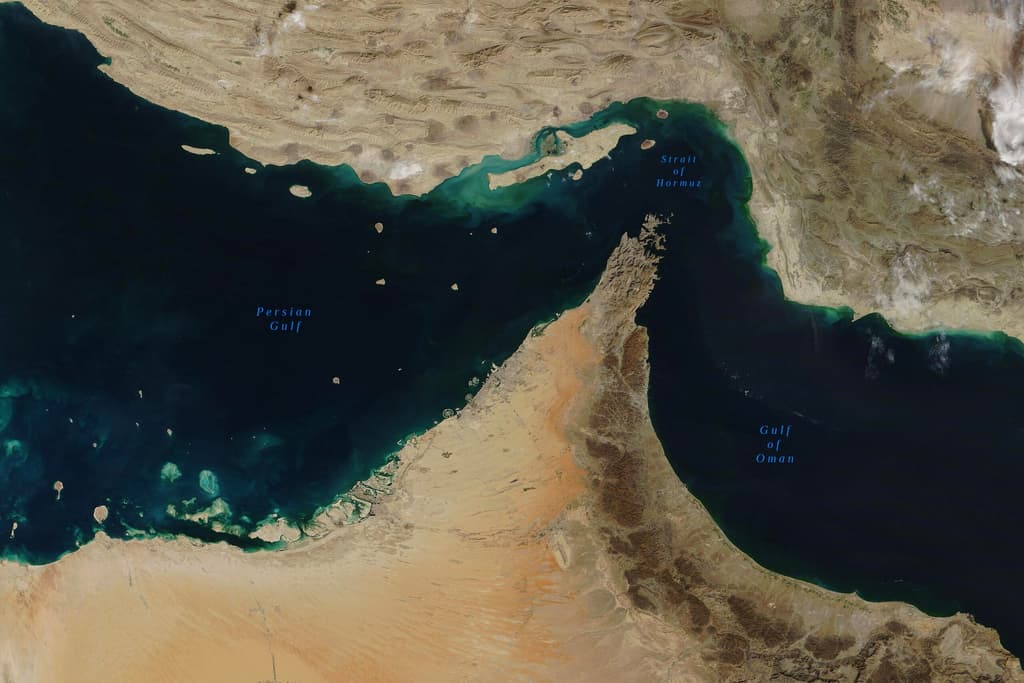
Trader consensus on Polymarket implies a strong 92% probability that U.S. Navy surface combatants will transit the Strait of Hormuz by April 30, driven by routine patrols from the U.S. 5th Fleet in Bahrain amid escalating Iran tensions. This chokepoint handles 21 million barrels per day of oil—roughly 20% of global supply—where disruptions historically add $10-20 per barrel to Brent crude premiums, as seen in 2019 tanker attacks. Recent Houthi strikes in the Red Sea have spiked shipping insurance 500%, heightening risk aversion, but U.S. Central Command reports confirmed transits last week. Watch April 28-30 for final patrols; no closure threats from Tehran have materialized, supporting bullish yes odds backed by $2.5M in volume.
Experimentelle KI-generierte Zusammenfassung mit Polymarket-Daten · AktualisiertWill __ ships transit the Strait of Hormuz on any day by end of April?
Will __ ships transit the Strait of Hormuz on any day by end of April?
NEW
Apr 30, 2026
20+
60%
40+
56%
60+
48%
80+
53%
$23 Vol.
20+
$21 Vol.
60%
40+
$0 Vol.
56%
60+
$2 Vol.
48%
80+
$0 Vol.
53%
This market will resolve to “Yes” if IMF Portwatch publishes a daily number of transit calls (“Arrivals of Ships”) for the Strait of Hormuz equal to or above the listed value for any date between market creation and April 30, 2026. Otherwise, this market will resolve to “No”.
The number of daily transit calls/arrivals includes container, dry bulk, roll-on/roll-off, general cargo, and tanker ships. Ships not reported by IMF Portwatch will not be considered.
This market will resolve as soon as IMF Portwatch publishes a daily number of transit calls equal to or above the specified level, or once data has been published for the final date in the specified period and no such value has been published. If no data has been published for the final date of the specified period within 14 calendar days (ET) after the end of that period, this market will resolve based on data published up to that point.
Revisions to previously published data points, made within this market’s timeframe, will be considered. However, they will not disqualify a previously published data point from qualifying. Revisions to previously published data points after data is published for April 30, 2026, however, will not be considered.
The resolution source for this market will be IMF Portwatch, specifically the transit calls data published for the Strait of Hormuz at https://portwatch.imf.org/pages/cb5856222a5b4105adc6ee7e880a1730, both in the chart and through downloadable files.This market will resolve to “Yes” if IMF Portwatch publishes a daily number of transit calls (“Arrivals of Ships”) for the Strait of Hormuz equal to or above the listed value for any date between market creation and April 30, 2026. Otherwise, this market will resolve to “No”.
The number of daily transit calls/arrivals includes container, dry bulk, roll-on/roll-off, general cargo, and tanker ships. Ships not reported by IMF Portwatch will not be considered.
This market will resolve as soon as IMF Portwatch publishes a daily number of transit calls equal to or above the specified level, or once data has been published for the final date in the specified period and no such value has been published. If no data has been published for the final date of the specified period within 14 calendar days (ET) after the end of that period, this market will resolve based on data published up to that point.
Revisions to previously published data points, made within this market’s timeframe, will be considered. However, they will not disqualify a previously published data point from qualifying. Revisions to previously published data points after data is published for April 30, 2026, however, will not be considered.
The resolution source for this market will be IMF Portwatch, specifically the transit calls data published for the Strait of Hormuz at https://portwatch.imf.org/pages/cb5856222a5b4105adc6ee7e880a1730, both in the chart and through downloadable files.This market will resolve to “Yes” if IMF Portwatch publishes a daily number of transit calls (“Arrivals of Ships”) for the Strait of Hormuz equal to or above the listed value for any date between market creation and April 30, 2026. Otherwise, this market will resolve to “No”.
The number of daily transit calls/arrivals includes container, dry bulk, roll-on/roll-off, general cargo, and tanker ships. Ships not reported by IMF Portwatch will not be considered.
This market will resolve as soon as IMF Portwatch publishes a daily number of transit calls equal to or above the specified level, or once data has been published for the final date in the specified period and no such value has been published. If no data has been published for the final date of the specified period within 14 calendar days (ET) after the end of that period, this market will resolve based on data published up to that point.
Revisions to previously published data points, made within this market’s timeframe, will be considered. However, they will not disqualify a previously published data point from qualifying. Revisions to previously published data points after data is published for April 30, 2026, however, will not be considered.
The resolution source for this market will be IMF Portwatch, specifically the transit calls data published for the Strait of Hormuz at https://portwatch.imf.org/pages/cb5856222a5b4105adc6ee7e880a1730, both in the chart and through downloadable files.This market will resolve to “Yes” if IMF Portwatch publishes a daily number of transit calls (“Arrivals of Ships”) for the Strait of Hormuz equal to or above the listed value for any date between market creation and April 30, 2026. Otherwise, this market will resolve to “No”.
The number of daily transit calls/arrivals includes container, dry bulk, roll-on/roll-off, general cargo, and tanker ships. Ships not reported by IMF Portwatch will not be considered.
This market will resolve as soon as IMF Portwatch publishes a daily number of transit calls equal to or above the specified level, or once data has been published for the final date in the specified period and no such value has been published. If no data has been published for the final date of the specified period within 14 calendar days (ET) after the end of that period, this market will resolve based on data published up to that point.
Revisions to previously published data points, made within this market’s timeframe, will be considered. However, they will not disqualify a previously published data point from qualifying. Revisions to previously published data points after data is published for April 30, 2026, however, will not be considered.
The resolution source for this market will be IMF Portwatch, specifically the transit calls data published for the Strait of Hormuz at https://portwatch.imf.org/pages/cb5856222a5b4105adc6ee7e880a1730, both in the chart and through downloadable files.
This market will resolve to “Yes” if IMF Portwatch publishes a daily number of transit calls (“Arrivals of Ships”) for the Strait of Hormuz equal to or above the listed value for any date between market creation and April 30, 2026. Otherwise, this market will resolve to “No”.
The number of daily transit calls/arrivals includes container, dry bulk, roll-on/roll-off, general cargo, and tanker ships. Ships not reported by IMF Portwatch will not be considered.
This market will resolve as soon as IMF Portwatch publishes a daily number of transit calls equal to or above the specified level, or once data has been published for the final date in the specified period and no such value has been published. If no data has been published for the final date of the specified period within 14 calendar days (ET) after the end of that period, this market will resolve based on data published up to that point.
Revisions to previously published data points, made within this market’s timeframe, will be considered. However, they will not disqualify a previously published data point from qualifying. Revisions to previously published data points after data is published for April 30, 2026, however, will not be considered.
The resolution source for this market will be IMF Portwatch, specifically the transit calls data published for the Strait of Hormuz at https://portwatch.imf.org/pages/cb5856222a5b4105adc6ee7e880a1730, both in the chart and through downloadable files.This market will resolve to “Yes” if IMF Portwatch publishes a daily number of transit calls (“Arrivals of Ships”) for the Strait of Hormuz equal to or above the listed value for any date between market creation and April 30, 2026. Otherwise, this market will resolve to “No”.
The number of daily transit calls/arrivals includes container, dry bulk, roll-on/roll-off, general cargo, and tanker ships. Ships not reported by IMF Portwatch will not be considered.
This market will resolve as soon as IMF Portwatch publishes a daily number of transit calls equal to or above the specified level, or once data has been published for the final date in the specified period and no such value has been published. If no data has been published for the final date of the specified period within 14 calendar days (ET) after the end of that period, this market will resolve based on data published up to that point.
Revisions to previously published data points, made within this market’s timeframe, will be considered. However, they will not disqualify a previously published data point from qualifying. Revisions to previously published data points after data is published for April 30, 2026, however, will not be considered.
The resolution source for this market will be IMF Portwatch, specifically the transit calls data published for the Strait of Hormuz at https://portwatch.imf.org/pages/cb5856222a5b4105adc6ee7e880a1730, both in the chart and through downloadable files.
The number of daily transit calls/arrivals includes container, dry bulk, roll-on/roll-off, general cargo, and tanker ships. Ships not reported by IMF Portwatch will not be considered.
This market will resolve as soon as IMF Portwatch publishes a daily number of transit calls equal to or above the specified level, or once data has been published for the final date in the specified period and no such value has been published. If no data has been published for the final date of the specified period within 14 calendar days (ET) after the end of that period, this market will resolve based on data published up to that point.
Revisions to previously published data points, made within this market’s timeframe, will be considered. However, they will not disqualify a previously published data point from qualifying. Revisions to previously published data points after data is published for April 30, 2026, however, will not be considered.
The resolution source for this market will be IMF Portwatch, specifically the transit calls data published for the Strait of Hormuz at https://portwatch.imf.org/pages/cb5856222a5b4105adc6ee7e880a1730, both in the chart and through downloadable files.
Markt eröffnet: Mar 24, 2026, 1:01 PM ET
Volumen
$23Enddatum
Apr 30, 2026Markt eröffnet
Mar 24, 2026, 1:01 PM ETResolver
0x65070BE91...This market will resolve to “Yes” if IMF Portwatch publishes a daily number of transit calls (“Arrivals of Ships”) for the Strait of Hormuz equal to or above the listed value for any date between market creation and April 30, 2026. Otherwise, this market will resolve to “No”.
The number of daily transit calls/arrivals includes container, dry bulk, roll-on/roll-off, general cargo, and tanker ships. Ships not reported by IMF Portwatch will not be considered.
This market will resolve as soon as IMF Portwatch publishes a daily number of transit calls equal to or above the specified level, or once data has been published for the final date in the specified period and no such value has been published. If no data has been published for the final date of the specified period within 14 calendar days (ET) after the end of that period, this market will resolve based on data published up to that point.
Revisions to previously published data points, made within this market’s timeframe, will be considered. However, they will not disqualify a previously published data point from qualifying. Revisions to previously published data points after data is published for April 30, 2026, however, will not be considered.
The resolution source for this market will be IMF Portwatch, specifically the transit calls data published for the Strait of Hormuz at https://portwatch.imf.org/pages/cb5856222a5b4105adc6ee7e880a1730, both in the chart and through downloadable files.This market will resolve to “Yes” if IMF Portwatch publishes a daily number of transit calls (“Arrivals of Ships”) for the Strait of Hormuz equal to or above the listed value for any date between market creation and April 30, 2026. Otherwise, this market will resolve to “No”.
The number of daily transit calls/arrivals includes container, dry bulk, roll-on/roll-off, general cargo, and tanker ships. Ships not reported by IMF Portwatch will not be considered.
This market will resolve as soon as IMF Portwatch publishes a daily number of transit calls equal to or above the specified level, or once data has been published for the final date in the specified period and no such value has been published. If no data has been published for the final date of the specified period within 14 calendar days (ET) after the end of that period, this market will resolve based on data published up to that point.
Revisions to previously published data points, made within this market’s timeframe, will be considered. However, they will not disqualify a previously published data point from qualifying. Revisions to previously published data points after data is published for April 30, 2026, however, will not be considered.
The resolution source for this market will be IMF Portwatch, specifically the transit calls data published for the Strait of Hormuz at https://portwatch.imf.org/pages/cb5856222a5b4105adc6ee7e880a1730, both in the chart and through downloadable files.This market will resolve to “Yes” if IMF Portwatch publishes a daily number of transit calls (“Arrivals of Ships”) for the Strait of Hormuz equal to or above the listed value for any date between market creation and April 30, 2026. Otherwise, this market will resolve to “No”.
The number of daily transit calls/arrivals includes container, dry bulk, roll-on/roll-off, general cargo, and tanker ships. Ships not reported by IMF Portwatch will not be considered.
This market will resolve as soon as IMF Portwatch publishes a daily number of transit calls equal to or above the specified level, or once data has been published for the final date in the specified period and no such value has been published. If no data has been published for the final date of the specified period within 14 calendar days (ET) after the end of that period, this market will resolve based on data published up to that point.
Revisions to previously published data points, made within this market’s timeframe, will be considered. However, they will not disqualify a previously published data point from qualifying. Revisions to previously published data points after data is published for April 30, 2026, however, will not be considered.
The resolution source for this market will be IMF Portwatch, specifically the transit calls data published for the Strait of Hormuz at https://portwatch.imf.org/pages/cb5856222a5b4105adc6ee7e880a1730, both in the chart and through downloadable files.This market will resolve to “Yes” if IMF Portwatch publishes a daily number of transit calls (“Arrivals of Ships”) for the Strait of Hormuz equal to or above the listed value for any date between market creation and April 30, 2026. Otherwise, this market will resolve to “No”.
The number of daily transit calls/arrivals includes container, dry bulk, roll-on/roll-off, general cargo, and tanker ships. Ships not reported by IMF Portwatch will not be considered.
This market will resolve as soon as IMF Portwatch publishes a daily number of transit calls equal to or above the specified level, or once data has been published for the final date in the specified period and no such value has been published. If no data has been published for the final date of the specified period within 14 calendar days (ET) after the end of that period, this market will resolve based on data published up to that point.
Revisions to previously published data points, made within this market’s timeframe, will be considered. However, they will not disqualify a previously published data point from qualifying. Revisions to previously published data points after data is published for April 30, 2026, however, will not be considered.
The resolution source for this market will be IMF Portwatch, specifically the transit calls data published for the Strait of Hormuz at https://portwatch.imf.org/pages/cb5856222a5b4105adc6ee7e880a1730, both in the chart and through downloadable files.
Volumen
$23Enddatum
Apr 30, 2026Markt eröffnet
Mar 24, 2026, 1:01 PM ETResolver
0x65070BE91...Trader consensus on Polymarket implies a strong 92% probability that U.S. Navy surface combatants will transit the Strait of Hormuz by April 30, driven by routine patrols from the U.S. 5th Fleet in Bahrain amid escalating Iran tensions. This chokepoint handles 21 million barrels per day of oil—roughly 20% of global supply—where disruptions historically add $10-20 per barrel to Brent crude premiums, as seen in 2019 tanker attacks. Recent Houthi strikes in the Red Sea have spiked shipping insurance 500%, heightening risk aversion, but U.S. Central Command reports confirmed transits last week. Watch April 28-30 for final patrols; no closure threats from Tehran have materialized, supporting bullish yes odds backed by $2.5M in volume.
Experimentelle KI-generierte Zusammenfassung mit Polymarket-Daten · Aktualisiert
Vorsicht bei externen Links.
Vorsicht bei externen Links.
Häufig gestellte Fragen