Market icon

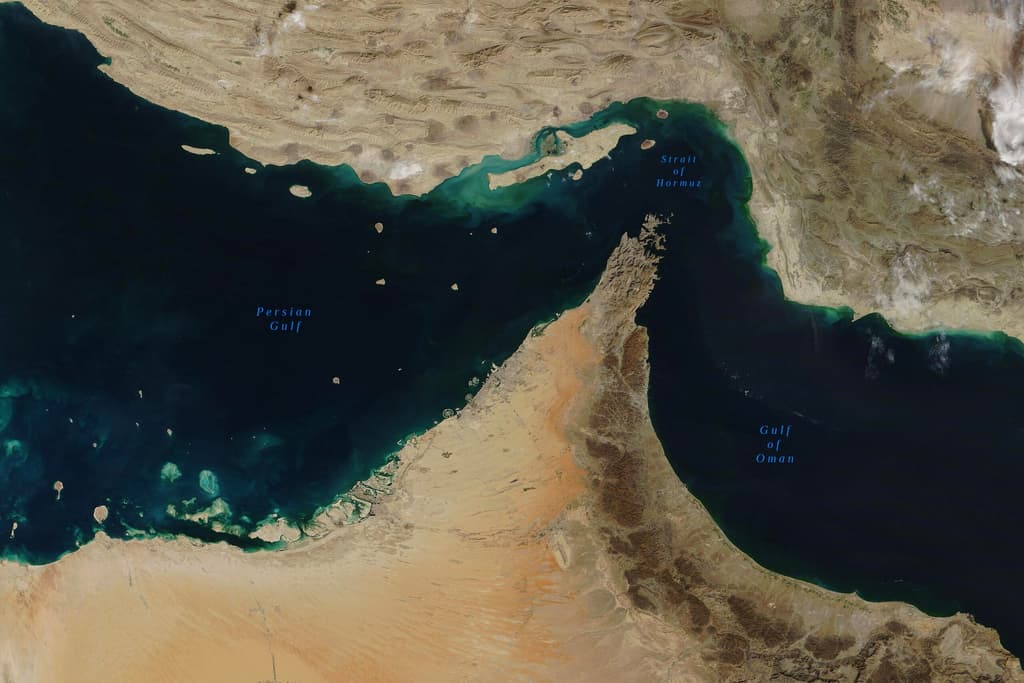
Nombre moyen de navires transitant par le détroit d'Ormuz fin avril ?

Market icon

Nombre moyen de navires transitant par le détroit d'Ormuz fin avril ?

10-20 43%

20-30 43%

60+ 42%

0-10 42%

Polymarket
NEW

10-20 43%

20-30 43%

60+ 42%

0-10 42%

Polymarket
NEW

0-10

$0 Vol.

42%

10-20

$0 Vol.

43%

20-30

$0 Vol.

43%

30-40

$0 Vol.

42%

40-50

$0 Vol.

42%

50-60

$0 Vol.

42%

60+

$0 Vol.

42%

This market will resolve according to the 7-day moving average of transit calls (“Arrivals of Ships”) for the Strait of Hormuz that IMF Portwatch reports for April 30, 2026. Transit calls include container, dry bulk, roll-on/roll-off, general cargo, and tanker ships. Ships not reported by IMF Portwatch will not be considered. This market will resolve as soon as data for the specified date has been published. If no data for the specified date has been published by May 14, 2026, 11:59 PM ET, this market will resolve based on data for the most recent date prior to April 30, 2026, for which data is available. This market will resolve based on the first publication of data for April 30, 2026. Any subsequent revisions will not be considered. If the reported value falls exactly between two brackets, this market will resolve to the higher range bracket. The resolution source for this market will be IMF Portwatch, specifically the transit calls data published for the Strait of Hormuz at https://portwatch.imf.org/pages/cb5856222a5b4105adc6ee7e880a1730, both in the chart and through downloadable files.This market will resolve according to the 7-day moving average of transit calls (“Arrivals of Ships”) for the Strait of Hormuz that IMF Portwatch reports for April 30, 2026. Transit calls include container, dry bulk, roll-on/roll-off, general cargo, and tanker ships. Ships not reported by IMF Portwatch will not be considered. This market will resolve as soon as data for the specified date has been published. If no data for the specified date has been published by May 14, 2026, 11:59 PM ET, this market will resolve based on data for the most recent date prior to April 30, 2026, for which data is available. This market will resolve based on the first publication of data for April 30, 2026. Any subsequent revisions will not be considered. If the reported value falls exactly between two brackets, this market will resolve to the higher range bracket. The resolution source for this market will be IMF Portwatch, specifically the transit calls data published for the Strait of Hormuz at https://portwatch.imf.org/pages/cb5856222a5b4105adc6ee7e880a1730, both in the chart and through downloadable files.This market will resolve according to the 7-day moving average of transit calls (“Arrivals of Ships”) for the Strait of Hormuz that IMF Portwatch reports for April 30, 2026. Transit calls include container, dry bulk, roll-on/roll-off, general cargo, and tanker ships. Ships not reported by IMF Portwatch will not be considered. This market will resolve as soon as data for the specified date has been published. If no data for the specified date has been published by May 14, 2026, 11:59 PM ET, this market will resolve based on data for the most recent date prior to April 30, 2026, for which data is available. This market will resolve based on the first publication of data for April 30, 2026. Any subsequent revisions will not be considered. If the reported value falls exactly between two brackets, this market will resolve to the higher range bracket. The resolution source for this market will be IMF Portwatch, specifically the transit calls data published for the Strait of Hormuz at https://portwatch.imf.org/pages/cb5856222a5b4105adc6ee7e880a1730, both in the chart and through downloadable files.This market will resolve according to the 7-day moving average of transit calls (“Arrivals of Ships”) for the Strait of Hormuz that IMF Portwatch reports for April 30, 2026. Transit calls include container, dry bulk, roll-on/roll-off, general cargo, and tanker ships. Ships not reported by IMF Portwatch will not be considered. This market will resolve as soon as data for the specified date has been published. If no data for the specified date has been published by May 14, 2026, 11:59 PM ET, this market will resolve based on data for the most recent date prior to April 30, 2026, for which data is available. This market will resolve based on the first publication of data for April 30, 2026. Any subsequent revisions will not be considered. If the reported value falls exactly between two brackets, this market will resolve to the higher range bracket. The resolution source for this market will be IMF Portwatch, specifically the transit calls data published for the Strait of Hormuz at https://portwatch.imf.org/pages/cb5856222a5b4105adc6ee7e880a1730, both in the chart and through downloadable files.This market will resolve according to the 7-day moving average of transit calls (“Arrivals of Ships”) for the Strait of Hormuz that IMF Portwatch reports for April 30, 2026. Transit calls include container, dry bulk, roll-on/roll-off, general cargo, and tanker ships. Ships not reported by IMF Portwatch will not be considered. This market will resolve as soon as data for the specified date has been published. If no data for the specified date has been published by May 14, 2026, 11:59 PM ET, this market will resolve based on data for the most recent date prior to April 30, 2026, for which data is available. This market will resolve based on the first publication of data for April 30, 2026. Any subsequent revisions will not be considered. If the reported value falls exactly between two brackets, this market will resolve to the higher range bracket. The resolution source for this market will be IMF Portwatch, specifically the transit calls data published for the Strait of Hormuz at https://portwatch.imf.org/pages/cb5856222a5b4105adc6ee7e880a1730, both in the chart and through downloadable files.This market will resolve according to the 7-day moving average of transit calls (“Arrivals of Ships”) for the Strait of Hormuz that IMF Portwatch reports for April 30, 2026. Transit calls include container, dry bulk, roll-on/roll-off, general cargo, and tanker ships. Ships not reported by IMF Portwatch will not be considered. This market will resolve as soon as data for the specified date has been published. If no data for the specified date has been published by May 14, 2026, 11:59 PM ET, this market will resolve based on data for the most recent date prior to April 30, 2026, for which data is available. This market will resolve based on the first publication of data for April 30, 2026. Any subsequent revisions will not be considered. If the reported value falls exactly between two brackets, this market will resolve to the higher range bracket. The resolution source for this market will be IMF Portwatch, specifically the transit calls data published for the Strait of Hormuz at https://portwatch.imf.org/pages/cb5856222a5b4105adc6ee7e880a1730, both in the chart and through downloadable files.This market will resolve according to the 7-day moving average of transit calls (“Arrivals of Ships”) for the Strait of Hormuz that IMF Portwatch reports for April 30, 2026. Transit calls include container, dry bulk, roll-on/roll-off, general cargo, and tanker ships. Ships not reported by IMF Portwatch will not be considered. This market will resolve as soon as data for the specified date has been published. If no data for the specified date has been published by May 14, 2026, 11:59 PM ET, this market will resolve based on data for the most recent date prior to April 30, 2026, for which data is available. This market will resolve based on the first publication of data for April 30, 2026. Any subsequent revisions will not be considered. If the reported value falls exactly between two brackets, this market will resolve to the higher range bracket. The resolution source for this market will be IMF Portwatch, specifically the transit calls data published for the Strait of Hormuz at https://portwatch.imf.org/pages/cb5856222a5b4105adc6ee7e880a1730, both in the chart and through downloadable files.

This market will resolve according to the 7-day moving average of transit calls (“Arrivals of Ships”) for the Strait of Hormuz that IMF Portwatch reports for April 30, 2026.

Transit calls include container, dry bulk, roll-on/roll-off, general cargo, and tanker ships. Ships not reported by IMF Portwatch will not be considered.

This market will resolve as soon as data for the specified date has been published. If no data for the specified date has been published by May 14, 2026, 11:59 PM ET, this market will resolve based on data for the most recent date prior to April 30, 2026, for which data is available.

This market will resolve based on the first publication of data for April 30, 2026. Any subsequent revisions will not be considered.
If the reported value falls exactly between two brackets, this market will resolve to the higher range bracket.

The resolution source for this market will be IMF Portwatch, specifically the transit calls data published for the Strait of Hormuz at https://portwatch.imf.org/pages/cb5856222a5b4105adc6ee7e880a1730, both in the chart and through downloadable files.
Volume
$0
Date de fin
Apr 30, 2026
Marché ouvert
Mar 24, 2026, 1:00 PM ET
This market will resolve according to the 7-day moving average of transit calls (“Arrivals of Ships”) for the Strait of Hormuz that IMF Portwatch reports for April 30, 2026. Transit calls include container, dry bulk, roll-on/roll-off, general cargo, and tanker ships. Ships not reported by IMF Portwatch will not be considered. This market will resolve as soon as data for the specified date has been published. If no data for the specified date has been published by May 14, 2026, 11:59 PM ET, this market will resolve based on data for the most recent date prior to April 30, 2026, for which data is available. This market will resolve based on the first publication of data for April 30, 2026. Any subsequent revisions will not be considered. If the reported value falls exactly between two brackets, this market will resolve to the higher range bracket. The resolution source for this market will be IMF Portwatch, specifically the transit calls data published for the Strait of Hormuz at https://portwatch.imf.org/pages/cb5856222a5b4105adc6ee7e880a1730, both in the chart and through downloadable files.
This market will resolve according to the 7-day moving average of transit calls (“Arrivals of Ships”) for the Strait of Hormuz that IMF Portwatch reports for April 30, 2026. Transit calls include container, dry bulk, roll-on/roll-off, general cargo, and tanker ships. Ships not reported by IMF Portwatch will not be considered. This market will resolve as soon as data for the specified date has been published. If no data for the specified date has been published by May 14, 2026, 11:59 PM ET, this market will resolve based on data for the most recent date prior to April 30, 2026, for which data is available. This market will resolve based on the first publication of data for April 30, 2026. Any subsequent revisions will not be considered. If the reported value falls exactly between two brackets, this market will resolve to the higher range bracket. The resolution source for this market will be IMF Portwatch, specifically the transit calls data published for the Strait of Hormuz at https://portwatch.imf.org/pages/cb5856222a5b4105adc6ee7e880a1730, both in the chart and through downloadable files.This market will resolve according to the 7-day moving average of transit calls (“Arrivals of Ships”) for the Strait of Hormuz that IMF Portwatch reports for April 30, 2026. Transit calls include container, dry bulk, roll-on/roll-off, general cargo, and tanker ships. Ships not reported by IMF Portwatch will not be considered. This market will resolve as soon as data for the specified date has been published. If no data for the specified date has been published by May 14, 2026, 11:59 PM ET, this market will resolve based on data for the most recent date prior to April 30, 2026, for which data is available. This market will resolve based on the first publication of data for April 30, 2026. Any subsequent revisions will not be considered. If the reported value falls exactly between two brackets, this market will resolve to the higher range bracket. The resolution source for this market will be IMF Portwatch, specifically the transit calls data published for the Strait of Hormuz at https://portwatch.imf.org/pages/cb5856222a5b4105adc6ee7e880a1730, both in the chart and through downloadable files.This market will resolve according to the 7-day moving average of transit calls (“Arrivals of Ships”) for the Strait of Hormuz that IMF Portwatch reports for April 30, 2026. Transit calls include container, dry bulk, roll-on/roll-off, general cargo, and tanker ships. Ships not reported by IMF Portwatch will not be considered. This market will resolve as soon as data for the specified date has been published. If no data for the specified date has been published by May 14, 2026, 11:59 PM ET, this market will resolve based on data for the most recent date prior to April 30, 2026, for which data is available. This market will resolve based on the first publication of data for April 30, 2026. Any subsequent revisions will not be considered. If the reported value falls exactly between two brackets, this market will resolve to the higher range bracket. The resolution source for this market will be IMF Portwatch, specifically the transit calls data published for the Strait of Hormuz at https://portwatch.imf.org/pages/cb5856222a5b4105adc6ee7e880a1730, both in the chart and through downloadable files.This market will resolve according to the 7-day moving average of transit calls (“Arrivals of Ships”) for the Strait of Hormuz that IMF Portwatch reports for April 30, 2026. Transit calls include container, dry bulk, roll-on/roll-off, general cargo, and tanker ships. Ships not reported by IMF Portwatch will not be considered. This market will resolve as soon as data for the specified date has been published. If no data for the specified date has been published by May 14, 2026, 11:59 PM ET, this market will resolve based on data for the most recent date prior to April 30, 2026, for which data is available. This market will resolve based on the first publication of data for April 30, 2026. Any subsequent revisions will not be considered. If the reported value falls exactly between two brackets, this market will resolve to the higher range bracket. The resolution source for this market will be IMF Portwatch, specifically the transit calls data published for the Strait of Hormuz at https://portwatch.imf.org/pages/cb5856222a5b4105adc6ee7e880a1730, both in the chart and through downloadable files.This market will resolve according to the 7-day moving average of transit calls (“Arrivals of Ships”) for the Strait of Hormuz that IMF Portwatch reports for April 30, 2026. Transit calls include container, dry bulk, roll-on/roll-off, general cargo, and tanker ships. Ships not reported by IMF Portwatch will not be considered. This market will resolve as soon as data for the specified date has been published. If no data for the specified date has been published by May 14, 2026, 11:59 PM ET, this market will resolve based on data for the most recent date prior to April 30, 2026, for which data is available. This market will resolve based on the first publication of data for April 30, 2026. Any subsequent revisions will not be considered. If the reported value falls exactly between two brackets, this market will resolve to the higher range bracket. The resolution source for this market will be IMF Portwatch, specifically the transit calls data published for the Strait of Hormuz at https://portwatch.imf.org/pages/cb5856222a5b4105adc6ee7e880a1730, both in the chart and through downloadable files.This market will resolve according to the 7-day moving average of transit calls (“Arrivals of Ships”) for the Strait of Hormuz that IMF Portwatch reports for April 30, 2026. Transit calls include container, dry bulk, roll-on/roll-off, general cargo, and tanker ships. Ships not reported by IMF Portwatch will not be considered. This market will resolve as soon as data for the specified date has been published. If no data for the specified date has been published by May 14, 2026, 11:59 PM ET, this market will resolve based on data for the most recent date prior to April 30, 2026, for which data is available. This market will resolve based on the first publication of data for April 30, 2026. Any subsequent revisions will not be considered. If the reported value falls exactly between two brackets, this market will resolve to the higher range bracket. The resolution source for this market will be IMF Portwatch, specifically the transit calls data published for the Strait of Hormuz at https://portwatch.imf.org/pages/cb5856222a5b4105adc6ee7e880a1730, both in the chart and through downloadable files.This market will resolve according to the 7-day moving average of transit calls (“Arrivals of Ships”) for the Strait of Hormuz that IMF Portwatch reports for April 30, 2026. Transit calls include container, dry bulk, roll-on/roll-off, general cargo, and tanker ships. Ships not reported by IMF Portwatch will not be considered. This market will resolve as soon as data for the specified date has been published. If no data for the specified date has been published by May 14, 2026, 11:59 PM ET, this market will resolve based on data for the most recent date prior to April 30, 2026, for which data is available. This market will resolve based on the first publication of data for April 30, 2026. Any subsequent revisions will not be considered. If the reported value falls exactly between two brackets, this market will resolve to the higher range bracket. The resolution source for this market will be IMF Portwatch, specifically the transit calls data published for the Strait of Hormuz at https://portwatch.imf.org/pages/cb5856222a5b4105adc6ee7e880a1730, both in the chart and through downloadable files.

Trader sentiment on average daily ship transits through the Strait of Hormuz at April's end remains tightly clustered across ranges due to elevated Iran-Israel tensions without material disruption yet, balancing baseline shipping volumes against blockade risks. Recent U.S. Energy Information Administration data indicates March crude tanker transits held steady near 21 million barrels per day—equating to roughly 20-25 vessels—while April vessel tracking from Kpler and MarineTraffic shows end-month averages hovering around 18-25 total merchant ships amid cautious rerouting. Iranian threats of closure following Israeli strikes have fueled bets on 0-20 outcomes, matched by normalcy expectations in 20-40 bands; separation could emerge from escalated seizures, U.S. naval escorts, or Houthi spillover, with May oil export figures as a key catalyst.

Résumé expérimental généré par IA à partir des données Polymarket · Mis à jour

Méfiez-vous des liens externes.

Questions fréquentes

« Nombre moyen de navires transitant par le détroit d'Ormuz fin avril ? » est un marché de prédiction sur Polymarket avec 7 résultats possibles où les traders achètent et vendent des parts selon ce qu'ils pensent qu'il se passera. Le résultat en tête actuel est « 10-20 » à 43%, suivi de « 20-30 » à 43%. Les prix reflètent des probabilités en temps réel de la communauté. Par exemple, une part cotée à 43¢ implique que le marché attribue collectivement une probabilité de 43% à ce résultat. Ces cotes changent en permanence. Les parts du résultat correct sont échangeables contre $1 chacune lors de la résolution du marché.

« Nombre moyen de navires transitant par le détroit d'Ormuz fin avril ? » est un marché nouvellement créé sur Polymarket, lancé le Mar 24, 2026. En tant que marché récent, c'est votre opportunité d'être parmi les premiers traders à définir les cotes et établir les premiers signaux de prix du marché. Vous pouvez également ajouter cette page à vos favoris pour suivre le volume et l'activité de trading au fil du temps.

Pour trader sur « Nombre moyen de navires transitant par le détroit d'Ormuz fin avril ? », parcourez les 7 résultats disponibles sur cette page. Chaque résultat affiche un prix actuel représentant la probabilité implicite du marché. Pour prendre position, sélectionnez le résultat que vous estimez le plus probable, choisissez « Oui » pour trader en sa faveur ou « Non » pour trader contre, entrez votre montant et cliquez sur « Trader ». Si votre résultat choisi est correct lors de la résolution, vos parts « Oui » rapportent $1 chacune. S'il est incorrect, elles rapportent $0. Vous pouvez également vendre vos parts avant la résolution.

Le favori actuel pour « Nombre moyen de navires transitant par le détroit d'Ormuz fin avril ? » est « 10-20 » à 43%, ce qui signifie que le marché attribue une probabilité de 43% à ce résultat. Le résultat le plus proche ensuite est « 20-30 » à 43%. Ces cotes sont mises à jour en temps réel à mesure que les traders achètent et vendent des parts. Revenez fréquemment ou ajoutez cette page à vos favoris.

Les règles de résolution de « Nombre moyen de navires transitant par le détroit d'Ormuz fin avril ? » définissent exactement ce qui doit se produire pour que chaque résultat soit déclaré gagnant, y compris les sources de données officielles utilisées pour déterminer le résultat. Vous pouvez consulter les critères de résolution complets dans la section « Règles » sur cette page au-dessus des commentaires. Nous recommandons de lire attentivement les règles avant de trader, car elles précisent les conditions exactes, les cas particuliers et les sources.