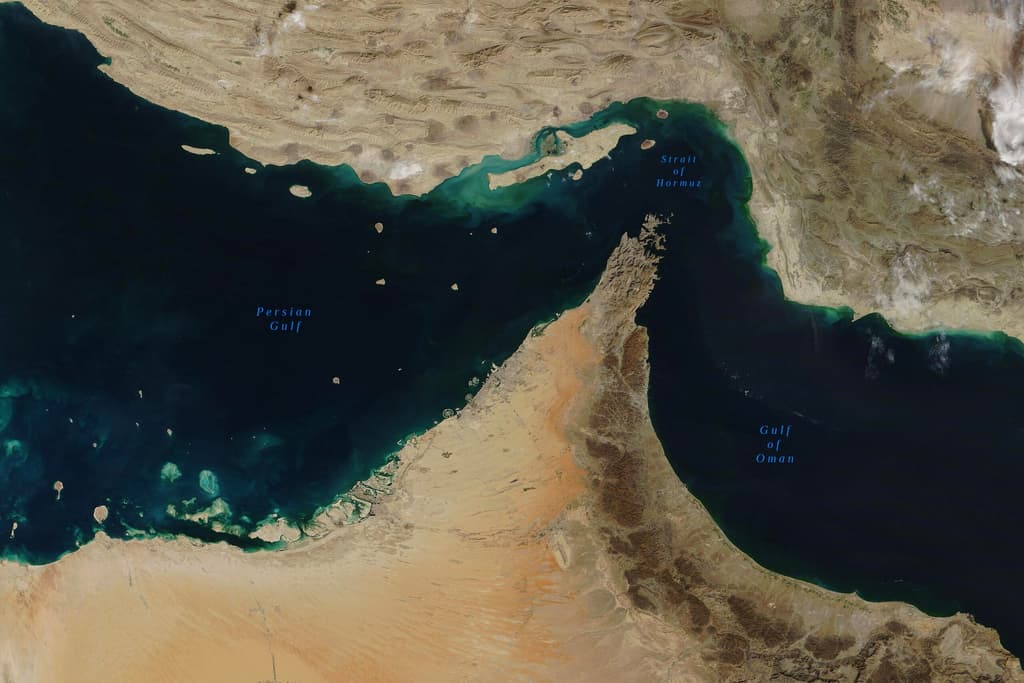
Trader consensus implies over 80% odds of U.S. Navy surface combatants transiting the Strait of Hormuz by April's end, driven by the 5th Fleet's routine patrols amid Iran-Israel tensions. This chokepoint funnels 21% of global petroleum liquids (EIA data), where disruptions could propel Brent crude past $100/bbl and spike VLCC rates, already up 45% year-over-year on Red Sea rerouting. Recent USS destroyer passages on April 3 and Iran's April 13 seizure of MSC Aries signal persistent flows despite threats, with traders monitoring U.S. retaliatory moves and late-April Iranian naval exercises for resolution risk.
Résumé expérimental généré par IA à partir des données Polymarket · Mis à jourWill __ ships transit the Strait of Hormuz on any day by end of April?
Will __ ships transit the Strait of Hormuz on any day by end of April?
NEW
Apr 30, 2026
20+
75%
40+
56%
60+
48%
80+
47%
$21 Vol.
20+
$21 Vol.
75%
40+
$0 Vol.
56%
60+
$0 Vol.
48%
80+
$0 Vol.
47%
This market will resolve to “Yes” if IMF Portwatch publishes a daily number of transit calls (“Arrivals of Ships”) for the Strait of Hormuz equal to or above the listed value for any date between market creation and April 30, 2026. Otherwise, this market will resolve to “No”.
The number of daily transit calls/arrivals includes container, dry bulk, roll-on/roll-off, general cargo, and tanker ships. Ships not reported by IMF Portwatch will not be considered.
This market will resolve as soon as IMF Portwatch publishes a daily number of transit calls equal to or above the specified level, or once data has been published for the final date in the specified period and no such value has been published. If no data has been published for the final date of the specified period within 14 calendar days (ET) after the end of that period, this market will resolve based on data published up to that point.
Revisions to previously published data points, made within this market’s timeframe, will be considered. However, they will not disqualify a previously published data point from qualifying. Revisions to previously published data points after data is published for April 30, 2026, however, will not be considered.
The resolution source for this market will be IMF Portwatch, specifically the transit calls data published for the Strait of Hormuz at https://portwatch.imf.org/pages/cb5856222a5b4105adc6ee7e880a1730, both in the chart and through downloadable files.This market will resolve to “Yes” if IMF Portwatch publishes a daily number of transit calls (“Arrivals of Ships”) for the Strait of Hormuz equal to or above the listed value for any date between market creation and April 30, 2026. Otherwise, this market will resolve to “No”.
The number of daily transit calls/arrivals includes container, dry bulk, roll-on/roll-off, general cargo, and tanker ships. Ships not reported by IMF Portwatch will not be considered.
This market will resolve as soon as IMF Portwatch publishes a daily number of transit calls equal to or above the specified level, or once data has been published for the final date in the specified period and no such value has been published. If no data has been published for the final date of the specified period within 14 calendar days (ET) after the end of that period, this market will resolve based on data published up to that point.
Revisions to previously published data points, made within this market’s timeframe, will be considered. However, they will not disqualify a previously published data point from qualifying. Revisions to previously published data points after data is published for April 30, 2026, however, will not be considered.
The resolution source for this market will be IMF Portwatch, specifically the transit calls data published for the Strait of Hormuz at https://portwatch.imf.org/pages/cb5856222a5b4105adc6ee7e880a1730, both in the chart and through downloadable files.This market will resolve to “Yes” if IMF Portwatch publishes a daily number of transit calls (“Arrivals of Ships”) for the Strait of Hormuz equal to or above the listed value for any date between market creation and April 30, 2026. Otherwise, this market will resolve to “No”.
The number of daily transit calls/arrivals includes container, dry bulk, roll-on/roll-off, general cargo, and tanker ships. Ships not reported by IMF Portwatch will not be considered.
This market will resolve as soon as IMF Portwatch publishes a daily number of transit calls equal to or above the specified level, or once data has been published for the final date in the specified period and no such value has been published. If no data has been published for the final date of the specified period within 14 calendar days (ET) after the end of that period, this market will resolve based on data published up to that point.
Revisions to previously published data points, made within this market’s timeframe, will be considered. However, they will not disqualify a previously published data point from qualifying. Revisions to previously published data points after data is published for April 30, 2026, however, will not be considered.
The resolution source for this market will be IMF Portwatch, specifically the transit calls data published for the Strait of Hormuz at https://portwatch.imf.org/pages/cb5856222a5b4105adc6ee7e880a1730, both in the chart and through downloadable files.This market will resolve to “Yes” if IMF Portwatch publishes a daily number of transit calls (“Arrivals of Ships”) for the Strait of Hormuz equal to or above the listed value for any date between market creation and April 30, 2026. Otherwise, this market will resolve to “No”.
The number of daily transit calls/arrivals includes container, dry bulk, roll-on/roll-off, general cargo, and tanker ships. Ships not reported by IMF Portwatch will not be considered.
This market will resolve as soon as IMF Portwatch publishes a daily number of transit calls equal to or above the specified level, or once data has been published for the final date in the specified period and no such value has been published. If no data has been published for the final date of the specified period within 14 calendar days (ET) after the end of that period, this market will resolve based on data published up to that point.
Revisions to previously published data points, made within this market’s timeframe, will be considered. However, they will not disqualify a previously published data point from qualifying. Revisions to previously published data points after data is published for April 30, 2026, however, will not be considered.
The resolution source for this market will be IMF Portwatch, specifically the transit calls data published for the Strait of Hormuz at https://portwatch.imf.org/pages/cb5856222a5b4105adc6ee7e880a1730, both in the chart and through downloadable files.
This market will resolve to “Yes” if IMF Portwatch publishes a daily number of transit calls (“Arrivals of Ships”) for the Strait of Hormuz equal to or above the listed value for any date between market creation and April 30, 2026. Otherwise, this market will resolve to “No”.
The number of daily transit calls/arrivals includes container, dry bulk, roll-on/roll-off, general cargo, and tanker ships. Ships not reported by IMF Portwatch will not be considered.
This market will resolve as soon as IMF Portwatch publishes a daily number of transit calls equal to or above the specified level, or once data has been published for the final date in the specified period and no such value has been published. If no data has been published for the final date of the specified period within 14 calendar days (ET) after the end of that period, this market will resolve based on data published up to that point.
Revisions to previously published data points, made within this market’s timeframe, will be considered. However, they will not disqualify a previously published data point from qualifying. Revisions to previously published data points after data is published for April 30, 2026, however, will not be considered.
The resolution source for this market will be IMF Portwatch, specifically the transit calls data published for the Strait of Hormuz at https://portwatch.imf.org/pages/cb5856222a5b4105adc6ee7e880a1730, both in the chart and through downloadable files.This market will resolve to “Yes” if IMF Portwatch publishes a daily number of transit calls (“Arrivals of Ships”) for the Strait of Hormuz equal to or above the listed value for any date between market creation and April 30, 2026. Otherwise, this market will resolve to “No”.
The number of daily transit calls/arrivals includes container, dry bulk, roll-on/roll-off, general cargo, and tanker ships. Ships not reported by IMF Portwatch will not be considered.
This market will resolve as soon as IMF Portwatch publishes a daily number of transit calls equal to or above the specified level, or once data has been published for the final date in the specified period and no such value has been published. If no data has been published for the final date of the specified period within 14 calendar days (ET) after the end of that period, this market will resolve based on data published up to that point.
Revisions to previously published data points, made within this market’s timeframe, will be considered. However, they will not disqualify a previously published data point from qualifying. Revisions to previously published data points after data is published for April 30, 2026, however, will not be considered.
The resolution source for this market will be IMF Portwatch, specifically the transit calls data published for the Strait of Hormuz at https://portwatch.imf.org/pages/cb5856222a5b4105adc6ee7e880a1730, both in the chart and through downloadable files.
The number of daily transit calls/arrivals includes container, dry bulk, roll-on/roll-off, general cargo, and tanker ships. Ships not reported by IMF Portwatch will not be considered.
This market will resolve as soon as IMF Portwatch publishes a daily number of transit calls equal to or above the specified level, or once data has been published for the final date in the specified period and no such value has been published. If no data has been published for the final date of the specified period within 14 calendar days (ET) after the end of that period, this market will resolve based on data published up to that point.
Revisions to previously published data points, made within this market’s timeframe, will be considered. However, they will not disqualify a previously published data point from qualifying. Revisions to previously published data points after data is published for April 30, 2026, however, will not be considered.
The resolution source for this market will be IMF Portwatch, specifically the transit calls data published for the Strait of Hormuz at https://portwatch.imf.org/pages/cb5856222a5b4105adc6ee7e880a1730, both in the chart and through downloadable files.
Marché ouvert : Mar 24, 2026, 1:01 PM ET
Volume
$21Date de fin
Apr 30, 2026Marché ouvert
Mar 24, 2026, 1:01 PM ETResolver
0x65070BE91...This market will resolve to “Yes” if IMF Portwatch publishes a daily number of transit calls (“Arrivals of Ships”) for the Strait of Hormuz equal to or above the listed value for any date between market creation and April 30, 2026. Otherwise, this market will resolve to “No”.
The number of daily transit calls/arrivals includes container, dry bulk, roll-on/roll-off, general cargo, and tanker ships. Ships not reported by IMF Portwatch will not be considered.
This market will resolve as soon as IMF Portwatch publishes a daily number of transit calls equal to or above the specified level, or once data has been published for the final date in the specified period and no such value has been published. If no data has been published for the final date of the specified period within 14 calendar days (ET) after the end of that period, this market will resolve based on data published up to that point.
Revisions to previously published data points, made within this market’s timeframe, will be considered. However, they will not disqualify a previously published data point from qualifying. Revisions to previously published data points after data is published for April 30, 2026, however, will not be considered.
The resolution source for this market will be IMF Portwatch, specifically the transit calls data published for the Strait of Hormuz at https://portwatch.imf.org/pages/cb5856222a5b4105adc6ee7e880a1730, both in the chart and through downloadable files.This market will resolve to “Yes” if IMF Portwatch publishes a daily number of transit calls (“Arrivals of Ships”) for the Strait of Hormuz equal to or above the listed value for any date between market creation and April 30, 2026. Otherwise, this market will resolve to “No”.
The number of daily transit calls/arrivals includes container, dry bulk, roll-on/roll-off, general cargo, and tanker ships. Ships not reported by IMF Portwatch will not be considered.
This market will resolve as soon as IMF Portwatch publishes a daily number of transit calls equal to or above the specified level, or once data has been published for the final date in the specified period and no such value has been published. If no data has been published for the final date of the specified period within 14 calendar days (ET) after the end of that period, this market will resolve based on data published up to that point.
Revisions to previously published data points, made within this market’s timeframe, will be considered. However, they will not disqualify a previously published data point from qualifying. Revisions to previously published data points after data is published for April 30, 2026, however, will not be considered.
The resolution source for this market will be IMF Portwatch, specifically the transit calls data published for the Strait of Hormuz at https://portwatch.imf.org/pages/cb5856222a5b4105adc6ee7e880a1730, both in the chart and through downloadable files.This market will resolve to “Yes” if IMF Portwatch publishes a daily number of transit calls (“Arrivals of Ships”) for the Strait of Hormuz equal to or above the listed value for any date between market creation and April 30, 2026. Otherwise, this market will resolve to “No”.
The number of daily transit calls/arrivals includes container, dry bulk, roll-on/roll-off, general cargo, and tanker ships. Ships not reported by IMF Portwatch will not be considered.
This market will resolve as soon as IMF Portwatch publishes a daily number of transit calls equal to or above the specified level, or once data has been published for the final date in the specified period and no such value has been published. If no data has been published for the final date of the specified period within 14 calendar days (ET) after the end of that period, this market will resolve based on data published up to that point.
Revisions to previously published data points, made within this market’s timeframe, will be considered. However, they will not disqualify a previously published data point from qualifying. Revisions to previously published data points after data is published for April 30, 2026, however, will not be considered.
The resolution source for this market will be IMF Portwatch, specifically the transit calls data published for the Strait of Hormuz at https://portwatch.imf.org/pages/cb5856222a5b4105adc6ee7e880a1730, both in the chart and through downloadable files.This market will resolve to “Yes” if IMF Portwatch publishes a daily number of transit calls (“Arrivals of Ships”) for the Strait of Hormuz equal to or above the listed value for any date between market creation and April 30, 2026. Otherwise, this market will resolve to “No”.
The number of daily transit calls/arrivals includes container, dry bulk, roll-on/roll-off, general cargo, and tanker ships. Ships not reported by IMF Portwatch will not be considered.
This market will resolve as soon as IMF Portwatch publishes a daily number of transit calls equal to or above the specified level, or once data has been published for the final date in the specified period and no such value has been published. If no data has been published for the final date of the specified period within 14 calendar days (ET) after the end of that period, this market will resolve based on data published up to that point.
Revisions to previously published data points, made within this market’s timeframe, will be considered. However, they will not disqualify a previously published data point from qualifying. Revisions to previously published data points after data is published for April 30, 2026, however, will not be considered.
The resolution source for this market will be IMF Portwatch, specifically the transit calls data published for the Strait of Hormuz at https://portwatch.imf.org/pages/cb5856222a5b4105adc6ee7e880a1730, both in the chart and through downloadable files.
Volume
$21Date de fin
Apr 30, 2026Marché ouvert
Mar 24, 2026, 1:01 PM ETResolver
0x65070BE91...Trader consensus implies over 80% odds of U.S. Navy surface combatants transiting the Strait of Hormuz by April's end, driven by the 5th Fleet's routine patrols amid Iran-Israel tensions. This chokepoint funnels 21% of global petroleum liquids (EIA data), where disruptions could propel Brent crude past $100/bbl and spike VLCC rates, already up 45% year-over-year on Red Sea rerouting. Recent USS destroyer passages on April 3 and Iran's April 13 seizure of MSC Aries signal persistent flows despite threats, with traders monitoring U.S. retaliatory moves and late-April Iranian naval exercises for resolution risk.
Résumé expérimental généré par IA à partir des données Polymarket · Mis à jour
Méfiez-vous des liens externes.
Méfiez-vous des liens externes.
Questions fréquentes