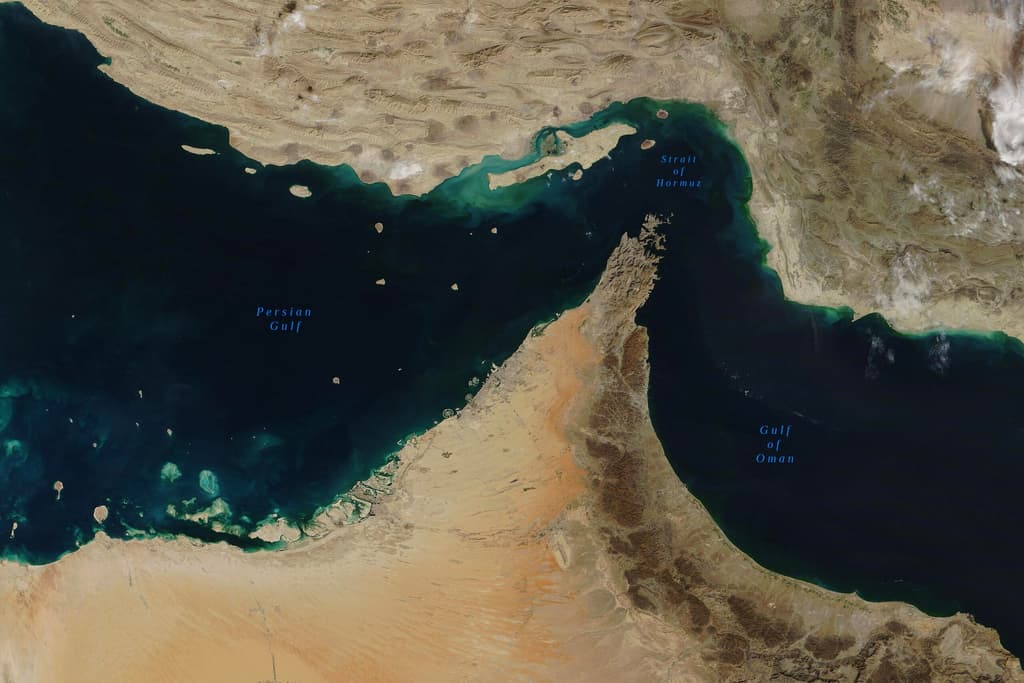
Trader sentiment on Polymarket heavily favors minimal ship transits through the Strait of Hormuz on April 3, with the 0-10 range leading at 51% implied probability, driven by acute geopolitical tensions following Israel's April 1 strike on Iran's Syrian consulate and Tehran's vows of retaliation, including strait closure threats that spiked oil futures by over 3%. Yet, the 50-60 band trails closely at 42.5%, highlighting competitive dynamics between escalation bears pricing in disruptions—bolstered by rising war risk insurance premiums and preemptive vessel rerouting—and bulls citing U.S. Fifth Fleet deterrence and historical resilience, where daily averages exceed 100 merchant vessels absent blockades. Key differentiators include real-time AIS tracking for actual counts and Iran's naval posturing versus OPEC+ supply stability needs, underscoring market-implied odds' sensitivity to de-escalation signals ahead of resolution.
Résumé expérimental généré par IA à partir des données Polymarket · Mis à jourAvg. # of ships transiting Strait of Hormuz on April 3?
Avg. # of ships transiting Strait of Hormuz on April 3?
0-10 51%
50-60 41%
20-30 41%
10-20 40%
0-10
51%
10-20
40%
20-30
41%
30-40
10%
40-50
40%
50-60
41%
60+
39%
0-10 51%
50-60 41%
20-30 41%
10-20 40%
0-10
51%
10-20
40%
20-30
41%
30-40
10%
40-50
40%
50-60
41%
60+
39%
Transit calls include container, dry bulk, roll-on/roll-off, general cargo, and tanker ships. Ships not reported by IMF Portwatch will not be considered.
This market will resolve as soon as the data for the specified date has been published. If no data for the specified date has been published by 11:59 PM ET on the seventh day after the end of the specified date, this market will resolve based on data for the most recent date prior to the specified date for which data is available.
This market will resolve based on the first publication of data for the specified date. Any subsequent revisions will not be considered.
If the reported value falls exactly between two brackets, this market will resolve to the higher range bracket.
The resolution source for this market will be IMF Portwatch, specifically the transit calls data published for the Strait of Hormuz at https://portwatch.imf.org/pages/cb5856222a5b4105adc6ee7e880a1730, both in the chart and through downloadable files.
Marché ouvert : Mar 24, 2026, 1:02 PM ET
Resolver
0x69c47De9D...Resolver
0x69c47De9D...Trader sentiment on Polymarket heavily favors minimal ship transits through the Strait of Hormuz on April 3, with the 0-10 range leading at 51% implied probability, driven by acute geopolitical tensions following Israel's April 1 strike on Iran's Syrian consulate and Tehran's vows of retaliation, including strait closure threats that spiked oil futures by over 3%. Yet, the 50-60 band trails closely at 42.5%, highlighting competitive dynamics between escalation bears pricing in disruptions—bolstered by rising war risk insurance premiums and preemptive vessel rerouting—and bulls citing U.S. Fifth Fleet deterrence and historical resilience, where daily averages exceed 100 merchant vessels absent blockades. Key differentiators include real-time AIS tracking for actual counts and Iran's naval posturing versus OPEC+ supply stability needs, underscoring market-implied odds' sensitivity to de-escalation signals ahead of resolution.
Résumé expérimental généré par IA à partir des données Polymarket · Mis à jour
Méfiez-vous des liens externes.
Méfiez-vous des liens externes.
Questions fréquentes