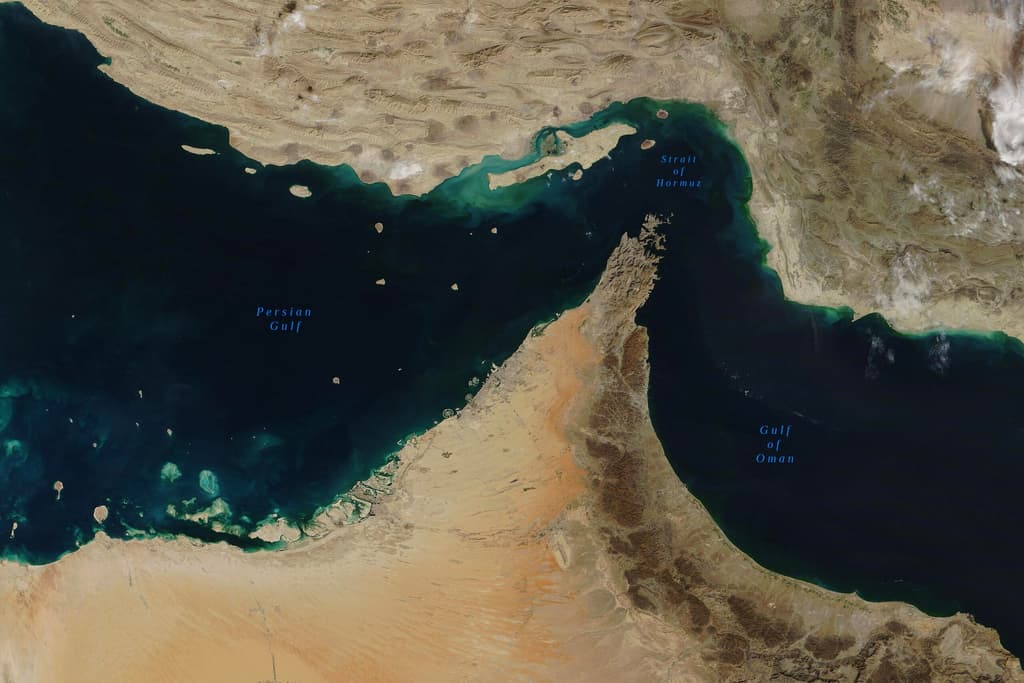
Trader consensus favors 20-24 ships transiting the Strait of Hormuz during March 23-29, reflecting sustained low volumes driven by Red Sea Houthi attacks that have deterred tankers from Persian Gulf loading amid Suez Canal avoidance. U.S. Energy Information Administration data shows fully laden crude oil tanker transits averaged 16 per week in the first three weeks of March—the lowest since 2019—due to carriers delaying voyages and buyers sourcing alternatives. No major de-escalation occurred in the past week, with ongoing Houthi drone and missile strikes on commercial shipping reported as late as March 23, keeping probabilities elevated for 15-29 range outcomes while pricing higher volumes as unlikely absent route normalization.
Resumo experimental gerado por IA com dados do Polymarket · AtualizadoHow many ships transit the Strait of Hormuz this week? (Mar 23-29)
How many ships transit the Strait of Hormuz this week? (Mar 23-29)
20-24 36%
30-34 23%
35-39 16%
25-29 15%
NEW
$14,875 Vol.
NEW
$14,875 Vol.
Mar 29, 2026
<10
2%
10-14
4%
15-19
9%
20-24
36%
25-29
15%
30-34
23%
35-39
16%
40-44
6%
45+
5%
20-24 36%
30-34 23%
35-39 16%
25-29 15%
NEW
$14,875 Vol.
NEW
$14,875 Vol.
Mar 29, 2026
<10
$2,385 Vol.
2%
10-14
$1,004 Vol.
4%
15-19
$1,541 Vol.
9%
20-24
$2,758 Vol.
36%
25-29
$1,146 Vol.
15%
30-34
$1,291 Vol.
23%
35-39
$1,234 Vol.
16%
40-44
$1,147 Vol.
6%
45+
$2,369 Vol.
5%
This market will resolve according to the total number of transit calls that IMF Portwatch reports for the Strait of Hormuz for all days from March 23, 2026, through March 29, 2026, inclusive.
Transit calls include container, dry bulk, roll-on/roll-off, general cargo, and tanker ships. Ships not reported by IMF Portwatch will not be considered.
This market will resolve as soon as data has been published for the final date in the specified period. If no data has been published for the final date of the specified period within 14 calendar days (ET) after the end of that period, this market will resolve based on data published up to that point.
Revisions to previously published data points made within this market’s timeframe will be considered. Revisions to previously published data points after data is published for the final date of the specified period, however, will not be considered.
The resolution source for this market will be IMF Portwatch, specifically the transit calls data published for the Strait of Hormuz at https://portwatch.imf.org/pages/cb5856222a5b4105adc6ee7e880a1730, both in the chart and through downloadable files.Trader consensus favors 20-24 ships transiting the Strait of Hormuz during March 23-29, reflecting sustained low volumes driven by Red Sea Houthi attacks that have deterred tankers from Persian Gulf loading amid Suez Canal avoidance. U.S. Energy Information Administration data shows fully laden crude oil tanker transits averaged 16 per week in the first three weeks of March—the lowest since 2019—due to carriers delaying voyages and buyers sourcing alternatives. No major de-escalation occurred in the past week, with ongoing Houthi drone and missile strikes on commercial shipping reported as late as March 23, keeping probabilities elevated for 15-29 range outcomes while pricing higher volumes as unlikely absent route normalization.
This market will resolve according to the total number of transit calls that IMF Portwatch reports for the Strait of Hormuz for all days from March 23, 2026, through March 29, 2026, inclusive.
Transit calls include container, dry bulk, roll-on/roll-off, general cargo, and tanker ships. Ships not reported by IMF Portwatch will not be considered.
This market will resolve as soon as data has been published for the final date in the specified period. If no data has been published for the final date of the specified period within 14 calendar days (ET) after the end of that period, this market will resolve based on data published up to that point.
Revisions to previously published data points made within this market’s timeframe will be considered. Revisions to previously published data points after data is published for the final date of the specified period, however, will not be considered.
The resolution source for this market will be IMF Portwatch, specifically the transit calls data published for the Strait of Hormuz at https://portwatch.imf.org/pages/cb5856222a5b4105adc6ee7e880a1730, both in the chart and through downloadable files.
Transit calls include container, dry bulk, roll-on/roll-off, general cargo, and tanker ships. Ships not reported by IMF Portwatch will not be considered.
This market will resolve as soon as data has been published for the final date in the specified period. If no data has been published for the final date of the specified period within 14 calendar days (ET) after the end of that period, this market will resolve based on data published up to that point.
Revisions to previously published data points made within this market’s timeframe will be considered. Revisions to previously published data points after data is published for the final date of the specified period, however, will not be considered.
The resolution source for this market will be IMF Portwatch, specifically the transit calls data published for the Strait of Hormuz at https://portwatch.imf.org/pages/cb5856222a5b4105adc6ee7e880a1730, both in the chart and through downloadable files.
Mercado Aberto: Mar 26, 2026, 8:09 PM ET
Volume
$14,875Data de Término
Mar 29, 2026Mercado Aberto
Mar 26, 2026, 8:09 PM ETResolver
0x69c47De9D...This market will resolve according to the total number of transit calls that IMF Portwatch reports for the Strait of Hormuz for all days from March 23, 2026, through March 29, 2026, inclusive.
Transit calls include container, dry bulk, roll-on/roll-off, general cargo, and tanker ships. Ships not reported by IMF Portwatch will not be considered.
This market will resolve as soon as data has been published for the final date in the specified period. If no data has been published for the final date of the specified period within 14 calendar days (ET) after the end of that period, this market will resolve based on data published up to that point.
Revisions to previously published data points made within this market’s timeframe will be considered. Revisions to previously published data points after data is published for the final date of the specified period, however, will not be considered.
The resolution source for this market will be IMF Portwatch, specifically the transit calls data published for the Strait of Hormuz at https://portwatch.imf.org/pages/cb5856222a5b4105adc6ee7e880a1730, both in the chart and through downloadable files.Trader consensus favors 20-24 ships transiting the Strait of Hormuz during March 23-29, reflecting sustained low volumes driven by Red Sea Houthi attacks that have deterred tankers from Persian Gulf loading amid Suez Canal avoidance. U.S. Energy Information Administration data shows fully laden crude oil tanker transits averaged 16 per week in the first three weeks of March—the lowest since 2019—due to carriers delaying voyages and buyers sourcing alternatives. No major de-escalation occurred in the past week, with ongoing Houthi drone and missile strikes on commercial shipping reported as late as March 23, keeping probabilities elevated for 15-29 range outcomes while pricing higher volumes as unlikely absent route normalization.
This market will resolve according to the total number of transit calls that IMF Portwatch reports for the Strait of Hormuz for all days from March 23, 2026, through March 29, 2026, inclusive.
Transit calls include container, dry bulk, roll-on/roll-off, general cargo, and tanker ships. Ships not reported by IMF Portwatch will not be considered.
This market will resolve as soon as data has been published for the final date in the specified period. If no data has been published for the final date of the specified period within 14 calendar days (ET) after the end of that period, this market will resolve based on data published up to that point.
Revisions to previously published data points made within this market’s timeframe will be considered. Revisions to previously published data points after data is published for the final date of the specified period, however, will not be considered.
The resolution source for this market will be IMF Portwatch, specifically the transit calls data published for the Strait of Hormuz at https://portwatch.imf.org/pages/cb5856222a5b4105adc6ee7e880a1730, both in the chart and through downloadable files.
Transit calls include container, dry bulk, roll-on/roll-off, general cargo, and tanker ships. Ships not reported by IMF Portwatch will not be considered.
This market will resolve as soon as data has been published for the final date in the specified period. If no data has been published for the final date of the specified period within 14 calendar days (ET) after the end of that period, this market will resolve based on data published up to that point.
Revisions to previously published data points made within this market’s timeframe will be considered. Revisions to previously published data points after data is published for the final date of the specified period, however, will not be considered.
The resolution source for this market will be IMF Portwatch, specifically the transit calls data published for the Strait of Hormuz at https://portwatch.imf.org/pages/cb5856222a5b4105adc6ee7e880a1730, both in the chart and through downloadable files.
Volume
$14,875Data de Término
Mar 29, 2026Mercado Aberto
Mar 26, 2026, 8:09 PM ETResolver
0x69c47De9D...Trader consensus favors 20-24 ships transiting the Strait of Hormuz during March 23-29, reflecting sustained low volumes driven by Red Sea Houthi attacks that have deterred tankers from Persian Gulf loading amid Suez Canal avoidance. U.S. Energy Information Administration data shows fully laden crude oil tanker transits averaged 16 per week in the first three weeks of March—the lowest since 2019—due to carriers delaying voyages and buyers sourcing alternatives. No major de-escalation occurred in the past week, with ongoing Houthi drone and missile strikes on commercial shipping reported as late as March 23, keeping probabilities elevated for 15-29 range outcomes while pricing higher volumes as unlikely absent route normalization.
Resumo experimental gerado por IA com dados do Polymarket · Atualizado
Cuidado com os links externos.
Cuidado com os links externos.
Frequently Asked Questions