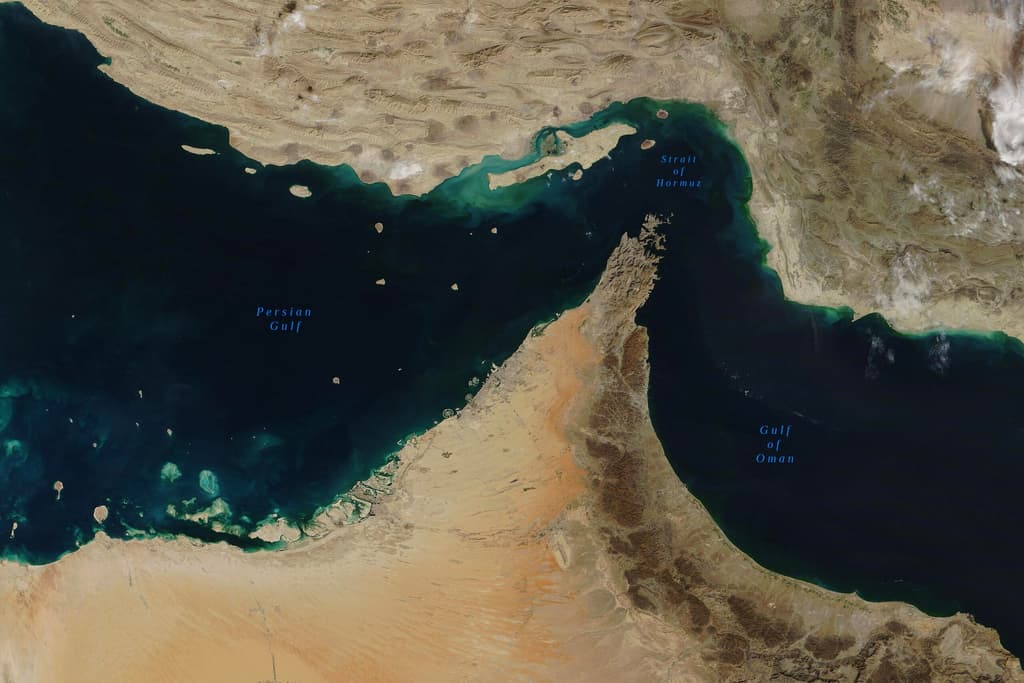
Trader sentiment on average daily ships transiting the Strait of Hormuz in late April remains tightly clustered across bins like 10-40 vessels, reflecting balanced uncertainty amid Iran-Israel tensions following Tehran's April 13 missile barrage and vows of retaliation against shipping. AIS data from marine trackers shows steady traffic at roughly 80-100 vessels per day through month's end, defying closure fears, yet Houthi disruptions in the Red Sea and Iranian naval drills nearby fuel downside risk pricing. The even split captures traders' calibration of escalation odds versus historical precedent of resilient flows during crises. Separation could emerge from U.S. Energy Information Administration transit reports or fresh incidents like vessel seizures.
基於Polymarket數據的AI實驗性摘要 · 更新於10-20 49%
20-30 49%
0-10 48%
30-40 48%
0-10
48%
10-20
49%
20-30
49%
30-40
48%
40-50
48%
50-60
48%
60+
47%
10-20 49%
20-30 49%
0-10 48%
30-40 48%
0-10
48%
10-20
49%
20-30
49%
30-40
48%
40-50
48%
50-60
48%
60+
47%
Transit calls include container, dry bulk, roll-on/roll-off, general cargo, and tanker ships. Ships not reported by IMF Portwatch will not be considered.
This market will resolve as soon as data for the specified date has been published. If no data for the specified date has been published by May 14, 2026, 11:59 PM ET, this market will resolve based on data for the most recent date prior to April 30, 2026, for which data is available.
This market will resolve based on the first publication of data for April 30, 2026. Any subsequent revisions will not be considered.
If the reported value falls exactly between two brackets, this market will resolve to the higher range bracket.
The resolution source for this market will be IMF Portwatch, specifically the transit calls data published for the Strait of Hormuz at https://portwatch.imf.org/pages/cb5856222a5b4105adc6ee7e880a1730, both in the chart and through downloadable files.
市場開放時間: Mar 24, 2026, 1:00 PM ET
Resolver
0x69c47De9D...Resolver
0x69c47De9D...Trader sentiment on average daily ships transiting the Strait of Hormuz in late April remains tightly clustered across bins like 10-40 vessels, reflecting balanced uncertainty amid Iran-Israel tensions following Tehran's April 13 missile barrage and vows of retaliation against shipping. AIS data from marine trackers shows steady traffic at roughly 80-100 vessels per day through month's end, defying closure fears, yet Houthi disruptions in the Red Sea and Iranian naval drills nearby fuel downside risk pricing. The even split captures traders' calibration of escalation odds versus historical precedent of resilient flows during crises. Separation could emerge from U.S. Energy Information Administration transit reports or fresh incidents like vessel seizures.
基於Polymarket數據的AI實驗性摘要 · 更新於
警惕外部連結哦。
警惕外部連結哦。
Frequently Asked Questions