
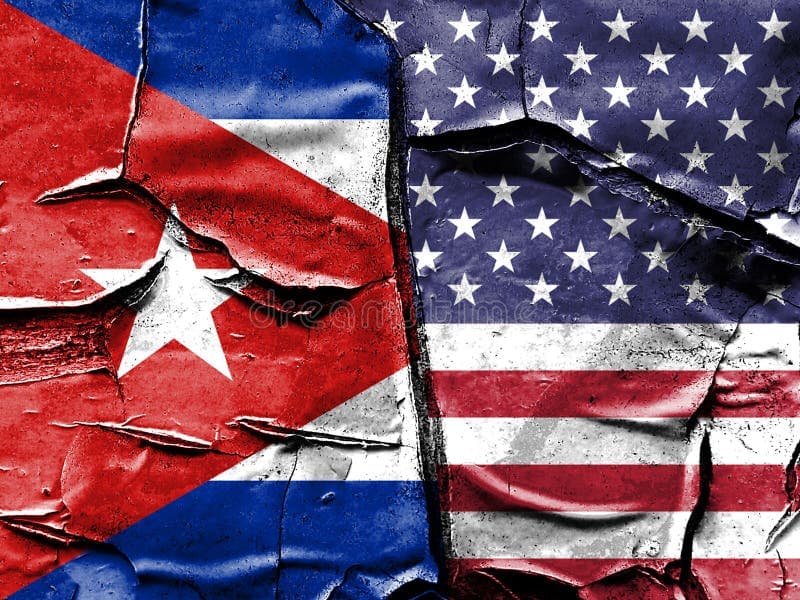
US trader consensus against a 2026 invasion stems from the Trump administration's sustained focus on economic sanctions, including an oil blockade and targeted measures against Cuban entities, rather than military deployment. Recent talks between officials have stalled with no agenda or progress reported by Cuba's foreign minister in early September, while US resources remain committed to other priorities such as the Iran conflict. Analysts note the absence of mass domestic protests in Cuba that could create conditions for intervention, alongside political risks tied to the November midterms and potential migration flows. Official actions have emphasized intelligence operations, indictments, and pressure for concessions through existing channels instead of escalation to invasion.
基於Polymarket數據的AI實驗性摘要。這不是交易建議,也不影響該市場的結算方式。 · 更新於是
$3,308,564 交易量
$3,308,564 交易量
是
$3,308,564 交易量
$3,308,564 交易量
For the purposes of this market, land de facto controlled by Cuba or the United States as market creation, will be considered the sovereign territory of that country.
The resolution source for this market will be a consensus of credible sources.
市場開放時間: Jan 4, 2026, 3:24 PM ET
For the purposes of this market, land de facto controlled by Cuba or the United States as market creation, will be considered the sovereign territory of that country.
The resolution source for this market will be a consensus of credible sources.
US trader consensus against a 2026 invasion stems from the Trump administration's sustained focus on economic sanctions, including an oil blockade and targeted measures against Cuban entities, rather than military deployment. Recent talks between officials have stalled with no agenda or progress reported by Cuba's foreign minister in early September, while US resources remain committed to other priorities such as the Iran conflict. Analysts note the absence of mass domestic protests in Cuba that could create conditions for intervention, alongside political risks tied to the November midterms and potential migration flows. Official actions have emphasized intelligence operations, indictments, and pressure for concessions through existing channels instead of escalation to invasion.
基於Polymarket數據的AI實驗性摘要。這不是交易建議,也不影響該市場的結算方式。 · 更新於


警惕外部連結哦。
警惕外部連結哦。
Frequently Asked Questions