Market icon

Vainqueur du premier tour de l'élection présidentielle péruvienne

Market icon

Vainqueur du premier tour de l'élection présidentielle péruvienne

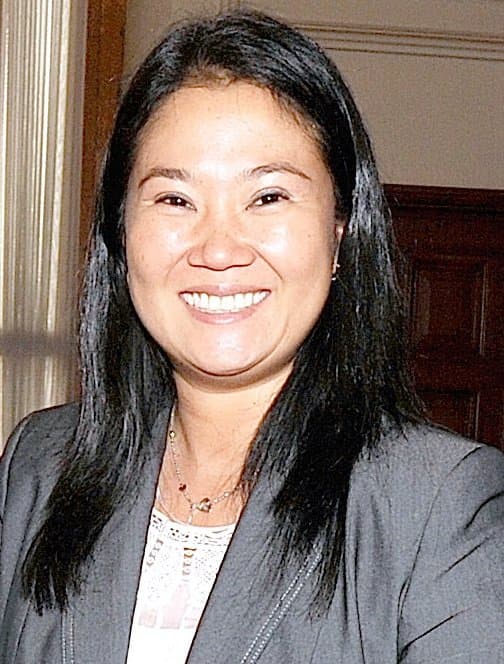
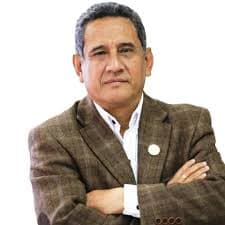
Keiko Fujimori 99.4%

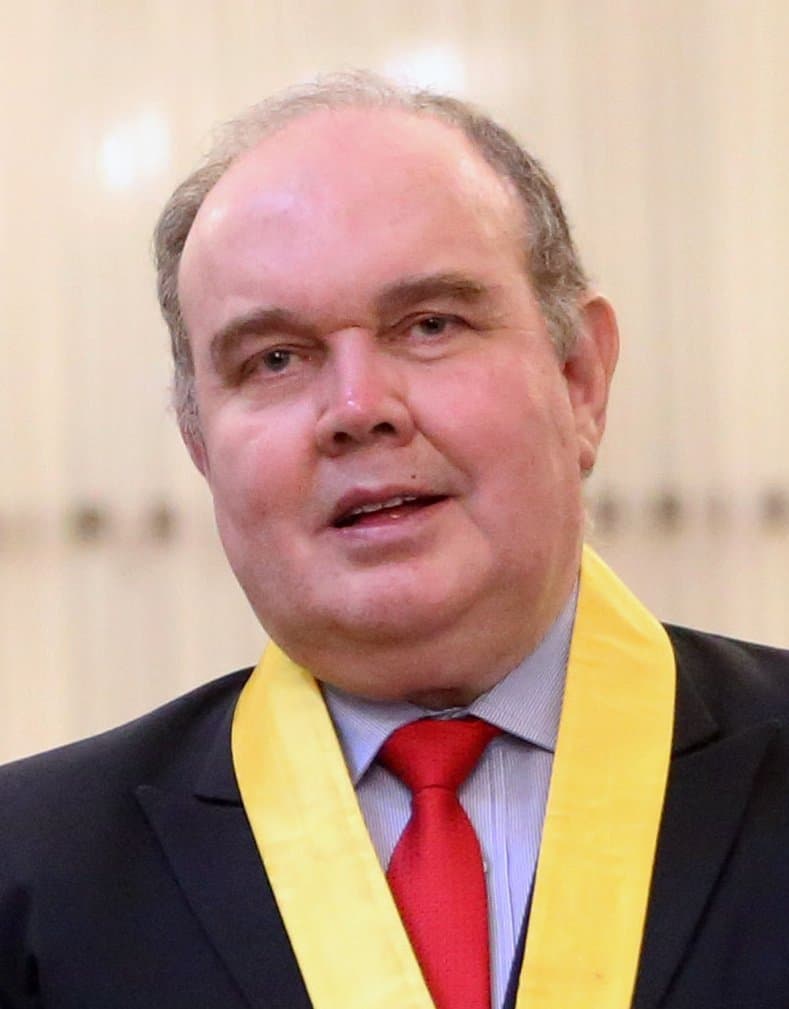
Rafael López Aliaga <1%

Roberto Sánchez Palomino <1%
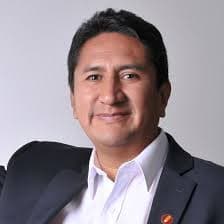
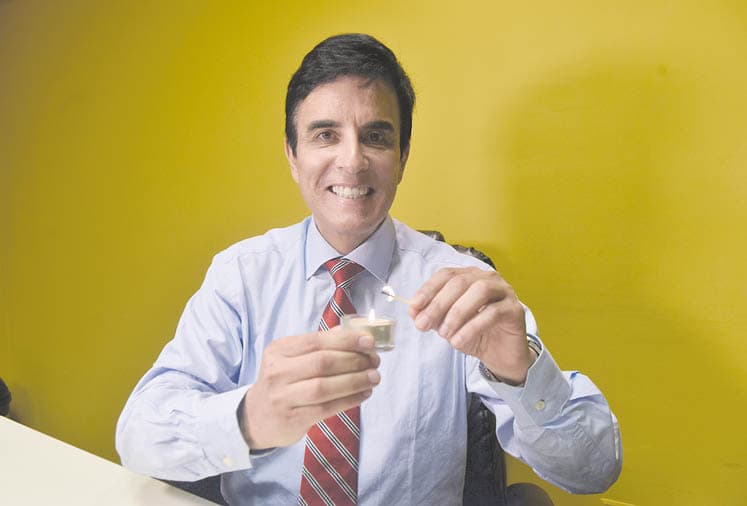
Vladimir Cerrón <1%

Polymarket

$1,877,012 Vol.

Keiko Fujimori 99.4%

Rafael López Aliaga <1%

Roberto Sánchez Palomino <1%

Vladimir Cerrón <1%

Polymarket

$1,877,012 Vol.

Keiko Fujimori terminera-t-elle en première place au premier tour de l'élection présidentielle péruvienne de 2026 ? icon

Keiko Fujimori

$706,838 Vol.

99%

Rafael López Aliaga terminera-t-il à la première place au premier tour de l'élection présidentielle péruvienne de 2026 ? icon

Rafael López Aliaga

$297,431 Vol.

<1%

Roberto Sánchez Palomino finira-t-il à la première place au premier tour de l'élection présidentielle péruvienne de 2026 ? icon

Roberto Sánchez Palomino

$170,312 Vol.

<1%

Vladimir Cerrón arrivera-t-il en première place au premier tour de l'élection présidentielle péruvienne de 2026 ? icon

Vladimir Cerrón

$4,173 Vol.

<1%

Fiorella Molinelli finira-t-elle à la première place au premier tour de l'élection présidentielle péruvienne de 2026 ? icon

Fiorella Molinelli

$1,534 Vol.

<1%

Carlos Espá terminera-t-il à la première place au premier tour de l’élection présidentielle péruvienne de 2026 ? icon

Carlos Espá

$20,342 Vol.

<1%

Yonhy Lescano arrivera-t-il en première place au premier tour de l'élection présidentielle péruvienne de 2026 ? icon

Yonhy Lescano

$8,870 Vol.

<1%

Roberto Chiabra terminera-t-il à la première place au premier tour de l'élection présidentielle péruvienne de 2026 ? icon

Roberto Chiabra

$1,814 Vol.

<1%

José Williams terminera-t-il à la première place au premier tour de l'élection présidentielle péruvienne de 2026 ? icon

José Williams

$4,300 Vol.

<1%

Fernando Olivera terminera-t-il à la première place au premier tour de l'élection présidentielle péruvienne de 2026 ? icon

Fernando Olivera

$3,364 Vol.

<1%

Rafael Belaúnde Llosa terminera-t-il à la première place au premier tour de l'élection présidentielle péruvienne de 2026 ? icon

Rafael Belaúnde Llosa

$10,380 Vol.

<1%

Marisol Pérez Tello arrivera-t-elle en première place au premier tour de l'élection présidentielle péruvienne de 2026 ? icon

Marisol Pérez Tello

$20,060 Vol.

<1%

Mario Vizcarra arrivera-t-il en première place au premier tour de l'élection présidentielle péruvienne de 2026 ? icon

Mario Vizcarra

$2,989 Vol.

<1%

César Acuña finira-t-il à la première place au premier tour de l'élection présidentielle péruvienne de 2026 ? icon

César Acuña

$10,756 Vol.

<1%

José Luna terminera-t-il à la première place au premier tour de l'élection présidentielle péruvienne de 2026 ? icon

José Luna

$1,827 Vol.

<1%

Jorge Nieto finira-t-il à la première place au premier tour de l'élection présidentielle péruvienne de 2026 ? icon

Jorge Nieto

$158,504 Vol.

<1%

Wolfgang Grozo terminera-t-il à la première place au premier tour de l'élection présidentielle péruvienne de 2026 ? icon

Wolfgang Grozo

$7,040 Vol.

<1%

Carlos Álvarez terminera-t-il à la première place au premier tour de l'élection présidentielle péruvienne de 2026 ? icon

Carlos Álvarez

$148,043 Vol.

<1%

Alfonso López Chau terminera-t-il à la première place au premier tour de l'élection présidentielle péruvienne de 2026 ? icon

Alfonso López Chau

$95,014 Vol.

<1%

George Forsyth terminera-t-il à la première place au premier tour de l'élection présidentielle péruvienne de 2026 ? icon

George Forsyth

$1,660 Vol.

<1%

Enrique Valderrama arrivera-t-il en première place au premier tour de l'élection présidentielle péruvienne de 2026 ? icon

Enrique Valderrama

$2,782 Vol.

<1%

Ricardo Belmont terminera-t-il à la première place au premier tour de l'élection présidentielle péruvienne de 2026 ? icon

Ricardo Belmont

$193,793 Vol.

<1%

Mesías Guevara terminera-t-il à la première place au premier tour de l'élection présidentielle péruvienne de 2026 ? icon

Mesías Guevara

$5,185 Vol.

<1%

First-round presidential elections are scheduled to be held in Peru on April 12, 2026, with a potential second round on June 7, 2026, if no candidate receives more than 50% of the valid votes outright. This market will resolve according to the listed candidate who receives the most valid votes in the first round of this election. The named candidates will be primarily ranked by the number of valid votes received in the specified election. If two or more candidates are tied on valid votes, ties will be broken by alphabetical order of the candidates' last names. This market will resolve to the candidate that occupies the highest finishing position after applying this ranking. If the results are not known definitively by October 31, 2026, 11:59 PM ET, this market will resolve to "Other". This market will resolve based on the results of this election, as indicated by a consensus of credible reporting. If there is ambiguity, this market will resolve solely on the official results as reported by the Peruvian government, specifically the National Office of Electoral Processes (Oficina Nacional de Procesos Electorales, ONPE) (https://www.onpe.gob.pe/elecciones/) and the National Jury of Elections (Jurado Nacional de Elecciones, JNE) (https://portal.jne.gob.pe/portal/)With over 92% of actas processed by Peru's National Office of Electoral Processes (ONPE) as of April 16, Keiko Fujimori maintains an insurmountable 17% plurality lead in the April 12-13 first-round presidential vote—roughly five points ahead of Roberto Sánchez Palomino—driving trader consensus to 99.3% odds on her as the top finisher amid a fragmented field of 35 candidates. Logistical delays extended voting into a second day and slowed counting, sparking unsubstantiated fraud claims, but Fujimori's edge held firm from early exit polls through progressive tallies, reflecting her strong base in a politically volatile context marked by recent presidential upheavals. While a June 7 runoff looms against the runner-up, her first-round position faces slim reversal risks barring verified irregularities in the final 8% of ballots or successful court challenges, despite clean marks from EU observers.

First-round presidential elections are scheduled to be held in Peru on April 12, 2026, with a potential second round on June 7, 2026, if no candidate receives more than 50% of the valid votes outright.

This market will resolve according to the listed candidate who receives the most valid votes in the first round of this election.

The named candidates will be primarily ranked by the number of valid votes received in the specified election. If two or more candidates are tied on valid votes, ties will be broken by alphabetical order of the candidates' last names. This market will resolve to the candidate that occupies the highest finishing position after applying this ranking.

If the results are not known definitively by October 31, 2026, 11:59 PM ET, this market will resolve to "Other".

This market will resolve based on the results of this election, as indicated by a consensus of credible reporting. If there is ambiguity, this market will resolve solely on the official results as reported by the Peruvian government, specifically the National Office of Electoral Processes (Oficina Nacional de Procesos Electorales, ONPE) (https://www.onpe.gob.pe/elecciones/) and the National Jury of Elections (Jurado Nacional de Elecciones, JNE) (https://portal.jne.gob.pe/portal/)
Volume
$1,877,012
Date de fin
12 avr. 2026
Marché ouvert
Mar 20, 2026, 10:29 AM ET
First-round presidential elections are scheduled to be held in Peru on April 12, 2026, with a potential second round on June 7, 2026, if no candidate receives more than 50% of the valid votes outright. This market will resolve according to the listed candidate who receives the most valid votes in the first round of this election. The named candidates will be primarily ranked by the number of valid votes received in the specified election. If two or more candidates are tied on valid votes, ties will be broken by alphabetical order of the candidates' last names. This market will resolve to the candidate that occupies the highest finishing position after applying this ranking. If the results are not known definitively by October 31, 2026, 11:59 PM ET, this market will resolve to "Other". This market will resolve based on the results of this election, as indicated by a consensus of credible reporting. If there is ambiguity, this market will resolve solely on the official results as reported by the Peruvian government, specifically the National Office of Electoral Processes (Oficina Nacional de Procesos Electorales, ONPE) (https://www.onpe.gob.pe/elecciones/) and the National Jury of Elections (Jurado Nacional de Elecciones, JNE) (https://portal.jne.gob.pe/portal/)
First-round presidential elections are scheduled to be held in Peru on April 12, 2026, with a potential second round on June 7, 2026, if no candidate receives more than 50% of the valid votes outright. This market will resolve according to the listed candidate who receives the most valid votes in the first round of this election. The named candidates will be primarily ranked by the number of valid votes received in the specified election. If two or more candidates are tied on valid votes, ties will be broken by alphabetical order of the candidates' last names. This market will resolve to the candidate that occupies the highest finishing position after applying this ranking. If the results are not known definitively by October 31, 2026, 11:59 PM ET, this market will resolve to "Other". This market will resolve based on the results of this election, as indicated by a consensus of credible reporting. If there is ambiguity, this market will resolve solely on the official results as reported by the Peruvian government, specifically the National Office of Electoral Processes (Oficina Nacional de Procesos Electorales, ONPE) (https://www.onpe.gob.pe/elecciones/) and the National Jury of Elections (Jurado Nacional de Elecciones, JNE) (https://portal.jne.gob.pe/portal/)With over 92% of actas processed by Peru's National Office of Electoral Processes (ONPE) as of April 16, Keiko Fujimori maintains an insurmountable 17% plurality lead in the April 12-13 first-round presidential vote—roughly five points ahead of Roberto Sánchez Palomino—driving trader consensus to 99.3% odds on her as the top finisher amid a fragmented field of 35 candidates. Logistical delays extended voting into a second day and slowed counting, sparking unsubstantiated fraud claims, but Fujimori's edge held firm from early exit polls through progressive tallies, reflecting her strong base in a politically volatile context marked by recent presidential upheavals. While a June 7 runoff looms against the runner-up, her first-round position faces slim reversal risks barring verified irregularities in the final 8% of ballots or successful court challenges, despite clean marks from EU observers.

First-round presidential elections are scheduled to be held in Peru on April 12, 2026, with a potential second round on June 7, 2026, if no candidate receives more than 50% of the valid votes outright.

This market will resolve according to the listed candidate who receives the most valid votes in the first round of this election.

The named candidates will be primarily ranked by the number of valid votes received in the specified election. If two or more candidates are tied on valid votes, ties will be broken by alphabetical order of the candidates' last names. This market will resolve to the candidate that occupies the highest finishing position after applying this ranking.

If the results are not known definitively by October 31, 2026, 11:59 PM ET, this market will resolve to "Other".

This market will resolve based on the results of this election, as indicated by a consensus of credible reporting. If there is ambiguity, this market will resolve solely on the official results as reported by the Peruvian government, specifically the National Office of Electoral Processes (Oficina Nacional de Procesos Electorales, ONPE) (https://www.onpe.gob.pe/elecciones/) and the National Jury of Elections (Jurado Nacional de Elecciones, JNE) (https://portal.jne.gob.pe/portal/)
Volume
$1,877,012
Date de fin
12 avr. 2026
Marché ouvert
Mar 20, 2026, 10:29 AM ET
First-round presidential elections are scheduled to be held in Peru on April 12, 2026, with a potential second round on June 7, 2026, if no candidate receives more than 50% of the valid votes outright. This market will resolve according to the listed candidate who receives the most valid votes in the first round of this election. The named candidates will be primarily ranked by the number of valid votes received in the specified election. If two or more candidates are tied on valid votes, ties will be broken by alphabetical order of the candidates' last names. This market will resolve to the candidate that occupies the highest finishing position after applying this ranking. If the results are not known definitively by October 31, 2026, 11:59 PM ET, this market will resolve to "Other". This market will resolve based on the results of this election, as indicated by a consensus of credible reporting. If there is ambiguity, this market will resolve solely on the official results as reported by the Peruvian government, specifically the National Office of Electoral Processes (Oficina Nacional de Procesos Electorales, ONPE) (https://www.onpe.gob.pe/elecciones/) and the National Jury of Elections (Jurado Nacional de Elecciones, JNE) (https://portal.jne.gob.pe/portal/)

Méfiez-vous des liens externes.

Questions fréquentes

« Vainqueur du premier tour de l'élection présidentielle péruvienne » est un marché de prédiction sur Polymarket avec 23 résultats possibles où les traders achètent et vendent des parts selon ce qu'ils pensent qu'il se passera. Le résultat en tête actuel est « Keiko Fujimori » à 99%, suivi de « Rafael López Aliaga » à 0%. Les prix reflètent des probabilités en temps réel de la communauté. Par exemple, une part cotée à 99¢ implique que le marché attribue collectivement une probabilité de 99% à ce résultat. Ces cotes changent en permanence. Les parts du résultat correct sont échangeables contre $1 chacune lors de la résolution du marché.

À ce jour, « Vainqueur du premier tour de l'élection présidentielle péruvienne » a généré $1.9 million en volume total de trading depuis le lancement du marché le Mar 20, 2026. Ce niveau d'activité reflète un fort engagement de la communauté Polymarket et garantit que les cotes actuelles sont alimentées par un large bassin de participants. Vous pouvez suivre les mouvements de prix en direct et trader sur n'importe quel résultat directement sur cette page.

Pour trader sur « Vainqueur du premier tour de l'élection présidentielle péruvienne », parcourez les 23 résultats disponibles sur cette page. Chaque résultat affiche un prix actuel représentant la probabilité implicite du marché. Pour prendre position, sélectionnez le résultat que vous estimez le plus probable, choisissez « Oui » pour trader en sa faveur ou « Non » pour trader contre, entrez votre montant et cliquez sur « Trader ». Si votre résultat choisi est correct lors de la résolution, vos parts « Oui » rapportent $1 chacune. S'il est incorrect, elles rapportent $0. Vous pouvez également vendre vos parts avant la résolution.

Le favori actuel pour « Vainqueur du premier tour de l'élection présidentielle péruvienne » est « Keiko Fujimori » à 99%, ce qui signifie que le marché attribue une probabilité de 99% à ce résultat. Le résultat le plus proche ensuite est « Rafael López Aliaga » à 0%. Ces cotes sont mises à jour en temps réel à mesure que les traders achètent et vendent des parts. Revenez fréquemment ou ajoutez cette page à vos favoris.

Les règles de résolution de « Vainqueur du premier tour de l'élection présidentielle péruvienne » définissent exactement ce qui doit se produire pour que chaque résultat soit déclaré gagnant, y compris les sources de données officielles utilisées pour déterminer le résultat. Vous pouvez consulter les critères de résolution complets dans la section « Règles » sur cette page au-dessus des commentaires. Nous recommandons de lire attentivement les règles avant de trader, car elles précisent les conditions exactes, les cas particuliers et les sources.