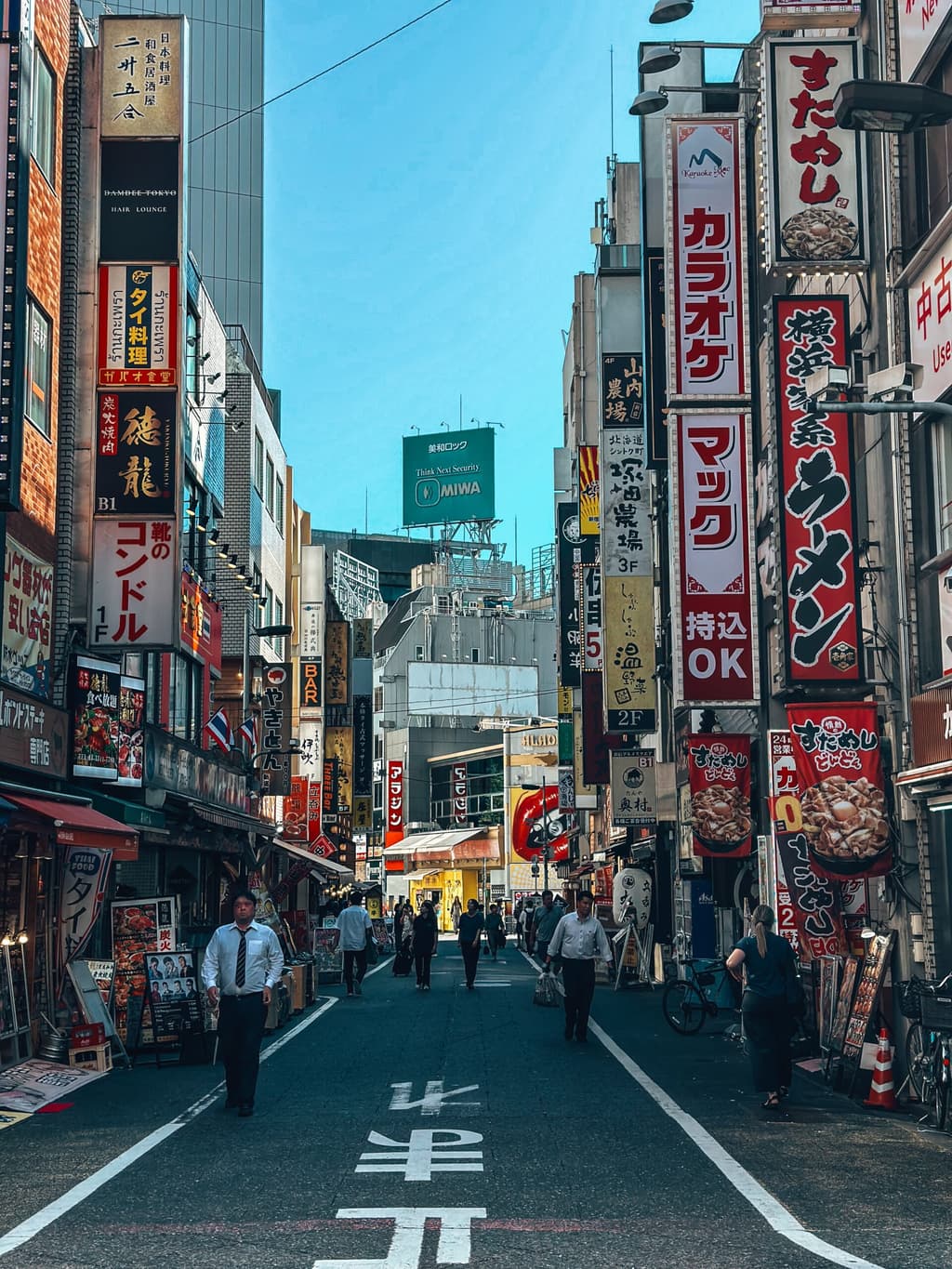
Recent forecasts from the Japan Meteorological Agency and ensemble models indicate a mostly cloudy pattern with scattered showers possible on August 22, limiting solar heating and supporting highs near 30–32°C in Tokyo. Persistent moisture from recent regional rainfall, combined with light variable winds and high humidity near 70–80%, favors modest daytime warming rather than extreme heat. Differentiation between 30°C and 33°C hinges on cloud thickness, precipitation timing, and boundary-layer mixing; stronger subsidence or clearer breaks could push toward the upper end, while enhanced rain-cooled downdrafts favor the lower range. Market-implied odds reflect this narrow uncertainty window ahead of final model runs.
Ringkasan eksperimental yang dihasilkan AI dengan referensi data Polymarket. Ini bukan saran trading dan tidak berperan dalam bagaimana pasar ini diselesaikan. · DiperbaruiHighest temperature in Tokyo on August 22?
Highest temperature in Tokyo on August 22?
31°C 34%
32°C 29%
30°C 16%
33°C 10%
BARU
BARU
Aug 22, 2026
26°C or below
<1%
27°C
1%
28°C
5%
29°C
8%
30°C
16%
31°C
34%
32°C
29%
33°C
11%
34°C
5%
35°C
3%
36°C or higher
1%
31°C 34%
32°C 29%
30°C 16%
33°C 10%
BARU
BARU
Aug 22, 2026
26°C or below
$17 Vol.
<1%
27°C
$13 Vol.
1%
28°C
$10 Vol.
5%
29°C
$2 Vol.
8%
30°C
$25 Vol.
16%
31°C
$91 Vol.
34%
32°C
$26 Vol.
29%
33°C
$14 Vol.
11%
34°C
$0 Vol.
5%
35°C
$20 Vol.
3%
36°C or higher
$11 Vol.
1%
This market will resolve based on the highest temperature recorded in the 'Daily Observations' table on Weather Underground, not the figure displayed in the 'Day High & Low' summary section; in the event of any discrepancy between the two, the Daily Observations table shall be the primary resolution source not the Day High & Low section.
This market will resolve to the temperature range that contains the highest temperature recorded at the Tokyo Haneda Airport Station in degrees Celsius on 22 Aug '26.
The resolution source for this market will be information from Wunderground, specifically the highest temperature recorded for all times on this day for the Tokyo Haneda Airport Station, available here: https://www.wunderground.com/history/daily/jp/tokyo/RJTT.
To toggle between Fahrenheit and Celsius, click the gear icon next to the search bar and switch the Temperature setting between °F and °C.
This market can not resolve until the first data point for the following date has been published on the resolution source.
The resolution source for this market measures temperatures to whole degrees Celsius (eg, 9°C). Thus, this is the level of precision that will be used when resolving the market.
Revisions to temperatures recorded within this market's timeframe will be considered until the first datapoint for the following date has been published, after which any alterations will not be considered.Recent forecasts from the Japan Meteorological Agency and ensemble models indicate a mostly cloudy pattern with scattered showers possible on August 22, limiting solar heating and supporting highs near 30–32°C in Tokyo. Persistent moisture from recent regional rainfall, combined with light variable winds and high humidity near 70–80%, favors modest daytime warming rather than extreme heat. Differentiation between 30°C and 33°C hinges on cloud thickness, precipitation timing, and boundary-layer mixing; stronger subsidence or clearer breaks could push toward the upper end, while enhanced rain-cooled downdrafts favor the lower range. Market-implied odds reflect this narrow uncertainty window ahead of final model runs.
This market will resolve based on the highest temperature recorded in the 'Daily Observations' table on Weather Underground, not the figure displayed in the 'Day High & Low' summary section; in the event of any discrepancy between the two, the Daily Observations table shall be the primary resolution source not the Day High & Low section.
This market will resolve to the temperature range that contains the highest temperature recorded at the Tokyo Haneda Airport Station in degrees Celsius on 22 Aug '26.
The resolution source for this market will be information from Wunderground, specifically the highest temperature recorded for all times on this day for the Tokyo Haneda Airport Station, available here: https://www.wunderground.com/history/daily/jp/tokyo/RJTT.
To toggle between Fahrenheit and Celsius, click the gear icon next to the search bar and switch the Temperature setting between °F and °C.
This market can not resolve until the first data point for the following date has been published on the resolution source.
The resolution source for this market measures temperatures to whole degrees Celsius (eg, 9°C). Thus, this is the level of precision that will be used when resolving the market.
Revisions to temperatures recorded within this market's timeframe will be considered until the first datapoint for the following date has been published, after which any alterations will not be considered.
This market will resolve to the temperature range that contains the highest temperature recorded at the Tokyo Haneda Airport Station in degrees Celsius on 22 Aug '26.
The resolution source for this market will be information from Wunderground, specifically the highest temperature recorded for all times on this day for the Tokyo Haneda Airport Station, available here: https://www.wunderground.com/history/daily/jp/tokyo/RJTT.
To toggle between Fahrenheit and Celsius, click the gear icon next to the search bar and switch the Temperature setting between °F and °C.
This market can not resolve until the first data point for the following date has been published on the resolution source.
The resolution source for this market measures temperatures to whole degrees Celsius (eg, 9°C). Thus, this is the level of precision that will be used when resolving the market.
Revisions to temperatures recorded within this market's timeframe will be considered until the first datapoint for the following date has been published, after which any alterations will not be considered.
Pasar Dibuka: Aug 20, 2026, 12:56 AM ET
Volume
$229Tanggal Berakhir
Aug 22, 2026Pasar Dibuka
Aug 20, 2026, 12:56 AM ETSumber Resolusi
https://www.wunderground.com/history/daily/jp/tokyo/RJTTResolver
0x69c47De9D...This market will resolve based on the highest temperature recorded in the 'Daily Observations' table on Weather Underground, not the figure displayed in the 'Day High & Low' summary section; in the event of any discrepancy between the two, the Daily Observations table shall be the primary resolution source not the Day High & Low section.
This market will resolve to the temperature range that contains the highest temperature recorded at the Tokyo Haneda Airport Station in degrees Celsius on 22 Aug '26.
The resolution source for this market will be information from Wunderground, specifically the highest temperature recorded for all times on this day for the Tokyo Haneda Airport Station, available here: https://www.wunderground.com/history/daily/jp/tokyo/RJTT.
To toggle between Fahrenheit and Celsius, click the gear icon next to the search bar and switch the Temperature setting between °F and °C.
This market can not resolve until the first data point for the following date has been published on the resolution source.
The resolution source for this market measures temperatures to whole degrees Celsius (eg, 9°C). Thus, this is the level of precision that will be used when resolving the market.
Revisions to temperatures recorded within this market's timeframe will be considered until the first datapoint for the following date has been published, after which any alterations will not be considered.Recent forecasts from the Japan Meteorological Agency and ensemble models indicate a mostly cloudy pattern with scattered showers possible on August 22, limiting solar heating and supporting highs near 30–32°C in Tokyo. Persistent moisture from recent regional rainfall, combined with light variable winds and high humidity near 70–80%, favors modest daytime warming rather than extreme heat. Differentiation between 30°C and 33°C hinges on cloud thickness, precipitation timing, and boundary-layer mixing; stronger subsidence or clearer breaks could push toward the upper end, while enhanced rain-cooled downdrafts favor the lower range. Market-implied odds reflect this narrow uncertainty window ahead of final model runs.
This market will resolve based on the highest temperature recorded in the 'Daily Observations' table on Weather Underground, not the figure displayed in the 'Day High & Low' summary section; in the event of any discrepancy between the two, the Daily Observations table shall be the primary resolution source not the Day High & Low section.
This market will resolve to the temperature range that contains the highest temperature recorded at the Tokyo Haneda Airport Station in degrees Celsius on 22 Aug '26.
The resolution source for this market will be information from Wunderground, specifically the highest temperature recorded for all times on this day for the Tokyo Haneda Airport Station, available here: https://www.wunderground.com/history/daily/jp/tokyo/RJTT.
To toggle between Fahrenheit and Celsius, click the gear icon next to the search bar and switch the Temperature setting between °F and °C.
This market can not resolve until the first data point for the following date has been published on the resolution source.
The resolution source for this market measures temperatures to whole degrees Celsius (eg, 9°C). Thus, this is the level of precision that will be used when resolving the market.
Revisions to temperatures recorded within this market's timeframe will be considered until the first datapoint for the following date has been published, after which any alterations will not be considered.
This market will resolve to the temperature range that contains the highest temperature recorded at the Tokyo Haneda Airport Station in degrees Celsius on 22 Aug '26.
The resolution source for this market will be information from Wunderground, specifically the highest temperature recorded for all times on this day for the Tokyo Haneda Airport Station, available here: https://www.wunderground.com/history/daily/jp/tokyo/RJTT.
To toggle between Fahrenheit and Celsius, click the gear icon next to the search bar and switch the Temperature setting between °F and °C.
This market can not resolve until the first data point for the following date has been published on the resolution source.
The resolution source for this market measures temperatures to whole degrees Celsius (eg, 9°C). Thus, this is the level of precision that will be used when resolving the market.
Revisions to temperatures recorded within this market's timeframe will be considered until the first datapoint for the following date has been published, after which any alterations will not be considered.
Volume
$229Tanggal Berakhir
Aug 22, 2026Pasar Dibuka
Aug 20, 2026, 12:56 AM ETSumber Resolusi
https://www.wunderground.com/history/daily/jp/tokyo/RJTTResolver
0x69c47De9D...Recent forecasts from the Japan Meteorological Agency and ensemble models indicate a mostly cloudy pattern with scattered showers possible on August 22, limiting solar heating and supporting highs near 30–32°C in Tokyo. Persistent moisture from recent regional rainfall, combined with light variable winds and high humidity near 70–80%, favors modest daytime warming rather than extreme heat. Differentiation between 30°C and 33°C hinges on cloud thickness, precipitation timing, and boundary-layer mixing; stronger subsidence or clearer breaks could push toward the upper end, while enhanced rain-cooled downdrafts favor the lower range. Market-implied odds reflect this narrow uncertainty window ahead of final model runs.
Ringkasan eksperimental yang dihasilkan AI dengan referensi data Polymarket. Ini bukan saran trading dan tidak berperan dalam bagaimana pasar ini diselesaikan. · Diperbarui
Hati-hati dengan link eksternal.
Hati-hati dengan link eksternal.
Pertanyaan yang Sering Diajukan