
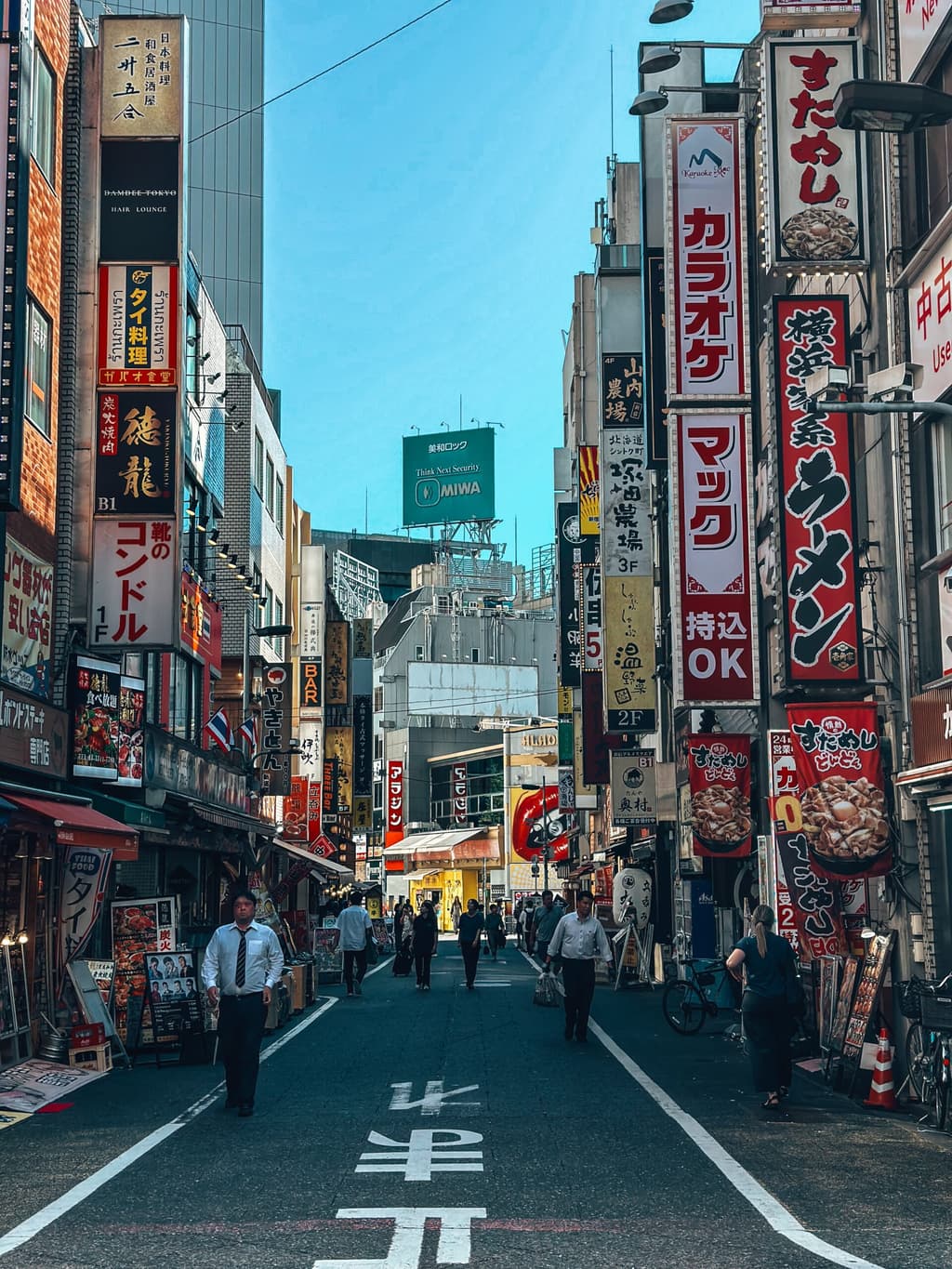
Recent forecasts from official and ensemble models indicate Tokyo's overnight low on September 17 will likely settle between 19–20 °C, driven by sustained northerly flow behind a frontal system, widespread rain, and high cloud cover that limits radiative cooling while preventing sharp drops. Persistent precipitation and moderate winds promote boundary-layer mixing that keeps minimum temperatures from falling below recent norms of roughly 19–20 °C for mid-September. Trader consensus clusters tightly on these two outcomes because small differences in forecast timing of any clearing or wind shift could nudge the recorded low by 1 °C, with later model runs and official Japan Meteorological Agency updates expected to refine the exact threshold before resolution.
Ringkasan eksperimental yang dihasilkan AI dengan referensi data Polymarket. Ini bukan saran trading dan tidak berperan dalam bagaimana pasar ini diselesaikan. · DiperbaruiLowest temperature in Tokyo on September 17?
Lowest temperature in Tokyo on September 17?
20°C 40%
19°C 38%
21°C 14%
17°C 12%
15°C or below
1%
16°C
1%
17°C
12%
18°C
7%
19°C
38%
20°C
40%
21°C
14%
22°C
3%
23°C
2%
24°C
1%
25°C or higher
<1%
20°C 40%
19°C 38%
21°C 14%
17°C 12%
15°C or below
1%
16°C
1%
17°C
12%
18°C
7%
19°C
38%
20°C
40%
21°C
14%
22°C
3%
23°C
2%
24°C
1%
25°C or higher
<1%
The resolution source for this market will be information from NOAA, specifically the lowest reading under the "Temp" column for all times on this day, available here: https://www.weather.gov/wrh/timeseries?site=rjtt
If NOAA data for the observation date is unavailable by 11:59 PM ET on the day following the observation date, the Weather Underground Daily Observations table will be used as the resolution source.
In the event that there is no data for the observation date by 11:59 PM ET on the day following the observation date, this market will resolve to the lowest bracket.
To toggle between Fahrenheit and Celsius, click the "Switch to Metric Units" button until the relevant table displays °C.
This market will resolve once the first data point for the following date has been published on the resolution source, or by 11:59 PM ET on the day following the observation date, whichever comes first.
The resolution source for this market measures temperatures to whole degrees Celsius (eg, 9°C). Thus, this is the level of precision that will be used when resolving the market.
Revisions to temperatures recorded within this market's timeframe will be considered until the first datapoint for the following date has been published, after which any alterations will not be considered.
Pasar Dibuka: Sep 15, 2026, 12:29 AM ET
Sumber Resolusi
https://www.weather.gov/wrh/timeseries?site=rjttResolver
0x69c47De9D...The resolution source for this market will be information from NOAA, specifically the lowest reading under the "Temp" column for all times on this day, available here: https://www.weather.gov/wrh/timeseries?site=rjtt
If NOAA data for the observation date is unavailable by 11:59 PM ET on the day following the observation date, the Weather Underground Daily Observations table will be used as the resolution source.
In the event that there is no data for the observation date by 11:59 PM ET on the day following the observation date, this market will resolve to the lowest bracket.
To toggle between Fahrenheit and Celsius, click the "Switch to Metric Units" button until the relevant table displays °C.
This market will resolve once the first data point for the following date has been published on the resolution source, or by 11:59 PM ET on the day following the observation date, whichever comes first.
The resolution source for this market measures temperatures to whole degrees Celsius (eg, 9°C). Thus, this is the level of precision that will be used when resolving the market.
Revisions to temperatures recorded within this market's timeframe will be considered until the first datapoint for the following date has been published, after which any alterations will not be considered.
Sumber Resolusi
https://www.weather.gov/wrh/timeseries?site=rjttResolver
0x69c47De9D...Recent forecasts from official and ensemble models indicate Tokyo's overnight low on September 17 will likely settle between 19–20 °C, driven by sustained northerly flow behind a frontal system, widespread rain, and high cloud cover that limits radiative cooling while preventing sharp drops. Persistent precipitation and moderate winds promote boundary-layer mixing that keeps minimum temperatures from falling below recent norms of roughly 19–20 °C for mid-September. Trader consensus clusters tightly on these two outcomes because small differences in forecast timing of any clearing or wind shift could nudge the recorded low by 1 °C, with later model runs and official Japan Meteorological Agency updates expected to refine the exact threshold before resolution.
Ringkasan eksperimental yang dihasilkan AI dengan referensi data Polymarket. Ini bukan saran trading dan tidak berperan dalam bagaimana pasar ini diselesaikan. · Diperbarui
Hati-hati dengan link eksternal.
Hati-hati dengan link eksternal.
Pertanyaan yang Sering Diajukan