
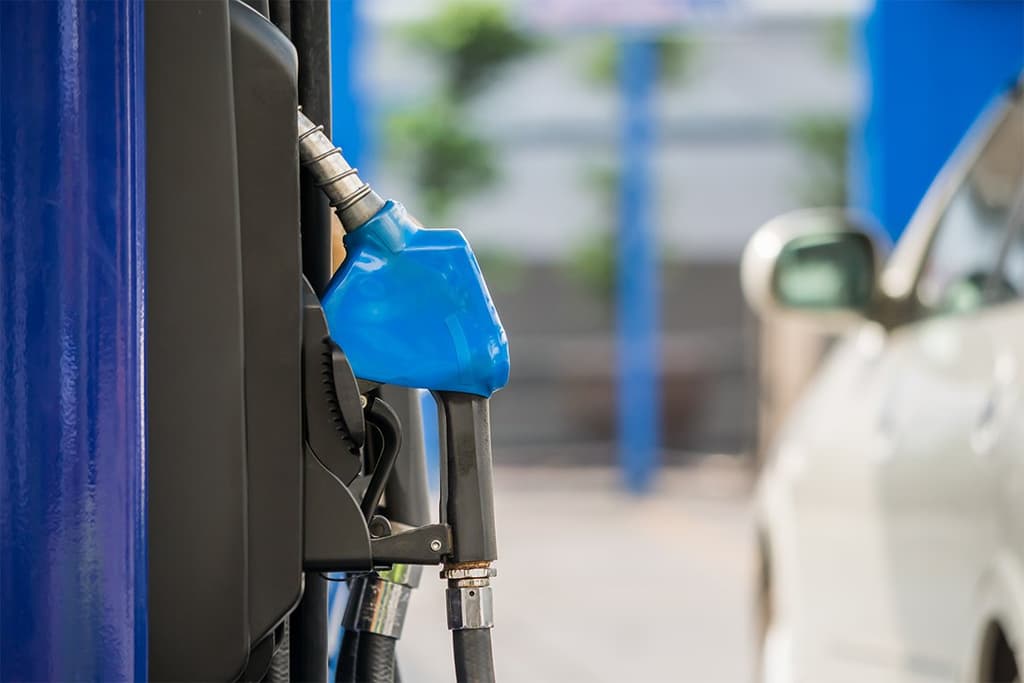
Rising gasoline prices, up more than $1.50 per gallon since February 2026 due to U.S. and Israeli military actions against Iran and resulting Persian Gulf supply disruptions, have driven renewed calls for a temporary federal gas tax suspension. President Trump endorsed a pause in May 2026, and lawmakers from both parties introduced bills including 90-day relief measures and extensions through October 2026. Any suspension requires congressional legislation and presidential signature, as the president lacks unilateral authority and no prior federal gas tax holiday has been enacted. Proposals would reduce the 18.4-cent-per-gallon excise tax but raise concerns over Highway Trust Fund revenue shortfalls estimated in the billions. As of September 2026, state-level suspensions continue in places like Indiana and Georgia, while federal action remains pending amid ongoing price pressures and legislative deliberations.
Tóm tắt AI thử nghiệm tham chiếu dữ liệu Polymarket. Đây không phải tư vấn giao dịch và không ảnh hưởng đến cách thị trường này được giải quyết. · Cập nhật$38,088 KL.
November 2
2%
$38,088 KL.
November 2
2%
This market will resolve to "Yes" if legislation that would, at least temporarily, suspend the federal excise tax on gasoline is passed by both chambers of the U.S. Congress and signed into law by the specified date (ET). Otherwise, this market will resolve to "No".
Qualifying legislation may include joint resolutions and must pass both the House and the Senate, and must be signed by the President, become law without signature while Congress remains in session, or become law through veto override. Presidential pocket vetoes that expire will not qualify.
The primary resolution sources for this market will be Congress.gov’s legislation tracker (https://www.congress.gov/bill/119th-congress/house-bill/22), the Library of Congress (congress.gov), and other official information from the government of the United States; however, a consensus of credible reporting may also be used.
Thị trường mở: May 12, 2026, 1:38 PM ET
Người giải quyết
0x65070BE91...This market will resolve to "Yes" if legislation that would, at least temporarily, suspend the federal excise tax on gasoline is passed by both chambers of the U.S. Congress and signed into law by the specified date (ET). Otherwise, this market will resolve to "No".
Qualifying legislation may include joint resolutions and must pass both the House and the Senate, and must be signed by the President, become law without signature while Congress remains in session, or become law through veto override. Presidential pocket vetoes that expire will not qualify.
The primary resolution sources for this market will be Congress.gov’s legislation tracker (https://www.congress.gov/bill/119th-congress/house-bill/22), the Library of Congress (congress.gov), and other official information from the government of the United States; however, a consensus of credible reporting may also be used.
Người giải quyết
0x65070BE91...Rising gasoline prices, up more than $1.50 per gallon since February 2026 due to U.S. and Israeli military actions against Iran and resulting Persian Gulf supply disruptions, have driven renewed calls for a temporary federal gas tax suspension. President Trump endorsed a pause in May 2026, and lawmakers from both parties introduced bills including 90-day relief measures and extensions through October 2026. Any suspension requires congressional legislation and presidential signature, as the president lacks unilateral authority and no prior federal gas tax holiday has been enacted. Proposals would reduce the 18.4-cent-per-gallon excise tax but raise concerns over Highway Trust Fund revenue shortfalls estimated in the billions. As of September 2026, state-level suspensions continue in places like Indiana and Georgia, while federal action remains pending amid ongoing price pressures and legislative deliberations.
Tóm tắt AI thử nghiệm tham chiếu dữ liệu Polymarket. Đây không phải tư vấn giao dịch và không ảnh hưởng đến cách thị trường này được giải quyết. · Cập nhật


Cẩn thận với liên kết bên ngoài.
Cẩn thận với liên kết bên ngoài.
Câu hỏi thường gặp