
Trader consensus prices "2" at 100% reflecting confirmed Israeli airstrikes solely against Iran and Lebanon during April 2026, amid the ongoing US-Israel-Iran war and Hezbollah escalations. The IDF conducted sustained drone, missile, and air operations on Iranian military infrastructure—including petrochemical facilities and nuclear sites—as part of Operation Roaring Lion/Epic Fury, while launching massive waves against Hezbollah targets in southern Lebanon and Beirut suburbs, such as the April 8 barrage killing over 250 despite a US-brokered ceasefire. No verifiable strikes hit other UN member states' soil, like Syria or Yemen, solidifying the exact count. Late-breaking reports of additional actions or disputes over proxy strikes could prompt resolution challenges, though trader pricing dismisses such risks.
Résumé expérimental généré par IA à partir des données Polymarket. Ceci n'est pas un conseil de trading et ne joue aucun rôle dans la résolution de ce marché. · Mis à jourCombien de pays Israël mènera-t-il une action militaire en avril ?
Combien de pays Israël mènera-t-il une action militaire en avril ?
2 100.0%
≤1 <1%
3 <1%
≥4 <1%
$163,676 Vol.
$163,676 Vol.
≤1
Non
2
Oui
3
Non
≥4
Non
2 100.0%
≤1 <1%
3 <1%
≥4 <1%
$163,676 Vol.
$163,676 Vol.
≤1
Non
2
Oui
3
Non
≥4
Non
Strikes on embassies or consulates will count towards the country where the embassy or consulate is located, not towards the country they represent.
Strikes within the territory controlled by Israel as of market creation, as well as strikes within the West Bank or the Gaza Strip, will not be counted towards this market's resolution.
For the purposes of this market, a qualifying "strike" is defined as the use of aerial bombs, drones, or missiles (including cruise or ballistic missiles) launched by Israeli military forces that impact another country's ground territory that is officially acknowledged by the Israeli government or a consensus of credible reporting.
Missiles or drones that are intercepted and surface-to-air missile strikes will not count towards the resolution of this market, regardless of whether they land on another country's territory or cause damage.
Actions such as artillery fire, small arms fire, FPV or ATGM strikes directly, ground incursions, naval shelling, cyberattacks, or other operations conducted by Israeli ground operatives will not qualify.
The resolution source will be a consensus of credible reporting.
Marché ouvert : Mar 27, 2026, 6:46 PM ET
Resolver
0x69c47De9D...Résultat proposé: Non
Aucune contestation
Résultat final: Non
Strikes on embassies or consulates will count towards the country where the embassy or consulate is located, not towards the country they represent.
Strikes within the territory controlled by Israel as of market creation, as well as strikes within the West Bank or the Gaza Strip, will not be counted towards this market's resolution.
For the purposes of this market, a qualifying "strike" is defined as the use of aerial bombs, drones, or missiles (including cruise or ballistic missiles) launched by Israeli military forces that impact another country's ground territory that is officially acknowledged by the Israeli government or a consensus of credible reporting.
Missiles or drones that are intercepted and surface-to-air missile strikes will not count towards the resolution of this market, regardless of whether they land on another country's territory or cause damage.
Actions such as artillery fire, small arms fire, FPV or ATGM strikes directly, ground incursions, naval shelling, cyberattacks, or other operations conducted by Israeli ground operatives will not qualify.
The resolution source will be a consensus of credible reporting.
Resolver
0x69c47De9D...Résultat proposé: Non
Aucune contestation
Résultat final: Non
Trader consensus prices "2" at 100% reflecting confirmed Israeli airstrikes solely against Iran and Lebanon during April 2026, amid the ongoing US-Israel-Iran war and Hezbollah escalations. The IDF conducted sustained drone, missile, and air operations on Iranian military infrastructure—including petrochemical facilities and nuclear sites—as part of Operation Roaring Lion/Epic Fury, while launching massive waves against Hezbollah targets in southern Lebanon and Beirut suburbs, such as the April 8 barrage killing over 250 despite a US-brokered ceasefire. No verifiable strikes hit other UN member states' soil, like Syria or Yemen, solidifying the exact count. Late-breaking reports of additional actions or disputes over proxy strikes could prompt resolution challenges, though trader pricing dismisses such risks.
Résumé expérimental généré par IA à partir des données Polymarket. Ceci n'est pas un conseil de trading et ne joue aucun rôle dans la résolution de ce marché. · Mis à jour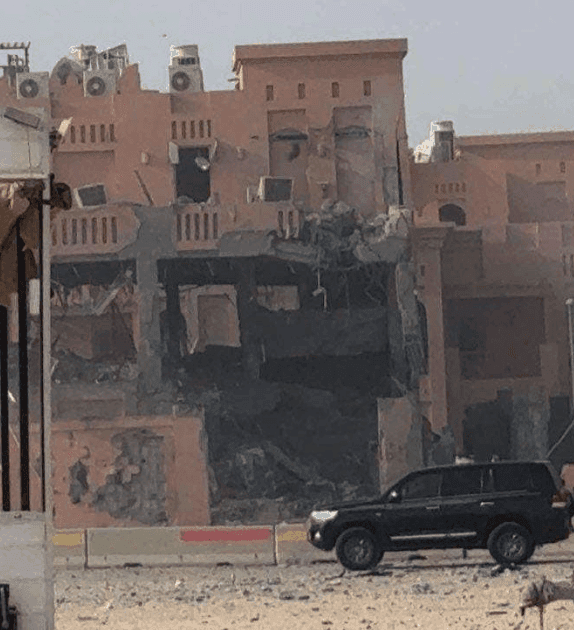

Méfiez-vous des liens externes.
Méfiez-vous des liens externes.
Questions fréquentes