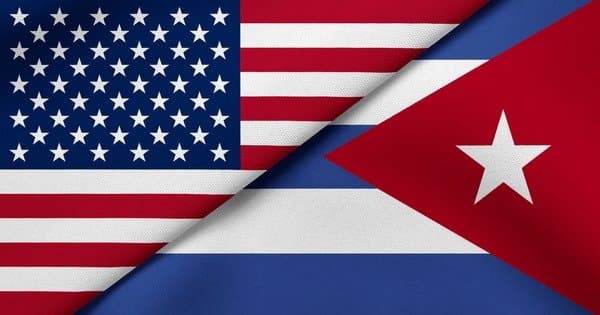
The Trump administration has intensified economic sanctions, indictments of Cuban officials, and naval deployments such as the USS Nimitz carrier strike group in the Caribbean as a show of force following the Venezuela operation earlier in 2026. These steps, alongside backchannel negotiations and demands for economic reforms, reflect a calibrated pressure campaign rather than preparations for direct confrontation. Cuban leaders have responded with defensive rhetoric and warnings of resistance but have avoided actions that would trigger escalation. With ongoing diplomatic channels, resource constraints from other commitments, and no verified military incidents between the two nations through late summer, traders assess a full clash as unlikely by year-end.
Résumé expérimental généré par IA à partir des données Polymarket. Ceci n'est pas un conseil de trading et ne joue aucun rôle dans la résolution de ce marché. · Mis à jourAffrontement militaire entre les États-Unis et Cuba en 2026 ?
Affrontement militaire entre les États-Unis et Cuba en 2026 ?
Oui
$242,446 Vol.
$242,446 Vol.
Oui
$242,446 Vol.
$242,446 Vol.
A "military encounter" is defined as any incident involving the use of force such as missile strikes, artillery fire, exchange of gunfire, or other forms of direct military engagement between US and Cuban military forces. Non-violent actions, such as warning shots, artillery fire into uninhabited areas, or missile launches that land in territorial waters or pass through airspace, will not qualify for a "Yes" resolution. Intentional ship ramming that results in significant damage to (e.g., a hole in the hull) or the sinking of a military ship by another will count toward a "Yes" resolution, however minor damage (scrapes, dents) will not.
Note: the United States Coast Guard is considered part of the United States military, and the Cuban Border Guard is considered part of the Cuban military.
The resolution source for this market will be a consensus of credible reporting.
Marché ouvert : Feb 25, 2026, 7:31 PM ET
Résolveur
0x65070BE91...A "military encounter" is defined as any incident involving the use of force such as missile strikes, artillery fire, exchange of gunfire, or other forms of direct military engagement between US and Cuban military forces. Non-violent actions, such as warning shots, artillery fire into uninhabited areas, or missile launches that land in territorial waters or pass through airspace, will not qualify for a "Yes" resolution. Intentional ship ramming that results in significant damage to (e.g., a hole in the hull) or the sinking of a military ship by another will count toward a "Yes" resolution, however minor damage (scrapes, dents) will not.
Note: the United States Coast Guard is considered part of the United States military, and the Cuban Border Guard is considered part of the Cuban military.
The resolution source for this market will be a consensus of credible reporting.
Résolveur
0x65070BE91...The Trump administration has intensified economic sanctions, indictments of Cuban officials, and naval deployments such as the USS Nimitz carrier strike group in the Caribbean as a show of force following the Venezuela operation earlier in 2026. These steps, alongside backchannel negotiations and demands for economic reforms, reflect a calibrated pressure campaign rather than preparations for direct confrontation. Cuban leaders have responded with defensive rhetoric and warnings of resistance but have avoided actions that would trigger escalation. With ongoing diplomatic channels, resource constraints from other commitments, and no verified military incidents between the two nations through late summer, traders assess a full clash as unlikely by year-end.
Résumé expérimental généré par IA à partir des données Polymarket. Ceci n'est pas un conseil de trading et ne joue aucun rôle dans la résolution de ce marché. · Mis à jour


Méfiez-vous des liens externes.
Méfiez-vous des liens externes.
Questions fréquentes