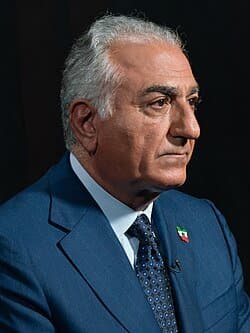
The Islamic Republic of Iran survived the 2026 US-Israeli strikes that killed Supreme Leader Ali Khamenei and damaged key military and nuclear assets, followed by a ceasefire that preserved the existing power structure without regime change or foreign installation of opposition figures. Reza Pahlavi, the exiled son of the former shah, saw brief momentum as a potential transitional leader during the conflict but faced explicit distancing by the Trump administration, donor fatigue, and persistent divisions among Iranian opposition groups. With no scheduled elections, constitutional pathway, or internal power base enabling his return by year-end, traders assign near-certain probability to him not assuming leadership in 2026. A sudden, unforeseen collapse creating a broad power vacuum with unified domestic calls for his involvement remains a low-probability scenario that could still shift outcomes before December 31.
Riepilogo sperimentale generato dall'AI con riferimento ai dati di Polymarket. Questo non è un consiglio di trading e non ha alcun ruolo nella risoluzione di questo mercato. · AggiornatoReza Pahlavi guiderà l'Iran nel 2026?
Reza Pahlavi guiderà l'Iran nel 2026?
Sì
$11,709,719 Vol.
$11,709,719 Vol.
Sì
$11,709,719 Vol.
$11,709,719 Vol.
Reza Pahlavi will be considered to hold power if he exercises primary governing authority over the Iranian state during the specified timeframe, including effective control over the armed forces, national institutions, and core executive decision-making, regardless of formal title, constitutional designation, or international recognition.
Formal appointment, recognition by the United Nations, or recognition by foreign governments is not required.
Indicators of de facto authority may include control over the armed forces and security services; control over executive ministries and state administrative institutions; enforcement of national laws; issuance of binding national directives; and effective control over the capital and core state infrastructure.
Symbolic status, foreign recognition without domestic control, exile leadership without effective authority inside Iran, nomination without effective authority, or ceremonial or transitional status without governing control will not qualify.
If Iran experiences a period in which no individual exercises effective governing control, this will not alone qualify for a “Yes” resolution unless Reza Pahlavi subsequently meets the criteria above within the specified timeframe.
The primary resolution source for this market will be a consensus of credible reporting.
Mercato aperto: Feb 28, 2026, 10:36 PM ET
Risolutore
0x65070BE91...Reza Pahlavi will be considered to hold power if he exercises primary governing authority over the Iranian state during the specified timeframe, including effective control over the armed forces, national institutions, and core executive decision-making, regardless of formal title, constitutional designation, or international recognition.
Formal appointment, recognition by the United Nations, or recognition by foreign governments is not required.
Indicators of de facto authority may include control over the armed forces and security services; control over executive ministries and state administrative institutions; enforcement of national laws; issuance of binding national directives; and effective control over the capital and core state infrastructure.
Symbolic status, foreign recognition without domestic control, exile leadership without effective authority inside Iran, nomination without effective authority, or ceremonial or transitional status without governing control will not qualify.
If Iran experiences a period in which no individual exercises effective governing control, this will not alone qualify for a “Yes” resolution unless Reza Pahlavi subsequently meets the criteria above within the specified timeframe.
The primary resolution source for this market will be a consensus of credible reporting.
Risolutore
0x65070BE91...The Islamic Republic of Iran survived the 2026 US-Israeli strikes that killed Supreme Leader Ali Khamenei and damaged key military and nuclear assets, followed by a ceasefire that preserved the existing power structure without regime change or foreign installation of opposition figures. Reza Pahlavi, the exiled son of the former shah, saw brief momentum as a potential transitional leader during the conflict but faced explicit distancing by the Trump administration, donor fatigue, and persistent divisions among Iranian opposition groups. With no scheduled elections, constitutional pathway, or internal power base enabling his return by year-end, traders assign near-certain probability to him not assuming leadership in 2026. A sudden, unforeseen collapse creating a broad power vacuum with unified domestic calls for his involvement remains a low-probability scenario that could still shift outcomes before December 31.
Riepilogo sperimentale generato dall'AI con riferimento ai dati di Polymarket. Questo non è un consiglio di trading e non ha alcun ruolo nella risoluzione di questo mercato. · Aggiornato
Fai attenzione ai link esterni.
Fai attenzione ai link esterni.
Domande frequenti