
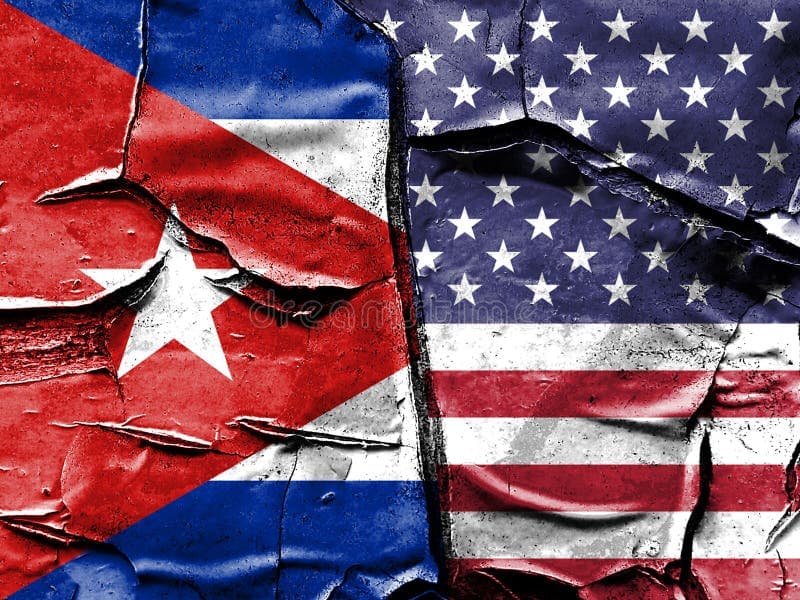
US military commitments in the Iran conflict have constrained resources for additional operations in the Caribbean, while Cuban leadership has shown resilience amid intensified sanctions, a de facto oil blockade, and resulting energy shortages. Pentagon planning documents have outlined contingency options including air strikes or limited assaults, yet no authorization has followed, with officials citing political risks ahead of midterms and the absence of mass protests or regime fractures that could provide a clear trigger. Recent bilateral contacts and Cuban offers for dialogue on equal terms have further signaled preference for negotiated pressure over direct intervention. Traders assign a 93.5% implied probability to no invasion occurring in 2026, reflecting the dominance of economic and covert measures alongside these structural barriers.
Riepilogo sperimentale generato dall'AI con riferimento ai dati di Polymarket. Questo non è un consiglio di trading e non ha alcun ruolo nella risoluzione di questo mercato. · AggiornatoSì
$3,354,599 Vol.
$3,354,599 Vol.
Sì
$3,354,599 Vol.
$3,354,599 Vol.
For the purposes of this market, land de facto controlled by Cuba or the United States as market creation, will be considered the sovereign territory of that country.
The resolution source for this market will be a consensus of credible sources.
Mercato aperto: Jan 4, 2026, 3:24 PM ET
Risolutore
0x65070BE91...For the purposes of this market, land de facto controlled by Cuba or the United States as market creation, will be considered the sovereign territory of that country.
The resolution source for this market will be a consensus of credible sources.
Risolutore
0x65070BE91...US military commitments in the Iran conflict have constrained resources for additional operations in the Caribbean, while Cuban leadership has shown resilience amid intensified sanctions, a de facto oil blockade, and resulting energy shortages. Pentagon planning documents have outlined contingency options including air strikes or limited assaults, yet no authorization has followed, with officials citing political risks ahead of midterms and the absence of mass protests or regime fractures that could provide a clear trigger. Recent bilateral contacts and Cuban offers for dialogue on equal terms have further signaled preference for negotiated pressure over direct intervention. Traders assign a 93.5% implied probability to no invasion occurring in 2026, reflecting the dominance of economic and covert measures alongside these structural barriers.
Riepilogo sperimentale generato dall'AI con riferimento ai dati di Polymarket. Questo non è un consiglio di trading e non ha alcun ruolo nella risoluzione di questo mercato. · Aggiornato


Fai attenzione ai link esterni.
Fai attenzione ai link esterni.
Domande frequenti