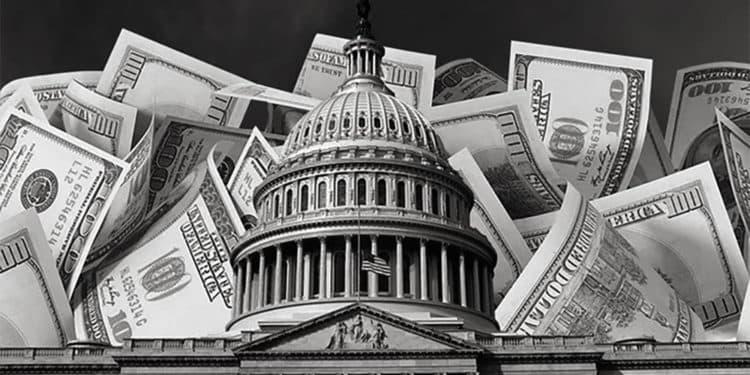
Trader sentiment assigns a 92% implied probability against a major U.S. bank bailout before 2027, driven by the sector's elevated capital buffers and effective post-crisis oversight. Large institutions report Tier 1 capital ratios comfortably above regulatory minimums, with Federal Reserve stress tests confirming resilience to severe downturns. Stable net interest margins, contained nonperforming loan levels, and moderate economic growth have further reduced tail risks in recent quarters. A sharp credit deterioration from recession or unexpected liquidity shock could shift odds, though current fundamentals point to limited near-term vulnerability through year-end 2026.
Polymarketデータを参照したAI生成の実験的な要約。これは取引アドバイスではなく、このマーケットの解決方法には一切関係ありません。 · 更新日2027年までに米国の大手銀行を救済しますか?
2027年までに米国の大手銀行を救済しますか?
はい
7% 確率
新規
新規
2026/12/31
はい
7% 確率
新規
新規
2026/12/31
This market will resolve to "Yes" if a U.S. bank with total assets exceeding $50 billion as of November 11, 2025 (see:https://www.federalreserve.gov/releases/lbr/current/), is bailed out by the U.S. federal government by December 31, 2026, 11:59 PM ET. Otherwise this market will resolve to “No”.
A bailout is defined as any of these actions in direct response to directly related to solvency, liquidity, or capital adequacy concerns.
-Establishing a Federal Reserve emergency lending facility
-Creating an FDIC-assisted resolution or bridge bank
-A U.S. Treasury capital injection
-A publicly disclosed, regulatory-facilitated acquisition
An official announcement from the U.S. government that they are taking any of these actions will qualify regardless of if/when the action occurs.
Routine access to standing facilities (such as the discount window or BTFP) or participation in stress tests, capital raises, or ordinary supervision will not on their own qualify.
If a bank experiences distress but is acquired privately without public intervention or coordination, this will not qualify.Trader sentiment assigns a 92% implied probability against a major U.S. bank bailout before 2027, driven by the sector's elevated capital buffers and effective post-crisis oversight. Large institutions report Tier 1 capital ratios comfortably above regulatory minimums, with Federal Reserve stress tests confirming resilience to severe downturns. Stable net interest margins, contained nonperforming loan levels, and moderate economic growth have further reduced tail risks in recent quarters. A sharp credit deterioration from recession or unexpected liquidity shock could shift odds, though current fundamentals point to limited near-term vulnerability through year-end 2026.
This market will resolve to "Yes" if a U.S. bank with total assets exceeding $50 billion as of November 11, 2025 (see:https://www.federalreserve.gov/releases/lbr/current/), is bailed out by the U.S. federal government by December 31, 2026, 11:59 PM ET. Otherwise this market will resolve to “No”.
A bailout is defined as any of these actions in direct response to directly related to solvency, liquidity, or capital adequacy concerns.
-Establishing a Federal Reserve emergency lending facility
-Creating an FDIC-assisted resolution or bridge bank
-A U.S. Treasury capital injection
-A publicly disclosed, regulatory-facilitated acquisition
An official announcement from the U.S. government that they are taking any of these actions will qualify regardless of if/when the action occurs.
Routine access to standing facilities (such as the discount window or BTFP) or participation in stress tests, capital raises, or ordinary supervision will not on their own qualify.
If a bank experiences distress but is acquired privately without public intervention or coordination, this will not qualify.
A bailout is defined as any of these actions in direct response to directly related to solvency, liquidity, or capital adequacy concerns.
-Establishing a Federal Reserve emergency lending facility
-Creating an FDIC-assisted resolution or bridge bank
-A U.S. Treasury capital injection
-A publicly disclosed, regulatory-facilitated acquisition
An official announcement from the U.S. government that they are taking any of these actions will qualify regardless of if/when the action occurs.
Routine access to standing facilities (such as the discount window or BTFP) or participation in stress tests, capital raises, or ordinary supervision will not on their own qualify.
If a bank experiences distress but is acquired privately without public intervention or coordination, this will not qualify.
マーケット開始日: Nov 12, 2025, 6:22 PM ET
音量
$4,151終了日
2027/01/01マーケット開始日
Nov 12, 2025, 6:22 PM ETリゾルバー
0x65070BE91...This market will resolve to "Yes" if a U.S. bank with total assets exceeding $50 billion as of November 11, 2025 (see:https://www.federalreserve.gov/releases/lbr/current/), is bailed out by the U.S. federal government by December 31, 2026, 11:59 PM ET. Otherwise this market will resolve to “No”.
A bailout is defined as any of these actions in direct response to directly related to solvency, liquidity, or capital adequacy concerns.
-Establishing a Federal Reserve emergency lending facility
-Creating an FDIC-assisted resolution or bridge bank
-A U.S. Treasury capital injection
-A publicly disclosed, regulatory-facilitated acquisition
An official announcement from the U.S. government that they are taking any of these actions will qualify regardless of if/when the action occurs.
Routine access to standing facilities (such as the discount window or BTFP) or participation in stress tests, capital raises, or ordinary supervision will not on their own qualify.
If a bank experiences distress but is acquired privately without public intervention or coordination, this will not qualify.Trader sentiment assigns a 92% implied probability against a major U.S. bank bailout before 2027, driven by the sector's elevated capital buffers and effective post-crisis oversight. Large institutions report Tier 1 capital ratios comfortably above regulatory minimums, with Federal Reserve stress tests confirming resilience to severe downturns. Stable net interest margins, contained nonperforming loan levels, and moderate economic growth have further reduced tail risks in recent quarters. A sharp credit deterioration from recession or unexpected liquidity shock could shift odds, though current fundamentals point to limited near-term vulnerability through year-end 2026.
This market will resolve to "Yes" if a U.S. bank with total assets exceeding $50 billion as of November 11, 2025 (see:https://www.federalreserve.gov/releases/lbr/current/), is bailed out by the U.S. federal government by December 31, 2026, 11:59 PM ET. Otherwise this market will resolve to “No”.
A bailout is defined as any of these actions in direct response to directly related to solvency, liquidity, or capital adequacy concerns.
-Establishing a Federal Reserve emergency lending facility
-Creating an FDIC-assisted resolution or bridge bank
-A U.S. Treasury capital injection
-A publicly disclosed, regulatory-facilitated acquisition
An official announcement from the U.S. government that they are taking any of these actions will qualify regardless of if/when the action occurs.
Routine access to standing facilities (such as the discount window or BTFP) or participation in stress tests, capital raises, or ordinary supervision will not on their own qualify.
If a bank experiences distress but is acquired privately without public intervention or coordination, this will not qualify.
A bailout is defined as any of these actions in direct response to directly related to solvency, liquidity, or capital adequacy concerns.
-Establishing a Federal Reserve emergency lending facility
-Creating an FDIC-assisted resolution or bridge bank
-A U.S. Treasury capital injection
-A publicly disclosed, regulatory-facilitated acquisition
An official announcement from the U.S. government that they are taking any of these actions will qualify regardless of if/when the action occurs.
Routine access to standing facilities (such as the discount window or BTFP) or participation in stress tests, capital raises, or ordinary supervision will not on their own qualify.
If a bank experiences distress but is acquired privately without public intervention or coordination, this will not qualify.
音量
$4,151終了日
2027/01/01マーケット開始日
Nov 12, 2025, 6:22 PM ETリゾルバー
0x65070BE91...Trader sentiment assigns a 92% implied probability against a major U.S. bank bailout before 2027, driven by the sector's elevated capital buffers and effective post-crisis oversight. Large institutions report Tier 1 capital ratios comfortably above regulatory minimums, with Federal Reserve stress tests confirming resilience to severe downturns. Stable net interest margins, contained nonperforming loan levels, and moderate economic growth have further reduced tail risks in recent quarters. A sharp credit deterioration from recession or unexpected liquidity shock could shift odds, though current fundamentals point to limited near-term vulnerability through year-end 2026.
Polymarketデータを参照したAI生成の実験的な要約。これは取引アドバイスではなく、このマーケットの解決方法には一切関係ありません。 · 更新日


外部リンクに注意してください。
外部リンクに注意してください。
よくある質問