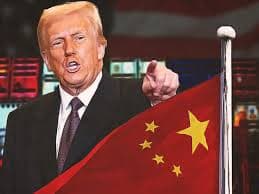
Trump’s openness to declaring a national emergency over alleged foreign election interference has shaped trader views on the market resolving by December 31, 2026. Allies circulated draft executive orders in early 2026 citing 2020 foreign meddling to justify expanded federal control over ballots, mail voting, and state processes ahead of the midterms. Trump has repeatedly declined to rule out the step, most recently in August 2026 interviews where he noted “stranger things have happened” if legislation such as the SAVE America Act stalls. Recent Supreme Court rulings on ballot deadlines and White House declassifications highlighting noncitizen voting concerns have coincided with a sharp rise in market odds. Legal analyses emphasize that states hold primary authority over elections under the Constitution, while scheduled midterm voting and any further legislative or judicial actions remain key variables through year-end.
Eksperymentalne podsumowanie AI odwołujące się do danych Polymarket. To nie jest porada handlowa i nie ma wpływu na rozstrzyganie tego rynku. · Zaktualizowano$189,189 Wol.
December 31
25%
$189,189 Wol.
December 31
25%
A qualifying declaration must include formal language stating that a national emergency exists and must be issued under the National Emergencies Act (50 U.S.C. § 1621 et seq.). The declaration must explicitly reference interference in U.S. elections, election processes, election systems, voting procedures, ballots, or voting machines as the basis for the emergency. Statements, speeches, social media posts, draft orders, executive orders that do not formally declare a national emergency under the National Emergencies Act, or other actions that merely reference election interference without declaring a national emergency will not qualify.
Renewals or extensions of previously existing national emergencies will not qualify unless the text is materially modified to explicitly relate to election interference.
The primary resolution source will be the Federal Register and official White House publications, however a consensus of credible reporting may also be used.
Rynek otwarty: Feb 26, 2026, 4:29 PM ET
Resolver
0x65070BE91...A qualifying declaration must include formal language stating that a national emergency exists and must be issued under the National Emergencies Act (50 U.S.C. § 1621 et seq.). The declaration must explicitly reference interference in U.S. elections, election processes, election systems, voting procedures, ballots, or voting machines as the basis for the emergency. Statements, speeches, social media posts, draft orders, executive orders that do not formally declare a national emergency under the National Emergencies Act, or other actions that merely reference election interference without declaring a national emergency will not qualify.
Renewals or extensions of previously existing national emergencies will not qualify unless the text is materially modified to explicitly relate to election interference.
The primary resolution source will be the Federal Register and official White House publications, however a consensus of credible reporting may also be used.
Resolver
0x65070BE91...Trump’s openness to declaring a national emergency over alleged foreign election interference has shaped trader views on the market resolving by December 31, 2026. Allies circulated draft executive orders in early 2026 citing 2020 foreign meddling to justify expanded federal control over ballots, mail voting, and state processes ahead of the midterms. Trump has repeatedly declined to rule out the step, most recently in August 2026 interviews where he noted “stranger things have happened” if legislation such as the SAVE America Act stalls. Recent Supreme Court rulings on ballot deadlines and White House declassifications highlighting noncitizen voting concerns have coincided with a sharp rise in market odds. Legal analyses emphasize that states hold primary authority over elections under the Constitution, while scheduled midterm voting and any further legislative or judicial actions remain key variables through year-end.
Eksperymentalne podsumowanie AI odwołujące się do danych Polymarket. To nie jest porada handlowa i nie ma wpływu na rozstrzyganie tego rynku. · Zaktualizowano
Uważaj na linki zewnętrzne.
Uważaj na linki zewnętrzne.
Często zadawane pytania