
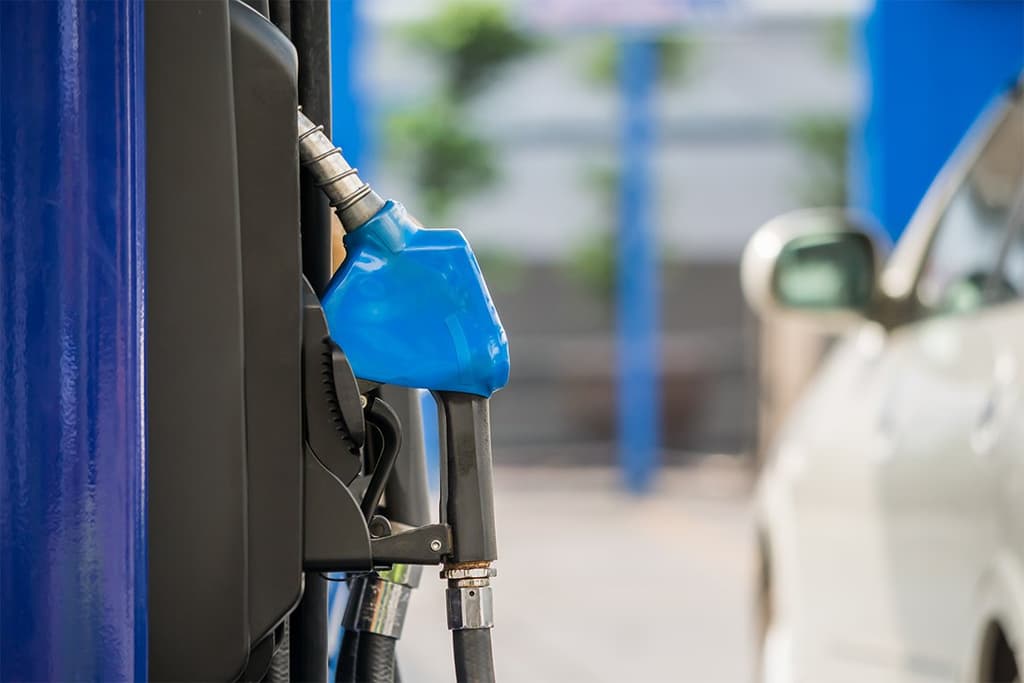
Rising gasoline prices, driven by U.S. and Israeli military actions against Iran and resulting supply disruptions in the Persian Gulf, have prompted President Trump and bipartisan lawmakers to propose suspending the 18.4-cent federal excise tax. Multiple bills, including 90-day pauses and extensions through October 2026, have been introduced in the 119th Congress, but none have advanced to passage. Congress holds sole authority over the tax, which funds the Highway Trust Fund, and no federal suspension has occurred since 1956. Traders assess low near-term odds due to legislative hurdles, revenue concerns, and the need for both chambers to act before any specified resolution date. Upcoming congressional sessions or further price spikes could influence momentum.
Eksperimental na AI-generated summary na nire-reference ang Polymarket data. Hindi ito trading advice at wala itong papel sa kung paano nire-resolve ang market na ito. · Na-update$38,088 Vol.
November 2
2%
$38,088 Vol.
November 2
2%
This market will resolve to "Yes" if legislation that would, at least temporarily, suspend the federal excise tax on gasoline is passed by both chambers of the U.S. Congress and signed into law by the specified date (ET). Otherwise, this market will resolve to "No".
Qualifying legislation may include joint resolutions and must pass both the House and the Senate, and must be signed by the President, become law without signature while Congress remains in session, or become law through veto override. Presidential pocket vetoes that expire will not qualify.
The primary resolution sources for this market will be Congress.gov’s legislation tracker (https://www.congress.gov/bill/119th-congress/house-bill/22), the Library of Congress (congress.gov), and other official information from the government of the United States; however, a consensus of credible reporting may also be used.
Binuksan ang Market: May 12, 2026, 1:38 PM ET
Resolver
0x65070BE91...This market will resolve to "Yes" if legislation that would, at least temporarily, suspend the federal excise tax on gasoline is passed by both chambers of the U.S. Congress and signed into law by the specified date (ET). Otherwise, this market will resolve to "No".
Qualifying legislation may include joint resolutions and must pass both the House and the Senate, and must be signed by the President, become law without signature while Congress remains in session, or become law through veto override. Presidential pocket vetoes that expire will not qualify.
The primary resolution sources for this market will be Congress.gov’s legislation tracker (https://www.congress.gov/bill/119th-congress/house-bill/22), the Library of Congress (congress.gov), and other official information from the government of the United States; however, a consensus of credible reporting may also be used.
Resolver
0x65070BE91...Rising gasoline prices, driven by U.S. and Israeli military actions against Iran and resulting supply disruptions in the Persian Gulf, have prompted President Trump and bipartisan lawmakers to propose suspending the 18.4-cent federal excise tax. Multiple bills, including 90-day pauses and extensions through October 2026, have been introduced in the 119th Congress, but none have advanced to passage. Congress holds sole authority over the tax, which funds the Highway Trust Fund, and no federal suspension has occurred since 1956. Traders assess low near-term odds due to legislative hurdles, revenue concerns, and the need for both chambers to act before any specified resolution date. Upcoming congressional sessions or further price spikes could influence momentum.
Eksperimental na AI-generated summary na nire-reference ang Polymarket data. Hindi ito trading advice at wala itong papel sa kung paano nire-resolve ang market na ito. · Na-update


Mag-ingat sa mga external link.
Mag-ingat sa mga external link.
Mga Madalas na Tanong