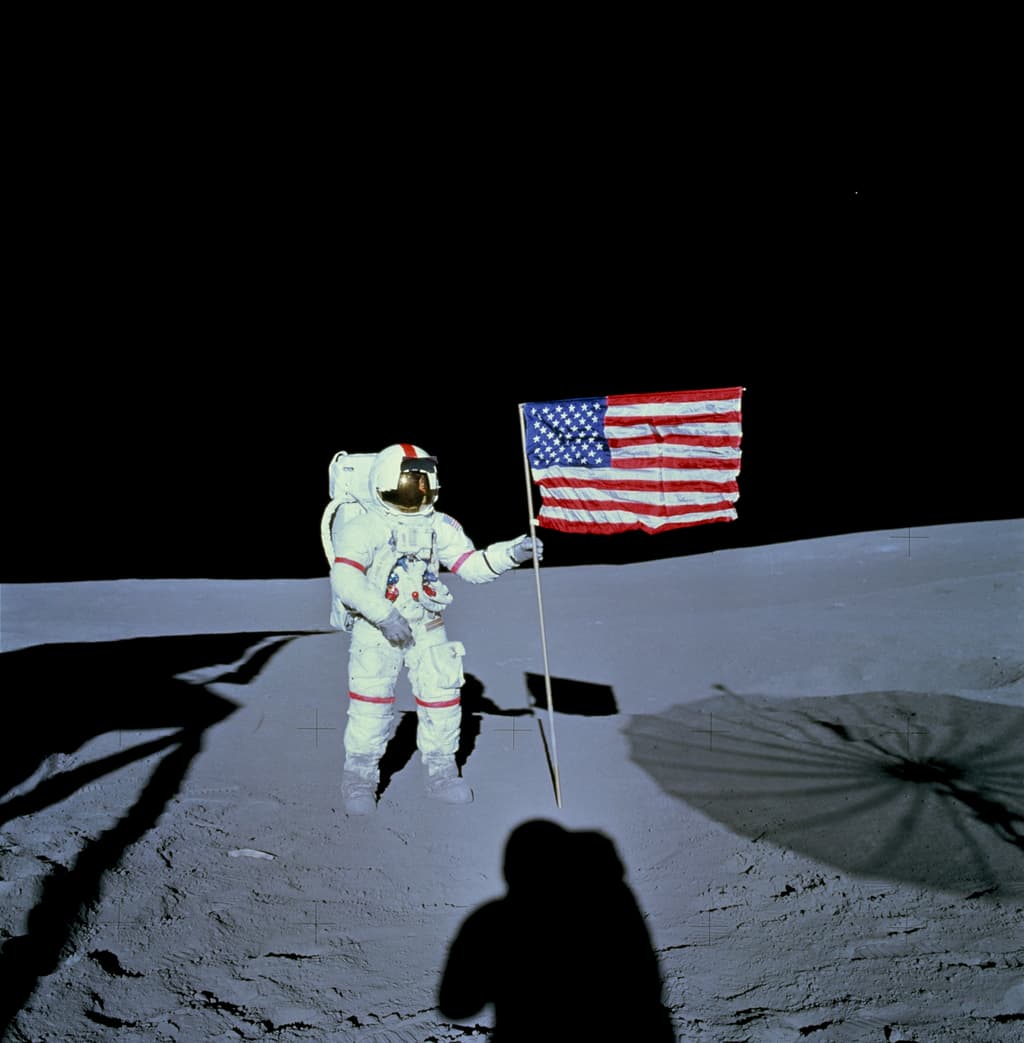
icon for Menschliche Mondlandung im Jahr 2026?

Menschliche Mondlandung im Jahr 2026?

icon for Menschliche Mondlandung im Jahr 2026?

Menschliche Mondlandung im Jahr 2026?

Ja

3% Chance
Polymarket

$1,943,242 Vol.

Ja

3% Chance
Polymarket

$1,943,242 Vol.

This market will resolve to "Yes" if any human-crewed mission lands on the moon between market creation and December 31, 2026, 11:59 PM ET. Otherwise, this market will resolve to "No". A touchdown of the spacecraft with humans aboard will be sufficient to resolve this market to "Yes", regardless of technical complications. The resolution source will be a consensus of credible reporting.**Trader consensus heavily favors "No" for a human moon landing in 2026 (97% implied probability) due to confirmed schedule shifts in NASA's Artemis program.** Artemis II, the first crewed lunar flyby since Apollo, launched successfully on April 1, 2026, and returned in mid-April, validating SLS and Orion systems but without any landing capability. NASA then restructured the sequence in February 2026: the original Artemis III landing target moved to Artemis IV in 2028, while a redesigned Artemis III became a 2027 low-Earth orbit demonstration flight focused on docking tests with lunar landers from SpaceX (Starship HLS) and Blue Origin (Blue Moon). Starship lunar landing hardware remains in early development, with uncrewed demos and crewed surface operations not slated before late 2027 at the earliest. No other agency or commercial effort has demonstrated the necessary orbital refueling, lander readiness, or safety certifications for a 2026 crewed touchdown. Historical Artemis delays—driven by technical integration, testing shortfalls, and supply chain issues—reinforce the timeline. While near-term breakthroughs in private Starship flights or unexpected international acceleration could theoretically compress schedules, realistic barriers like regulatory approvals, vehicle certification, and the remaining six months of 2026 make any reversal highly improbable. The market reflects aggregated trader assessment of these verified program milestones rather than speculation.

This market will resolve to "Yes" if any human-crewed mission lands on the moon between market creation and December 31, 2026, 11:59 PM ET. Otherwise, this market will resolve to "No".

A touchdown of the spacecraft with humans aboard will be sufficient to resolve this market to "Yes", regardless of technical complications.

The resolution source will be a consensus of credible reporting.
Volumen
$1,943,242
Enddatum
31. Dez. 2026
Markt eröffnet
Jan 7, 2026, 4:01 PM ET
This market will resolve to "Yes" if any human-crewed mission lands on the moon between market creation and December 31, 2026, 11:59 PM ET. Otherwise, this market will resolve to "No". A touchdown of the spacecraft with humans aboard will be sufficient to resolve this market to "Yes", regardless of technical complications. The resolution source will be a consensus of credible reporting.
This market will resolve to "Yes" if any human-crewed mission lands on the moon between market creation and December 31, 2026, 11:59 PM ET. Otherwise, this market will resolve to "No". A touchdown of the spacecraft with humans aboard will be sufficient to resolve this market to "Yes", regardless of technical complications. The resolution source will be a consensus of credible reporting.**Trader consensus heavily favors "No" for a human moon landing in 2026 (97% implied probability) due to confirmed schedule shifts in NASA's Artemis program.** Artemis II, the first crewed lunar flyby since Apollo, launched successfully on April 1, 2026, and returned in mid-April, validating SLS and Orion systems but without any landing capability. NASA then restructured the sequence in February 2026: the original Artemis III landing target moved to Artemis IV in 2028, while a redesigned Artemis III became a 2027 low-Earth orbit demonstration flight focused on docking tests with lunar landers from SpaceX (Starship HLS) and Blue Origin (Blue Moon). Starship lunar landing hardware remains in early development, with uncrewed demos and crewed surface operations not slated before late 2027 at the earliest. No other agency or commercial effort has demonstrated the necessary orbital refueling, lander readiness, or safety certifications for a 2026 crewed touchdown. Historical Artemis delays—driven by technical integration, testing shortfalls, and supply chain issues—reinforce the timeline. While near-term breakthroughs in private Starship flights or unexpected international acceleration could theoretically compress schedules, realistic barriers like regulatory approvals, vehicle certification, and the remaining six months of 2026 make any reversal highly improbable. The market reflects aggregated trader assessment of these verified program milestones rather than speculation.

This market will resolve to "Yes" if any human-crewed mission lands on the moon between market creation and December 31, 2026, 11:59 PM ET. Otherwise, this market will resolve to "No".

A touchdown of the spacecraft with humans aboard will be sufficient to resolve this market to "Yes", regardless of technical complications.

The resolution source will be a consensus of credible reporting.
Volumen
$1,943,242
Enddatum
31. Dez. 2026
Markt eröffnet
Jan 7, 2026, 4:01 PM ET
This market will resolve to "Yes" if any human-crewed mission lands on the moon between market creation and December 31, 2026, 11:59 PM ET. Otherwise, this market will resolve to "No". A touchdown of the spacecraft with humans aboard will be sufficient to resolve this market to "Yes", regardless of technical complications. The resolution source will be a consensus of credible reporting.

Vorsicht bei externen Links.

Häufig gestellte Fragen

„Menschliche Mondlandung im Jahr 2026?" ist ein Prognosemarkt auf Polymarket mit 2 möglichen Ergebnissen, bei dem Händler Anteile auf Basis ihrer Einschätzung kaufen und verkaufen. Das aktuell führende Ergebnis ist „Menschliche Mondlandung im Jahr 2026?" mit 3%. Die Preise spiegeln Echtzeit-Wahrscheinlichkeiten der Community wider. Ein Anteilspreis von 3¢ bedeutet, dass der Markt diesem Ergebnis eine Wahrscheinlichkeit von 3% zuweist. Diese Quoten ändern sich laufend, wenn Händler auf neue Entwicklungen reagieren. Anteile am richtigen Ergebnis können bei Marktauflösung für jeweils $1 eingelöst werden.

Stand heute hat „Menschliche Mondlandung im Jahr 2026?" ein Gesamthandelsvolumen von $1.9 million generiert, seit der Markt am Jan 7, 2026 gestartet wurde. Dieses Aktivitätsniveau spiegelt starkes Engagement der Polymarket-Community wider und stellt sicher, dass die aktuellen Quoten von einem breiten Pool an Marktteilnehmern geprägt werden. Sie können Live-Preisbewegungen verfolgen und direkt auf dieser Seite auf jedes Ergebnis handeln.

Um auf „Menschliche Mondlandung im Jahr 2026?" zu handeln, durchsuchen Sie die 2 verfügbaren Ergebnisse auf dieser Seite. Jedes Ergebnis zeigt einen aktuellen Preis, der die implizierte Wahrscheinlichkeit des Marktes darstellt. Um eine Position einzunehmen, wählen Sie das Ergebnis, das Sie für am wahrscheinlichsten halten, wählen Sie „Ja" um dafür oder „Nein" um dagegen zu handeln, geben Sie Ihren Betrag ein und klicken Sie auf „Handeln". Liegt Ihr gewähltes Ergebnis bei Marktauflösung richtig, zahlen Ihre „Ja"-Anteile jeweils $1 aus. Liegt es falsch, zahlen sie $0. Sie können Ihre Anteile auch jederzeit vor der Auflösung verkaufen.

Dies ist ein offener Markt. Der aktuelle Spitzenreiter für „Menschliche Mondlandung im Jahr 2026?" ist „Menschliche Mondlandung im Jahr 2026?" mit nur 3%. Da kein Ergebnis eine starke Mehrheit hat, sehen Händler dies als hochgradig unsicher an, was einzigartige Handelsmöglichkeiten bieten kann. Diese Quoten werden in Echtzeit aktualisiert – speichern Sie diese Seite als Lesezeichen.

Die Auflösungsregeln für „Menschliche Mondlandung im Jahr 2026?" definieren genau, was passieren muss, damit jedes Ergebnis als Gewinner erklärt wird – einschließlich der offiziellen Datenquellen zur Bestimmung des Ergebnisses. Sie können die vollständigen Auflösungskriterien im Abschnitt „Regeln" auf dieser Seite über den Kommentaren einsehen. Wir empfehlen, die Regeln vor dem Handeln sorgfältig zu lesen, da sie die genauen Bedingungen, Sonderfälle und Quellen festlegen.