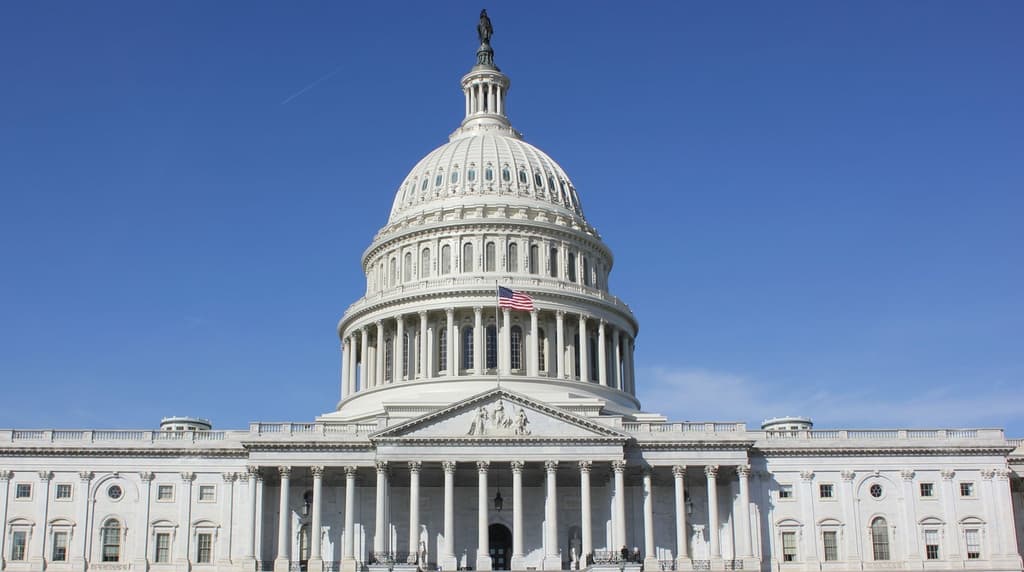
The bipartisan war powers resolution introduced April 8 by Reps. Thomas Massie (R-KY) and Ro Khanna (D-CA) to require congressional approval for U.S. military action in Iran has stalled early, with no committee hearings or floor votes scheduled before April 30. GOP House leadership shows no urgency to advance it amid limited cosponsors—primarily libertarians and progressives—and historical precedents like stalled Yemen and Iraq resolutions underscore procedural barriers in a divided Congress. Recent Israel-Iran escalations have not shifted priorities, as administration signals favor executive flexibility, leading traders to price overwhelming odds against passage by the deadline.
Resumen experimental generado por IA con datos de Polymarket · ActualizadoNEW
NEW
Apr 30, 2026
NEW
NEW
Apr 30, 2026
This market will resolve to "Yes" if both the U.S. House of Representatives and the U.S. Senate pass the same bill, measure, or resolution that seeks to limit U.S. armed forces military action in the recent US/Israel-Iran conflict by April 30, 2026, 11:59 PM ET. Otherwise, this market will resolve to "No."
Legislation will qualify as seeking to limit U.S. armed forces military action in the recent US/Israel–Iran conflict if it explicitly seeks to restrict, terminate, or require congressional approval for U.S. armed forces’ hostilities, strikes, deployments, or other military operations against Iran or its proxy forces. Non-binding statements or measures that express disapproval, call for investigation, or otherwise relate to the US/Israel-Iran conflict without seeking to limit military action will not qualify.
A measure amended by either chamber will only qualify if the amended version is subsequently finally passed by both chambers in identical form.
The resolution sources will be official congressional voting records and a consensus of credible reporting.
This market will resolve to "Yes" if both the U.S. House of Representatives and the U.S. Senate pass the same bill, measure, or resolution that seeks to limit U.S. armed forces military action in the recent US/Israel-Iran conflict by April 30, 2026, 11:59 PM ET. Otherwise, this market will resolve to "No."
Legislation will qualify as seeking to limit U.S. armed forces military action in the recent US/Israel–Iran conflict if it explicitly seeks to restrict, terminate, or require congressional approval for U.S. armed forces’ hostilities, strikes, deployments, or other military operations against Iran or its proxy forces. Non-binding statements or measures that express disapproval, call for investigation, or otherwise relate to the US/Israel-Iran conflict without seeking to limit military action will not qualify.
A measure amended by either chamber will only qualify if the amended version is subsequently finally passed by both chambers in identical form.
The resolution sources will be official congressional voting records and a consensus of credible reporting.This market will resolve to "Yes" if both the U.S. House of Representatives and the U.S. Senate pass the same bill, measure, or resolution that seeks to limit U.S. armed forces military action in the recent US/Israel-Iran conflict by April 30, 2026, 11:59 PM ET. Otherwise, this market will resolve to "No."
Legislation will qualify as seeking to limit U.S. armed forces military action in the recent US/Israel–Iran conflict if it explicitly seeks to restrict, terminate, or require congressional approval for U.S. armed forces’ hostilities, strikes, deployments, or other military operations against Iran or its proxy forces. Non-binding statements or measures that express disapproval, call for investigation, or otherwise relate to the US/Israel-Iran conflict without seeking to limit military action will not qualify.
A measure amended by either chamber will only qualify if the amended version is subsequently finally passed by both chambers in identical form.
The resolution sources will be official congressional voting records and a consensus of credible reporting.
Legislation will qualify as seeking to limit U.S. armed forces military action in the recent US/Israel–Iran conflict if it explicitly seeks to restrict, terminate, or require congressional approval for U.S. armed forces’ hostilities, strikes, deployments, or other military operations against Iran or its proxy forces. Non-binding statements or measures that express disapproval, call for investigation, or otherwise relate to the US/Israel-Iran conflict without seeking to limit military action will not qualify.
A measure amended by either chamber will only qualify if the amended version is subsequently finally passed by both chambers in identical form.
The resolution sources will be official congressional voting records and a consensus of credible reporting.
Mercado abierto: Mar 24, 2026, 4:53 PM ET
Volumen
$490Fecha de finalización
Apr 30, 2026Mercado abierto
Mar 24, 2026, 4:53 PM ETResolver
0x65070BE91...This market will resolve to "Yes" if both the U.S. House of Representatives and the U.S. Senate pass the same bill, measure, or resolution that seeks to limit U.S. armed forces military action in the recent US/Israel-Iran conflict by April 30, 2026, 11:59 PM ET. Otherwise, this market will resolve to "No."
Legislation will qualify as seeking to limit U.S. armed forces military action in the recent US/Israel–Iran conflict if it explicitly seeks to restrict, terminate, or require congressional approval for U.S. armed forces’ hostilities, strikes, deployments, or other military operations against Iran or its proxy forces. Non-binding statements or measures that express disapproval, call for investigation, or otherwise relate to the US/Israel-Iran conflict without seeking to limit military action will not qualify.
A measure amended by either chamber will only qualify if the amended version is subsequently finally passed by both chambers in identical form.
The resolution sources will be official congressional voting records and a consensus of credible reporting.
This market will resolve to "Yes" if both the U.S. House of Representatives and the U.S. Senate pass the same bill, measure, or resolution that seeks to limit U.S. armed forces military action in the recent US/Israel-Iran conflict by April 30, 2026, 11:59 PM ET. Otherwise, this market will resolve to "No."
Legislation will qualify as seeking to limit U.S. armed forces military action in the recent US/Israel–Iran conflict if it explicitly seeks to restrict, terminate, or require congressional approval for U.S. armed forces’ hostilities, strikes, deployments, or other military operations against Iran or its proxy forces. Non-binding statements or measures that express disapproval, call for investigation, or otherwise relate to the US/Israel-Iran conflict without seeking to limit military action will not qualify.
A measure amended by either chamber will only qualify if the amended version is subsequently finally passed by both chambers in identical form.
The resolution sources will be official congressional voting records and a consensus of credible reporting.This market will resolve to "Yes" if both the U.S. House of Representatives and the U.S. Senate pass the same bill, measure, or resolution that seeks to limit U.S. armed forces military action in the recent US/Israel-Iran conflict by April 30, 2026, 11:59 PM ET. Otherwise, this market will resolve to "No."
Legislation will qualify as seeking to limit U.S. armed forces military action in the recent US/Israel–Iran conflict if it explicitly seeks to restrict, terminate, or require congressional approval for U.S. armed forces’ hostilities, strikes, deployments, or other military operations against Iran or its proxy forces. Non-binding statements or measures that express disapproval, call for investigation, or otherwise relate to the US/Israel-Iran conflict without seeking to limit military action will not qualify.
A measure amended by either chamber will only qualify if the amended version is subsequently finally passed by both chambers in identical form.
The resolution sources will be official congressional voting records and a consensus of credible reporting.
Legislation will qualify as seeking to limit U.S. armed forces military action in the recent US/Israel–Iran conflict if it explicitly seeks to restrict, terminate, or require congressional approval for U.S. armed forces’ hostilities, strikes, deployments, or other military operations against Iran or its proxy forces. Non-binding statements or measures that express disapproval, call for investigation, or otherwise relate to the US/Israel-Iran conflict without seeking to limit military action will not qualify.
A measure amended by either chamber will only qualify if the amended version is subsequently finally passed by both chambers in identical form.
The resolution sources will be official congressional voting records and a consensus of credible reporting.
Volumen
$490Fecha de finalización
Apr 30, 2026Mercado abierto
Mar 24, 2026, 4:53 PM ETResolver
0x65070BE91...The bipartisan war powers resolution introduced April 8 by Reps. Thomas Massie (R-KY) and Ro Khanna (D-CA) to require congressional approval for U.S. military action in Iran has stalled early, with no committee hearings or floor votes scheduled before April 30. GOP House leadership shows no urgency to advance it amid limited cosponsors—primarily libertarians and progressives—and historical precedents like stalled Yemen and Iraq resolutions underscore procedural barriers in a divided Congress. Recent Israel-Iran escalations have not shifted priorities, as administration signals favor executive flexibility, leading traders to price overwhelming odds against passage by the deadline.
Resumen experimental generado por IA con datos de Polymarket · Actualizado
Cuidado con los enlaces externos.
Preguntas frecuentes