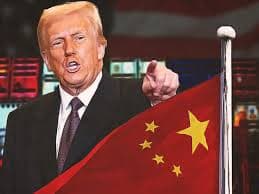
President Donald Trump has publicly declined to rule out declaring a national security emergency tied to alleged election interference ahead of the November 2026 midterms, particularly if Congress fails to advance the SAVE America Act on voter eligibility and citizenship verification. Recent developments include a July 2026 primetime address repeating claims of foreign involvement in prior elections, ongoing executive orders on election administration that courts have partially blocked, and interviews in August 2026 where the president noted that “stranger things have happened” regarding federal intervention. These statements occur against the backdrop of constitutional limits on executive authority over elections, which states primarily administer, and stalled legislative efforts that could shape the timing or scope of any potential action before year-end.
Experimental AI-generated summary referencing Polymarket data. This is not trading advice and plays no role in how this market resolves. · Updated$189,269 Vol.
December 31
25%
$189,269 Vol.
December 31
25%
A qualifying declaration must include formal language stating that a national emergency exists and must be issued under the National Emergencies Act (50 U.S.C. § 1621 et seq.). The declaration must explicitly reference interference in U.S. elections, election processes, election systems, voting procedures, ballots, or voting machines as the basis for the emergency. Statements, speeches, social media posts, draft orders, executive orders that do not formally declare a national emergency under the National Emergencies Act, or other actions that merely reference election interference without declaring a national emergency will not qualify.
Renewals or extensions of previously existing national emergencies will not qualify unless the text is materially modified to explicitly relate to election interference.
The primary resolution source will be the Federal Register and official White House publications, however a consensus of credible reporting may also be used.
Market Opened: Feb 26, 2026, 4:29 PM ET
Resolver
0x65070BE91...A qualifying declaration must include formal language stating that a national emergency exists and must be issued under the National Emergencies Act (50 U.S.C. § 1621 et seq.). The declaration must explicitly reference interference in U.S. elections, election processes, election systems, voting procedures, ballots, or voting machines as the basis for the emergency. Statements, speeches, social media posts, draft orders, executive orders that do not formally declare a national emergency under the National Emergencies Act, or other actions that merely reference election interference without declaring a national emergency will not qualify.
Renewals or extensions of previously existing national emergencies will not qualify unless the text is materially modified to explicitly relate to election interference.
The primary resolution source will be the Federal Register and official White House publications, however a consensus of credible reporting may also be used.
Resolver
0x65070BE91...President Donald Trump has publicly declined to rule out declaring a national security emergency tied to alleged election interference ahead of the November 2026 midterms, particularly if Congress fails to advance the SAVE America Act on voter eligibility and citizenship verification. Recent developments include a July 2026 primetime address repeating claims of foreign involvement in prior elections, ongoing executive orders on election administration that courts have partially blocked, and interviews in August 2026 where the president noted that “stranger things have happened” regarding federal intervention. These statements occur against the backdrop of constitutional limits on executive authority over elections, which states primarily administer, and stalled legislative efforts that could shape the timing or scope of any potential action before year-end.
Experimental AI-generated summary referencing Polymarket data. This is not trading advice and plays no role in how this market resolves. · Updated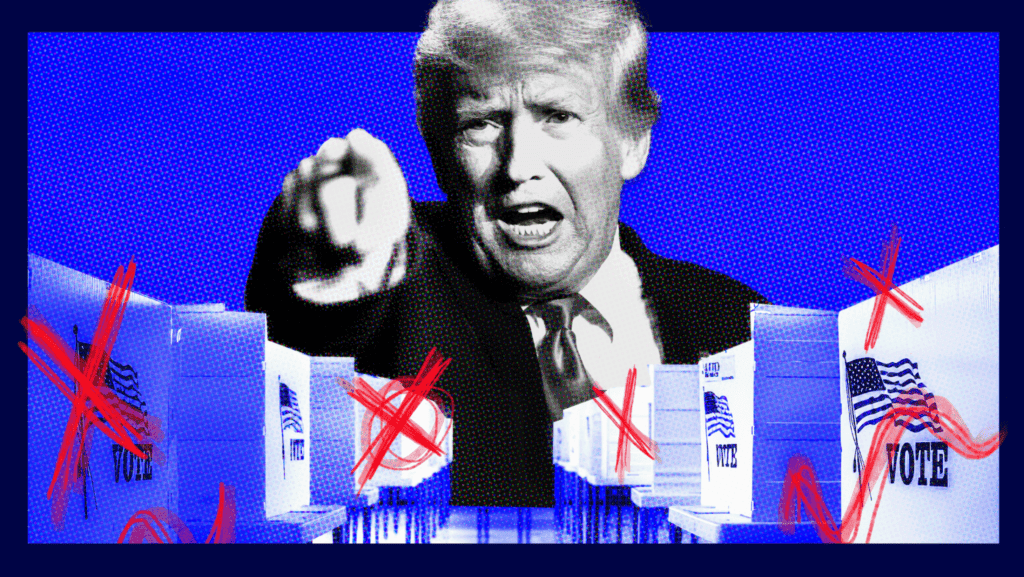
Beware of external links.
Beware of external links.
Frequently Asked Questions