
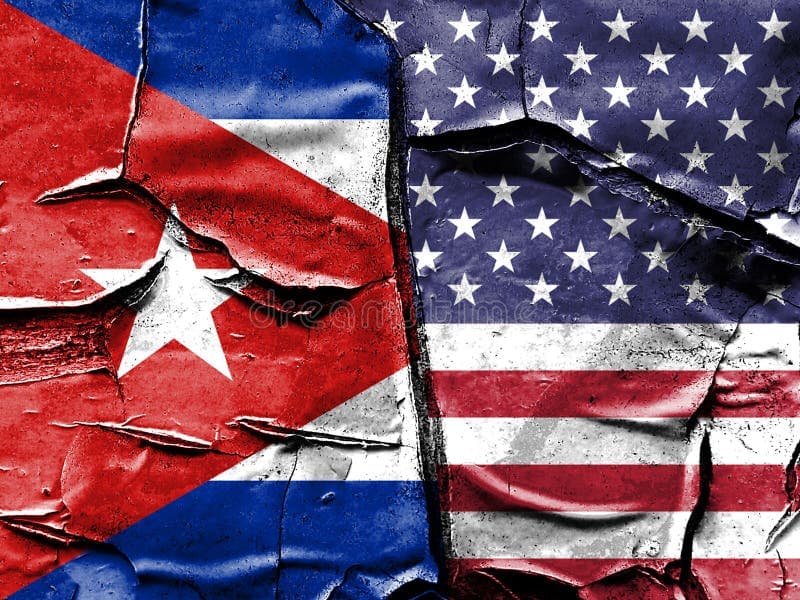
US policy toward Cuba in 2026 has centered on maximum economic pressure through expanded sanctions, secondary tariffs on fuel suppliers, immigration restrictions, and designations targeting state enterprises and alleged subversive activities, alongside limited diplomatic engagement and reported talks. Official statements and actions emphasize demands for reforms, severed ties with China and Russia, and potential leadership changes via non-military means, consistent with the Venezuela precedent but without committing forces. Pentagon contingency planning has surfaced in reporting, yet senior officials have repeatedly downplayed imminent strikes, citing risks of escalation and prioritizing coercive leverage. These developments underpin the strong trader consensus against a 2026 invasion, as the administration's approach has remained below the threshold of direct military intervention through September.
Experimental AI-generated summary referencing Polymarket data. This is not trading advice and plays no role in how this market resolves. · Updated$3,280,150 Vol.
$3,280,150 Vol.
$3,280,150 Vol.
$3,280,150 Vol.
For the purposes of this market, land de facto controlled by Cuba or the United States as market creation, will be considered the sovereign territory of that country.
The resolution source for this market will be a consensus of credible sources.
Market Opened: Jan 4, 2026, 3:24 PM ET
Resolver
0x65070BE91...For the purposes of this market, land de facto controlled by Cuba or the United States as market creation, will be considered the sovereign territory of that country.
The resolution source for this market will be a consensus of credible sources.
Resolver
0x65070BE91...US policy toward Cuba in 2026 has centered on maximum economic pressure through expanded sanctions, secondary tariffs on fuel suppliers, immigration restrictions, and designations targeting state enterprises and alleged subversive activities, alongside limited diplomatic engagement and reported talks. Official statements and actions emphasize demands for reforms, severed ties with China and Russia, and potential leadership changes via non-military means, consistent with the Venezuela precedent but without committing forces. Pentagon contingency planning has surfaced in reporting, yet senior officials have repeatedly downplayed imminent strikes, citing risks of escalation and prioritizing coercive leverage. These developments underpin the strong trader consensus against a 2026 invasion, as the administration's approach has remained below the threshold of direct military intervention through September.
Experimental AI-generated summary referencing Polymarket data. This is not trading advice and plays no role in how this market resolves. · Updated


Beware of external links.
Beware of external links.
Frequently Asked Questions