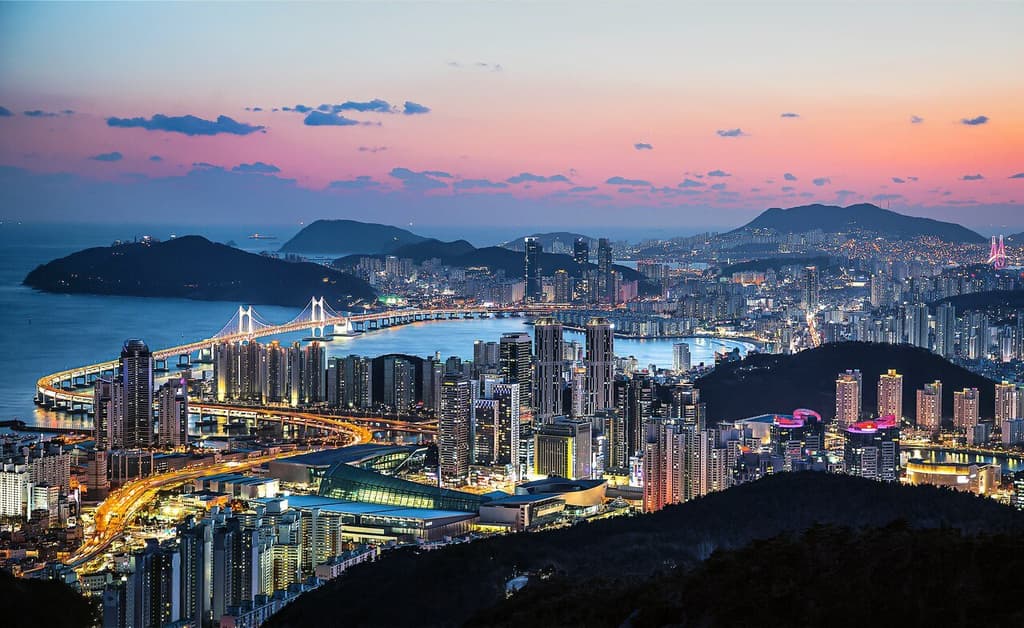
Recent forecasts from agencies like the Korea Meteorological Administration and models such as ECMWF and GFS point to a minimum temperature in Busan of 25–27°C on August 30, 2026, driven by a stationary front delivering persistent cloud cover, showers, and high humidity that limits radiational cooling overnight. Southwest winds and a warm, moist air mass—typical of late-summer patterns with tropical night conditions—further suppress the diurnal range, keeping lows several degrees above the 74°F (23.3°C) climatological average. Recent heavy rainfall episodes have reinforced this setup by increasing atmospheric moisture and reducing clear-sky cooling potential. Trader consensus clusters around 25–26°C as the most probable outcomes given current model agreement, though slight shifts in frontal timing or wind direction could allow a dip toward 24°C or hold the low nearer 27°C.
Résumé expérimental généré par IA à partir des données Polymarket. Ceci n'est pas un conseil de trading et ne joue aucun rôle dans la résolution de ce marché. · Mis à jourTempérature la plus basse à Busan le 30 août ?
Température la plus basse à Busan le 30 août ?
32°C or higher 79%
29°C 46%
22°C or below 45%
26°C 44%
22°C or below
45%
23°C
24%
24°C
24%
25°C
31%
26°C
44%
27°C
26%
28°C
24%
29°C
46%
30°C
8%
31°C
8%
32°C or higher
79%
32°C or higher 79%
29°C 46%
22°C or below 45%
26°C 44%
22°C or below
45%
23°C
24%
24°C
24%
25°C
31%
26°C
44%
27°C
26%
28°C
24%
29°C
46%
30°C
8%
31°C
8%
32°C or higher
79%
The resolution source for this market will be information from NOAA, specifically the lowest reading under the "Temp" column for all times on this day, available here: https://www.weather.gov/wrh/timeseries?site=rkpk
If NOAA data for the observation date is unavailable by 11:59 PM ET on the day following the observation date, the Weather Underground Daily Observations table will be used as the resolution source.
To toggle between Fahrenheit and Celsius, click the "Switch to Metric Units" button until the relevant table displays °C.
This market can not resolve until the first data point for the following date has been published on the resolution source.
The resolution source for this market measures temperatures to whole degrees Celsius (eg, 9°C). Thus, this is the level of precision that will be used when resolving the market.
Revisions to temperatures recorded within this market's timeframe will be considered until the first datapoint for the following date has been published, after which any alterations will not be considered.
Marché ouvert : Aug 28, 2026, 12:31 AM ET
Source de résolution
https://www.weather.gov/wrh/timeseries?site=rkpkRésolveur
0x69c47De9D...The resolution source for this market will be information from NOAA, specifically the lowest reading under the "Temp" column for all times on this day, available here: https://www.weather.gov/wrh/timeseries?site=rkpk
If NOAA data for the observation date is unavailable by 11:59 PM ET on the day following the observation date, the Weather Underground Daily Observations table will be used as the resolution source.
To toggle between Fahrenheit and Celsius, click the "Switch to Metric Units" button until the relevant table displays °C.
This market can not resolve until the first data point for the following date has been published on the resolution source.
The resolution source for this market measures temperatures to whole degrees Celsius (eg, 9°C). Thus, this is the level of precision that will be used when resolving the market.
Revisions to temperatures recorded within this market's timeframe will be considered until the first datapoint for the following date has been published, after which any alterations will not be considered.
Source de résolution
https://www.weather.gov/wrh/timeseries?site=rkpkRésolveur
0x69c47De9D...Recent forecasts from agencies like the Korea Meteorological Administration and models such as ECMWF and GFS point to a minimum temperature in Busan of 25–27°C on August 30, 2026, driven by a stationary front delivering persistent cloud cover, showers, and high humidity that limits radiational cooling overnight. Southwest winds and a warm, moist air mass—typical of late-summer patterns with tropical night conditions—further suppress the diurnal range, keeping lows several degrees above the 74°F (23.3°C) climatological average. Recent heavy rainfall episodes have reinforced this setup by increasing atmospheric moisture and reducing clear-sky cooling potential. Trader consensus clusters around 25–26°C as the most probable outcomes given current model agreement, though slight shifts in frontal timing or wind direction could allow a dip toward 24°C or hold the low nearer 27°C.
Résumé expérimental généré par IA à partir des données Polymarket. Ceci n'est pas un conseil de trading et ne joue aucun rôle dans la résolution de ce marché. · Mis à jour
Méfiez-vous des liens externes.
Méfiez-vous des liens externes.
Questions fréquentes