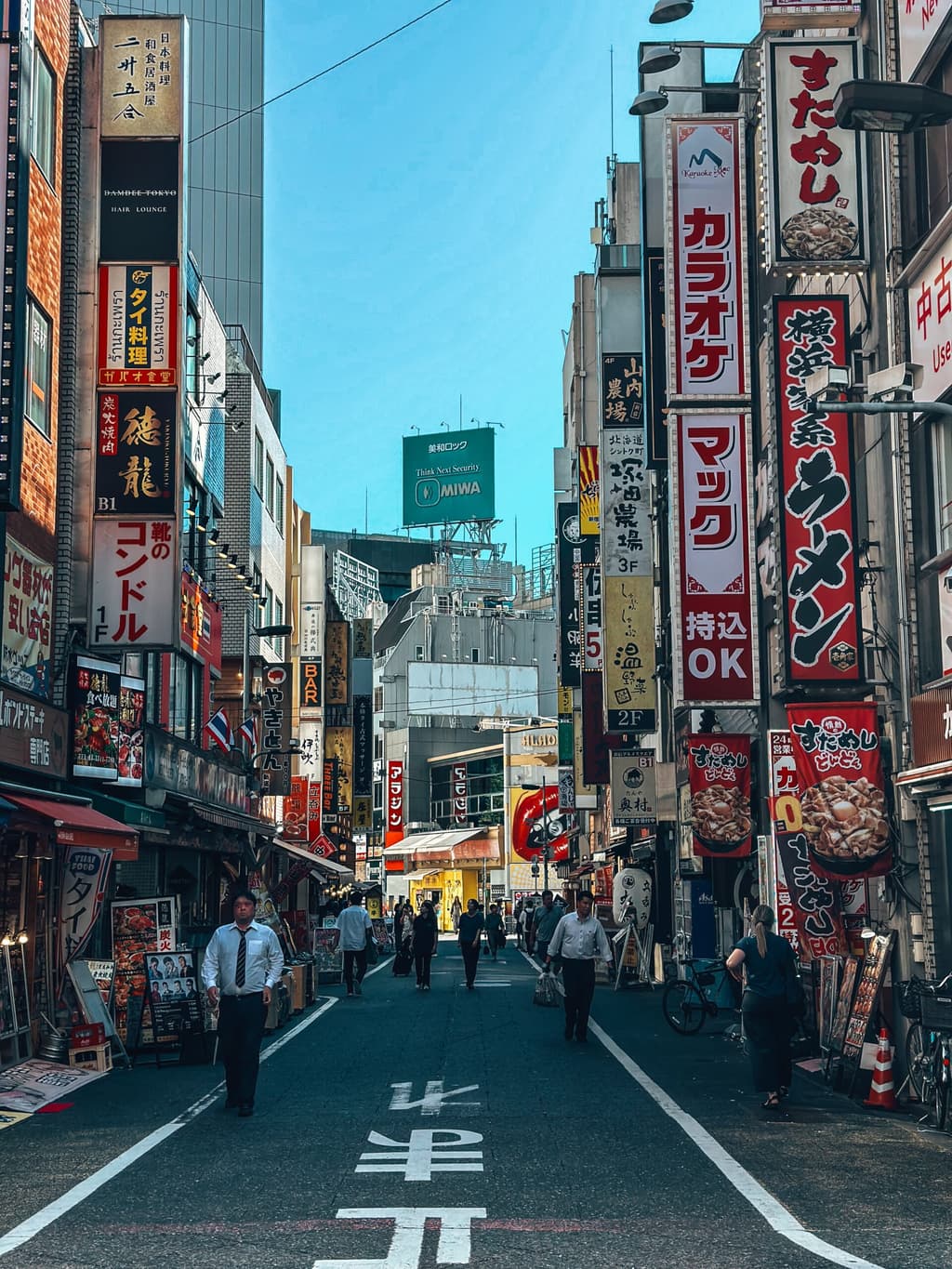
Recent forecasts from the Japan Meteorological Agency indicate a minimum temperature near 25°C for Tokyo on August 8 under partly cloudy conditions, consistent with seasonal norms where overnight lows typically range 23–26°C amid high humidity and limited radiative cooling. Trader sentiment clusters tightly around 26°C and 27°C because urban heat island effects from concrete and asphalt retain daytime warmth, while variable cloud cover and light winds can suppress overnight drops by 1–2°C compared to rural baselines. Differentiating these outcomes hinges on model details such as exact humidity levels near 80% and any subtle sea breeze influence from Tokyo Bay, which moderate cooling rates; slight shifts in these variables could tip the observed low between the two leaders, with later model runs or real-time observations likely to resolve the narrow spread before resolution.
Ringkasan eksperimental yang dihasilkan AI dengan referensi data Polymarket. Ini bukan saran trading dan tidak berperan dalam bagaimana pasar ini diselesaikan. · DiperbaruiLowest temperature in Tokyo on August 8?
Lowest temperature in Tokyo on August 8?
26°C 47%
27°C 46%
25°C 8%
24°C 6%
21°C or below
<1%
22°C
1%
23°C
2%
24°C
6%
25°C
8%
26°C
47%
27°C
46%
28°C
2%
29°C
2%
30°C
1%
31°C or higher
<1%
26°C 47%
27°C 46%
25°C 8%
24°C 6%
21°C or below
<1%
22°C
1%
23°C
2%
24°C
6%
25°C
8%
26°C
47%
27°C
46%
28°C
2%
29°C
2%
30°C
1%
31°C or higher
<1%
This market will resolve to the temperature range that contains the lowest temperature recorded at the Tokyo Haneda Airport Station in degrees Celsius on 8 Aug '26.
The resolution source for this market will be information from Wunderground, specifically the lowest temperature recorded for all times on this day for the Tokyo Haneda Airport Station, available here: https://www.wunderground.com/history/daily/jp/tokyo/RJTT.
To toggle between Fahrenheit and Celsius, click the gear icon next to the search bar and switch the Temperature setting between °F and °C.
This market can not resolve until the first data point for the following date has been published on the resolution source.
The resolution source for this market measures temperatures to whole degrees Celsius (eg, 9°C). Thus, this is the level of precision that will be used when resolving the market.
Revisions to temperatures recorded within this market's timeframe will be considered until the first datapoint for the following date has been published, after which any alterations will not be considered.
Pasar Dibuka: Aug 6, 2026, 12:30 AM ET
Sumber Resolusi
https://www.wunderground.com/history/daily/jp/tokyo/RJTTResolver
0x69c47De9D...This market will resolve to the temperature range that contains the lowest temperature recorded at the Tokyo Haneda Airport Station in degrees Celsius on 8 Aug '26.
The resolution source for this market will be information from Wunderground, specifically the lowest temperature recorded for all times on this day for the Tokyo Haneda Airport Station, available here: https://www.wunderground.com/history/daily/jp/tokyo/RJTT.
To toggle between Fahrenheit and Celsius, click the gear icon next to the search bar and switch the Temperature setting between °F and °C.
This market can not resolve until the first data point for the following date has been published on the resolution source.
The resolution source for this market measures temperatures to whole degrees Celsius (eg, 9°C). Thus, this is the level of precision that will be used when resolving the market.
Revisions to temperatures recorded within this market's timeframe will be considered until the first datapoint for the following date has been published, after which any alterations will not be considered.
Sumber Resolusi
https://www.wunderground.com/history/daily/jp/tokyo/RJTTResolver
0x69c47De9D...Recent forecasts from the Japan Meteorological Agency indicate a minimum temperature near 25°C for Tokyo on August 8 under partly cloudy conditions, consistent with seasonal norms where overnight lows typically range 23–26°C amid high humidity and limited radiative cooling. Trader sentiment clusters tightly around 26°C and 27°C because urban heat island effects from concrete and asphalt retain daytime warmth, while variable cloud cover and light winds can suppress overnight drops by 1–2°C compared to rural baselines. Differentiating these outcomes hinges on model details such as exact humidity levels near 80% and any subtle sea breeze influence from Tokyo Bay, which moderate cooling rates; slight shifts in these variables could tip the observed low between the two leaders, with later model runs or real-time observations likely to resolve the narrow spread before resolution.
Ringkasan eksperimental yang dihasilkan AI dengan referensi data Polymarket. Ini bukan saran trading dan tidak berperan dalam bagaimana pasar ini diselesaikan. · Diperbarui
Hati-hati dengan link eksternal.
Hati-hati dengan link eksternal.
Pertanyaan yang Sering Diajukan