
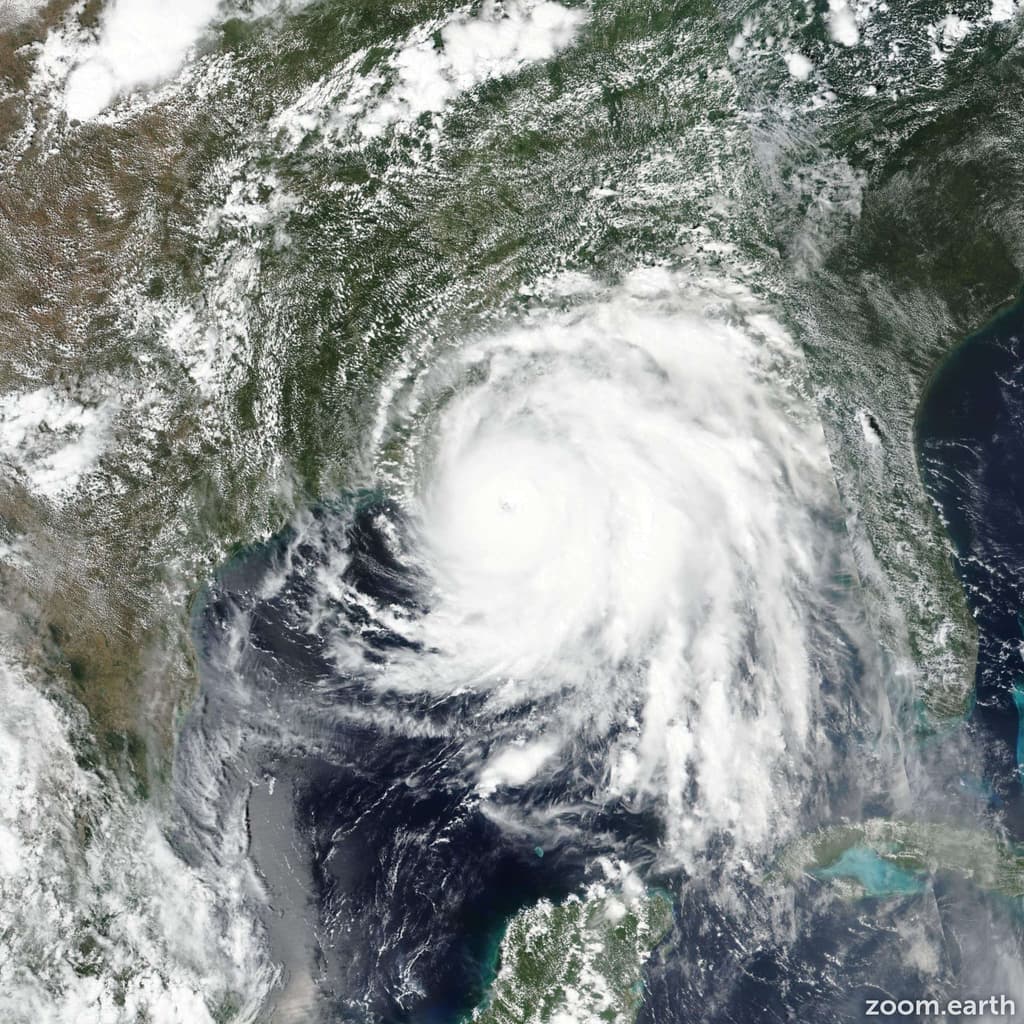
Recent developments in the 2026 eastern Pacific season, including a super El Niño driving rapid intensification, have produced three Category 5 hurricanes—Genevieve, Lowell, and Polo—tying the seasonal record without surpassing it. Hurricane Polo’s explosive strengthening to 180 mph winds and 892 mb pressure on September 22 made it the second-most intense Pacific storm on record by central pressure, behind only 2015’s Patricia at 872 mb, per National Hurricane Center data. With the season well advanced and late-September conditions typically limiting further extremes, trader consensus at 61.5% for “No” reflects the low likelihood of a new all-time intensity benchmark before November 30, though model runs through October still warrant monitoring for any unexpected late surge.
Riepilogo sperimentale generato dall'AI con riferimento ai dati di Polymarket. Questo non è un consiglio di trading e non ha alcun ruolo nella risoluzione di questo mercato. · AggiornatoRecord assoluto di uragani di categoria 5 nel Pacifico infranto nel 2026?
Record assoluto di uragani di categoria 5 nel Pacifico infranto nel 2026?
Sì
Sì
A tropical cyclone is assigned Category 5 intensity when an operational advisory reports a maximum sustained wind speed (1-minute average) of at least 157 mph, corresponding to Category 5 on the Saffir-Simpson Hurricane Wind Scale. Operational advisories for this area are issued by the National Hurricane Center and the Central Pacific Hurricane Center.
Each tropical cyclone counts once toward the total, no matter how many advisories or how many separate periods report it at Category 5 intensity. Hurricane Genevieve, Hurricane Lowell and Hurricane Polo have each been assigned Category 5 intensity in 2026 and each count toward this total, so one additional tropical cyclone is required for this market to resolve to "Yes". A tropical cyclone in any other basin, including the Atlantic, will not be considered for resolution.
Being assigned Category 5 intensity at any single advisory within this period is sufficient for a tropical cyclone to count, regardless of its intensity at any other time. Once a fourth qualifying tropical cyclone has been reported at Category 5 intensity, this market will resolve to "Yes" regardless of that storm's subsequent intensity.
This market will resolve based on the operational advisory data issued for a storm while it is active. Any revision to a storm's peak intensity or category published later in a post-storm best-track report or Tropical Cyclone Report will not be considered for resolution. If a correction to an advisory is issued to fix a clerical error, the corrected advisory will govern.
The primary resolution source for this market will be the operational advisories issued by the National Oceanic and Atmospheric Administration's National Hurricane Center and Central Pacific Hurricane Center (https://www.nhc.noaa.gov/); however, a consensus of credible reporting may also be used.
Mercato aperto: Sep 22, 2026, 4:47 PM ET
Fonte di risoluzione
https://www.nhc.noaa.gov/Risolutore
0x65070BE91...A tropical cyclone is assigned Category 5 intensity when an operational advisory reports a maximum sustained wind speed (1-minute average) of at least 157 mph, corresponding to Category 5 on the Saffir-Simpson Hurricane Wind Scale. Operational advisories for this area are issued by the National Hurricane Center and the Central Pacific Hurricane Center.
Each tropical cyclone counts once toward the total, no matter how many advisories or how many separate periods report it at Category 5 intensity. Hurricane Genevieve, Hurricane Lowell and Hurricane Polo have each been assigned Category 5 intensity in 2026 and each count toward this total, so one additional tropical cyclone is required for this market to resolve to "Yes". A tropical cyclone in any other basin, including the Atlantic, will not be considered for resolution.
Being assigned Category 5 intensity at any single advisory within this period is sufficient for a tropical cyclone to count, regardless of its intensity at any other time. Once a fourth qualifying tropical cyclone has been reported at Category 5 intensity, this market will resolve to "Yes" regardless of that storm's subsequent intensity.
This market will resolve based on the operational advisory data issued for a storm while it is active. Any revision to a storm's peak intensity or category published later in a post-storm best-track report or Tropical Cyclone Report will not be considered for resolution. If a correction to an advisory is issued to fix a clerical error, the corrected advisory will govern.
The primary resolution source for this market will be the operational advisories issued by the National Oceanic and Atmospheric Administration's National Hurricane Center and Central Pacific Hurricane Center (https://www.nhc.noaa.gov/); however, a consensus of credible reporting may also be used.
Fonte di risoluzione
https://www.nhc.noaa.gov/Risolutore
0x65070BE91...Recent developments in the 2026 eastern Pacific season, including a super El Niño driving rapid intensification, have produced three Category 5 hurricanes—Genevieve, Lowell, and Polo—tying the seasonal record without surpassing it. Hurricane Polo’s explosive strengthening to 180 mph winds and 892 mb pressure on September 22 made it the second-most intense Pacific storm on record by central pressure, behind only 2015’s Patricia at 872 mb, per National Hurricane Center data. With the season well advanced and late-September conditions typically limiting further extremes, trader consensus at 61.5% for “No” reflects the low likelihood of a new all-time intensity benchmark before November 30, though model runs through October still warrant monitoring for any unexpected late surge.
Riepilogo sperimentale generato dall'AI con riferimento ai dati di Polymarket. Questo non è un consiglio di trading e non ha alcun ruolo nella risoluzione di questo mercato. · Aggiornato


Fai attenzione ai link esterni.
Fai attenzione ai link esterni.
Domande frequenti