
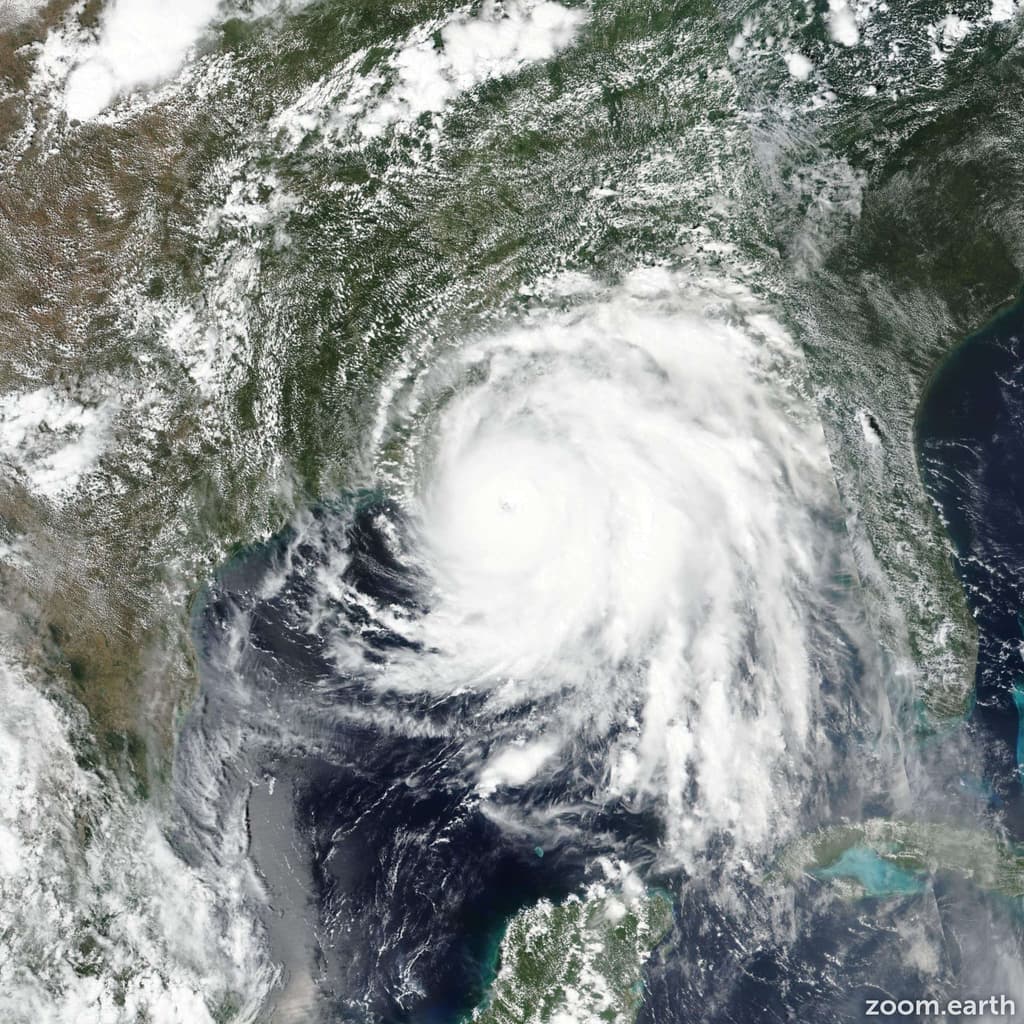
Hurricane Polo's rapid intensification to 180 mph winds and 892 mb pressure on September 22—making it the second-most intense Eastern Pacific storm on record by central pressure—has driven the 61.5% market-implied probability that the all-time Pacific Category 5 intensity record (Hurricane Patricia's 215 mph and 872 mb in 2015) will not be broken in 2026. A super El Niño has fueled an above-normal season with three Category 5 hurricanes so far (Genevieve, Lowell, and Polo), tying the single-season maximum, yet none have approached Patricia's benchmarks amid typical late-September steering patterns and cooling sea surface temperatures. National Hurricane Center forecasts and model consensus indicate limited remaining opportunities for further extreme strengthening before the season winds down.
สรุปจาก AI ทดลองที่อ้างอิงข้อมูลจาก Polymarket ไม่ใช่คำแนะนำในการเทรดและไม่มีผลต่อการตัดสินตลาดนี้ · อัปเดตแล้วAll-time Pacific Category 5 hurricane record broken in 2026?
All-time Pacific Category 5 hurricane record broken in 2026?
A tropical cyclone is assigned Category 5 intensity when an operational advisory reports a maximum sustained wind speed (1-minute average) of at least 157 mph, corresponding to Category 5 on the Saffir-Simpson Hurricane Wind Scale. Operational advisories for this area are issued by the National Hurricane Center and the Central Pacific Hurricane Center.
Each tropical cyclone counts once toward the total, no matter how many advisories or how many separate periods report it at Category 5 intensity. Hurricane Genevieve, Hurricane Lowell and Hurricane Polo have each been assigned Category 5 intensity in 2026 and each count toward this total, so one additional tropical cyclone is required for this market to resolve to "Yes". A tropical cyclone in any other basin, including the Atlantic, will not be considered for resolution.
Being assigned Category 5 intensity at any single advisory within this period is sufficient for a tropical cyclone to count, regardless of its intensity at any other time. Once a fourth qualifying tropical cyclone has been reported at Category 5 intensity, this market will resolve to "Yes" regardless of that storm's subsequent intensity.
This market will resolve based on the operational advisory data issued for a storm while it is active. Any revision to a storm's peak intensity or category published later in a post-storm best-track report or Tropical Cyclone Report will not be considered for resolution. If a correction to an advisory is issued to fix a clerical error, the corrected advisory will govern.
The primary resolution source for this market will be the operational advisories issued by the National Oceanic and Atmospheric Administration's National Hurricane Center and Central Pacific Hurricane Center (https://www.nhc.noaa.gov/); however, a consensus of credible reporting may also be used.
ตลาดเปิดเมื่อ: Sep 22, 2026, 4:47 PM ET
แหล่งข้อมูลการตัดสินผล
https://www.nhc.noaa.gov/ผู้ตัดสินผล
0x65070BE91...A tropical cyclone is assigned Category 5 intensity when an operational advisory reports a maximum sustained wind speed (1-minute average) of at least 157 mph, corresponding to Category 5 on the Saffir-Simpson Hurricane Wind Scale. Operational advisories for this area are issued by the National Hurricane Center and the Central Pacific Hurricane Center.
Each tropical cyclone counts once toward the total, no matter how many advisories or how many separate periods report it at Category 5 intensity. Hurricane Genevieve, Hurricane Lowell and Hurricane Polo have each been assigned Category 5 intensity in 2026 and each count toward this total, so one additional tropical cyclone is required for this market to resolve to "Yes". A tropical cyclone in any other basin, including the Atlantic, will not be considered for resolution.
Being assigned Category 5 intensity at any single advisory within this period is sufficient for a tropical cyclone to count, regardless of its intensity at any other time. Once a fourth qualifying tropical cyclone has been reported at Category 5 intensity, this market will resolve to "Yes" regardless of that storm's subsequent intensity.
This market will resolve based on the operational advisory data issued for a storm while it is active. Any revision to a storm's peak intensity or category published later in a post-storm best-track report or Tropical Cyclone Report will not be considered for resolution. If a correction to an advisory is issued to fix a clerical error, the corrected advisory will govern.
The primary resolution source for this market will be the operational advisories issued by the National Oceanic and Atmospheric Administration's National Hurricane Center and Central Pacific Hurricane Center (https://www.nhc.noaa.gov/); however, a consensus of credible reporting may also be used.
แหล่งข้อมูลการตัดสินผล
https://www.nhc.noaa.gov/ผู้ตัดสินผล
0x65070BE91...Hurricane Polo's rapid intensification to 180 mph winds and 892 mb pressure on September 22—making it the second-most intense Eastern Pacific storm on record by central pressure—has driven the 61.5% market-implied probability that the all-time Pacific Category 5 intensity record (Hurricane Patricia's 215 mph and 872 mb in 2015) will not be broken in 2026. A super El Niño has fueled an above-normal season with three Category 5 hurricanes so far (Genevieve, Lowell, and Polo), tying the single-season maximum, yet none have approached Patricia's benchmarks amid typical late-September steering patterns and cooling sea surface temperatures. National Hurricane Center forecasts and model consensus indicate limited remaining opportunities for further extreme strengthening before the season winds down.
สรุปจาก AI ทดลองที่อ้างอิงข้อมูลจาก Polymarket ไม่ใช่คำแนะนำในการเทรดและไม่มีผลต่อการตัดสินตลาดนี้ · อัปเดตแล้ว


ระวังลิงก์ภายนอก
ระวังลิงก์ภายนอก
คำถามที่พบบ่อย