
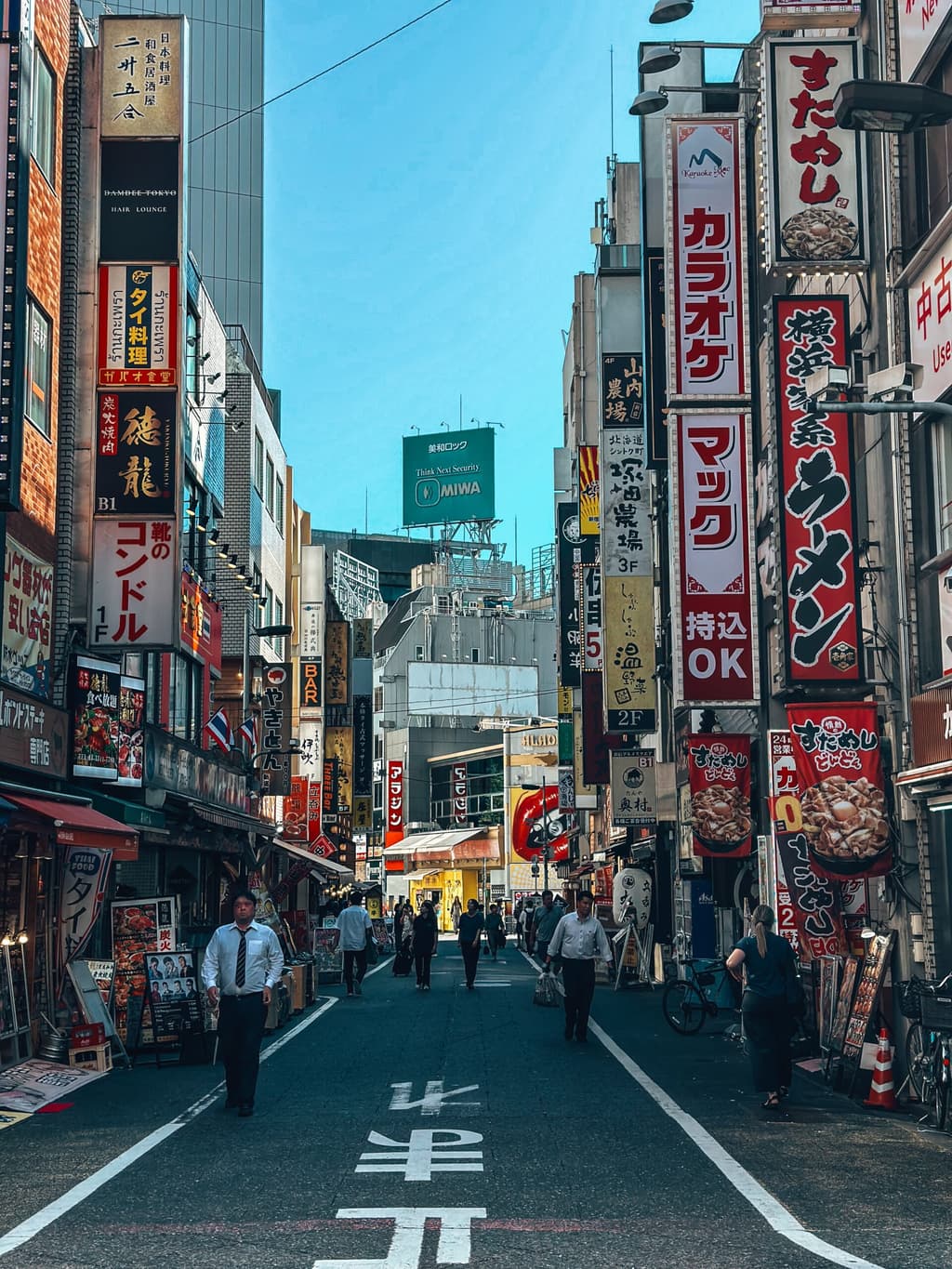
Trader consensus on the lowest Tokyo temperature for September 17 clusters tightly around 19–20 °C because short-range ensemble forecasts from the Japan Meteorological Agency and global models show comparable probabilities for overnight lows in that narrow band. Current synoptic patterns feature a weakening high-pressure ridge with light southerly flow and limited cloud cover, keeping minimum temperatures near the late-summer climatological average of roughly 20 °C. Model spread arises mainly from small differences in boundary-layer mixing and urban heat-island effects, with some runs dipping to 19 °C under clearer, calmer conditions while others hold at 20 °C. Updated guidance expected within 24 hours will likely narrow the distribution ahead of market resolution.
สรุปจาก AI ทดลองที่อ้างอิงข้อมูลจาก Polymarket ไม่ใช่คำแนะนำในการเทรดและไม่มีผลต่อการตัดสินตลาดนี้ · อัปเดตแล้วLowest temperature in Tokyo on September 17?
Lowest temperature in Tokyo on September 17?
20°C 39%
19°C 38%
18°C 19%
21°C 19%
15°C or below
5%
16°C
7%
17°C
11%
18°C
19%
19°C
38%
20°C
39%
21°C
19%
22°C
11%
23°C
2%
24°C
2%
25°C or higher
2%
20°C 39%
19°C 38%
18°C 19%
21°C 19%
15°C or below
5%
16°C
7%
17°C
11%
18°C
19%
19°C
38%
20°C
39%
21°C
19%
22°C
11%
23°C
2%
24°C
2%
25°C or higher
2%
The resolution source for this market will be information from NOAA, specifically the lowest reading under the "Temp" column for all times on this day, available here: https://www.weather.gov/wrh/timeseries?site=rjtt
If NOAA data for the observation date is unavailable by 11:59 PM ET on the day following the observation date, the Weather Underground Daily Observations table will be used as the resolution source.
In the event that there is no data for the observation date by 11:59 PM ET on the day following the observation date, this market will resolve to the lowest bracket.
To toggle between Fahrenheit and Celsius, click the "Switch to Metric Units" button until the relevant table displays °C.
This market will resolve once the first data point for the following date has been published on the resolution source, or by 11:59 PM ET on the day following the observation date, whichever comes first.
The resolution source for this market measures temperatures to whole degrees Celsius (eg, 9°C). Thus, this is the level of precision that will be used when resolving the market.
Revisions to temperatures recorded within this market's timeframe will be considered until the first datapoint for the following date has been published, after which any alterations will not be considered.
ตลาดเปิดเมื่อ: Sep 15, 2026, 12:29 AM ET
แหล่งข้อมูลการตัดสินผล
https://www.weather.gov/wrh/timeseries?site=rjttผู้ตัดสินผล
0x69c47De9D...The resolution source for this market will be information from NOAA, specifically the lowest reading under the "Temp" column for all times on this day, available here: https://www.weather.gov/wrh/timeseries?site=rjtt
If NOAA data for the observation date is unavailable by 11:59 PM ET on the day following the observation date, the Weather Underground Daily Observations table will be used as the resolution source.
In the event that there is no data for the observation date by 11:59 PM ET on the day following the observation date, this market will resolve to the lowest bracket.
To toggle between Fahrenheit and Celsius, click the "Switch to Metric Units" button until the relevant table displays °C.
This market will resolve once the first data point for the following date has been published on the resolution source, or by 11:59 PM ET on the day following the observation date, whichever comes first.
The resolution source for this market measures temperatures to whole degrees Celsius (eg, 9°C). Thus, this is the level of precision that will be used when resolving the market.
Revisions to temperatures recorded within this market's timeframe will be considered until the first datapoint for the following date has been published, after which any alterations will not be considered.
แหล่งข้อมูลการตัดสินผล
https://www.weather.gov/wrh/timeseries?site=rjttผู้ตัดสินผล
0x69c47De9D...Trader consensus on the lowest Tokyo temperature for September 17 clusters tightly around 19–20 °C because short-range ensemble forecasts from the Japan Meteorological Agency and global models show comparable probabilities for overnight lows in that narrow band. Current synoptic patterns feature a weakening high-pressure ridge with light southerly flow and limited cloud cover, keeping minimum temperatures near the late-summer climatological average of roughly 20 °C. Model spread arises mainly from small differences in boundary-layer mixing and urban heat-island effects, with some runs dipping to 19 °C under clearer, calmer conditions while others hold at 20 °C. Updated guidance expected within 24 hours will likely narrow the distribution ahead of market resolution.
สรุปจาก AI ทดลองที่อ้างอิงข้อมูลจาก Polymarket ไม่ใช่คำแนะนำในการเทรดและไม่มีผลต่อการตัดสินตลาดนี้ · อัปเดตแล้ว
ระวังลิงก์ภายนอก
ระวังลิงก์ภายนอก
คำถามที่พบบ่อย