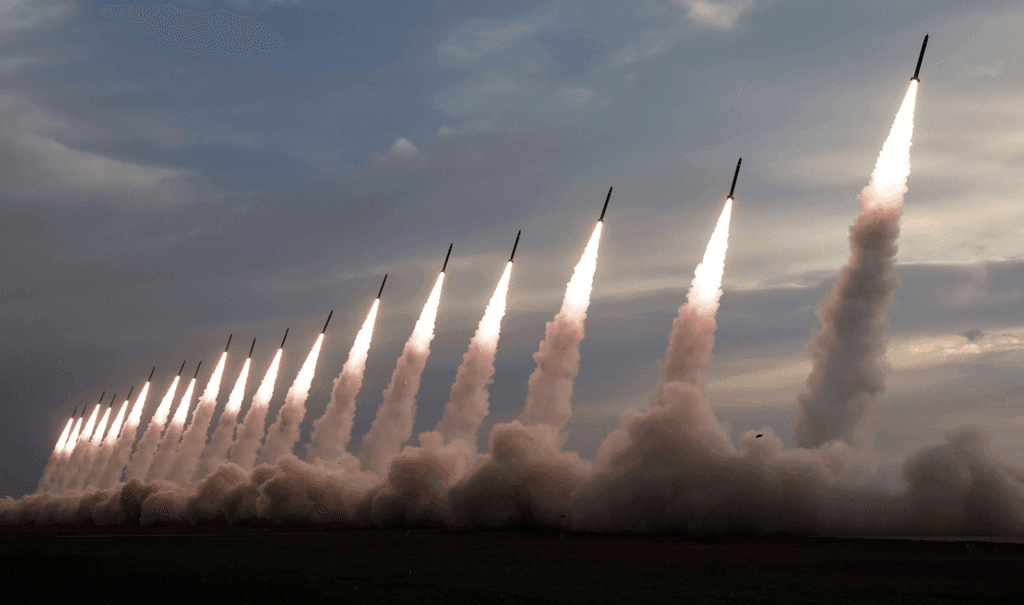
Trader consensus on Polymarket reflects low implied probability for Iranian military action against Israel by April 30, driven by de-escalation following Israel's limited October 26 strikes on Iranian military sites, which Tehran downplayed to avoid broader conflict. Iran's restraint persists amid proxy setbacks, including Hezbollah's losses after Israel's September killing of leader Hassan Nasrallah and the December fall of Syria's Assad regime, redirecting Tehran's focus to internal economic pressures from sanctions and high uranium enrichment. Key risks include potential Israeli ground operations in southern Lebanon, which Iran has warned could provoke response, alongside U.S. policy shifts under incoming President Trump favoring Israel. Markets await Hezbollah truce talks and IAEA nuclear reports as near-term catalysts.
基於Polymarket數據的AI實驗性摘要 · 更新於Israel
96%
UAE
89%
Bahrain
77%
Saudi Arabia
67%
Qatar
71%
Jordan
46%
Syria
41%
Yemen
41%
Oman
40%
Georgia
40%
Afghanistan
38%
Azerbaijan
38%
Turkey
37%
Ukraine
36%
Pakistan
35%
UK
35%
India
26%
Spain
26%
France
26%
Germany
26%
Italy
26%
Hungary
26%
Armenia
26%
Cyprus
25%
Poland
21%
Kuwait
47%
Iraq
45%
Lebanon
47%
$481 交易量
Israel
96%
UAE
89%
Bahrain
77%
Saudi Arabia
67%
Qatar
71%
Jordan
46%
Syria
41%
Yemen
41%
Oman
40%
Georgia
40%
Afghanistan
38%
Azerbaijan
38%
Turkey
37%
Ukraine
36%
Pakistan
35%
UK
35%
India
26%
Spain
26%
France
26%
Germany
26%
Italy
26%
Hungary
26%
Armenia
26%
Cyprus
25%
Poland
21%
Kuwait
47%
Iraq
45%
Lebanon
47%
For the purposes of this market, a qualifying "strike" is defined as the use of aerial bombs, drones or missiles (including cruise or ballistic missiles) launched by Iranian military forces that impact a listed country's ground territory or any official embassy or consulate of that country (e.g., if a weapons depot on a listed country soil is hit by an Iranian missile, this market will resolve to "Yes").
Missiles or drones which are intercepted and surface-to-air missile strikes will not be sufficient for a "Yes" resolution regardless of whether they land on a listed country's territory or cause damage.
Strikes within the West Bank or the Gaza Strip, will be counted as Israel.
Only military actions by Iranian forces explicitly claimed by the Islamic Republic of Iran, or confirmed to have originated from Iranian territory, will count toward the resolution of this market. Attacks by proxy forces (i.e., Hezbollah, Houthis, etc.) will not count toward the resolution of this market.
Actions such as artillery fire, small arms fire, FPV or ATGM strikes directly, ground incursions, naval shelling, cyberattacks, or other operations conducted by US or Israeli ground operatives will not qualify.
The resolution source will be a consensus of credible reporting.
If the date/time of a strike cannot be confirmed by a consensus of credible reporting by the end of the third calendar date after this market's end date, it will resolve to "No" regardless of whether a strike was later confirmed to have taken place.
市場開放時間: Mar 24, 2026, 1:27 PM ET
Resolver
0x65070BE91...Resolver
0x65070BE91...Trader consensus on Polymarket reflects low implied probability for Iranian military action against Israel by April 30, driven by de-escalation following Israel's limited October 26 strikes on Iranian military sites, which Tehran downplayed to avoid broader conflict. Iran's restraint persists amid proxy setbacks, including Hezbollah's losses after Israel's September killing of leader Hassan Nasrallah and the December fall of Syria's Assad regime, redirecting Tehran's focus to internal economic pressures from sanctions and high uranium enrichment. Key risks include potential Israeli ground operations in southern Lebanon, which Iran has warned could provoke response, alongside U.S. policy shifts under incoming President Trump favoring Israel. Markets await Hezbollah truce talks and IAEA nuclear reports as near-term catalysts.
基於Polymarket數據的AI實驗性摘要 · 更新於
警惕外部連結哦。
警惕外部連結哦。
Frequently Asked Questions