
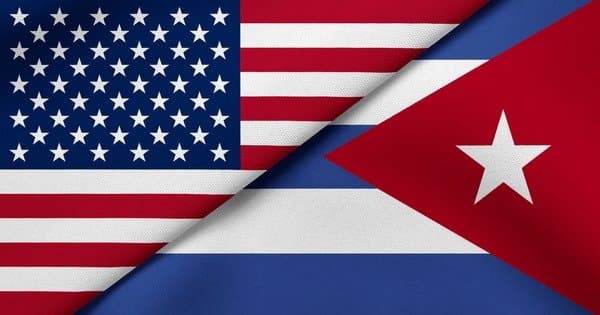
The Trump administration's maximum-pressure strategy against Cuba has centered on economic sanctions, an oil blockade, and targeted measures against military-linked entities rather than direct military engagement, sustaining the 85.5% trader-implied probability against a 2026 clash. Recent developments through September include additional sanctions on nickel reserves and companies, repeated power grid failures tied to fuel shortages, and Cuban statements affirming openness to dialogue amid the crisis, without reports of kinetic incidents or invasion preparations advancing to execution. Naval assets remain in the region and military options have been briefed, yet priorities appear focused on regime weakening through financial isolation and secondary sanctions while managing concurrent commitments elsewhere. Historical patterns of U.S. pressure campaigns favoring non-kinetic tools and the absence of triggering events like direct attacks on U.S. interests support the current market consensus.
基于Polymarket数据的AI实验性摘要。这不是交易建议,也不影响该市场的结算方式。 · 更新于是
$250,326 交易量
$250,326 交易量
是
$250,326 交易量
$250,326 交易量
A "military encounter" is defined as any incident involving the use of force such as missile strikes, artillery fire, exchange of gunfire, or other forms of direct military engagement between US and Cuban military forces. Non-violent actions, such as warning shots, artillery fire into uninhabited areas, or missile launches that land in territorial waters or pass through airspace, will not qualify for a "Yes" resolution. Intentional ship ramming that results in significant damage to (e.g., a hole in the hull) or the sinking of a military ship by another will count toward a "Yes" resolution, however minor damage (scrapes, dents) will not.
Note: the United States Coast Guard is considered part of the United States military, and the Cuban Border Guard is considered part of the Cuban military.
The resolution source for this market will be a consensus of credible reporting.
市场开放时间: Feb 25, 2026, 7:31 PM ET
A "military encounter" is defined as any incident involving the use of force such as missile strikes, artillery fire, exchange of gunfire, or other forms of direct military engagement between US and Cuban military forces. Non-violent actions, such as warning shots, artillery fire into uninhabited areas, or missile launches that land in territorial waters or pass through airspace, will not qualify for a "Yes" resolution. Intentional ship ramming that results in significant damage to (e.g., a hole in the hull) or the sinking of a military ship by another will count toward a "Yes" resolution, however minor damage (scrapes, dents) will not.
Note: the United States Coast Guard is considered part of the United States military, and the Cuban Border Guard is considered part of the Cuban military.
The resolution source for this market will be a consensus of credible reporting.
The Trump administration's maximum-pressure strategy against Cuba has centered on economic sanctions, an oil blockade, and targeted measures against military-linked entities rather than direct military engagement, sustaining the 85.5% trader-implied probability against a 2026 clash. Recent developments through September include additional sanctions on nickel reserves and companies, repeated power grid failures tied to fuel shortages, and Cuban statements affirming openness to dialogue amid the crisis, without reports of kinetic incidents or invasion preparations advancing to execution. Naval assets remain in the region and military options have been briefed, yet priorities appear focused on regime weakening through financial isolation and secondary sanctions while managing concurrent commitments elsewhere. Historical patterns of U.S. pressure campaigns favoring non-kinetic tools and the absence of triggering events like direct attacks on U.S. interests support the current market consensus.
基于Polymarket数据的AI实验性摘要。这不是交易建议,也不影响该市场的结算方式。 · 更新于


警惕外部链接哦。
警惕外部链接哦。
常见问题